Kyrgyzstan’s parliament is looking at ways to make mountaineering safer after the deaths and presumed deaths of several climbers this year, including a Russian woman who was stranded for days on the highest mountain in the country. The debate comes as authorities promote Kyrgyzstan’s spectacular mountain landscapes in an effort to attract more tourists.
A draft law that was introduced on September 4 in the country’s parliament, the Jogorku Kenesh, would require mountaineers who plan to climb above 6,000 meters to get a permit and have insurance that covers medical assistance and evacuation. The bill, put forward by lawmaker Emil Toktoshev, also proposes the development of more infrastructure for mountaineering routes and bases and better communication about emergencies.
“In recent years, active development of mountaineering and mountain tourism has been observed in Kyrgyzstan, which requires legal regulation of this sphere,” says a note posted with the draft law on the parliament’s website.
“Despite the growing number of ascents to mountain peaks, legislation in the field of mountaineering remains insufficient, creating legal gaps in matters of safety, environmental responsibility, and the issuance of permits,” the note says.
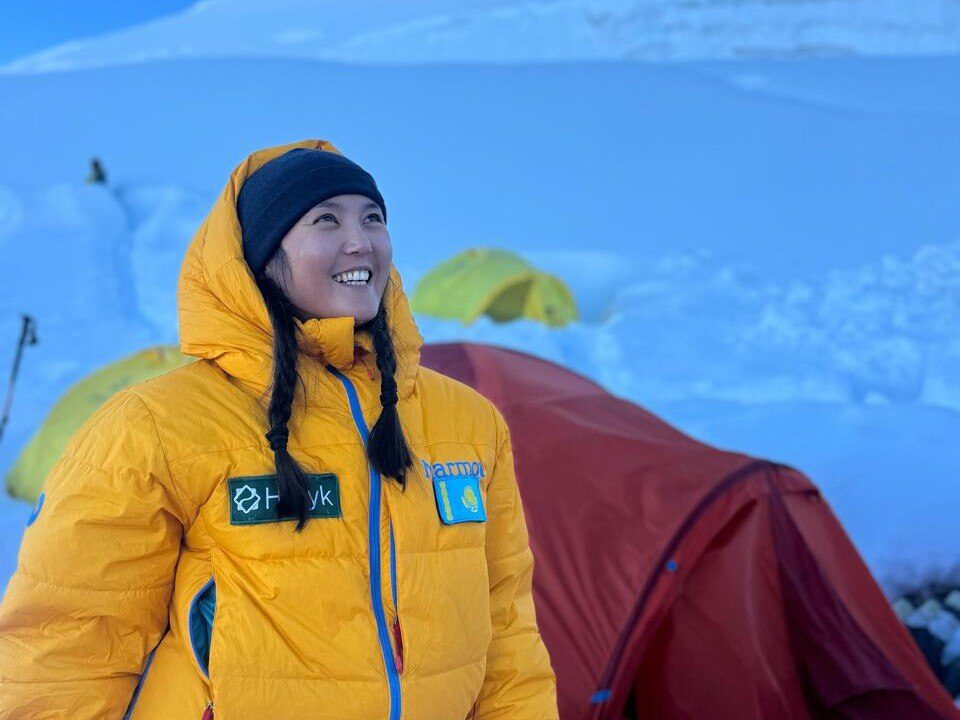
While high-altitude mountain climbing can be inherently risky, the drama surrounding the plight of Russian Natalya Nagovitsyna on Pobeda Peak, which is 7,439 meters above sea level, attracted international attention and prompted a push for more regulation to help to prevent such disasters.
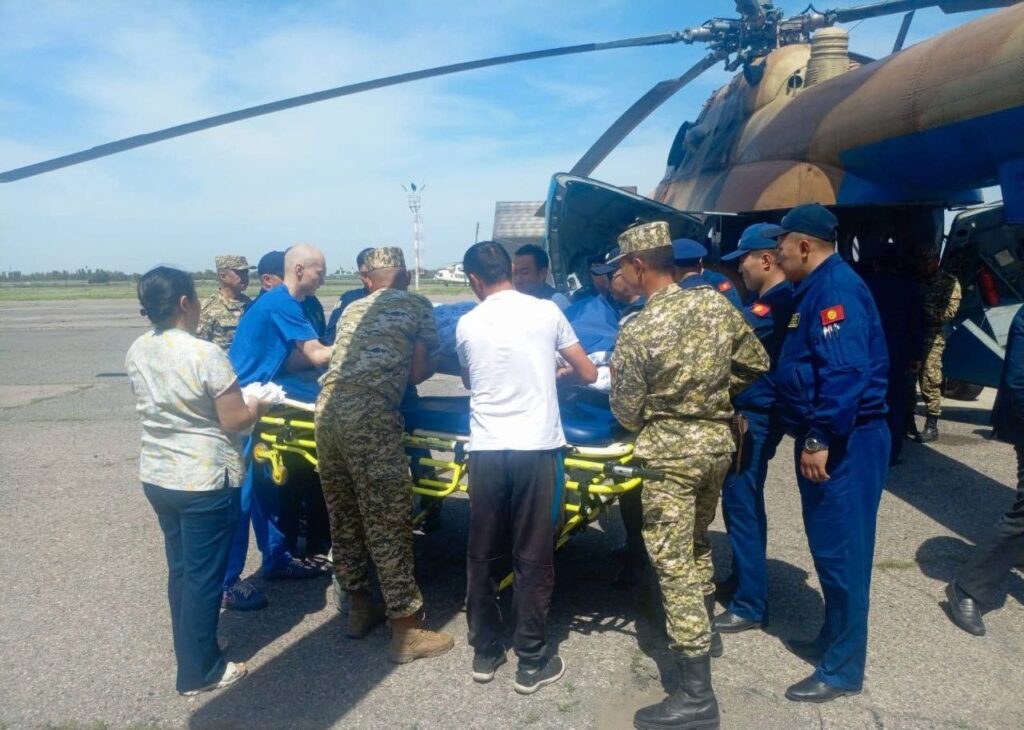
Nagovitsyna, whose husband, Sergey Nagovitsyn, died while climbing in Kyrgyzstan in 2021, broke a leg on Pobeda on August 12. Following risky attempts to rescue her, searchers conducted a high-altitude drone inspection of the mountain ridge where she had been left in early September and said there was no sign of life. There is widespread consensus that Nagovitsyna did not survive on the upper reaches of Pobeda, with minimal supplies and shelter in the brutal climate. Her body has not been recovered.
An Italian friend who had tried to help Nagovitsyna died, and another Russian climber died after climbing Pobeda and falling ill in a separate incident in August. Additionally, two Iranian climbers on Pobeda were reported missing and are presumed dead.
Anna Piunova, editor of Mountain.RU, a Russian website that covers climbing news, said that Nagovitsyna possibly should have climbed Pobeda with an experienced guide and that climbers in general should be aware of their limitations.
“And maybe, when you go into the mountains without a guide, without proper insurance covering PSR (search and rescue operations), in the company of strangers, with only a minimal kit, you need to clearly understand that you’ll have to rely only on yourself,” Piunova said on Instagram. “And choose routes according to your abilities, not your ambitions.”
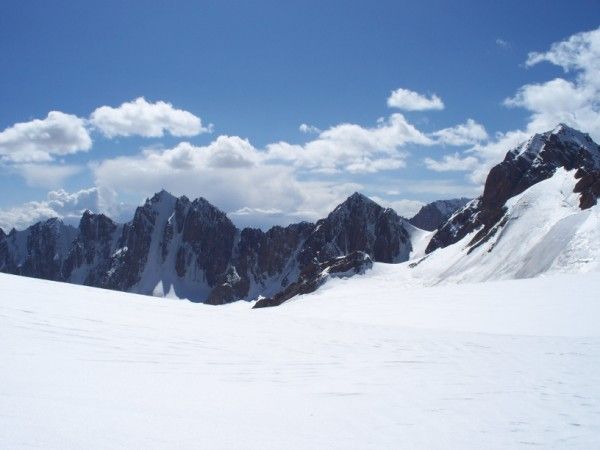
Rescue services and mountaineering infrastructure in Kyrgyzstan are less developed than in the Alps and parts of the Himalayas in Nepal.
The draft bill submitted by lawmaker Toktoshev says a permit system for mountaineers would allow state agencies to monitor climbing routes and react more quickly to emergencies such as avalanche risks and oxygen deficiency, using funds from those permits for their safety work. The bill does not say how much such permits should cost. The system would also play an environmental role, requiring climbers to clean up their own waste.
“High-mountain regions are characterized by particularly fragile ecosystems,” the bill explains. “Mass and uncontrolled access has led to pollution and degradation of natural landscapes. The permit system will make it possible to limit anthropogenic pressure, control the flow of mountaineers, and implement the principles of ecologically sustainable mountaineering.”
Permits are currently required to climb in some areas of Kyrgyzstan, but the proposed system would introduce a higher level of regulation.
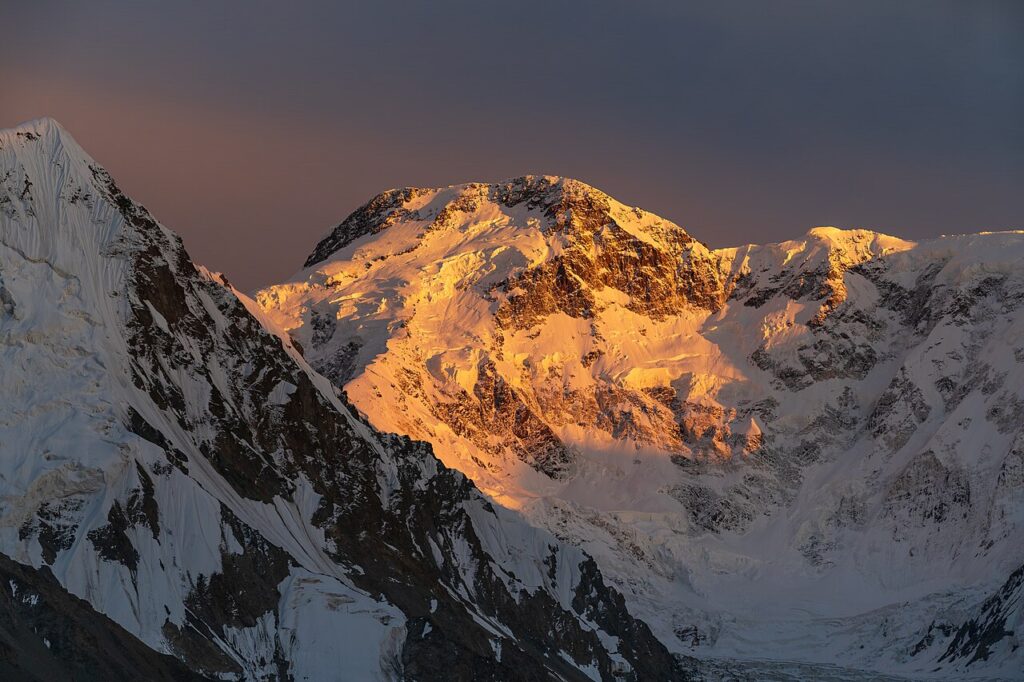
Kyrgyzstan has three peaks over 7,000 meters – Pobeda, which is considered one of the most challenging climbs in the world, as well as Lenin Peak and Khan-Tengri Peak.