Kyrgyzstan has changed leaders more often than any other country in Central Asia, with power shifts since independence driven by both elections and unrest. With less than ten months remaining before the next presidential vote on January 24, 2027, recent political developments suggest the authorities are now moving to consolidate control well ahead of the contest.
Against this backdrop, Russian political analyst Arkady Dubnov, citing sources in Kyrgyzstan, has suggested that recent political decisions, including the sudden removal of Kamchybek Tashiyev on February 10, may be linked to efforts to manage regional and institutional tensions within the country. In particular, discussions since that decision have focused on the long-standing dynamics between northern and southern elites. This dynamic has historically shaped political competition in the country.
Recent personnel changes within state institutions have targeted individuals previously associated with former officials. Such administrative reshuffling is not uncommon ahead of major political milestones, including elections, and may reflect efforts to consolidate governance structures ahead of the upcoming election cycle.
Kyrgyz political analyst Kanat Nogoybaev, speaking to a Kazakhstani outlet, commented on a petition signed by a group of public figures calling for early presidential elections. He noted that such initiatives typically reflect broader political maneuvering within elite circles. Since the petition was signed, some reports indicate that several individuals connected to this petition have faced legal scrutiny, though details remain unclear.
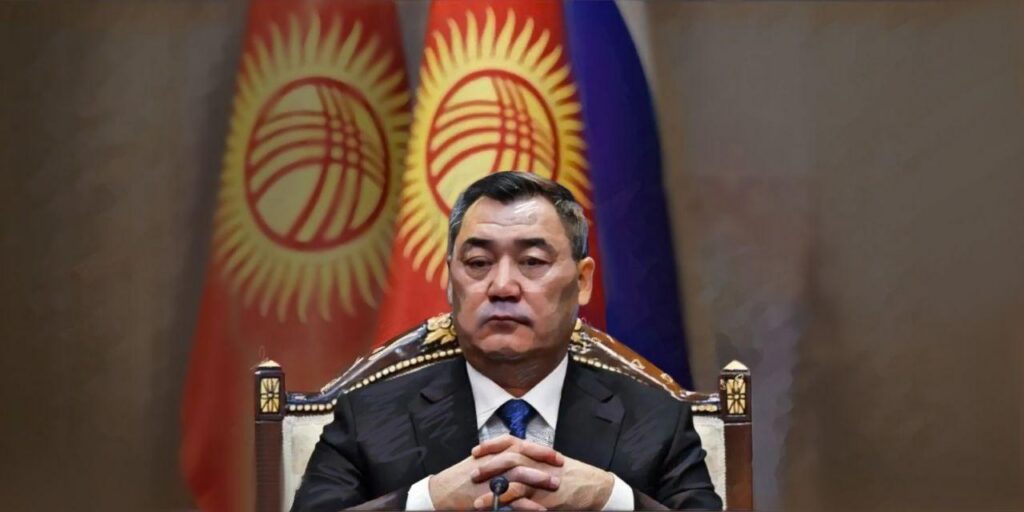
President Sadyr Japarov has addressed the removal of Tashiyev, emphasizing the importance of maintaining stability within state institutions and avoiding internal divisions among public servants.
“I believe that by making a swift decision, I ensured stability within the system,” Japarov said in earlier remarks, stressing that unity within government structures remains a priority.
Separately, there have been discussions in political circles regarding the review of past high-profile legal cases. Former Jogorku Kenesh (parliamentary) deputy Iskhak Masaliev has suggested reassessing certain cases from recent years.
One such case involves journalist Makhabat Tazhibek kyzy, whose legal proceedings have attracted significant public attention. In March, the Supreme Court remanded her case for retrial, and her pretrial detention was changed to house arrest. The case is part of a broader investigation involving media professionals detained in January 2024 on charges related to public unrest. Judicial proceedings in these cases remain ongoing.
Economic developments have also intersected with recent political discussions. Investigations involving the state company, Kyrgyzneftegaz, have led to the detention of several individuals, including company executives and former officials. The Kyrgyz authorities have stated that these actions are part of broader efforts to ensure transparency and accountability in the management of state assets.
Officials from the State Tax Service have addressed the case, noting that new conditions allowed for a comprehensive audit of the company. Subsequent legal actions were taken following the findings. These developments add an economic dimension to the broader political shifts underway.
In parallel, Kyrgyzneftegaz has announced a general shareholders’ meeting scheduled for April 16 in Kochkor-Ata. The agenda includes governance changes, amendments to internal documents, and financial restructuring measures.
While the authorities continue to emphasize stability and institutional continuity, recent developments have prompted closer scrutiny of how political and administrative changes may shape Kyrgyzstan’s leadership landscape ahead of 2027.