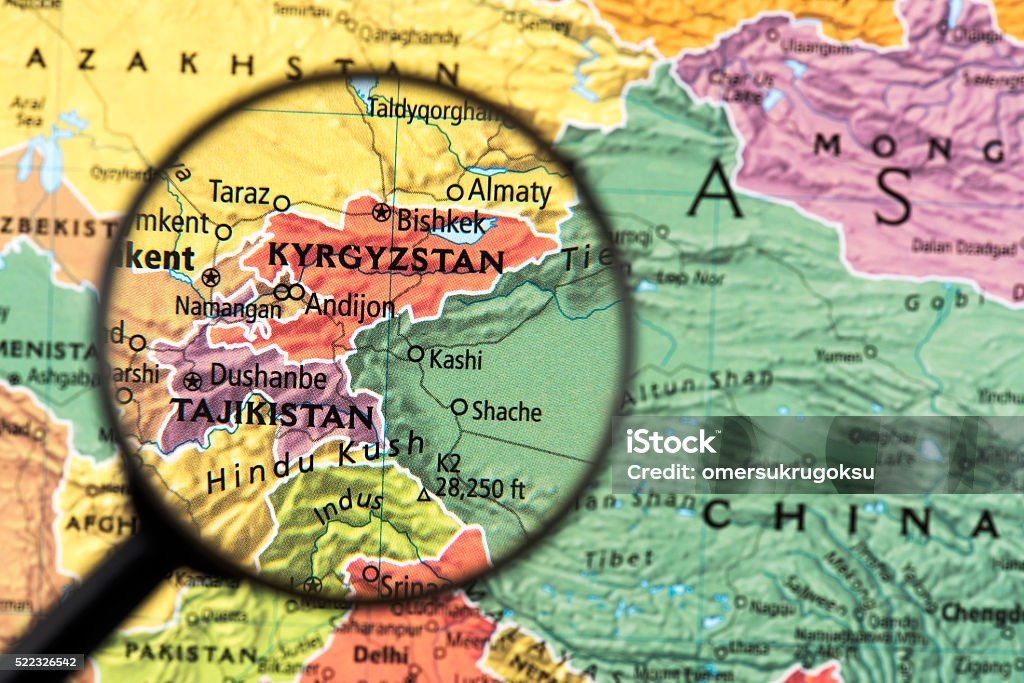
BISHKEK (TCA) — The official visit of President of Kyrgyzstan Almazbek Atambayev to Uzbekistan on October 5-6 resulted in the signing of documents vital for both countries.
The visit was a vivid manifestation of consistently strengthening good-neighborly relations between the fraternal countries and peoples, President of Uzbekistan Shavkat Mirziyoyev said. “Aksakals (elders) of diplomacy do not recall such kind and trusting relations over the past 25 years. Today we gave many instructions to remove all existing barriers,” the Uzbek President added.
The negotiations demonstrated the similarity of assessments and approaches to resolving the most pressing issues, said President of Kyrgyzstan. “We can say that we have no problems left. In fact, there were many problems, but thanks to the political will of the two presidents, we have found compromises. There are issues, but they can be solved,” Atambayev said.
The presidents signed a Declaration on Strategic Partnership, Building Trust and Good Neighborliness between the Kyrgyz Republic and the Republic of Uzbekistan. Besides, 18 Kyrgyz-Uzbek intergovernmental and interdepartmental documents were signed including agreements on the Kyrgyz-Uzbek state border, on military cooperation, on cooperation in combating economic crimes, illicit trafficking in narcotic drugs, in tourism, transportation, trade, economic and cultural spheres.
Military cooperation
For the first time in the history of bilateral relations, Uzbekistan and Kyrgyzstan signed an agreement on military cooperation taking into account the emerging situation in Central Asia, and special attention was paid to counteraction and joint struggle against terrorism and extremism.
“The world is uneasy, and when we choose a military strategy, first and foremost, we should develop military cooperation with our neighbors,” the head of Uzbekistan said.
Kyrgyz-Uzbek border
Atambayev drew the attention to the solution of the Kyrgyz-Uzbek border delimitation problem.
The border between Kyrgyzstan and Uzbekistan had been a border of conflict and disputes, and there were armed clashes, Atambayev said. “I wish that from now on it will be the border of friendship and cooperation. For me this is especially important, because during my six years of presidency, I had sleepless nights when there were conflicts on the border with Uzbekistan. They could lead to great trouble,” Atambayev said.
This is a historic decision, the Kyrgyz President said about the agreement on the delimitation of 85% of the Kyrgyz-Uzbek border, and expressed the hope that documents will be signed for the remaining 217 kilometers by December 1, 2017.
“Today is one of the happy days in my life, because we are doing what our citizens are waiting for. Today we have agreed that soon some other border checkpoints will open which have been closed for years. If we really do so in the near future, our citizens will always remember us with gratitude. Because our main task as Presidents is to ensure peace and stability in our countries,” Atambayev said.
Water and electricity
The National Energy Holding Company of Kyrgyzstan and Uzbekhydroenergo JSC signed a contract for the supply of electricity from Kyrgyzstan to Uzbekistan.
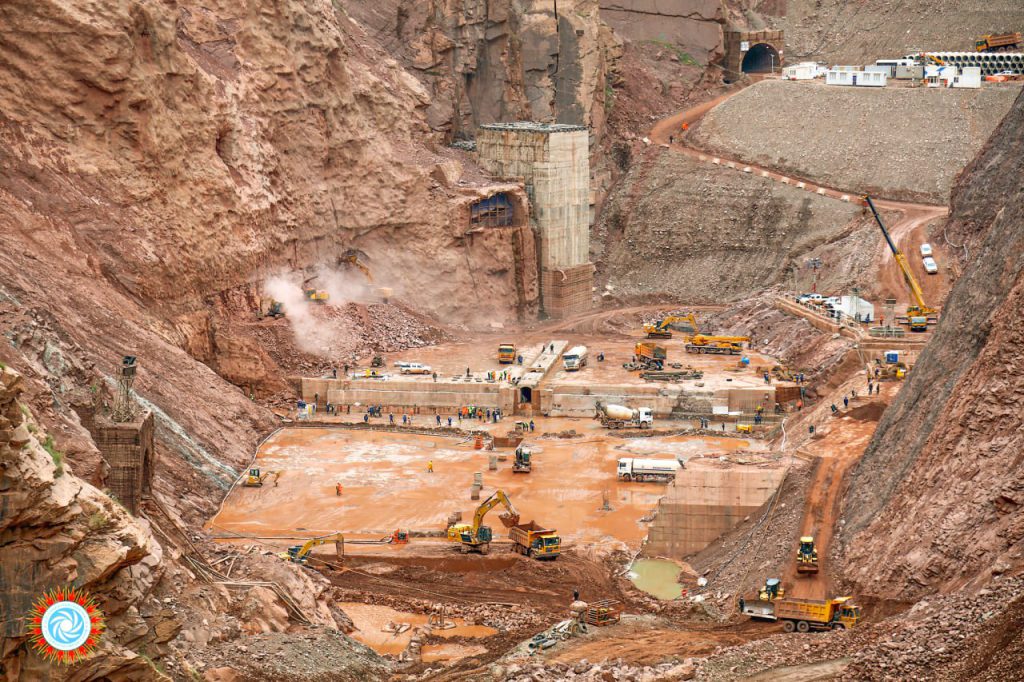
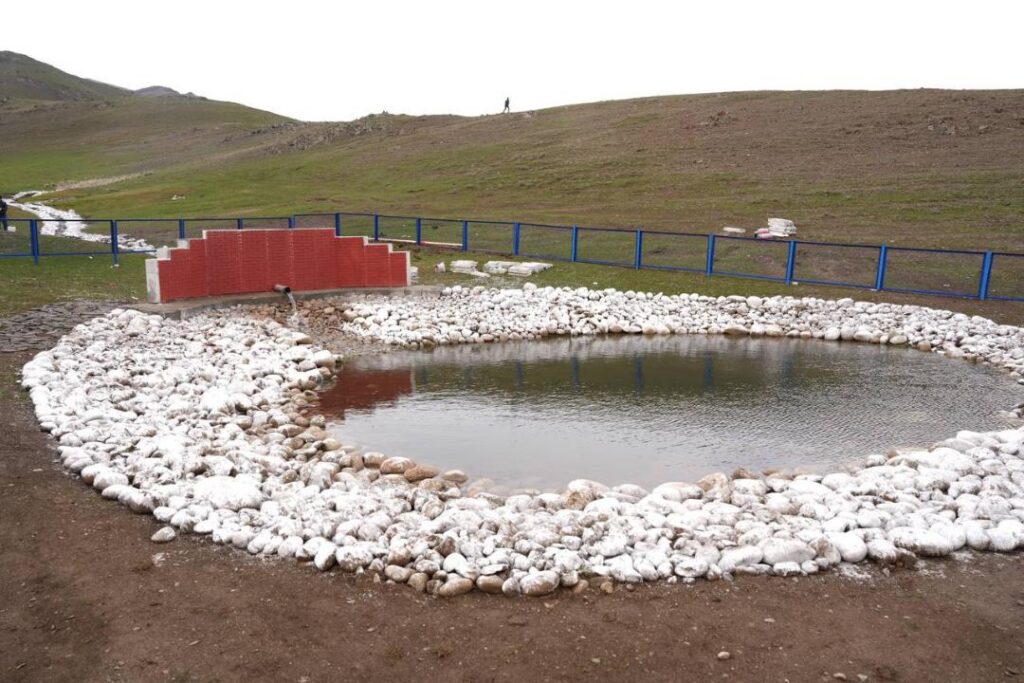
In addition, the two energy companies signed a Memorandum of Understanding on cooperation in construction of the Kambarata-1 hydropower plant in Kyrgyzstan. The governments also concluded an Agreement on the interstate use of the Orto-Tokoi (Kasansai) water reservoir in the Jalal-Abad oblast in the south of Kyrgyzstan.
“We should not argue about Kambarata-1 and we should build it together. Of course, first of all, it is the merit of the President of Uzbekistan,” Atambayev said.
Previously, there were conflicts between the two countries over water resources. Uzbekistan and Kyrgyzstan have confirmed their readiness to cooperate in the issues of rational use of water and energy resources of the transboundary rivers of Central Asia on the basis of strict observance of the interests of the two countries, Mirziyoyev said.
The previous Uzbekistan’s leadership had opposed any involvement in Kyrgyz hydropower projects explaining that they could badly affect Uzbekistan’s agricultural sector, especially the cotton crop.
Work on the 1,860-megawatt Kambarata-1 hydropower plant, the largest energy project in the history of the country, was suspended in 2015, when the Government of Kyrgyzstan denounced the agreement with Russia on the project. Estimates put the cost of completing the project from $2 billion to $4 billion.
Business forum
More than 200 entrepreneurs from Kyrgyzstan took part in the Kyrgyzstan-Uzbekistan 2017 business forum held in Tashkent on October 6.
An agreement was reached on all types of transport, including air and passenger transportation. It means that Kyrgyz carriers can now freely travel to Uzbekistan and carry out transit transport operations. In addition, they are exempt from fees and payments in Uzbekistan.
According to Economy Minister of Kyrgyzstan Artem Novikov, trade between the two countries has a tendency to increase.
Last year, bilateral trade amounted to $196.5 million, 26.8% more than in 2015. In Uzbekistan, 30 enterprises are operating with the participation of Kyrgyz capital, including 26 joint ventures and four enterprises with fully Kyrgyz capital.
Novikov told the forum participants about Kyrgyzstan’s participation in integration associations of regional and global importance. Kyrgyzstan officially joined the Eurasian Economic Union, a zone of unimpeded movement of goods, services, capital and labor. In January 2016, the European Union granted the country the right to the Generalized System of Preferences (GSP+), and 6,000 Kyrgyz commodity items that meet the EU requirements can now be imported to the EU member states.
Ten agreements and six export-import contracts were signed at the business forum.
For the first time, Tashkent hosted a Kyrgyz-Uzbek exhibition which gathered over 250 participants representing various Kyrgyz business sectors, including tourism, light industry, agro-industrial complex, education, information and communication technologies, and energy. Over 90 Uzbek companies participated in the event. They considered the idea of building a car-assembly plant in Kyrgyzstan, or creating joint enterprises in the textile sector.
The head of the Chamber of Commerce and Industry of Kyrgyzstan Marat Sharshekeev earlier said it was planned to sign agreements for $60-70 million but the success of the Kyrgyz business delegation turned out to be much more impressive.
“Agreements were signed for $200 million, and this is not the limit,” President Mirziyoyev said. He believes the figure should be multiplied. “If we assist businesses instead of interfering, they will find their own way. When we talk about increasing trade turnover to $500 million, is that a lot or little? I think it is a little,” the Uzbek President said during his visit to Kyrgyzstan in September 2017.