• KGS/USD = 0.01144 0%
  • KZT/USD = 0.00211 0%
  • TJS/USD = 0.10460 0.19%
  • UZS/USD = 0.00008 0%
  • TMT/USD = 0.28490 0%
  • KGS/USD = 0.01144 0%
  • KZT/USD = 0.00211 0%
  • TJS/USD = 0.10460 0.19%
  • UZS/USD = 0.00008 0%
  • TMT/USD = 0.28490 0%
  • KGS/USD = 0.01144 0%
  • KZT/USD = 0.00211 0%
  • TJS/USD = 0.10460 0.19%
  • UZS/USD = 0.00008 0%
  • TMT/USD = 0.28490 0%
  • KGS/USD = 0.01144 0%
  • KZT/USD = 0.00211 0%
  • TJS/USD = 0.10460 0.19%
  • UZS/USD = 0.00008 0%
  • TMT/USD = 0.28490 0%
  • KGS/USD = 0.01144 0%
  • KZT/USD = 0.00211 0%
  • TJS/USD = 0.10460 0.19%
  • UZS/USD = 0.00008 0%
  • TMT/USD = 0.28490 0%
  • KGS/USD = 0.01144 0%
  • KZT/USD = 0.00211 0%
  • TJS/USD = 0.10460 0.19%
  • UZS/USD = 0.00008 0%
  • TMT/USD = 0.28490 0%
  • KGS/USD = 0.01144 0%
  • KZT/USD = 0.00211 0%
  • TJS/USD = 0.10460 0.19%
  • UZS/USD = 0.00008 0%
  • TMT/USD = 0.28490 0%
  • KGS/USD = 0.01144 0%
  • KZT/USD = 0.00211 0%
  • TJS/USD = 0.10460 0.19%
  • UZS/USD = 0.00008 0%
  • TMT/USD = 0.28490 0%

Turkmenistan and UAE to Expand Oil and Gas Cooperation

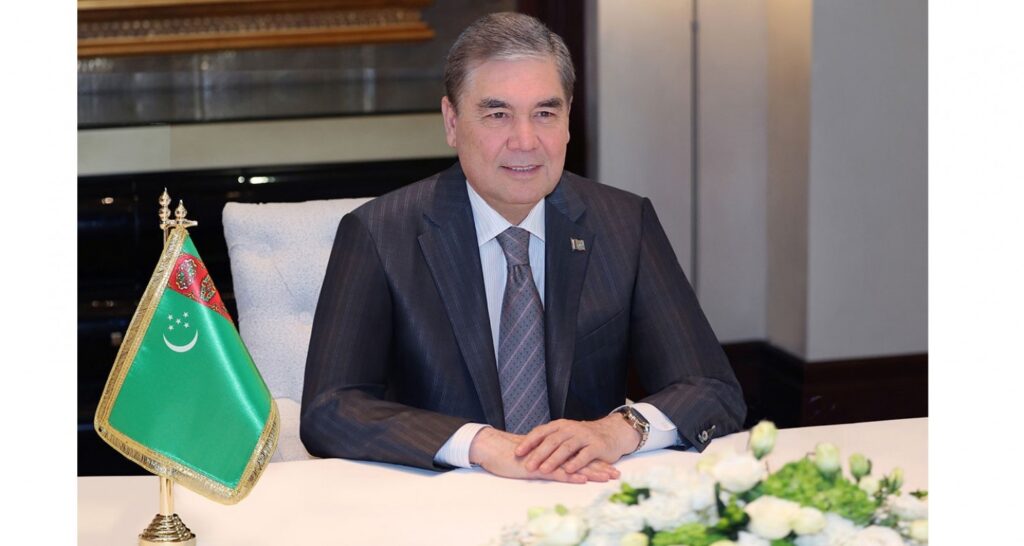
On January 4th and 5th, the National Leader of the Turkmen people, Chairman of the Halk Maslahaty (People’s Council) of Turkmenistan, Gurbanguly Berdimuhamedov made a working visit to the United Arab Emirates.

On the 4th in Abu Dhabi, Berdimuhamedov had a meeting with the President of the UAE, Sheikh Mohamed bin Zayed Al Nahyan, during which they discussed the intensification of bilateral cooperation in a number of promising areas, the Turkmen Foreign Ministry stated. On the second day of the visit, in Dubai, the Berdimuhamedov held a meeting with the Chairman of the Board of Directors of Dragon Oil, Saeed Al Tayer, during which they discussed the possibility of expanding bilateral cooperation, taking into account the accumulated experience of prior joint work and Turkmenistan’s plans for the further development of its fuel and energy sector.

Berdimuhamedov emphasized that the energy policy pursued by Turkmenistan aims at increasing the volume of production and refining of oil and natural gas, as well as exporting more energy resources and finished oil and gas chemical products. For that purpose, Turkmenistan is engaged in the construction of the Turkmenistan-Afghanistan-Pakistan-India (TAPI) gas pipeline, designed to give impetus to the socio-economic development of the entire region. The third stage in the development of Turkmenistan’s giant Galkynyş gas field is expected to become the source for ensuring the supply of natural gas through this pipeline.

Berdimuhamedov invited partners and investors from the UAE to participate in the implementation of new energy projects for the construction of gas pipeline infrastructure intended for the export of Turkmenistan’s natural gas.

During the visit, a Memorandum of Understanding was signed between the State Concern Türkmengaz and the Abu Dhabi National Oil Company (ADNOC), stating the intention of the parties to attract strategic partners for the development of the third stage of the Galkynyş field and their possible participation in the implementation of energy projects related to the construction of gas pipeline infrastructure.
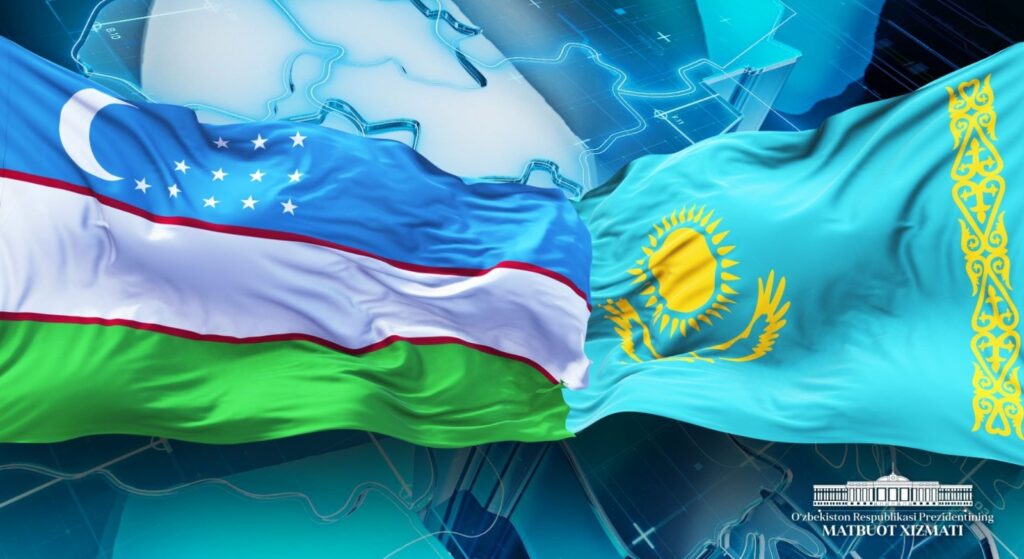
Kazakhstan and Uzbekistan to Increase Bilateral Trade

On January 5th, the Minister of Investment, Industry and Trade of Uzbekistan, Laziz Kudratov met with the Minister of Trade and Integration of Kazakhstan, Arman Shakkaliev in Tashkent.

The officials discussed the implementation of investment agreements and trade contracts signed during the recent visit of the President of Kazakhstan to Uzbekistan, as well as the further development of trade and economic relations and industrial cooperation between the two countries, the Uzbek Ministry of Investment, Industry and Trade said.

The parties noted a growth of bilateral trade, stating that over the past six years, trade turnover has grown almost 2.5-fold from $1.9 billion in 2016 to more than $4.6 billion in 2023. The sides agreed on a number of measures aiming to bring bilateral trade to $10 billion in the coming years.

In particular, they have agreed to establish a joint working group on the removal of barriers to bilateral trade. The parties also expressed readiness to support the activities of a joint foreign trade company, UzKazTrade, which will include an online trading platform for the sale of a wide range of goods in the markets of both countries.

The ministers exchanged views on the development of industrial cooperation, referring to the practical aspects of establishing an International Center for Industrial Cooperation, “Central Asia”. An agreement was also reached on taking joint measures to accelerate the establishment of the center and launching its operations.

Bishkek in Top Ten Cities with Highest Level of Air Pollution

On January 3rd at 18:00, Bishkek entered the top ten cities globally with the highest levels of air pollution, clocking in at number seven according data compiled by AirNow, which reports air quality using the official U.S. Air Quality Index (AQI). According to the website, at this time the city was marked as “unhealthy”, with an aAQI of 158.

An air quality monitoring station has been installed on the territory of the U.S. Embassy in Kyrgyzstan, which updates information every hour. The Air Quality Index is divided into six categories reflecting the level of health hazards. An AQI value above 300 is considered dangerous, whilst a value below 50 is considered good.

Uzbekistan to Improve Efficiency of Water Use in Agriculture

At a government meeting on January 4th, President of Uzbekistan, Shavkat Mirziyoyev listened to proposals aimed at improving the efficiency of water use in agriculture.

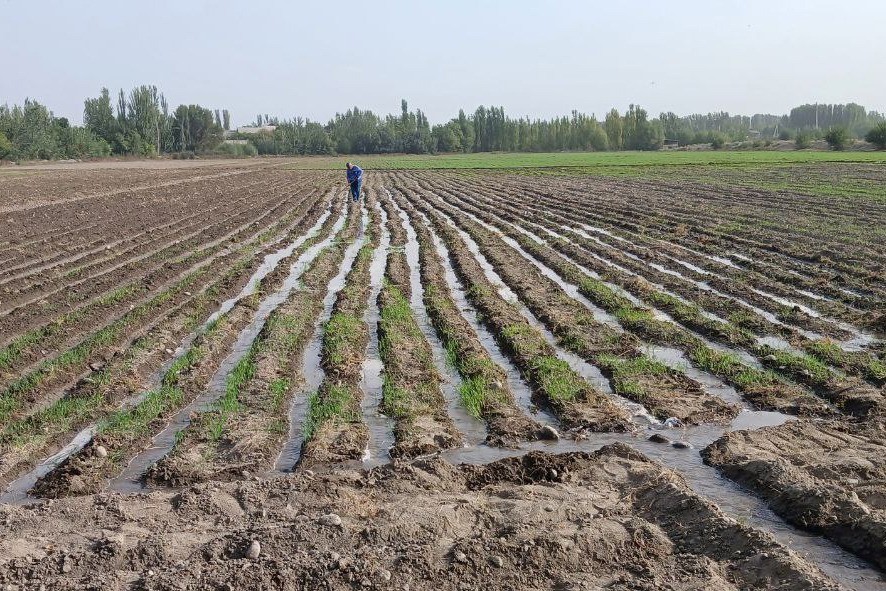
At the meeting it was stated that in the current condition of an increasingly worsening shortage of water resources, special attention needs to be paid to its rational use. In recent years, 472,000 hectares has been converted to using drip irrigation, 48,000 to sprinkler irrigation, and water-saving technologies have been introduced on 97,000 hectares. As a result of these measures, two billion cubic meters of water were saved in 2023 alone, which is equal to the annual consumption of the Bukhara region.

Starting this year, the payment for one cubic meter of water supplied to the field has been set at U$0.008, as the time has come to change the idea that has been established in the minds of many people that water is free, officials said at the meeting.

In this regard, it was proposed to organize settlements with water consumers on a differentiated basis. In particular, from 2025 it is planned that a lower tax coefficient be applied to farmers who have installed water meters and introduced water-saving technologies, and a higher rate be applied to those who have failed to do so.

The meeting also discussed measures to further stimulate the introduction of water-saving technologies, including opening a preferential credit line under which loans will be issued at a rate of 14% for a period of five years with a two-year grace period. Mirziyoyev approved this proposal, and gave instructions for the scope of water conservation work to be expanded.

Independent Media Facing Repression in Tajikistan, Says Watchdog

In Tajikistan, President Emomali Rahmon’s bid to centralize control includes efforts to silence political opponents, human rights activists, and independent voices. Now, Tajikistan’s media is in its “worst state” since the years of the civil war, the Committee to Protect Journalists (CPJ) said in a report released on January 4th.

In the report, entitled “In Tajikistan, independent media throttled by state repression,” the media watchdog said that seven journalists were sentenced to lengthy prison terms in retaliation for their work in 2022 and 2023. Four journalists – Abdullo Ghurbati, Zavqibek Saidamini, Abdusattor Pirmuhammadzoda, and Khurshed Fozilov – received sentences of seven or seven-and-a-half years, whilst Khushom Gulyam received eight years, Daler Imomali ten years, and Ulfatkhonim Mamadshoeva twenty years. The harsh sentences are seen by many as a deeply chilling escalation in the years-long constriction of independent media, the report states.

Only two significant independent media voices now remain in Tajikistan: privately-owned news agency, Asia-Plus, and the U.S. Congress-funded Radio Free Europe/Radio Liberty’s local service, the Czechia-based Radio Ozodi. Both regularly face harassment and threats. Their websites have long been subjected to partial shutdowns by local internet service providers, the CPJ report said.

Asia-Plus has been forced to moderate its content, reducing its political coverage following a May 2022 threat from the authorities to shutter its operations. A handful of other outlets either avoid political topics entirely, or barely function due to lack of funding.

Several local journalists told CPJ that they were forced to self-censor their reporting, and pointed to a “dramatic fall” in the number of critical articles and an increasing tendency for local media to avoid domestic politics in favor of “safe” topics such as culture, sport, and limited international news.

Another big problem the media in Tajikistan faces is its finances. Lacking domestic sources of funding amid a limited advertising market, independent media has been reliant on international donors for years, local journalists told CPJ. Yet in recent times, this source of support has declined significantly, particularly since the start of Russia’s war in Ukraine.

Russian Military to Train Specialists in Tajikistan’s Army

Russian military instructors from the Central Military District of the Russian 201st base in Tajikistan will train 1,000 specialists in the Armed Forces of Tajikistan in 2024, the Russian Ministry of Defense has stated.

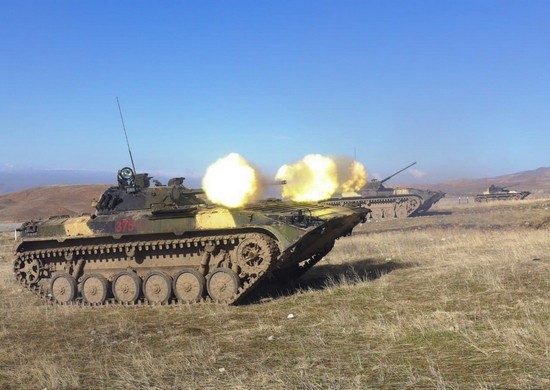
Training will take place in the Lyaur and Sambuli bases in 14 military specialties: driver mechanic and gunner operator of the T-72 tank, crew commander of the BM-21 Grad multiple launch rocket system, gunner of the 2S1 Gvozdika self-propelled artillery gun, gunner of the BTR-80 armored personnel carrier, gunner-operator of the BMP-2 infantry fighting vehicle, reconnaissance officer, grenade launcher, and others, the ministry said.

The 201st military base stationed in Tajikistan is Russia’s largest military facility outside its borders. Located in two cities, Dushanbe and Bokhtar, the bases include motorized rifle, tank, artillery, reconnaissance, and air defense units.

Russian President Vladimir Putin had earlier stated during President Rahmon’s visit to Moscow in November 2023 that Russia and Tajikistan would continue deepening cooperation in defense, military-technical, counterterrorism and antidrug trafficking operations.

“We will continue working to maintain peace and stability in Central Asia. We intend to continue actively using the potential of the 201st Russian military base in Tajikistan,” Putin said at the time.