• KGS/USD = 0.01144 0%
  • KZT/USD = 0.00210 0%
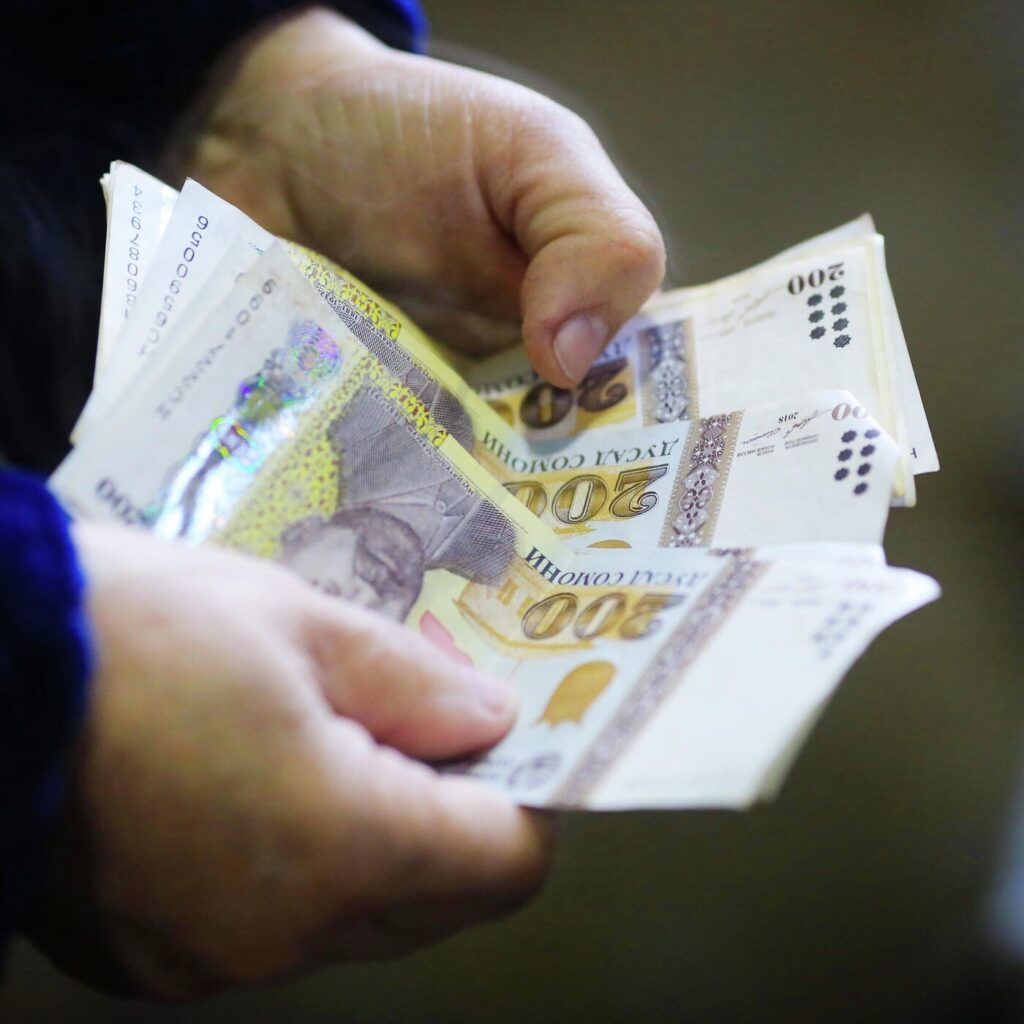
  • TJS/USD = 0.10528 0.19%
  • UZS/USD = 0.00008 0%
  • TMT/USD = 0.28571 0.28%
  • KGS/USD = 0.01144 0%
  • KZT/USD = 0.00210 0%
  • TJS/USD = 0.10528 0.19%
  • UZS/USD = 0.00008 0%
  • TMT/USD = 0.28571 0.28%
  • KGS/USD = 0.01144 0%
  • KZT/USD = 0.00210 0%
  • TJS/USD = 0.10528 0.19%
  • UZS/USD = 0.00008 0%
  • TMT/USD = 0.28571 0.28%
  • KGS/USD = 0.01144 0%
  • KZT/USD = 0.00210 0%
  • TJS/USD = 0.10528 0.19%
  • UZS/USD = 0.00008 0%
  • TMT/USD = 0.28571 0.28%
  • KGS/USD = 0.01144 0%
  • KZT/USD = 0.00210 0%
  • TJS/USD = 0.10528 0.19%
  • UZS/USD = 0.00008 0%
  • TMT/USD = 0.28571 0.28%
  • KGS/USD = 0.01144 0%
  • KZT/USD = 0.00210 0%
  • TJS/USD = 0.10528 0.19%
  • UZS/USD = 0.00008 0%
  • TMT/USD = 0.28571 0.28%
  • KGS/USD = 0.01144 0%
  • KZT/USD = 0.00210 0%
  • TJS/USD = 0.10528 0.19%
  • UZS/USD = 0.00008 0%
  • TMT/USD = 0.28571 0.28%
  • KGS/USD = 0.01144 0%
  • KZT/USD = 0.00210 0%
  • TJS/USD = 0.10528 0.19%
  • UZS/USD = 0.00008 0%
  • TMT/USD = 0.28571 0.28%

President Writes-Off Debts of Tajiktransgaz

The Tax Service of Tajikistan has found that firms and enterprises have debts to the state amounting to over 900 million somoni ($82.5 million). But this notwithstanding, the government has written-off more than 202 million somoni of debts and fines owed by the company, Tajiktransgaz, cancelling debts of 144 million somoni, and fines of 58 million.

Tajiktransgaz is currently an open joint stock company, which was founded in 1959 for the mass supply of liquefied natural gas to the population of Tajikistan. According to the company, Tajiktransgaz does not have the resources to pay.

Mass Die-Out of Seals on the Turkmen Coast of the Caspian Sea

Another mass die-out of seals from an unknown disease has occurred on the Turkmen coast of the Caspian Sea, Radio Azatlyk has reported.

In recent days, experts have found dozens of dead seals, whilst the Turkmen authorities have ordered the military to shoot animals swimming to the shore.

But oceanographers are dissatisfied with the actions of the authorities.

“The state believes that seals are not needed,” said an expert who wishes to remain anonymous. “If these animals are killed, as they do with stray dogs and cats, they will soon disappear. Instead of shooting and destroying seals, the state should increase the number of specialists studying these animals and increase efforts to save them.”

Caspian seals are considered endemic to the Caspian Sea and are listed in the Red Book of Turkmenistan, as well as in the Red Book of the International Union for Conservation of Nature. According to oceanologists, the death of Caspian seals in the winter and spring season every year has become a trend. It is still impossible to say exactly what the cause of the mass die-outs is, since no information has been released about the studies conducted.

But Turkmen oceanologists attribute the main cause of the deaths to be the violation of the ecology of the Caspian Sea, emissions from oil and gas enterprises, regular naval exercises, and an increase in factories in coastal areas.

In August of this year, Turkmen Foreign Minister, Rashid Meredov expressed his concerns about the deteriorating ecology of the Caspian Sea, including the mass death of seals in 1997, 2000, 2021 and 2022. However, no concrete steps have been taken to remedy the issue.

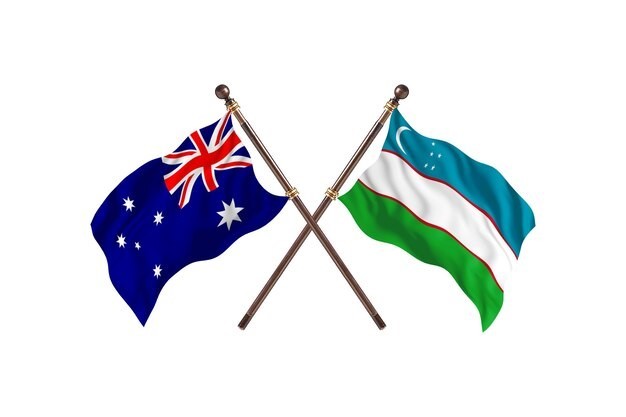
Australian Company to Help Digitalize Gold Mining in Uzbekistan

Australian Company to Help Digitalize Gold Mining in Uzbekistan

A meeting of the plant’s management with a delegation from the Australian company, Micromine took place at the representative office of JSC NMMC in Tashkent. During the meeting, strategic aspects of the digital transformation of NMMC JSC aimed at improving the efficiency and competitiveness of the plant were discussed. Representatives of both sides noted the importance of integrating modern technologies into the company’s current projects in order to optimize processes and increase productivity.

During the meeting, the parties also discussed the prospects for further cooperation, especially in the context of the digital transformation of the enterprise.

It is noted that the use of modern technologies and tools can significantly improve the efficiency of mining operations and reduce the cost of mining.

Micromine is known for its digital solutions for mining, engineering, and the optimization of production processes. It has a wide range of products and services covering almost all mining processes, the report states.


Head of Constitutional Court Addresses Tokayev’s Reforms

The head of the Constitutional Court of the Republic of Kazakhstan has spoken about the implementation of three packages of President Tokayev’s reforms.

A delegation from Kazakhstan took part in UN events dedicated to the 75th anniversary of the adoption of the Universal Declaration on the Protection of Human Rights in Geneva, where they addressed Kazakhstan’s experience in carrying out political and human rights reforms.

The head of the delegation, Chairman of the Constitutional Court, Elvira Asimova spoke about Kazakhstan’s priorities in the human rights sphere, naming these as the protection of children and women, the implementation of the concept of a “listening state,” digitization, and increasing the active role of civil society in the field of human rights protection.

At a special event hosted by human rights NGOs, Asimova reported on the implementation of three packages of President Tokayev’s reforms and on his Decree “On the Action Plan in the field of human rights and the rule of law.”

“Today’s global challenges require the development of global solutions and the ability to respond correctly to current events. In this regard, it should be noted that almost all the delegations with whom we met on the sidelines of the event highly appreciate the reforms being carried out in Kazakhstan. And they welcome the adoption by the head of state on December 8th of the Action Plan in the field of human rights,” Asimova said.

The document consists of nine sections containing 41 points, from strengthening gender equality and combating domestic violence, to protecting citizens in the field of criminal justice. For the first time in Kazakhstan, the experience of a human rights organization was included in this list.

Zhemis Turmagambetova, Executive Director of the Charter for Human Rights Foundation stated that “This year, I conducted the first part of the project to create a ‘Dialogue Police.’ In times of peaceful gatherings and marches and informal associations of citizens on various issues, the police will conduct a dialogue. It is necessary to involve representatives of government agencies there. This is a great support for the actions of the non-governmental sector and civil society. Because everything at a legislative level and at a practical level should be applied by all legislators and all government agencies.”

On the sidelines of the forum, the Commissioner for Human Rights of Kazakhstan, Artur Lastaev, together with the Global Alliance of National Human Rights Institutions and UNDP, held a discussion on the contribution of national human rights institutions to the implementation of UN Sustainable Development Goals.

“Over the past few years, very serious steps have been taken to strengthen both the institution of the Commissioner for Human Rights and, in general, regarding the implementation of international standards into national legislation,” Lastaev said. “A lot of people say that these are the reforms of President Tokayev. These reforms have already acquired a household name. In this regard, we really have something to be proud of. There are concrete results. If we take the fight against torture, 42 people have been involved in this year alone.”

In turn, Eamon Gilmore, the EU Special Representative for Human Rights, noted that the EU attaches great importance to relations with all Central Asian countries, and especially with Kazakhstan.

Central Asia’s Growing Economic and Strategic Importance Comes to Fore

The Central Asian region has experienced a tremendous economic transformation since the beginning of the century. Its aggregate gross domestic product (GDP) now totals $397 billion, growing 8.6-fold since the year 2000. Its share in global GDP in purchasing power parity (PPP) has also increased 1.8 times. The GDP per capita has tripled as the labor pool has grown to almost 80 million, representing a 1.4-fold increase since 2000. The region’s strategic importance, particularly thanks to its geographic position bridging major economies of Europe and Asia, makes it a key player in geopolitical dynamics.

Central Asia’s dependence on commodity exports and remittances has so far limited its integration into global value-chains. The Central Asia Regional Economic Co-operation (CAREC) Program, established by the Asian Development Bank (ADB), plays an important role in fostering regional development and co-operation. CAREC includes the five Central Asia countries (namely Kazakhstan, Kyrgyzstan, Uzbekistan, Tajikistan and Turkmenistan) plus Afghanistan, Azerbaijan, China, Georgia, Mongolia and Pakistan.

CAREC also partners with five multilateral international institutions in addition to the ADB (which serves as its Secretariat). These are the European Bank for Reconstruction and Development (EBRD), International Monetary Fund (IMF), Islamic Development Bank (IsDB), United Nations Development Program (UNDP) and the World Bank (a.k.a. International Bank for Reconstruction and Development or IBRD).

The Program has constructively helped the countries of Central Asia to address challenges in trade governance. Nevertheless, inefficiencies in cross-border transport and customs procedures continue to hinder their commercial exchanges with one another as well as with external partners. CAREC’s current policy-implementation priorities are integration of regional trade, digitization, climate change, regional co-operation, development of financial technologies and financing in the water sector.

There is still significant potential for further development given that the region’s trade within itself has been growing faster than its foreign trade. Enhancing Central Asia’s role in the global economy will require the implementation of co-operative initiatives already identified, especially in infrastructure. Such construction of new physical plants, as well as the renovation and building-out of those that already exist, is crucial for enhancing economic growth and sustainability. This strategy will leverage the region’s strengths such as its strategic location and resource endowments.

In 2023, Central Asia’s economic growth is projected to remain relatively steady at 3.9 percent, but this may still be affected by the global challenges of weak external demand, rising inflation and supply-chain disruptions. These global economic conditions, along with the uncertainties that they engender, reflect continuing burdens of the ongoing post-COVID recovery as well as the effects of the war in Ukraine, which significantly impacts the region.

In addition to the ADB, the IBRD also focuses on various development initiatives in Central Asia that aim to support regional infrastructure development and the strengthening of cross-border co-operation. These are implemented through relatively low-profile initiatives such as the Central Asia Water and Energy Program (CAWEP) to enhance energy and water security and the Central Asia Hydrometeorology Modernization Project (CAHMP) to improve weather, climate and hydrological services. The IBRD thus aims to increase the region’s resilience to global challenges and to facilitate sustainable economic growth.

Given Central Asia’s strategic location between major economic centers, connectivity is a clear priority for its economic development. Efforts to enhance regional connectivity have focused on improving physical and digital infrastructure. Both are necessary for integrating Central Asia into global supply chains and leveraging its transit potential.

In this context, the EU–Central Asia Connectivity Conference, held in Uzbekistan in November 2022, focused on initiatives to build robust transport networks and digital links. The increasing volume of container transit via traditional and new routes, such as the Trans-Caspian International Transport Route, testifies to the region’s growing role as a transit hub.

Central Asia’s future is inextricably linked to its key location in Eurasia and its success in overcoming current development challenges. The latter are shaped not only by the region’s geographical situation, but also its increasing population and growing economic promise. Central Asian economies are poised to gain substantially from increased mutual co-operation and integration into global value-chains. However, for growth to continue reliably, it is necessary to overcome structural hurdles, especially regarding financial-sector development and efficient resource management (particularly with regards to water and energy).

On this path, Central Asian countries are already undertaking coordinated efforts to upgrade transport infrastructure, tackle climate change impacts and pursue renewable-energy initiatives. Still, the region needs to further bolster its economic resilience and to mitigate its susceptibility to external fluctuations. Accomplishing these goals means addressing inefficiencies in crucial sectors and diversifying both production and export strategies.

Given the changing context of global geo-economics, Central Asia’s open and mutually beneficial co-operation is more important than ever. Its growth until now arguably places the region at an inflection-point, ready to make a significant developmental leap. Effective regional collaboration and active participation in international trade and investment is well assisted by international institutions. On that basis, Central Asia gradually becoming an autonomous driving force of its own development is the key to a stable guarantee for its continued growth.

Sentences Handed to Six Individuals in FSB Building Terror Plot Case

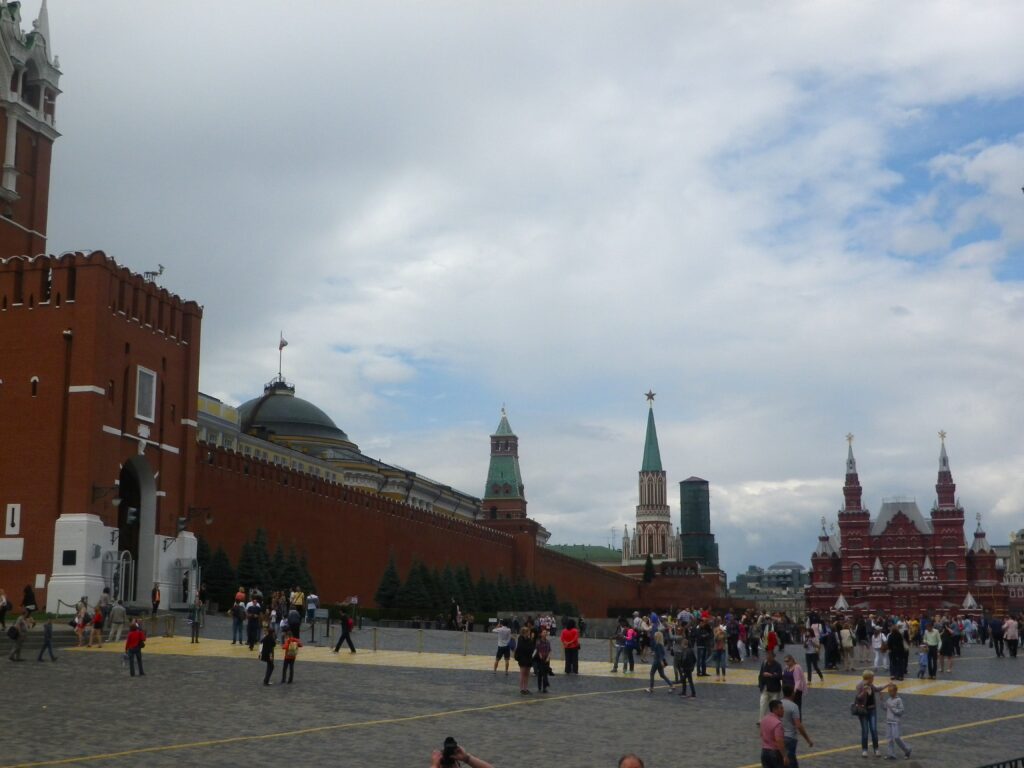
In a recent development concerning the case of plotting an explosion in the FSB building on Lubyanka, a Moscow court has handed down sentences ranging from 16 to 22 years in prison to five Tajiks and one Dagestani. The severity of the verdict echoes the gravity of their involvement in planning a terrorist attack in May 2022.

The individuals sentenced include citizens of Tajikistan—Manuchehr and Rajabali Buriev, Abdumalik Samiev, Samandar Toshmurodov, and Abdukodir Toirov—alongside Russian-born Gadzhimurad Gasanaliev.

Fines ranging from 600,000 to a million rubles were imposed on all the defendants by the court. The legal process further extends from a previous ruling by the Moscow Regional Military Court, which sentenced the same six individuals to prison terms between 12 to 18 years for planning a terrorist attack and illegal possession of explosives, among other charges.

While four of the accused admitted guilt, two pleaded partially guilty during the trial. Investigative reports revealed the defendants’ intentions to detonate a bomb inside a minibus in the Moscow suburb of Lyubertsy in 2016. Additionally, authorities claimed their allegiance to the extremist group Islamic State (IS), intending to join IS militants in Syria post the planned attack.

This case reflects a larger concern regarding individuals from Russia and former Soviet republics joining extremist groups in conflict zones like Syria and Iraq. Rights activists in Russia have raised concerns about the treatment and legal representation of migrants from Central Asian states, citing inadequate protection against unjust treatment by authorities.

As the legal proceedings unfold, this case stands as a stark reminder of the vigilance required to counter terrorism and the ongoing challenges surrounding effective legal representation and protection for individuals involved in such cases.