• KGS/USD = 0.01144 0%
  • KZT/USD = 0.00193 -0%
  • TJS/USD = 0.10811 -0.28%
  • UZS/USD = 0.00008 0%
  • TMT/USD = 0.28490 0%
  • KGS/USD = 0.01144 0%
  • KZT/USD = 0.00193 -0%
  • TJS/USD = 0.10811 -0.28%
  • UZS/USD = 0.00008 0%
  • TMT/USD = 0.28490 0%
  • KGS/USD = 0.01144 0%
  • KZT/USD = 0.00193 -0%
  • TJS/USD = 0.10811 -0.28%
  • UZS/USD = 0.00008 0%
  • TMT/USD = 0.28490 0%
  • KGS/USD = 0.01144 0%
  • KZT/USD = 0.00193 -0%
  • TJS/USD = 0.10811 -0.28%
  • UZS/USD = 0.00008 0%
  • TMT/USD = 0.28490 0%
  • KGS/USD = 0.01144 0%
  • KZT/USD = 0.00193 -0%
  • TJS/USD = 0.10811 -0.28%
  • UZS/USD = 0.00008 0%
  • TMT/USD = 0.28490 0%
  • KGS/USD = 0.01144 0%
  • KZT/USD = 0.00193 -0%
  • TJS/USD = 0.10811 -0.28%
  • UZS/USD = 0.00008 0%
  • TMT/USD = 0.28490 0%
  • KGS/USD = 0.01144 0%
  • KZT/USD = 0.00193 -0%
  • TJS/USD = 0.10811 -0.28%
  • UZS/USD = 0.00008 0%
  • TMT/USD = 0.28490 0%
  • KGS/USD = 0.01144 0%
  • KZT/USD = 0.00193 -0%
  • TJS/USD = 0.10811 -0.28%
  • UZS/USD = 0.00008 0%
  • TMT/USD = 0.28490 0%
10 December 2025

Tajik Cotton Exports to Iran Reach Record Levels

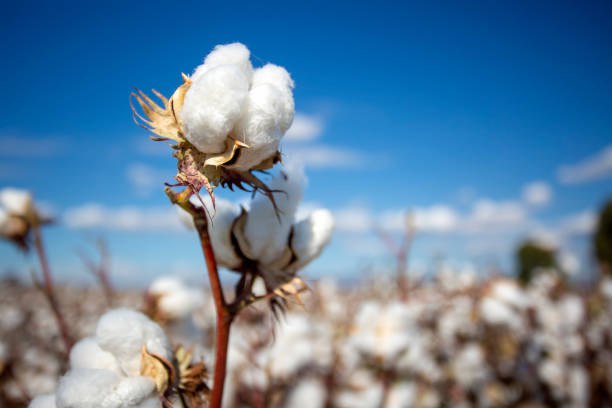
Since the start of 2025, Iran has imported more than 30,000 tons of cotton fiber from Tajikistan, accounting for over 83% of the country’s total foreign sales of this product. The value of these exports has reached $45.7 million.

Geography and Structure of Exports

Khurshed Zuhurzoda, First Deputy Director of the Tajikistan Export Agency, said Iran’s demand is driven by a shortage of raw materials for its domestic textile industry.

According to the Iranian Cotton Fund, the country’s annual cotton demand stands at around 180,000 tons, while domestic production meets only 70,000-80,000 tons. Geographic proximity and the high quality of Tajik fiber have made it one of Iran’s primary import sources.

From January to June 2025, Tajikistan exported 36,300 tons of cotton fiber worth $54.6 million to foreign markets. Of this, more than 30,900 tons, 83.61% in both value and volume, went to Iran. Other buyers included Russia ($4 million), Turkey ($1.97 million), Pakistan ($1.1 million), and China ($286,000).

The Khatlon region was the largest domestic supplier, providing $29.6 million worth of exports (54.22%), followed by Sughd with $25 million (45.78%). The average export price per ton was $1,506.

Negotiations on Expanding Cooperation

On July 30, during the 10th Consultation of the Ministers of Agriculture of Shanghai Cooperation Organisation (SCO) member states in China, Tajik Agriculture Minister Kurbon Hakimzoda met with Iranian Agriculture Minister Gholamreza Nouri.

Talks covered topics ranging from cotton supplies to the introduction of smart farming systems. Priorities included food security, development of greenhouse complexes, fish farming, organic agriculture, digital technologies, internationally accredited laboratories, climate change adaptation, and joint projects for product processing and packaging.

Nouri emphasized that strengthening agricultural ties with neighboring countries is a strategic priority for Iran. Hakimzoda, in turn, noted “satisfactory progress” in implementing existing agreements.

Prospects: Moving from Raw Cotton to Value-Added Exports

Tajikistan forecasts raw cotton production to grow from 422,000 tons in 2026 to 437,000 tons in 2028. Cotton fiber output is projected at 150,000 tons, while yarn production will increase from 49,000 to 54,000 tons.

The government’s export strategy aims to gradually reduce unprocessed cotton exports, from 72,000 tons in 2026 to 56,000 tons in 2028, while boosting yarn exports from 14,000 to 18,000 tons.

Agricultural expert Bakhodur Khaito said this shift could alter trade arrangements with Iran.

“With a reduction in direct fiber supplies, Dushanbe could offer Tehran more yarn, develop joint ventures, localize processing, and promote finished products to third markets,” he noted.

Kyrgyzstan Urges Farmers to Expand Fodder Crop Cultivation

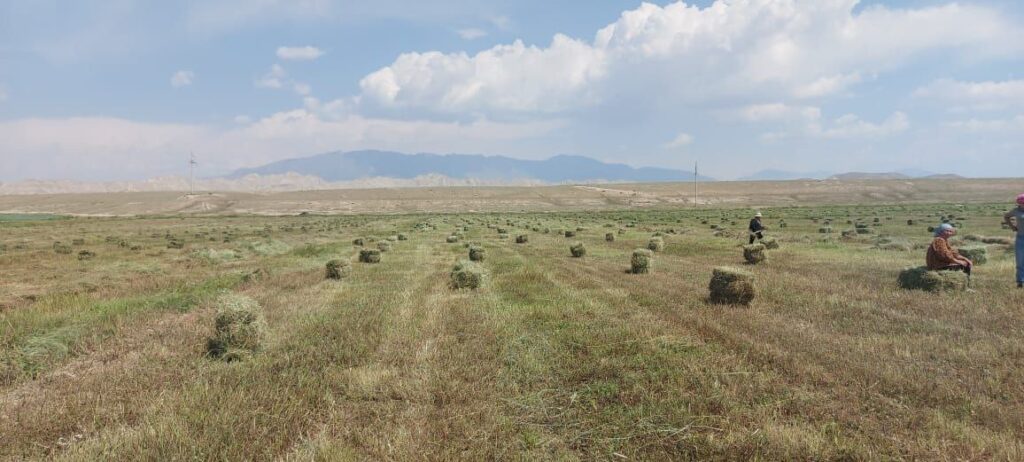
The Kyrgyz Ministry of Water Resources, Agriculture, and Processing Industry has called on farmers to actively plant corn, soybeans, sorghum, and other fodder crops for animal feed. The appeal was published on the ministry’s website.

According to the ministry, these crops are used to produce green fodder for livestock during the winter months, when pastures are bare. This practice is particularly important in regions with developed livestock farming.

Naryn region, for example, is the coldest in the country but also a leader in livestock production. Experts say expanding fodder crop cultivation would strengthen the sector’s resilience, boost meat and dairy output, and support overall agricultural growth.

The ministry noted that each autumn, prices for hay and feed rise sharply due to shortages. In Chui region, many farmers prefer to grow alfalfa to fatten livestock. Alfalfa is also used for hay bales, but it is highly water-intensive. Given Kyrgyzstan’s limited water resources and reliance on flood irrigation, this can lead to disputes between farmers.

While alfalfa remains popular, the ministry stressed that it is not suitable for all regions.

As The Times of Central Asia previously reported, Kyrgyz authorities recently imposed price controls on meat amid growing exports to neighboring countries. One of the factors behind the price hikes was a shortage of animal feed.

Kazakhstan Plans to Boost Agricultural Exports to Serbia

Kazakhstan plans to expand agricultural exports to Serbia, as discussed at the fourth meeting of the Kazakh-Serbian Intergovernmental Commission (IGC) held in Almaty late last week.

Co-chair of the IGC, Deputy Prime Minister and Minister of National Economy Serik Zhumangarin, said agriculture is one of the most promising areas of bilateral cooperation, along with healthcare, tourism, science, biotechnology, education, and culture. In the first half of 2025, trade in agricultural products between the two countries rose 1.5 times, reaching $4 million. Kazakhstan aims to increase supplies of grains and legumes, vegetable oils, fish, meat, and dairy products.

Deputy Minister of Agriculture Yermek Kenzhehanuly noted that the European Commission has approved requirements for the export of Kazakh fish products to EU countries, with 20 enterprises now authorized to supply pike perch fillets and other fish. In February, Kazakhstan also received permission to export honey to the European Union, and four major producers are ready to begin shipments. Work is ongoing to open access to the EU market for aquaculture products and horse meat.

Kazakhstan has proposed joint investment projects in the processing of livestock and crop products. Scientific cooperation was also identified as a promising area, including training specialists in breeding and seed production, conducting field trials of grain, oilseed, and vegetable crops across various regions, plant hybridization, and producing biopesticides.

According to the Ministry of Agriculture, food production in Kazakhstan has grown 1.4 times over the past three years, from KZT 2.3 trillion ($4.2 billion) in 2021 to KZT 3.3 trillion ($6.1 billion) in 2024. In the first half of 2025, gross agricultural output totaled KZT 1.8 trillion ($3.3 billion), 3.7% higher than the same period last year. Food production rose by 10%, while beverage production increased by 5%.

Exports of agricultural products grew 1.3 times, from $3.8 billion to $5.1 billion. Investments in fixed assets in agriculture increased 1.2 times to KZT 919 billion ($1.7 billion), while investments in food production rose from KZT 118.3 billion to KZT 180.3 billion (from $220 million to $333 million). Labor productivity in the sector reached KZT 5 million ($9,200) per employee, up from KZT 3.4 million ($6,300) in 2021.

State support has led to a doubling of fertilizer use from 626,000 tons to 1.3 million tons, an increase in the renewal rate of agricultural machinery from 4.3% to 5.5%, a 1.38-fold rise in the yield of grain and legumes from 11.0 to 15.2 cwt/ha, a 1.82-fold increase in land cultivated with water-saving technologies to 470,100 hectares, a 10% rise in cattle numbers to 4.3 million head, and a 17.3% increase in small ruminants to 11.6 million head.

As previously reported by The Times of Central Asia, in January, Minister of Agriculture Aidarbek Saparov met with Russian Agriculture Minister Oksana Lut in Moscow to discuss lifting restrictions on the import and transit of agricultural products and boosting Kazakh food exports to Russia.

South Caucasus Peace Push Faces Political and Regional Roadblocks

This past weekend, discussion of the “historic joint declaration for peace” was nearly impossible to avoid. Optimism ran high, with many expressing hope that peace and cooperation might finally take hold in the South Caucasus. But how realistic is that vision?

What was signed in Washington on August 8, 2025, was not a binding treaty but a declaration of intent. That is a meaningful step, but for now it remains a symbolic document. Turning it into lasting peace will require a full treaty with specific commitments. One major hurdle is Armenia’s constitution, which still contains territorial claims to land recognized as part of Azerbaijan. Amending this will be politically difficult.

The day after the signing, the opposition Armenian Revolutionary Federation (ARF) issued a sharply critical statement. It accused the declaration of harming Armenia’s sovereignty, legitimizing an Azerbaijani-favored corridor, and violating Armenia’s territory. The ARF demanded the withdrawal of Azerbaijani forces, the release of Artsakh’s political prisoners, and guarantees for the safe return of displaced Armenians. Of the 69 seats in Armenia’s parliament, 28 belong to the “Armenia” faction, 15 of them held by ARF members, giving the party significant influence over this debate.

Azerbaijani President Ilham Aliyev has also said that the wording of Armenia’s constitution blocked the signing of a treaty in Washington.

Alongside the declaration, the leaders of Armenia and Azerbaijan signed economic agreements with the United States to boost trade, transit, energy, infrastructure, and technology in the South Caucasus. Yet these too face obstacles. Iranian official Ali Akbar Velayati vowed to prevent the creation of an “American corridor” in the region and rejected reports of a US-Armenian lease deal for land along Iran’s border, warning it would become “a graveyard for the mercenaries of Donald Trump.”

Proponents argue that if such a corridor opens, it could strengthen the Trans-Caspian International Transport Route. However, no study has yet confirmed whether the 43-kilometer stretch in question could handle a major traffic increase.

After a weekend of high expectations, political realities have brought a more cautious mood.

The week ahead promises further developments. President Trump has  announced a meeting with Russian President Vladimir Putin in Alaska. Some reports claim Putin has proposed a Ukraine ceasefire in exchange for significant territorial concessions and recognition of Russia’s claims.

In response, European leaders issued a joint statement affirming Ukraine’s right to decide its own future, calling for robust security guarantees, and insisting that any peace process must begin with a ceasefire or reduced hostilities. Ukrainian President Zelensky reiterated that the constitution already answers the territorial question and that no land will be surrendered.

Diplomatic exchanges have been intense. Kazakh President Kassym-Jomart Tokayev spoke with both Zelensky and Aliyev, urging a balanced approach and recalling the saying that “a bad peace is better than a good war.” Putin called the president of Tajikistan, and Zelensky spoke again with Aliyev. Behind the brief official readouts lies a broader search for ways forward.

International politics is a delicate process, and disputes built over decades or centuries are not solved quickly. Time will tell whether this declaration marks the start of true peace or just another step in a long and difficult journey.


Kazakhstan Showcases Middle Power Role in Washington D.C.: Kazakh Ambassador Ashikbayev Spreads the Message

Like it or not, the world is moving away from unipolar dominance and entering an era of multipolarity where national interests increasingly counter the globalist ambitions of some major powers. In this evolving landscape, as the major powers adjust to new geopolitical realities, an increasing number of states are becoming more comfortable operating autonomously as sovereign nations. Against this backdrop, Kazakhstan is emerging as a middle power, conscious all the same of the risks associated with remaining neutral in the oft-times bitter rivalries between major powers.

Over the past twenty years, Kazakhstan has consistently signaled that it will not be drawn into the strategic maneuverings of foreign powers, instead pursuing its own national interests in a measured fashion – rather like the other Central Asian states – so as not to undermine regional stability.  Accordingly, Astana offers good offices to foster dialogue and reconciliation among countries and blocs affected by conflict and/or heightened strategic competition.

Murat Nurtleu, Kazakhstan’s Foreign Minister, underscores just that point: “In this era of geopolitical competition, Kazakhstan’s role as a bridge between East and West is more vital than ever.” These words not only highlight Kazakhstan’s confidence and expanding role as a rising middle power but aim to mitigate the potential consequences of great power overreach, whether in Central Asia or elsewhere.

In a recent interview in Washington DC with this writer, Ambassador Yerzhan Ashikbayev of Kazakhstan to the United States elaborated: “Kazakhstan is a middle power, which means, broadly speaking, a country that holds an influential position in the international system, especially in Eurasia. Maintaining peaceful relations with our neighbors – major, middle, and minor powers – is a top priority for us. We work to shape outcomes beyond our own borders, keeping in mind our national interests, always fostering friendly and mutually beneficial ties – a modus vivendi – with our neighbors.”

It is well-known that Astana’s global diplomatic strategy prioritizes fair trade and aims to strengthen inter-regional economic ties – especially in transport, logistics, finance, and communications. It views economic development – with an emphasis on building an economically stable middle class across ethnicitiesas key to national unity and regional stability. It is less known that Kazakhstan, in its diplomatic pragmatism, winces at unequal power relations, preferring to focus on long-term equity outcomes over short-term efficiency in matters of economic development.

Ambassador Ashikbayev emphasizes that “Kazakhstan’s foreign policy opens space where dialogue can flourish. Guided by pragmatism, we will concentrate on practical matters like communication, quality investment flows, fair commerce, energy, and critical minerals.” He insists that “for the international system to flourish, it should function well for all, promoting peace and the common good for the majority. That is what we export – peace.”

U.S. Secretary of State Marcio Rubio also emphasizes the need to keep peace front and center: “President [Trump] wants to end wars.  He’s not a fan of wars.  He thinks wars are a waste of time and a waste of lives.  And we’re going to continue to do everything we can and engage in every productive way possible to bring an end to [the Russo-Ukrainian] war.”

Ashikbayev agrees: “On the issue of peace, President Tokayev prioritizes peace. Kazakhstan believes that peace is possible, when grounded in the principles of equality of nations, national sovereignty, non-interference, mutual respect, and a non-zero-sum vision of geoeconomics.”

Reform of the United Nations

Kazakhstan is not alone in calling for reform of the United Nations, and particularly the Security Council.  Various middle powers share Astana’s concern about the lopsided representation of the major powers in international institutions and global decision-making. 

That said, Kazakhstan has made it clear at the U.S. Department of State and on Capitol Hill and in other world capitals that while it speaks and acts only for itself, it stands in solidarity with other landlocked and resource-dependent countries seeking fairer access to markets and technology.  In this context, the current international trade architecture must enable states to better protect core domestic industries while pursuing fair trade – in contrast to distorted trade and unchecked capital flows. This speaks to a broader ambition — to build not simply connections but regional innovation hubs that can flourish without relying solely on great power patronage.

Ashikbayev emphasizes that “constructive diplomacy is not some rhetorical gimmick; it is a call for a more rational and secure operating space. Current global norms for conflict resolution – even in geoeconomics – have left a dangerous vacuum in diplomatic initiatives, one where confrontation seems to be the preferred method of conflict resolution rather than rationality, tolerance, and compromise.”

Recent developments highlight the mounting international focus on Central Asia, with a push for a strengthened global orientation, including the UN. This past week, UN Secretary-General António Guterres, for example, dropped in on Kazakhstan to inaugurate the new U.N. Regional Center for Sustainable Development Goals, which will serve Central Asia and Afghanistan.  Guterres then travelled to Turkmenistan, a sign that Ashgabat is increasingly open for business but that’s the subject for another story.  

While the great powers will continue to maintain a leading position in the international order, it is highly likely that middle powers will assume a more prominent role in shaping innovation, mitigating rivalries, and pushing forward a more cooperative global framework in the future. Through a focus on compromise and pragmatic dialogue bereft of ideological sermonizing, Kazakhstan wants to project measured diplomatic optimism – its variant of the Central Asian school of diplomacy – that emphasizes constructive business-like teamwork in a world in transition.

Kazakhstan: Two Bodies Recovered from Lake Where Military Chopper Crashed

Search teams, including divers, have recovered two bodies from a lake in Kazakhstan where a military-operated helicopter crashed more than two weeks ago, the Ministry of Defense said Sunday.

“Currently, an identification procedure is being carried out with the participation of competent authorities,” the ministry said on Telegram. It said the search operation was being conducted “around the clock” and involved personnel and resources from multiple government ministries and agencies. Authorities have said three people were on the chopper.

Kazakhstan’s Ministry of Emergency Situations launched an intensive search and rescue operation after the EC145 helicopter was reported missing on July 25 in the area of Otar, a village west of Almaty. Satellite detection methods spotted oily water on Lake Sorbulak, about 40 kilometers northwest of Almaty, and searchers quickly found aircraft debris believed to belong to Kazakhstan’s Air Defense Forces.

Searchers have used echo sounders as well as aerial and underwater drones in the operation.

The Eurocopter EC145 is a twin-engine, light utility aircraft.