• KGS/USD = 0.01144 0%
  • KZT/USD = 0.00194 0%
  • TJS/USD = 0.10879 -0.18%
  • UZS/USD = 0.00008 0%
  • TMT/USD = 0.28490 0%
  • KGS/USD = 0.01144 0%
  • KZT/USD = 0.00194 0%
  • TJS/USD = 0.10879 -0.18%
  • UZS/USD = 0.00008 0%
  • TMT/USD = 0.28490 0%
  • KGS/USD = 0.01144 0%
  • KZT/USD = 0.00194 0%
  • TJS/USD = 0.10879 -0.18%
  • UZS/USD = 0.00008 0%
  • TMT/USD = 0.28490 0%
  • KGS/USD = 0.01144 0%
  • KZT/USD = 0.00194 0%
  • TJS/USD = 0.10879 -0.18%
  • UZS/USD = 0.00008 0%
  • TMT/USD = 0.28490 0%
  • KGS/USD = 0.01144 0%
  • KZT/USD = 0.00194 0%
  • TJS/USD = 0.10879 -0.18%
  • UZS/USD = 0.00008 0%
  • TMT/USD = 0.28490 0%
  • KGS/USD = 0.01144 0%
  • KZT/USD = 0.00194 0%
  • TJS/USD = 0.10879 -0.18%
  • UZS/USD = 0.00008 0%
  • TMT/USD = 0.28490 0%
  • KGS/USD = 0.01144 0%
  • KZT/USD = 0.00194 0%
  • TJS/USD = 0.10879 -0.18%
  • UZS/USD = 0.00008 0%
  • TMT/USD = 0.28490 0%
  • KGS/USD = 0.01144 0%
  • KZT/USD = 0.00194 0%
  • TJS/USD = 0.10879 -0.18%
  • UZS/USD = 0.00008 0%
  • TMT/USD = 0.28490 0%
15 December 2025

What’s Behind the Rising Infertility Rates in Kazakhstan?

The number of people diagnosed with infertility in Kazakhstan has nearly tripled over the past five years, according to a recent study by Finprom.kz. While the numbers are stark, experts say the increase reflects improved diagnostics and wider access to reproductive healthcare rather than a sudden rise in medical infertility.

Threefold Increase in Five Years

According to data from the Ministry of Health, cited in the “Kazakh Families – 2024” report by the Institute for Social Development, the number of patients officially diagnosed with infertility rose from around 10,000 in 2019 to 29,200 by mid-2024. Nearly all of these cases involve women; only 102 men are recorded.

The sharpest increases occurred in 2021 and 2022, with patient numbers rising by 51.8% and 49.7% respectively. Analysts attribute much of this growth to the state-funded Aңsaғan Sәbi (“Longed-for Child”) program, which offers around 7,000 quotas annually for in vitro fertilization (IVF). To qualify, couples must first be registered at a medical facility, which has incentivized greater diagnostic activity.

Geographic and Gender Disparities

The highest official incidence is in Almaty (4,200 cases), followed by Astana (2,600) and the Zhambyl region (2,500). Experts caution that these figures likely reflect differences in diagnostic availability and public awareness, rather than actual regional variation in infertility rates.

Men remain drastically underrepresented in official statistics. For instance, 39 men are registered in the Zhambyl region, compared to just three in the more populous Turkestan region. In four regions, North Kazakhstan, Zhetysu, Pavlodar, and Astana, there is no available data on male patients. Experts attribute this to a lack of andrological screening and persistent cultural taboos.

Yet at the XIV International Congress of Reproductive Medicine in Almaty, it was noted that male factors account for up to 40% of infertility cases requiring assisted reproductive technologies (ART). In 2024, just one IVF clinic in Kazakhstan treated approximately 2,000 men for andrological conditions and performed surgeries on 1,500 of them.

IVF Program Success and Medical Tourism

Kazakhstan’s IVF sector has seen major advances. Over the past 30 years, ART procedures have resulted in the birth of 39,000 children in the country, 11,000 of them under the state program. The first IVF laboratory in Kazakhstan was established in 1994.

Success rates for ART in Kazakhstan have risen from 12% to 42%. Some private clinics report rates as high as 54%, while the national “take-home baby” rate, the percentage of live births per IVF cycle, stands at approximately 30%. These achievements, along with competitive costs, have turned Kazakhstan into a regional hub for fertility treatment.

Analysts from the Institute for Social Development also link rising IVF demand to the post-pandemic surge in medical screenings, as many women delayed care during COVID-19 lockdowns. But broader social shifts are also at play.

Reproductologists note a growing trend toward delayed marriage and childbirth. As ovarian reserves typically begin to decline after age 35, this delay contributes to fertility challenges. In response, the practice of social egg cryopreservation is becoming increasingly popular as a proactive measure.

While infertility affects an estimated 17% of couples in Kazakhstan, a rate consistent with global averages, experts emphasize that an effective response requires more than medical infrastructure. Cultural attitudes, particularly surrounding male infertility, remain a barrier to early diagnosis and treatment.

A growing number of healthcare professionals, policymakers, and advocates are calling for a comprehensive strategy that combines prevention, public education, and accessible treatment to address the full scope of the issue.


Kyrgyz PM Highlights Belt and Road as Strategic Priority

Kyrgyzstan regards China’s Belt and Road Initiative (BRI) as a strategic pillar of bilateral cooperation aimed at modernizing infrastructure and attracting investment, Prime Minister Adylbek Kasymaliyev said during a panel session on BRI prospects at the 2025 Summer Davos in Tianjin on June 24.

“In today’s geopolitical climate, marked by tension, uncertainty, and international fragmentation, the Belt and Road Initiative remains a vital platform for global cooperation,” Kasymaliyev stated.

He emphasized that Kyrgyzstan was one of the first countries to support and actively participate in the initiative, which was launched 12 years ago and has since expanded to include numerous countries worldwide. Many of these nations, he noted, are already experiencing the tangible benefits of BRI-related cooperation.

Five Pillars of Engagement

Kasymaliyev outlined five strategic areas in which Kyrgyzstan is cooperating with China under the BRI framework:

Transport Connectivity

“Kyrgyzstan is ready to leverage its geographic location and transit potential to become a key logistics hub linking Asia and Europe,” he said. The construction of new transport corridors under the BRI is central to this vision, particularly in enhancing Eurasian connectivity.

Trade and Economic Cooperation

Kasymaliyev called for deeper trade and investment ties. He positioned Kyrgyzstan as a potential gateway for Chinese and other foreign investors to access markets in both the Eurasian Economic Union (EAEU) and the European Union.

Financial Sector Development

Highlighting ongoing reforms, he noted that Kyrgyzstan’s financial sector, including its capital market, is undergoing active development.

Digitalization and Innovation

Kyrgyzstan supports the development of the Digital Silk Road and is home to a high technology park offering favorable conditions for resident companies engaged in digital and tech innovation.

Energy Cooperation

Kasymaliyev pointed to ongoing and planned energy initiatives, including renewable energy projects, as a key area for future collaboration.

“Kyrgyzstan remains committed to the principles of the Belt and Road Initiative, which is gaining even greater relevance in today’s complex global environment,” he concluded.

High-Level Bilateral Dialogue

Also on June 24, Kasymaliyev held talks with Chinese Premier Li Qiang. The Chinese premier reaffirmed Beijing’s commitment to aligning its development strategy with Kyrgyzstan’s and urged continued progress on interconnection projects, most notably the long-discussed China-Kyrgyzstan-Uzbekistan railway.

Kazakhstan Launches Sweeping Reform of Law Enforcement System

President Kassym-Jomart Tokayev has announced a major reform of Kazakhstan’s law enforcement system, signaling a new phase in his broader political modernization agenda. Experts view the initiative as a natural progression of his previous institutional reforms.

Crime Rates Decline, But Challenges Remain

At an expanded meeting of law enforcement agencies on June 23, President Tokayev tasked his administration and the Security Council with conducting a comprehensive analysis of the sector within one week. The resulting report is expected to openly identify shortcomings and offer targeted solutions.

Tokayev noted that since 2019, Kazakhstan’s streets have become “calmer and safer.” Overall, criminal offenses have nearly halved. Robberies, thefts, and hooliganism have decreased fourfold, and the murder rate has dropped by 30%. Crimes in public places have declined by 80%.

The president also highlighted progress in combating domestic violence. A 2024 law introduced harsher penalties, contributing to a 30% decrease in crimes against women and children in 2025. Over five years, crimes violating women’s rights have halved.

“The most important thing is that public awareness is changing. Our citizens show zero tolerance for cruelty and tyranny in the family. Victims of aggression and violence receive the necessary support,” Tokayev said.

Law enforcement agencies also intensified operations against drug-related crime this year. Eighty-three drug laboratories were dismantled, and drug seizures rose by 84%. Sentences for narcotics production have been strengthened, including the possibility of life imprisonment. Despite progress, Tokayev acknowledged persistent gaps that pose risks to national security.

Economic Transparency and Anti-Corruption Measures

The share of the shadow economy has declined from 23% of GDP in 2019 to 16%. While the figure remains high, Tokayev emphasized that the government continues to support law-abiding entrepreneurs while addressing unjustified criminal prosecutions of domestic businesses.

The president also underscored that the General Prosecutor’s Office is monitoring hundreds of infrastructure projects involving foreign investment, totaling 34 trillion tenge ($66 million).

Anti-corruption efforts remain a cornerstone of Tokayev’s agenda. Court-ordered funds confiscated from corrupt officials have financed public infrastructure: over the past three years, 150 billion tenge have been allocated to build 89 schools.

Amnesty and Penal Reform

In honor of the 30th anniversary of Kazakhstan’s Constitution, Tokayev announced an amnesty for more than 15,000 inmates. The clemency applies primarily to women, minors, and the elderly. Excluded are those convicted of corruption, terrorism, extremism, sexual crimes against minors, and other grave offenses.

Tokayev noted several recent judicial reforms, including the creation of a Constitutional Court, expanded powers for the human rights commissioner, and the abolition of the death penalty.

The president also advocated for adopting international best practices in rehabilitating convicts. “Their return to normal life will be the best proof of the success of prison reform,” he said, citing international models where inmates can earn “credits” toward early release through good behavior, education, and participation in cultural and athletic programs.

Tokayev called on local entrepreneurs to open production facilities in correctional institutions. “Such mutually beneficial partnerships are widespread abroad. The money earned will allow convicts to get back on their feet after release, and the skills they acquire will help them find decent jobs,” he stated.

A Broader Vision for Reform

Political analyst Marat Shibutov sees the reform of law enforcement as a logical next step in Tokayev’s phased approach to systemic change.

“First, the political system becomes more just, then the social support system, then the asset acquisition system, and now it has reached the law enforcement services,” Shibutov explained. He anticipates judicial reform will follow.

Shibutov emphasized that Tokayev consistently addresses the importance of legal culture. “No matter what progress is made, economic, digital, or technological, if laws are not respected, everything else loses meaning. This responsibility lies with every citizen. You can’t assign a police officer to everyone,” he said.

Shibutov also cited Tokayev’s view that Kazakhstan’s foundational moral values, often passed down through families and rooted in its rich historical traditions, remain crucial to building a just society.

Uzbekistan Leads Central Asia in U.S. Visa Rejections in 2024

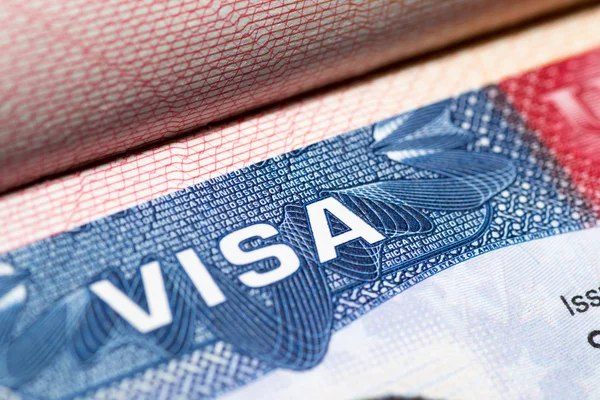
In 2024, the United States rejected 64.41% of B-1/B-2 visa applications submitted by citizens of Uzbekistan, the highest refusal rate among Central Asian countries, according to the U.S. State Department. B-1/B-2 visas are issued for short-term travel related to business and tourism.

Uzbekistan has consistently topped the region in visa denials. In 2023, the rejection rate for Uzbek applicants stood at 59.56%. The trend reflects continued challenges faced by Uzbek travelers in securing U.S. entry permits.

The refusal rates for other Central Asian countries in 2024 were also significant:

  • Turkmenistan: 58.8%
  • Kazakhstan: 46.29%
  • Tajikistan: 45.24%
  • Kyrgyzstan: 39.14%

Similar patterns were observed in 2023, with Turkmenistan at 51.10%, Kazakhstan at 41.93%, Tajikistan at 54.96%, and Kyrgyzstan at 41.54%.

Trade Volumes Remain Low Across the Region

Trade between Central Asia and the United States remains limited. In 2024, Uzbekistan exported only $42.4 million worth of goods to the U.S., while its total foreign trade turnover reached $66 billion, highlighting the minimal share of U.S.-bound exports.

Kazakhstan remains the region’s largest trading partner with the United States. Bilateral trade in 2024 reached $3.4 billion, primarily driven by exports of crude oil, uranium, and silver. Notably, only $95.2 million of Kazakhstan’s exports to the U.S. are expected to be impacted by new U.S. tariffs, a small fraction of the country’s total trade volume of $141.4 billion.

Other Central Asian nations also maintain modest trade flows with the U.S.:

  • Kyrgyzstan exported $16.7 million in goods, with a total trade turnover of $16 billion.
  • Tajikistan exported $4.6 million, out of a total trade turnover of $8.9 billion.

Limited Mobility and Economic Ties

The data underscores broader limitations in U.S.-Central Asia engagement both in terms of mobility and economic integration. High visa refusal rates continue to hinder travel for business and personal reasons, while trade volumes remain a marginal component of most Central Asian economies.

While diplomatic and economic ties between Washington and the region have grown in recent years, the figures suggest that significant barriers to deeper cooperation remain.

Uzbekistan and Mongolia Sign Joint Declaration to Deepen Bilateral Ties

President of Uzbekistan Shavkat Mirziyoyev arrived in Mongolia on June 24 for a historic state visit at the invitation of President Ukhnaagiin Khurelsukh. This marks the first official visit by a Uzbek head of state to Mongolia, signaling a significant step forward in bilateral relations.

The official welcoming ceremony took place at Sukhbaatar Square in central Ulaanbaatar, where the two leaders reviewed an honor guard and greeted members of their respective delegations as national anthems were performed.

In formal talks, both presidents reaffirmed their countries’ commitment to deepening cooperation. President Mirziyoyev expressed gratitude for Mongolia’s warm reception, and extended congratulations in advance of the country’s upcoming People’s Revolution Day celebrations.

Expanding Economic Cooperation

Discussions focused on strengthening economic ties, including cooperation in healthcare, education, e-commerce, agriculture, and construction materials. A recent Uzbek-Mongolian business forum held in Ulaanbaatar highlighted growing commercial engagement, while the opening of a Trade House for Uzbek goods in the Mongolian capital further cemented trade ties.

The two presidents emphasized the importance of expanding trade in high value-added products, and expressed readiness to finalize agreements on preferential trade and investment protection. Areas such as mining, technology transfer, and vocational training were also on the agenda. To support these initiatives, Uzbekistan’s Ministry of Geology has opened a representative office in Ulaanbaatar.

Agro-Industrial Development and Connectivity

Agro-industrial collaboration will be advanced through the creation of joint clusters in meat, dairy, wool, and leather processing. Both sides are also exploring the possibility of launching direct flights between Tashkent and Ulaanbaatar by the end of 2025 to facilitate business and tourism.

Humanitarian and Educational Exchange

Humanitarian cooperation featured prominently in the dialogue. The leaders agreed to resume educational exchange programs, enabling Mongolian students to study at universities in Uzbekistan, thereby strengthening cultural and academic ties.

Formalizing a Comprehensive Partnership

The visit concluded with the signing of a joint declaration establishing a comprehensive partnership, outlining key areas for long-term cooperation and reaffirming mutual commitment to deeper ties. President Mirziyoyev also invited President Khurelsukh for a reciprocal visit to Uzbekistan.

Kyrgyzstan Seeks Credit Rating Upgrade from Moody’s

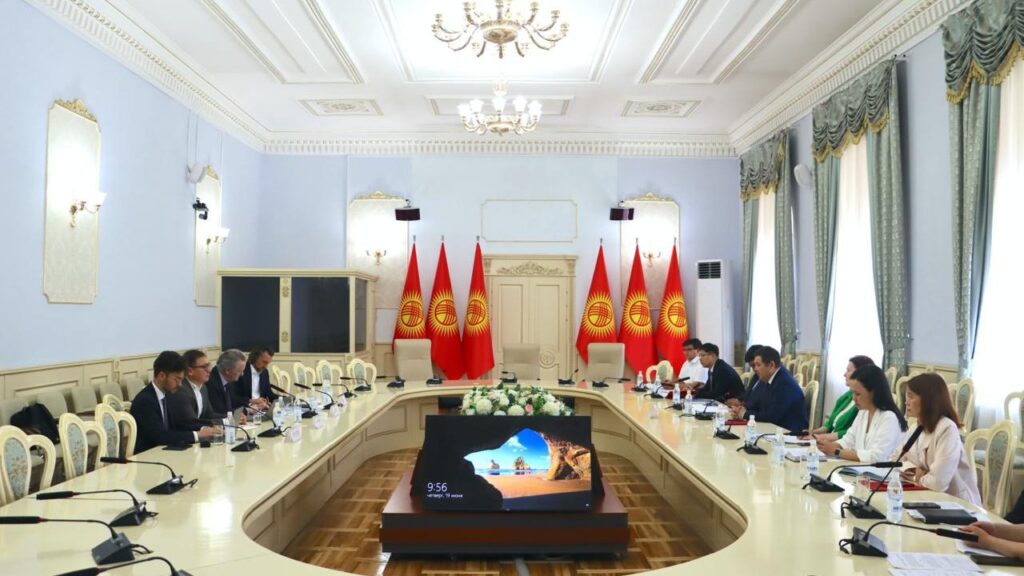
Kyrgyzstan is aiming to secure an upgrade to its sovereign credit rating following a visit by a delegation from international ratings agency Moody’s, and meetings with top government officials, including Minister of Economy and Commerce Bakyt Sydykov.

During the discussions, Sydykov presented Moody’s analysts with an overview of Kyrgyzstan’s socio-economic performance, ongoing structural reforms, and fiscal priorities. He formally requested that Moody’s consider raising the country’s credit rating.

“The Kyrgyz Cabinet is consistently implementing policies aimed at maintaining macroeconomic stability, fostering a competitive environment, and enhancing social protections for our citizens,” Sydykov stated. He noted that these measures are improving the investment climate and strengthening the country’s financial position.

Moody’s delegation also held separate consultations with representatives from the Ministry of Finance, the National Bank, and other key state institutions. The agency’s analysts focused on Kyrgyzstan’s fiscal policy, public debt sustainability, long-term economic growth prospects, and its investment climate.

Government officials said that comprehensive data on macroeconomic indicators and policy initiatives were shared during what they described as a “constructive” dialogue. The consultations are seen as an important step in Kyrgyzstan’s engagement with international financial institutions.

Moody’s currently assigns Kyrgyzstan a long-term sovereign credit rating of B3 with a stable outlook. This rating places the country in the speculative category, implying elevated credit risk, but with no immediate threat of default.

In 2023, Moody’s revised Kyrgyzstan’s outlook from “negative” to “stable.” The agency at the time cited concerns over the nationalization of the Kumtor gold mine and the potential impact of Western sanctions on Russia, Kyrgyzstan’s primary trading partner. However, the feared capital flight and deterioration in economic indicators did not materialize.

Despite this, Moody’s has continued to flag key vulnerabilities, including high levels of state intervention in the economy, lingering risks linked to domestic political instability, and the unpredictability of some government decisions.

The next sovereign rating update from Moody’s is expected later this year.