• KGS/USD = 0.01144 0%
  • KZT/USD = 0.00193 -0%
  • TJS/USD = 0.10851 0.28%
  • UZS/USD = 0.00008 0%
  • TMT/USD = 0.28490 0%
  • KGS/USD = 0.01144 0%
  • KZT/USD = 0.00193 -0%
  • TJS/USD = 0.10851 0.28%
  • UZS/USD = 0.00008 0%
  • TMT/USD = 0.28490 0%
  • KGS/USD = 0.01144 0%
  • KZT/USD = 0.00193 -0%
  • TJS/USD = 0.10851 0.28%
  • UZS/USD = 0.00008 0%
  • TMT/USD = 0.28490 0%
  • KGS/USD = 0.01144 0%
  • KZT/USD = 0.00193 -0%
  • TJS/USD = 0.10851 0.28%
  • UZS/USD = 0.00008 0%
  • TMT/USD = 0.28490 0%
  • KGS/USD = 0.01144 0%
  • KZT/USD = 0.00193 -0%
  • TJS/USD = 0.10851 0.28%
  • UZS/USD = 0.00008 0%
  • TMT/USD = 0.28490 0%
  • KGS/USD = 0.01144 0%
  • KZT/USD = 0.00193 -0%
  • TJS/USD = 0.10851 0.28%
  • UZS/USD = 0.00008 0%
  • TMT/USD = 0.28490 0%
  • KGS/USD = 0.01144 0%
  • KZT/USD = 0.00193 -0%
  • TJS/USD = 0.10851 0.28%
  • UZS/USD = 0.00008 0%
  • TMT/USD = 0.28490 0%
  • KGS/USD = 0.01144 0%
  • KZT/USD = 0.00193 -0%
  • TJS/USD = 0.10851 0.28%
  • UZS/USD = 0.00008 0%
  • TMT/USD = 0.28490 0%
19 December 2025

Kyrgyz Special Forces Showcase Combat Drone Capabilities in Anti-Terror Exercise

Kyrgyzstan’s elite State Committee for National Security (GKNB) special forces unit, Alpha, demonstrated advanced combat capabilities during the Asman Kozomolu 2025 anti-terrorist exercises, held to enhance operational readiness in modern warfare scenarios.

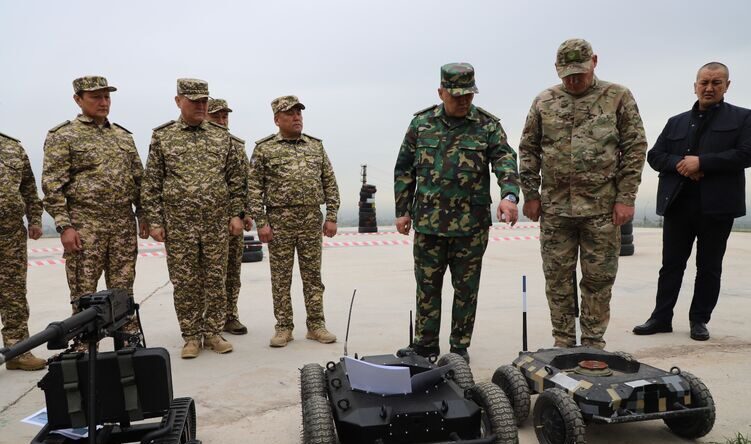
According to the GKNB, the drills featured the use of cutting-edge weaponry, including unmanned aerial vehicles (UAVs), first-person view (FPV) drones, and robotic ground systems​. The exercises aimed to sharpen the operational skills of personnel in deploying modern combat technologies under conditions simulating real combat.

“In conditions close to combat, critical capabilities of modern combat robotics and UAVs were demonstrated, along with the process of manufacturing FPV drones,” the committee stated.

A key component of the drill involved storming a simulated administrative building using a ground-based combat robot, followed by a coordinated assault by special forces. The unit also rehearsed neutralizing enemy vehicles using kamikaze ground drones and attack drones equipped with shaped-charge munitions. Additionally, operators practiced deploying FPV drones with varying payload-release mechanisms.

GKNB Chairman Kamchybek Tashiev attended the exercise and participated in sniper shooting drills. Addressing the forces, he emphasized the government’s commitment to equipping military and security units with state-of-the-art logistics and weaponry to counter emerging threats.

Kyrgyzstan initiated its drone program in late 2021, acquiring Turkish-made Bayraktar drones during heightened tensions along the Tajik border. Since then, the country has expanded its drone arsenal to include Russian Orlan-10 UAVs. In 2022, Kyrgyzstan inaugurated its first drone base, and by 2024, it had unveiled its first domestically produced drone at an industrial exhibition attended by President Sadyr Japarov.


Kyrgyzstan Exports Over 8 Million Eggs to Kazakhstan Amid Shifting Trade Policies

Between January and March 2025, Kyrgyzstan exported 8.8 million chicken eggs to neighboring Kazakhstan, according to Kyrgyzstan’s Ministry of Water Resources, Agriculture and Processing Industry​.

This marks the second consecutive year that Kyrgyzstan has achieved near-total self-sufficiency in egg production, enabling it to maintain consistent exports. In a move to support domestic poultry and egg producers, the Kyrgyz government has exempted feed and feed additives for the industry from value-added tax (VAT).

Earlier this month, Kyrgyz authorities announced a temporary ban on egg imports to further protect domestic producers. As a result, the country currently imports no table eggs, though imports of hatching eggs, essential for poultry reproduction, continue.

In the first quarter of 2025, Kyrgyzstan imported 2.26 million hatching eggs from five countries: Turkey, Uzbekistan, Russia, France, and Denmark.

Meanwhile, in a parallel development, Kazakhstan introduced a six-month ban on chicken egg imports starting April 9. The Kazakh Ministry of Agriculture cited the need to protect local poultry farms during a period of seasonally low demand as the reason for the temporary restriction​.

These shifting trade dynamics highlight the strategic importance of the poultry sector in Central Asia and underscore the balancing act between supporting domestic production and ensuring market stability.

Tajik Journalist Rukhshona Khakimova Transferred to Prison After Closed Treason Trial

Rukhshona Khakimova, a Tajik journalist convicted of treason, has been transferred from a detention center in Dushanbe to a correctional facility in Nurek. The relocation was confirmed by a relative on April 22, who reported being informed of the transfer when attempting to deliver a package to the journalist​.

Khakimova was sentenced to eight years in prison on February 5, 2025, following a closed-door trial. Her case is among several related to an alleged attempted coup. Despite the prosecution’s request for a 17-year sentence, the court handed down an eight-year term. The judge did not account for Khakimova’s family circumstances; she is the mother of two young children, the eldest only two and a half years old, and the youngest nine months. She was taken into custody directly from the courtroom​.

The case against Khakimova was initiated in June 2024 by Tajikistan’s General Prosecutor’s Office under charges of high treason. The accusation stemmed from a journalistic survey she conducted on China’s influence in Tajikistan. In the course of her reporting, Khakimova interviewed several individuals later implicated in the purported coup case, including former MP Saidjafar Usmonzod, who received a 27-year sentence, and her uncle, Shokirjon Khakimov, sentenced to 18 years. However, her interviews also included individuals unconnected to the alleged conspiracy.

Before her arrest, Khakimova was placed under a travel restriction enforced by a signature bond, and all her identification documents had been confiscated. She was living in a rented apartment in Dushanbe. At the time of her arrest, authorities reportedly seized approximately 230,000 somoni ($21,427) from her personal bank account, funds she and her husband had saved toward purchasing a home.

Khakimova is one of the few women in Tajikistan working openly with independent media. Her sentencing has become emblematic of the country’s increasing suppression of free speech. Human rights groups, including Human Rights Watch, Reporters Without Borders, and The Observatory for the Protection of Human Rights Defenders, have condemned her prosecution as a violation of press freedom, and have called for her immediate release.

Additionally, a petition signed by 130 women in Tajikistan appealed to President Emomali Rahmon to commute Khakimova’s sentence, urging humane consideration for the mother of two. These efforts, however, have thus far failed to change her legal status.

Caspian Sturgeon Population Declines 90% Amid Ecological Crisis

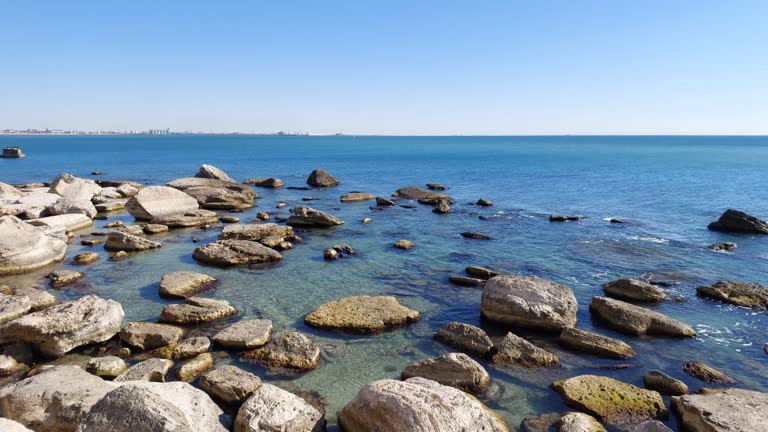
The sturgeon population in the Caspian Sea has plummeted by 90% over the past four decades, according to Sergei Ponomarev, a deputy of Kazakhstan’s Mazhilis (lower house of parliament). Speaking during a recent meeting of the Mazhilis Committee on Ecology, Ponomarev cited both the sea’s progressive shallowing and escalating environmental degradation caused by human activity as key contributors to the decline.

He emphasized that oil production and significant volumes of untreated domestic and industrial waste are the primary sources of pollution in the Caspian Sea. “Oil extraction suppresses the development of phytobenthos and phytoplankton, while sewage discharges have transformed the sea into a reservoir of infectious diseases. Biodiversity is in severe crisis,” he said.

The deteriorating water quality has also weakened the immune systems of marine species, leading to reduced disease resistance. As a result, the population of Caspian seals has dropped from one million to just 100,000, and sturgeon numbers have seen a dramatic 90% reduction, primarily due to reproductive disruptions at spawning sites.

Ponomarev warned of broader public health consequences in Kazakhstan’s Atyrau and Mangistau regions, including declining life expectancy and increasing cancer rates. He forecasted that by 2040, up to five million residents could become “ecological migrants” if conditions continue to worsen.

“The Caspian Sea Institute has been created, but it remains non-functional. We are losing invaluable time,” he said, urging the government to adopt a science-based approach to ecological monitoring and recovery efforts.

Kazakhstan approved the establishment of the Caspian Sea Institute in November 2023 to study and address the environmental degradation of the sea, including declining water levels and mass die-offs of marine life. However, Vice Minister of Ecology and Natural Resources Mansur Oshurbaev reported that funding remains unresolved. The ministry has requested KZT 1.8 billion ($3.4 million) from the government’s reserve for 2025 to operationalize the institute, which will be based in Aktau with a staff of 91.

Oshurbaev also highlighted efforts to develop an environmental sensitivity map for Kazakhstan’s Caspian coastline, aimed at preventing oil spills and aiding biodiversity conservation.

Kazakh scientists predict a consistent decline in the sea level, which could reach minus 33 meters by 2050, a scenario they warn would be catastrophic for the ecosystem. As previously reported by The Times of Central Asia, according to the global movement, Save the Caspian Sea, the water level has already dropped by two meters over the past 18 years. If this trend continues, the sea could shrink by another 18 meters by the end of the century, risking an ecological disaster comparable to the collapse of the Aral Sea.

Kyrgyzstan Seeks to Expand Labor Quotas for Work in the UK

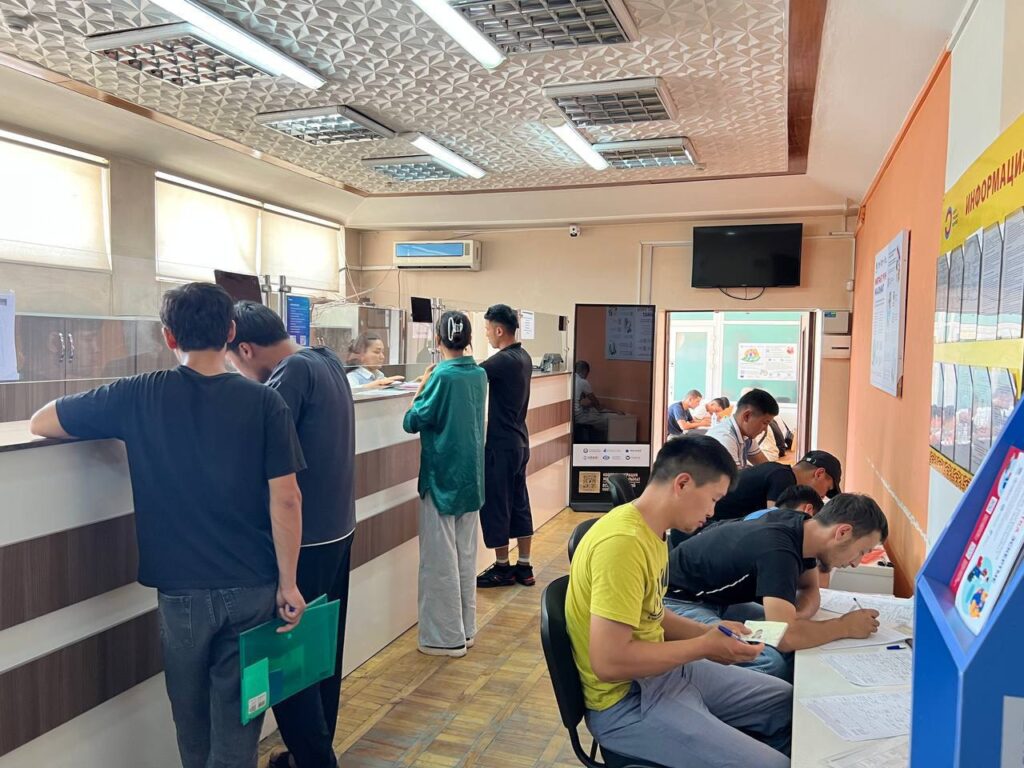
Seventeen thousand Kyrgyz citizens are expected to work in the United Kingdom this year under a state-sponsored employment program, according to Ulan Jusupov, Kyrgyzstan’s ambassador to the UK. Jusupov made the announcement during a session of the Jogorku Kenesh, the Kyrgyz parliament.

Addressing lawmakers, the ambassador noted that the number of Kyrgyz nationals seeking employment in the UK continues to grow each year, driven by more favorable working conditions compared to those in other European countries and Russia, where nearly 90% of Kyrgyz migrant workers are currently employed.

“In 2022, 4,500 of our citizens went to work in England. That number rose to 7,500 in 2023, and in 2024 it has increased to 10,000,” Jusupov said.

The Times of Central Asia has previously reported on the challenges Kyrgyz labor migrants face in Europe, with many choosing to leave Russia due to frequent legal issues and labor disputes. As a result, an increasing number are turning to the Center for Employment of Citizens Abroad (CTHR) for assistance in securing work in alternative destinations.

In 2022, CTHR signed a memorandum of cooperation with British recruitment company AGRI-HR to facilitate seasonal employment for Kyrgyz nationals in the UK. While AGRI-HR primarily focuses on jobs in the agricultural sector, CTHR also offers a range of vacancies in a range of other places, including Slovakia, the Middle East, Southeast Asia, and Russia.

According to CTHR, other favorable countries for Kyrgyz workers include Germany, Italy, France, South Korea, and the United Arab Emirates. Most opportunities in these regions are in agriculture and related fields, and Kyrgyz citizens can legally work there under established programs.

During the parliamentary session, members of the Committee on International Affairs, Defense, Security, and Migration urged Jusupov to enhance the embassy’s efforts in safeguarding the rights and interests of Kyrgyz labor migrants in the UK. Lawmakers also called for an increase in labor quotas and requested that the embassy conduct educational outreach for prospective workers, informing them about British culture, labor ethics, and legal rights prior to their departure.

Russia and Tajikistan to Open Joint Industrial Park by 2030

Russia and Tajikistan are planning to establish a joint industrial park in Tajikistan by 2030, in a move aimed at significantly boosting bilateral trade. The announcement was made by the Russian Ministry of Industry and Trade in a recent statement.

The industrial park, to be built in Tajikistan and managed by the Russian side, is designed to facilitate the entry of more Russian industrial companies into the local market. According to officials, the project seeks to increase trade between the two countries by 2.5 times within the next five years.

The initiative is part of Russia’s national project on international cooperation and export, and participation will be open to companies from both Russia and other countries. Products manufactured at the site are expected to be sold not only within Tajikistan but also across neighboring countries in Central Asia.

Details of the project were presented in Dushanbe by Artur Galiullin, Deputy Director of the Department for International Cooperation and Export Licensing. His remarks came during a visit to the Korgohi Machine Building Enterprise.

As previously reported by The Times of Central Asia, Tajikistan has made substantial progress in shifting trade settlements with Russia to the ruble. According to Firdavs Tolibzoda, Chairman of the National Bank of Tajikistan, over 90% of trade transactions are now conducted in Russian currency, a sharp departure from 2021, when trade was evenly split between the ruble and the U.S. dollar.