• KGS/USD = 0.01144 0%
  • KZT/USD = 0.00209 0%
  • TJS/USD = 0.10523 0%
  • UZS/USD = 0.00008 0%
  • TMT/USD = 0.28530 0%
  • KGS/USD = 0.01144 0%
  • KZT/USD = 0.00209 0%
  • TJS/USD = 0.10523 0%
  • UZS/USD = 0.00008 0%
  • TMT/USD = 0.28530 0%
  • KGS/USD = 0.01144 0%
  • KZT/USD = 0.00209 0%
  • TJS/USD = 0.10523 0%
  • UZS/USD = 0.00008 0%
  • TMT/USD = 0.28530 0%
  • KGS/USD = 0.01144 0%
  • KZT/USD = 0.00209 0%
  • TJS/USD = 0.10523 0%
  • UZS/USD = 0.00008 0%
  • TMT/USD = 0.28530 0%
  • KGS/USD = 0.01144 0%
  • KZT/USD = 0.00209 0%
  • TJS/USD = 0.10523 0%
  • UZS/USD = 0.00008 0%
  • TMT/USD = 0.28530 0%
  • KGS/USD = 0.01144 0%
  • KZT/USD = 0.00209 0%
  • TJS/USD = 0.10523 0%
  • UZS/USD = 0.00008 0%
  • TMT/USD = 0.28530 0%
  • KGS/USD = 0.01144 0%
  • KZT/USD = 0.00209 0%
  • TJS/USD = 0.10523 0%
  • UZS/USD = 0.00008 0%
  • TMT/USD = 0.28530 0%
  • KGS/USD = 0.01144 0%
  • KZT/USD = 0.00209 0%
  • TJS/USD = 0.10523 0%
  • UZS/USD = 0.00008 0%
  • TMT/USD = 0.28530 0%

From Tashkent to Tennessee: Uzbek Stories Bridge Worlds in Nashville Debut

Uzbekistan’s literary luminaries will make their first appearance at the Southern Festival of Books in Nashville, Tennessee. Now in its 37th year, this iconic event is one of the biggest and most celebrated literary festivals in the U.S., and this year, attendees will get a taste of Uzbek storytelling. Avid readers will dive into the vibrant and poetic world of Uzbek literature, where Southern hospitality meets Central Asian artistry.

“Nashville is a publishing powerhouse — we love our books here,” Mark Reese, the organizer behind the showcase, told The Times of Central Asia. “I’m proud that my city has come together to support this exciting cultural exchange and open the door to new literary voices.”

Reese partnered with Akbar Toshtemurov, founder of Booktopia in Tashkent, to bring the vision to life. “Booktopia is a natural ally in the effort to spread awareness of Uzbek literature abroad through professional translation,” Reese said. “Akbar Toshtemurov has sponsored the translation of over fifty English-language titles into Uzbek and brings deep expertise to the table.”

Mark Reese – image courtesy of the subject

Among the featured writers is Abdulla Qodiriy, one of Uzbekistan’s most revered authors. His novel Oʻtkan Kunlar (Bygone Days) — a cornerstone of Uzbekistan’s literary heritage — will be central to the presentation. “Qodiriy will certainly be a focal point,” Reese said, “but I expect other authors, both past and contemporary, to have a seat at my table.”

Reese has spent over 30 years bridging cultures. He has created education programs across Central Asia and the U.S., spearheaded eLearning, curriculum reform, and translation projects. As the founding director of the Center for Regional Studies at the U.S. Naval Academy, he crafted top-tier academic content, cementing his legacy in cultural diplomacy. His efforts to promote the Uzbek language and culture, including his English translation of Oʻtkan Kunlar, earned him Uzbekistan’s Presidential Order of Doʻstlik.

“My career in Uzbekistan started with the Peace Corps in 1994,” Reese told TCA. “I served in Kokand as one of the first volunteers in the city as an English teacher.

“What has always fascinated me and that I’ve admired are the layers of culture that inform each other – Uzbekistan’s rich ecumenical heritage — it has everything from petroglyphs, Zoroastrianism, Buddhism, Christianity, and Islam. Being able to witness the birth of a republic is an extremely rare experience as well. I’ve been a student of Uzbekistan ever since.”

TCA: How did you come across Uzbek literature, and what universal themes might appeal to a U.S. audience?

“Kokand is known as the center of literary Uzbek, which is mainly attributed to Umar Khon and Nodira. So, I learned the Kokand dialect of Uzbek. The University of Washington’s graduate program in Near Eastern Languages and Civilizations, as well as Tashkent’s Sharqshunoslik University, underpinned my academic knowledge.”

TCA: What inspired you to feature Abdulla Qodiriy’s work at the festival?

“Uzbekistan suffers from a structured soft power presence abroad. Thirty-plus years of independence, and their narrative still remains relatively obscure, even among experts who travel there. I was shocked that post 9/11, the U.S. built whole programs to understand radicalization, women in Islam, Islam and governance, and the cultural landscape, yet no one read any of the region’s literature. Can we understand the formation of English identity without reading Shakespeare? Defoe? That said, I don’t really feel that Uzbekistan’s diplomats understand American culture either. New York City and Washington DC ain’t America.

“Qodiriy’s work is a historical novel that reflects his views of the past and his present reform agenda. I love how, at times, he speaks directly to the reader, meaning me, and that holds a special emotional value to me. Also, the historical events depicted in the novel occurred – the ethnic cleansing of the Qipchaks and Musulman Kul happened.

“Despite the extensive commentary on Ferghana, we have a literary artifact that captures those events. It begs the question: if O’tkan Kunlar is the first full-length novel in the Uzbek language, does the Massacre of the Qipchaks mean it is the first depiction of ethnic cleansing in Ferghana? How did those events and the novel influence historical memory? Imperial types, I’m thinking of Ernst Renan here, further a polemic that there is no basis for human rights in Islam, yet we have a novel that furthers the value of human life and dignity.

“We know that Qodiriy was greatly influenced by one of the fathers of Arab nationalism – Jurji Zaydan. Could O’tkan Kunlar be a spin on Arab or Turkic nationalism? It’s hard to say without primary sources, but these questions have always fascinated me. I also love Qodiriy’s humor! He was a brilliant comedic writer, and his Uzbek is laugh-out-loud funny. Comedy is the hardest literary form of them all.”

TCA: I read that DOGE cuts threatened the festival this year — any comments?

“As much as I hate it… much of what DOGE did represents the will of many American voters. It made me want to go expat again, but it’s a real sentiment that goes back a century or more.

“Nashville is the center of publishing in America, and has been the center of Bible printing for at least a century. From that grew music, printing, and now, content development. Many iconic albums were recorded in Nashville. Amazon made Nashville its third choice as a center after its expansion from Seattle, and the city is one of the largest centers of medical data in the world. Taylor Swift and many others have homes here for a reason. I think of New York City as the storefront, and Nashville is where the business gets done. So, when DOGE made their cuts, a number of Nashville orgs came forward.”

The Southern Festival of Books takes place in Nashville on October 18 (9 a.m.–6 p.m.) and October 19 (10 a.m.–5 p.m.), 2025, at the Bicentennial Mall, Tennessee State Museum, and Tennessee State Library.


South Korean Firm to Launch EV Charging Station Production in Kyrgyzstan

A new partnership between Kyrgyz and South Korean stakeholders aims to bring electric vehicle (EV) charging station manufacturing to Kyrgyzstan. The Public-Private Partnership Center under the National Investment Agency of Kyrgyzstan, OJSC Chakan HPP, and South Korea’s BLUE NETWORKS CO., LTD., a company specializing in EV charging infrastructure, have signed a memorandum of cooperation to jointly implement the project.

The agreement, reached under a public-private partnership (PPP) framework, outlines plans to establish a local manufacturing facility and roll out a nationwide EV charging network in major cities and regions across the country.

According to the PPP Center, the initiative is designed to support sustainable and environmentally friendly transport infrastructure, localize high-tech production, and create new employment opportunities. It also reflects Kyrgyzstan’s broader goals of modernizing its energy and transport sectors and strengthening international cooperation in green technologies.

In a related move, Kyrgyzstan’s Ministry of Economy and Commerce signed a memorandum of understanding in June with South Korean firms EVSIS, NGS, and the Korea Automobile Environment Association. That agreement focuses on developing EV charging infrastructure in Bishkek.

The broader partnership also includes plans to collaborate with the Kyrgyz State Technical University to offer technical training and internship programs. Emphasis will be placed on building local expertise through industry-academic cooperation, particularly in the operation and maintenance of EV charging networks. The aim is to support the employment of young professionals and foster sustainable growth in the green tech sector.

These initiatives are aligned with the Kyrgyz government’s strategy to promote eco-friendly transport alternatives and reduce air pollution in Bishkek and other major urban centers.

Kazakhstan Establishes Center for Countering Disinformation

Kazakhstan has announced the creation of a new Center for Countering Disinformation under the presidential administration. According to official statements, the center aims to protect citizens from false information and provide “objective, verified data.” The initiative, housed within the President’s Central Communications Service, is being presented as a measure to identify and debunk falsehoods and promote “responsible information consumption.”

Kazakhstan’s geographic location – bordering both Russia and China – makes information control a particularly sensitive issue. Since the Russian invasion of Ukraine, Astana has refused to recognize Russia’s annexations and generally observes Western sanctions. Much of Kazakhstan’s population consumes Russian-language media, however, which remains a source of governmental concern.

Questions over how “disinformation” is defined remain, however. A 2023 law on online platforms and advertising, which penalizes the spread of false information, prompted warnings from Reporters Without Borders and others about potential state overreach.

Kazakhstan has increasingly found itself on the frontline of regional information warfare, as waves of disinformation target its foreign policy and internal stability. Recent campaigns have sought to undermine the country’s relations with China, Russia, and the United States, exploiting its position between major powers. Officials in Astana have pointed to anonymous Telegram channels and coordinated online networks as sources of destabilizing narratives, ranging from economic panic to conspiracy theories about national security. In response, the government has intensified its efforts to counter these threats, including public awareness campaigns and new monitoring initiatives. Analysts note that operations like “Spider Web” highlight both the scale of the problem and the geopolitical sensitivities involved. While Kazakhstan is working to address disinformation, the challenge lies in balancing security concerns with the need to preserve media freedom.

Falling Exports Undermine Kazakhstan’s Economic Stability

Kazakhstan’s export revenues fell by 9.2% in the first five months of 2025 compared to the same period in 2024, dealing a fresh blow to the country’s economy. According to data compiled by Finprom.kz, total goods exports dropped to $29.8 billion, down from $32.8 billion, a loss of more than $3 billion.

Commodity Dependency Drives Decline

The steepest decline was recorded in the fuel and energy sector, which saw a shortfall of $2.4 billion. Total exports of oil, gas, and related raw materials amounted to $16.9 billion from January to May, a 12.6% decrease year-on-year.

The downturn also extended to Kazakhstan’s manufacturing sectors: metallurgical exports fell by 6.5%, the chemical industry by 17.7%, and machine building by 21.7%.

While the share of fuel and energy products in Kazakhstan’s export structure dropped to 56.9% in January–May 2025, down from the 65–67% range seen between 2019 and 2024, this shift was not driven by a rise in high value-added goods. These accounted for just 13.5% of total exports.

Oil and Metals Lead Revenue Losses

Oil was the primary source of lost export revenue. The volume of crude shipments declined by 6.6%, from 31.2 to 29.1 million tons, while export earnings fell by 13.9%, costing the country $2.6 billion.

Other key raw material categories also recorded substantial losses: refined copper exports fell by 20.6%, copper ores and concentrates by 26.8%, iron ore by 16.4%, aluminum by 10.4%, and uranium by 24.2%.

Only a few sectors posted gains. Exports of ferroalloys rose by 8.1%, wheat and meslin by 58.3%, and rolled iron by 13.1%. One standout performer was heat-generating assemblies for nuclear power plants produced in Ust-Kamenogorsk, their exports nearly doubled and are supplied exclusively to China.

Trade Imbalance Worsens

The export slump contributed to a broader contraction in Kazakhstan’s foreign trade. Total trade turnover from January to May stood at $53.5 billion, down 4.5% from the previous year. Imports, however, increased by 2.2%, further widening the trade gap.

Kazakhstan has recorded lower export volumes each month of 2025 compared to 2024. In January, exports were down nearly 14%. Although the gap narrowed slightly in subsequent months, May figures remained below last year’s levels.

Italy continues to be Kazakhstan’s largest export market, accounting for 23.1% of total exports. Despite an 11% decline in volume, Italian purchases totaled $6.9 billion. China is the second-largest destination, increasing its share from 17.4% to 17.6%, with $5.2 billion in imports. Russia ranks third, importing $2.9 billion in goods, including automobiles, chemical products, and metal ores.

Analysts warn that Kazakhstan’s continued reliance on raw materials and its low share of high-tech exports represent systemic risks. Without substantial industrial modernization and entry into new markets, the country remains vulnerable to global commodity price fluctuations, endangering long-term macroeconomic stability.

China’s CNNC to Build Third Nuclear Power Plant in Kazakhstan

China National Nuclear Corporation (CNNC), which previously secured the contract for Kazakhstan’s second nuclear power plant, will now lead the construction of a third facility, according to First Deputy Prime Minister Roman Sklyar.

In October 2024, Kazakh citizens voted in a national referendum in favor of nuclear energy development. Following the vote, President Kassym-Jomart Tokayev announced the need to construct at least two, and ideally three, nuclear power plants. In June 2025, Russia’s Rosatom was selected to build the first plant near the village of Ulken, on the western shore of Lake Balkhash, approximately 400 kilometers northwest of Almaty.

Simultaneously, CNNC was announced as the builder for the second facility. Potential locations for this project include Kurchatov, near the former Semipalatinsk nuclear test site in eastern Kazakhstan, and Aktau, the former site of the Soviet-era BN-350 fast neutron reactor in the west. The identity of the third project’s contractor remained unclear until now. Alongside Rosatom and CNNC, South Korea’s KHNP and France’s EDF had been shortlisted.

“The third nuclear power plant will also be built by China,” Sklyar confirmed during a press briefing. When asked whether this referred to CNNC specifically, he replied in the affirmative.

Kazakhstan’s Atomic Energy Agency and Kazakhstan Atomic Power Plants LLP are currently evaluating potential sites for the second and third nuclear plants. “Work is underway, and I believe the locations will be announced later this year,” Sklyar said. “Each plant requires a permanent source of water and electricity, and the exact districts must be carefully selected.”

Meanwhile, negotiations on the intergovernmental agreement for the first nuclear plant, being developed by Rosatom, are ongoing with Russian officials. “Once finalized, the agreement will be submitted to parliament for ratification,” Sklyar added.

The first nuclear power plant is planned to have two units with a combined capacity of 2.4 gigawatts and is expected to be operational by 2035. The project is intended to help offset Kazakhstan’s growing electricity deficit, which reached 5.7 billion kWh in January 2025, up from 2.4 billion kWh a year earlier.

To meet its current energy needs, Kazakhstan imports electricity primarily from Russia and recently signed an agreement with Tajikistan to purchase additional power from the Rogun Hydroelectric Power Plant.

Uzbek Migrants Coerced to Fight in Russia’s War

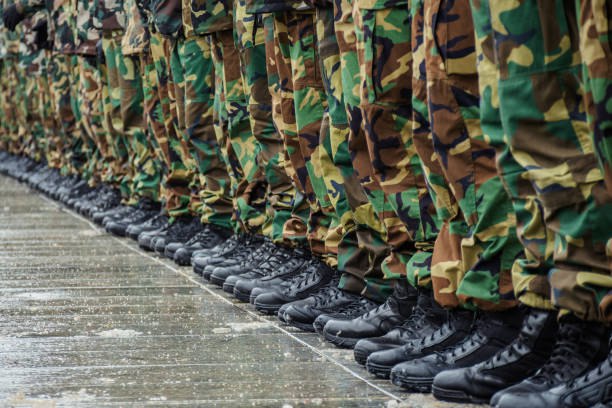
Russia has recruited at least 902 citizens of Uzbekistan to fight in its war against Ukraine since the beginning of 2025, including individuals as young as 19, according to the “I Want to Live” (Хочу жить) project, which cited sources within the Russian armed forces.

Despite heightened scrutiny in Uzbekistan following earlier reports of its nationals joining the conflict, recruitment efforts have continued to expand. “These are people who no longer belong to themselves,” the project stated, adding that the recruitment methods remain largely unchanged.

The group reported that Uzbek labor migrants arriving in Russia are often lured by promises of lucrative employment, typically in construction or rear-echelon military units. A key incentive remains the promise of expedited Russian citizenship. Meanwhile, Uzbek nationals serving prison terms in Russia are reportedly pressured into enlisting through threats and psychological coercion.

The project also highlighted the use of blackmail, especially targeting migrants who recently obtained Russian citizenship. Alexander Bastrykin, head of Russia’s Investigative Committee, recently acknowledged that more than 5,000 raids had been carried out, during which 90,000 people were “caught”, a term he used himself. Of those, 30,000 signed contracts and were sent to the front lines, reflecting the coercive nature of the campaign.

The report added that prisoners of war from 33 countries are currently held in Ukraine, with Uzbekistan reportedly having the highest number of foreign nationals among them.

Separately, on June 5, 2025, a delegation from Uzbekistan’s Defense Ministry, led by Deputy Minister Colonel Alisher Narbaev, visited the “Postoyalye Dvory” military training ground in Russia’s Kursk region. The visit has raised questions amid ongoing concerns about the recruitment of Uzbek citizens into Russia’s war effort.

“Every signed contract is a one-way ticket,” the “I Want to Live” project warned, urging the Uzbek government to take a stronger stance in protecting its citizens from being drawn into the conflict.

Earlier this year, The Times of Central Asia reported that Ukraine’s Defense Intelligence Service accused Russia of coercing Central Asian citizens, particularly labor migrants from Uzbekistan and Tajikistan, into military service. Many of those recruited under the guise of volunteering are sent directly to high-risk front-line positions, where survival chances are slim.