• KGS/USD = 0.01143 -0%
  • KZT/USD = 0.00192 -0%
  • TJS/USD = 0.10820 0.19%
  • UZS/USD = 0.00008 0%
  • TMT/USD = 0.28575 0%
  • KGS/USD = 0.01143 -0%
  • KZT/USD = 0.00192 -0%
  • TJS/USD = 0.10820 0.19%
  • UZS/USD = 0.00008 0%
  • TMT/USD = 0.28575 0%
  • KGS/USD = 0.01143 -0%
  • KZT/USD = 0.00192 -0%
  • TJS/USD = 0.10820 0.19%
  • UZS/USD = 0.00008 0%
  • TMT/USD = 0.28575 0%
  • KGS/USD = 0.01143 -0%
  • KZT/USD = 0.00192 -0%
  • TJS/USD = 0.10820 0.19%
  • UZS/USD = 0.00008 0%
  • TMT/USD = 0.28575 0%
  • KGS/USD = 0.01143 -0%
  • KZT/USD = 0.00192 -0%
  • TJS/USD = 0.10820 0.19%
  • UZS/USD = 0.00008 0%
  • TMT/USD = 0.28575 0%
  • KGS/USD = 0.01143 -0%
  • KZT/USD = 0.00192 -0%
  • TJS/USD = 0.10820 0.19%
  • UZS/USD = 0.00008 0%
  • TMT/USD = 0.28575 0%
  • KGS/USD = 0.01143 -0%
  • KZT/USD = 0.00192 -0%
  • TJS/USD = 0.10820 0.19%
  • UZS/USD = 0.00008 0%
  • TMT/USD = 0.28575 0%
  • KGS/USD = 0.01143 -0%
  • KZT/USD = 0.00192 -0%
  • TJS/USD = 0.10820 0.19%
  • UZS/USD = 0.00008 0%
  • TMT/USD = 0.28575 0%
14 December 2025

EU and EBRD to Fund Irrigation Improvements in Kyrgyzstan

On March 17, European Commissioner for International Partnerships Jozef Síkela arrived in Kyrgyzstan, where he met with President Sadyr Japarov to discuss bilateral cooperation and sustainable development initiatives.

During the meeting, Japarov emphasized the importance of strengthening trade, economic, and investment ties between Kyrgyzstan and the European Union (EU).

“We highly appreciate the ongoing support of the European Union in carrying out democratic reforms and developing a stable and sustainable state in Kyrgyzstan,” Japarov stated.

He also proposed expanding cooperation in areas such as green initiatives, early warning systems for natural disasters, low-carbon development, and the transition to renewable energy sources.

Japarov highlighted Kyrgyzstan’s role in global environmental advocacy, recalling that the United Nations (UN) had declared 2023-2027 as the “Five Years of Action for the Development of Mountain Regions” at Kyrgyzstan’s initiative. He invited the EU to become a donor for the country’s roadmap for sustainable development in mountain regions, citing shared environmental challenges such as glacier preservation, ecosystem protection, and sustainable growth.

EU and EBRD Commit to Infrastructure Development

Commissioner Síkela reaffirmed the EU’s commitment to regional integration and connectivity between Central Asia and Europe, highlighting Kyrgyzstan’s renewable energy potential.

“Kyrgyzstan has huge potential in the field of renewable energy, and the EU is ready to support projects that bring sustainable and long-term benefits to the region and realize this potential,” Síkela stated.

Following their discussions, Japarov and Síkela oversaw the signing of a financial agreement between the Kyrgyz government, the EU, and the European Bank for Reconstruction and Development (EBRD). The agreement launches a major irrigation improvement program in Kyrgyzstan, aimed at enhancing water management and sustainability.

Financial Commitments and Infrastructure Projects

A financial package of up to €37.96 million will support critical irrigation infrastructure upgrades in Kyrgyzstan’s Jalalabad and Naryn regions. This funding includes:

  • €26.93 million in an EBRD sovereign loan
  • €1.03 million in an EBRD grant
  • €10 million in an EU grant

The investment will finance improvements to water intakes, pumping stations, main canals, and distribution networks, with the goal of reducing water losses, cutting electricity consumption, and lowering CO₂ emissions​.

Additionally, the EBRD and EU will fund the reconstruction and automation of a section of the Western Great Chui Canal in northern Kyrgyzstan​.

A separate financial package of €23.8 million has been allocated under the EBRD’s Regional Integrated Water Resources Management Framework for Kyrgyzstan and Tajikistan, approved by the EBRD’s Board of Directors in 2024. This package consists of:

  • €15.23 million in an EBRD sovereign loan
  • €5 million in an EBRD grant
  • €3.6 million in an EU grant

These investments are expected to modernize Kyrgyzstan’s irrigation systems, enhance water resource management, and improve agricultural sustainability.

The EU and EBRD’s latest financial commitments to Kyrgyzstan’s irrigation and water management infrastructure highlight growing cooperation between Europe and Central Asia. These projects aim to increase agricultural productivity, enhance climate resilience, and promote sustainable development in the region.


Kyrgyzstan on the Threshold of an Aging Population: Government Develops Active Longevity Program

Kyrgyzstan is approaching a demographic milestone as the proportion of elderly citizens grows. In response to this shift, the Ministry of Labor, Social Security, and Migration has developed the State Program of Active Longevity for 2025-2030, which has been submitted for public discussion.

Demographic Trends and Projections

According to the National Statistical Committee, Kyrgyzstan’s population at the beginning of 2024 stood at 7.162 million. Of this, 407,800 citizens (5.7%) were aged 65 and older. The United Nations (UN) classification considers a country to be “on the threshold of old age” when this age group comprises between 4% and 7% of the population. Once it exceeds 7%, the country is categorized as having an aging population.

Forecasts suggest that by 2030, Kyrgyzstan’s 65+ population will be close to this threshold, and by 2050, it may reach 19%, while the proportion of children is expected to decline from 33% to 22%.

Challenges of an Aging Society

As the population ages, Kyrgyzstan faces several challenges, including:

  • Declining workforce: A shrinking number of working-age citizens may place economic strain on the labor market.
  • Increased demographic burden: Fewer workers supporting a growing elderly population could impact productivity and economic growth.
  • Rising social security and healthcare costs: Increased demand for pensions, medical services, and elderly care will require policy adjustments.
  • Labor market adaptation: Strategies will be needed to integrate older workers and extend their economic participation.
  • Strengthening intergenerational ties: Social policies may need to promote solidarity between younger and older generations.

The State Program of Active Longevity

The State Program of Active Longevity (2025-2030) aims to establish strategic policies to enhance the quality of life for older citizens. The document outlines three key focus areas:

  1. Encouraging Active Aging: Initiatives to promote employment, volunteering, and social engagement among older adults.
  2. Ensuring Health and Social Well-being: Expanding access to healthcare, preventive medicine, and social support services.
  3. Creating Conditions for a Dignified Life in Old Age: Enhancing pension security, housing, and accessibility infrastructure for elderly citizens.

With Kyrgyzstan on the cusp of demographic aging, long-term planning and policy reforms will be essential to ensure social and economic stability in the years ahead.

Kazakhstan Proposes Privatization of Two Major Oil Refineries

Kazakhstan’s Agency for Protection and Development of Competition (AZRC) has proposed the partial privatization of the Atyrau and Pavlodar oil refineries. According to Rustam Akhmetov, the agency’s first deputy chairman, the proposal involves selling 50% of the state’s stake in these assets.

Current Refinery Ownership Structure

Kazakhstan operates three major oil refineries, located in:

  • Pavlodar (northeast)
  • Atyrau (west)
  • Shymkent (southern region)

The Pavlodar refinery is fully owned by KazMunayGas Refining and Marketing JSC, a subsidiary of the state-owned KazMunayGas (KMG). Similarly, the Atyrau refinery is 100% state-owned through KMG. In contrast, the Shymkent refinery operates under a 50-50 joint venture between KMG and China National Petroleum Corporation (CNPC) through PetroKazakhstan Group.

Shymkent as a Model for Privatization

AZRC cites the Shymkent refinery as the most efficiently operated among the three. “We see a successful example in Shymkent, where 50% is owned by the private sector. Most importantly, private management means fewer government officials in operational roles. As a result, there are significantly fewer accidents, fewer technological failures, and less downtime for repairs. This confirms that private sector management is more effective,” Akhmetov told reporters on the sidelines of Parliament.

He also noted that preliminary discussions on privatization have already taken place within the government.

Oil Refining in 2024

According to the Ministry of Energy, Kazakhstan is expected to refine 17.9 million tons of oil in 2024, yielding 14.5 million tons of oil products. The three main refineries processed similar volumes in the previous year:

  • Shymkent refinery
    • 5.74 million tons of oil processed
    • 2.09 million tons of motor gasoline
    • 1.78 million tons of diesel fuel
    • 319,000 tons of jet fuel
    • 335,000 tons of liquefied petroleum gas
  • Atyrau refinery
    • 5.5 million tons of oil processed
    • 1.6 million tons of gasoline
    • 1.6 million tons of diesel fuel
    • 188,000 tons of jet fuel
    • 213,000 tons of autogas
  • Pavlodar refinery
    • 5.5 million tons of oil processed
    • 1.6 million tons of gasoline
    • 1.8 million tons of diesel fuel
    • 236,000 tons of jet fuel
    • 321,000 tons of liquefied petroleum gas

In addition to these major refineries, more than two dozen mini-refineries across Kazakhstan contribute to oil processing.

Privatization of Other Key Sectors

Akhmetov also revealed that AZRC has recommended the privatization of most municipal utilities in the housing and communal services (HCS) sector, including heat and power plants. Additionally, the agency, in coordination with sectoral government bodies, has agreed to privatize a significant portion of the defense-industrial complex, including firms handling government contracts.

However, some strategically important enterprises will remain under state control. Akhmetov did not specify which companies would be exempt from privatization.

As The Times of Central Asia previously reported, Kazakhstan plans to establish a major defense industry hub at Semey’s tank repair plant, the only such facility in Central Asia.

New Kyrgyz Investment Zone to Operate Under English Law

On March 17, Kyrgyzstan’s president Sadyr Japarov signed a decree titled “On Measures to Establish a Special Investment Territory with a Special Legal Regime in the Issyk-Kul Region and an Independent International Center for Dispute Resolution Using English Law”​.

Boosting Investment Appeal

The initiative aims to enhance Kyrgyzstan’s attractiveness to foreign investors by providing a more predictable and internationally recognized legal framework for business operations. The decree directs the Cabinet of Ministers to take the necessary steps for implementation, including the potential involvement of international consultants and legal experts in the development of the special investment zone and dispute resolution center.

Adopting English Common Law for Dispute Resolution

On March 11, Adylbek Kasymaliyev, Chairman of the Cabinet of Ministers, met with British Ambassador Nicholas Bowler and a group of international legal consultants to discuss adopting English common law principles for handling investment disputes in Kyrgyzstan​.

English common law, which is based on judicial precedents rather than codified statutes, is widely used in international commerce and financial centers such as London, Dubai, and Singapore. Supporters argue that its introduction in Kyrgyzstan could increase investor confidence by offering a more stable and predictable legal environment.

Legal Experts Express Skepticism

Despite the government’s enthusiasm, some legal experts remain skeptical about the feasibility of incorporating English common law elements into Kyrgyzstan’s legal system. Critics point to potential challenges, including compatibility with existing Kyrgyz laws, the need for specialized legal training, and whether the judiciary can effectively apply a mixed legal framework​.

The establishment of a special investment territory in Issyk-Kul and an independent dispute resolution center represents a bold step toward legal modernization in Kyrgyzstan. While the adoption of English common law principles could improve investor confidence, the success of the initiative will depend on effective implementation, legal harmonization, and investor reception.

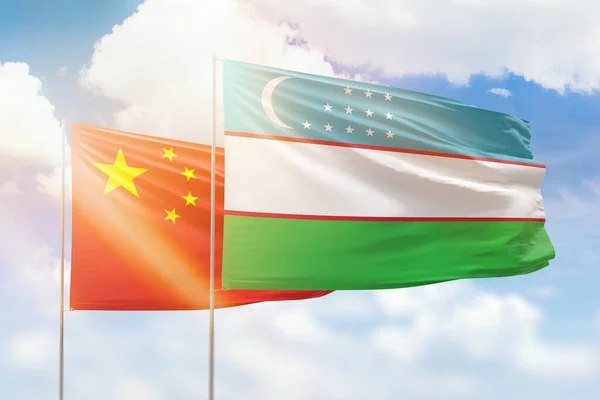
Uzbekistan Denies Claims of Land Sales to China

Recent social media claims alleging that “China is taking over Uzbekistan” and that “most of the country’s land has been sold to the Chinese” have sparked widespread debate. In response, Ilzat Qosimov, Deputy Minister of Investments, Industry, and Trade, issued a statement via the ministry’s official Facebook page, firmly rejecting these allegations.

Economic Cooperation, Not Land Sales

“Attracting foreign investment is a crucial factor for Uzbekistan’s sustainable economic growth. Global competition for capital is intensifying, and our country remains committed to maintaining an open and equal investment environment,” Qosimov stated.

He emphasized that while China is one of Uzbekistan’s largest investors, all foreign investors operate under the same legal framework. Uzbekistan maintains investment partnerships with numerous countries, including Saudi Arabia, the UAE, Turkey, Russia, France, Germany, South Korea, and Japan.

According to official figures, Chinese investment in Uzbekistan is primarily concentrated in industry (62%), the fuel and energy sector (11%), and agriculture (4%). The majority of investments are in manufacturing, not agriculture or land acquisition.

One notable example is the textile industry, where Uzbekistan has over 7,600 textile enterprises, but only 57 involve Chinese capital. Additionally, Uzbekistan exports textile products to China through multiple trading houses.

Legal Restrictions on Foreign Land Ownership

Despite persistent rumors, only 4% of Chinese investment in Uzbekistan goes into agriculture. Foreign investors cannot purchase land, it can only be leased for a maximum of 25 years through open auctions.

For example, the Lihua Group, a Chinese company engaged in cotton cultivation and seed production in the Kashkadarya and Tashkent regions, operates on non-irrigated, low-yield lands, applying modern technologies to boost productivity.

Chinese investments have also played a role in Uzbekistan’s industrial and technological advancement. The BYD automobile plant in Jizzakh, a key project, has created 1,500 jobs, with most positions held by Uzbeks. In 2024, an additional 200 Uzbek specialists are set to receive training at BYD facilities in China.

Meanwhile, over 20 energy projects worth $9 billion are being implemented with Chinese involvement, with the majority of workers being Uzbek specialists.

Government Rebuttal and Legal Framework

On March 6, 2024, Uzbekistan’s Cadastral Agency issued an official statement dismissing rumors of land sales. According to Article 17 of the Land Code, foreign individuals and entities can only lease land, not own it. Additionally, the Law on the Privatization of Non-Agricultural Land Plots explicitly prohibits foreign citizens and businesses from participating in privatization.

The agency further clarified that even Uzbek citizens cannot privatize agricultural land, and it categorically rejected the claims of land sales to foreigners as false.

Authorities have urged the public to rely on verified information and to refrain from spreading misleading reports.

Kazakhstan Investigates Recipients of USAID Funding

Following the cancellation of USAID funding, the Kazakhstani government and parliament are scrutinizing the recipients of U.S. financial assistance. The issue has sparked significant public debate and online discussions.

Deputies Demand Explanations

On March 10, the U.S. administration announced the cancellation of 83% of USAID programs. Secretary of State Marco Rubio stated: “After a six-week review, we are officially canceling 83% of USAID programs. The 5,200 contracts now canceled spent tens of billions of dollars in ways that did not serve (and in some cases even harmed) the core national interests of the United States.”

Earlier, on March 5, deputies from the People’s Party of Kazakhstan (PPK) formally requested that the Minister of National Economy and the Minister of Justice conduct an audit of foreign funding for non-governmental organizations (NGOs). Lawmakers called for transparency regarding project financing, allocated amounts, and fund usage. According to the deputies, some USAID-funded programs contradicted traditional Kazakhstani values, particularly those related to LGBT rights and feminist movements. Reports indicate that members of the parliamentary majority faction, Amanat, also supported the request.

Government Investigation Underway

The government’s position remained unclear until March 12, when Respublika newspaper reported that Deputy Prime Minister and Minister of National Economy Serik Jumangarin had responded to the Mazhilis on behalf of the Cabinet of Ministers. Respublika is associated with Mukhtar Ablyazov, a fugitive oligarch sentenced in absentia to a lengthy prison term in Kazakhstan.

According to the report, 28 long-term USAID programs were active in Kazakhstan under bilateral agreements in 2024. In total, USAID allocated $26.5 million for projects implemented in the country between 2023 and 2024. These initiatives covered sectors such as the economy, energy, healthcare, civil society, and media. Some projects extended beyond Kazakhstan, impacting other Central Asian nations.

Among the NGOs operating under USAID programs in 2024-2025 were:

  • Public Foundation “Desenta”
  • NGO “Kadyr-Kasiyet”
  • Representative Office of Eurasia Foundation in Kazakhstan
  • Representative Office of Winrock International
  • Representative Office of Internews Network
  • Representative Office of the American Bar Association

Additionally, several government agencies collaborated with USAID.

Jumangarin noted that, under Kazakhstani law, recipients of foreign funding must publish annual reports on how the funds are used. He assured deputies that the verification of USAID-funded projects would continue under a working group established by the Ministry of Foreign Affairs, led by Murat Nurtleu.

Funding Details Emerge

Further details surfaced on March 14, with reports indicating that USAID had canceled contracts in Central Asia, including Kazakhstan and Kyrgyzstan. Two contracts in Kazakhstan were reportedly worth $2.35 million and $3.35 million. These funds were designated for the projects “Strengthening Civic Participation in Kazakhstan” and “Strengthening Human Rights and Equality.” The latter aimed to support LGBT organizations in Kazakhstan and Kyrgyzstan in advocating for human rights. This information was cited from an official USAID document.

Additional media reports revealed a list of USAID grantees in 2024, including:

  • ArtKoshe PF
  • The YouTube channel “Hyperborey”
  • Oksana Gabitova (Akulova)
  • Vlast Media Group LLP
  • DEPPA podcast
  • Täuelhsız project
  • Tasadagy Omir project
  • Aftertutor IP, an online magazine focused on combating misinformation.

On March 17, Russian media reported that Kazakhstan’s Foreign Ministry had formed a working group to conduct a comprehensive audit of USAID activities.

The reports also detailed the scale of USAID funding in the region:

  • $34.17 million for the Central Asia Trade Program (DAI Global, LLC)
  • $13 million for two Eurasia Foundation programs: Social Innovations in Central Asia and Kazakhstan QADAM Program
  • $15 million for Resilient Communities (DAI Global, LLC)
  • $3.5 million for Strengthening Human Rights and Equality in Central Asia (ILGA-Europe, TGEU)
  • Over $2 million for Balanced and Credible Information in Central Asia (Internews Network)

As investigations continue, the Kazakhstani government is expected to provide further clarifications on the distribution and impact of USAID funding in the country.