



Two Key Environmental Initiatives Completed in Turkmenistan

Turkmenistan has marked the successful completion of two major agro-environmental initiatives aimed at enhancing natural resource management and climate change adaptation. These efforts represent significant progress in addressing environmental challenges both nationally and across the broader Central Asian region.
Regional Project on Natural Resource Management
The first project concluded was the second phase of the regional program titled “Integrated Natural Resource Management in Drought-Prone and Salinized Agricultural Production Landscapes of Central Asia and Turkey,” which commenced in 2018. This initiative focused on pilot sites in the Karakum Desert, the mountain village of Nokhur, and the Turkmen sector of the Aral Sea region.
Key achievements include the establishment of mini GIS laboratories at the Scientific and Information Center under the Interstate Commission on Sustainable Development, the National Institute of Deserts, Flora and Fauna, and within the environmental control departments of the Ministry of Agriculture. These facilities are now equipped with modern tools to support research and monitoring efforts.
The project also delivered resource-efficient agricultural equipment, drought-resistant seeds and seedlings, water pumps for various intakes, and rapid soil analysis equipment to agricultural universities. Twenty wells and sardobs (traditional water reservoirs) were constructed for livestock centers and nurseries utilizing drip irrigation systems. Additionally, the project cleaned parts of the collector drainage system and developed reclamation plans to rehabilitate degraded land.
Another notable contribution was the continued publication of the international scientific journal “Problems of Desert Development,” which has been issued in Ashgabat since 1967.
National Climate Change Adaptation Plan
The second completed initiative, “Development of the National Adaptation Planning Process in Turkmenistan”, was carried out by the Ministry of Environmental Protection in partnership with the United Nations Development Programme (UNDP) and the Green Climate Fund. Launched in 2021, the project sought to implement the National Climate Change Strategy by defining specific adaptation measures and implementation mechanisms.
The initiative resulted in the development of a comprehensive Roadmap for implementing the National Adaptation Plan, the creation of a national climate finance concept, and new guidelines for integrating climate adaptation into water resource management. These tools aim to bolster Turkmenistan’s resilience to the adverse effects of climate change.
Central Asian Climate Conference in Ashgabat
From May 13 to 15, Ashgabat will host the Seventh Central Asian Conference on Climate Change (CACCC-2025), organized by the Regional Environmental Centre for Central Asia (CAREC) with support from the World Bank, CAWEP, RESILAND Tajikistan, and GIZ.
CACCC-2025 will serve as a key regional platform to transform climate ambitions into actionable strategies. The agenda includes mobilizing financial resources for adaptation and mitigation, enhancing regional cooperation, and sharing best practices. Participants will engage in plenary sessions, thematic panels, and field visits to sites that exemplify successful adaptation measures.
One of the conference’s strategic goals is to develop a plan for increasing regional climate finance by 25% over the next five years. Delegates are also expected to present updated national contributions (NDCs 3.0) under the Paris Agreement and promote cross-border cooperation for sustainable development.
With the region facing accelerating climate threats, such as glacier melt, rising temperatures, and land degradation, CACCC-2025 will be a pivotal event for advancing climate resilience and environmental sustainability across Central Asia.






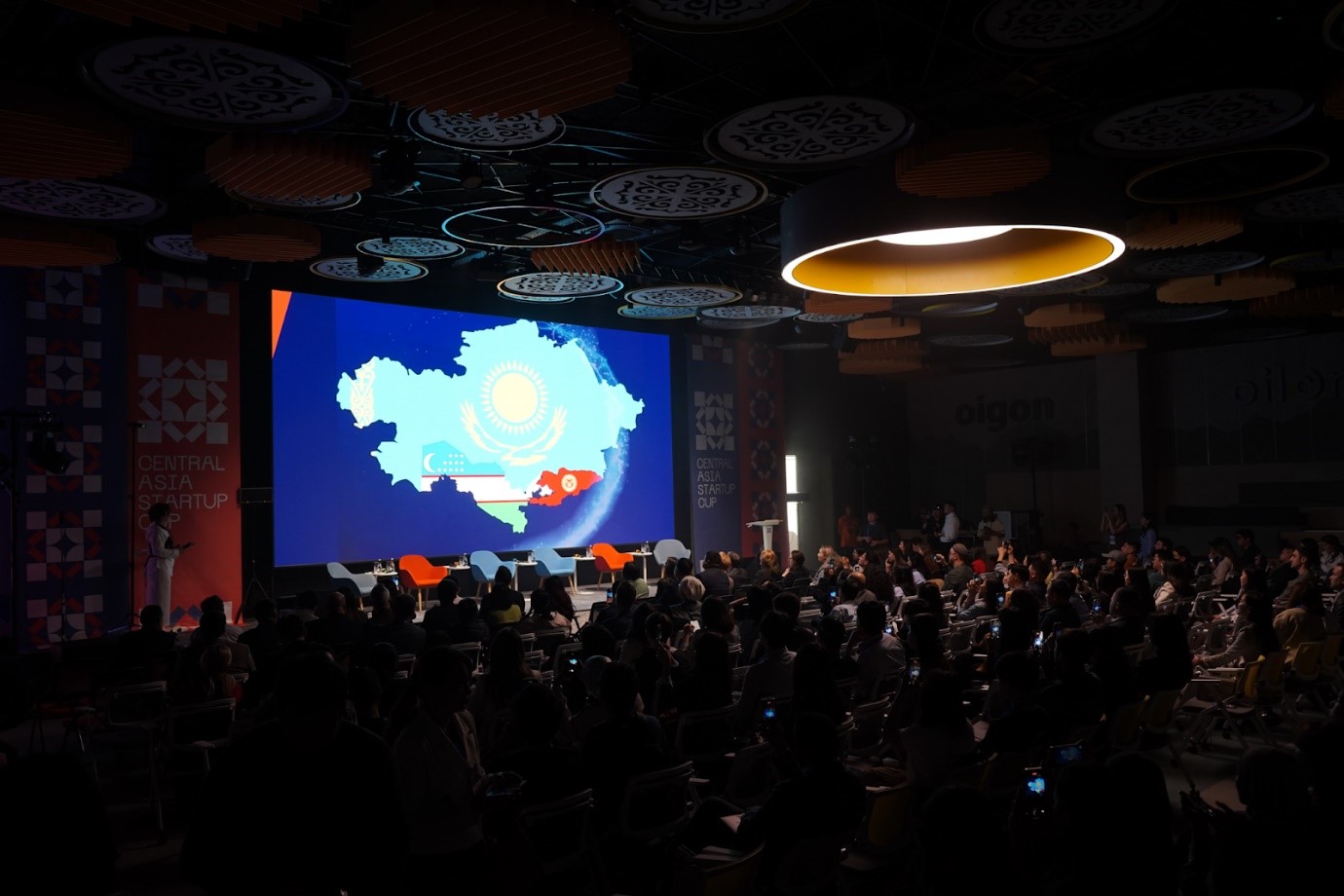 The keynote speaker came from the UK, Kyrgyz Republic-born
  For the first time in the history of the Kyrgyz Republic, there were a huge array of venture capital investors — apart from domestic investors, the Central Asia Startup Cup hosted venture capital funds from Georgia, Kazakhstan, Tajikistan, Turkey, the UK, and Uzbekistan.
 The government’s interest in the startup ecosystem is also growing — a memorandum of cooperation was signed between Accelerate Prosperity, the organizing party of the conference, and the Ministry of Digital Development of the Kyrgyz Republic. Also, for the first time, the regional final of the
 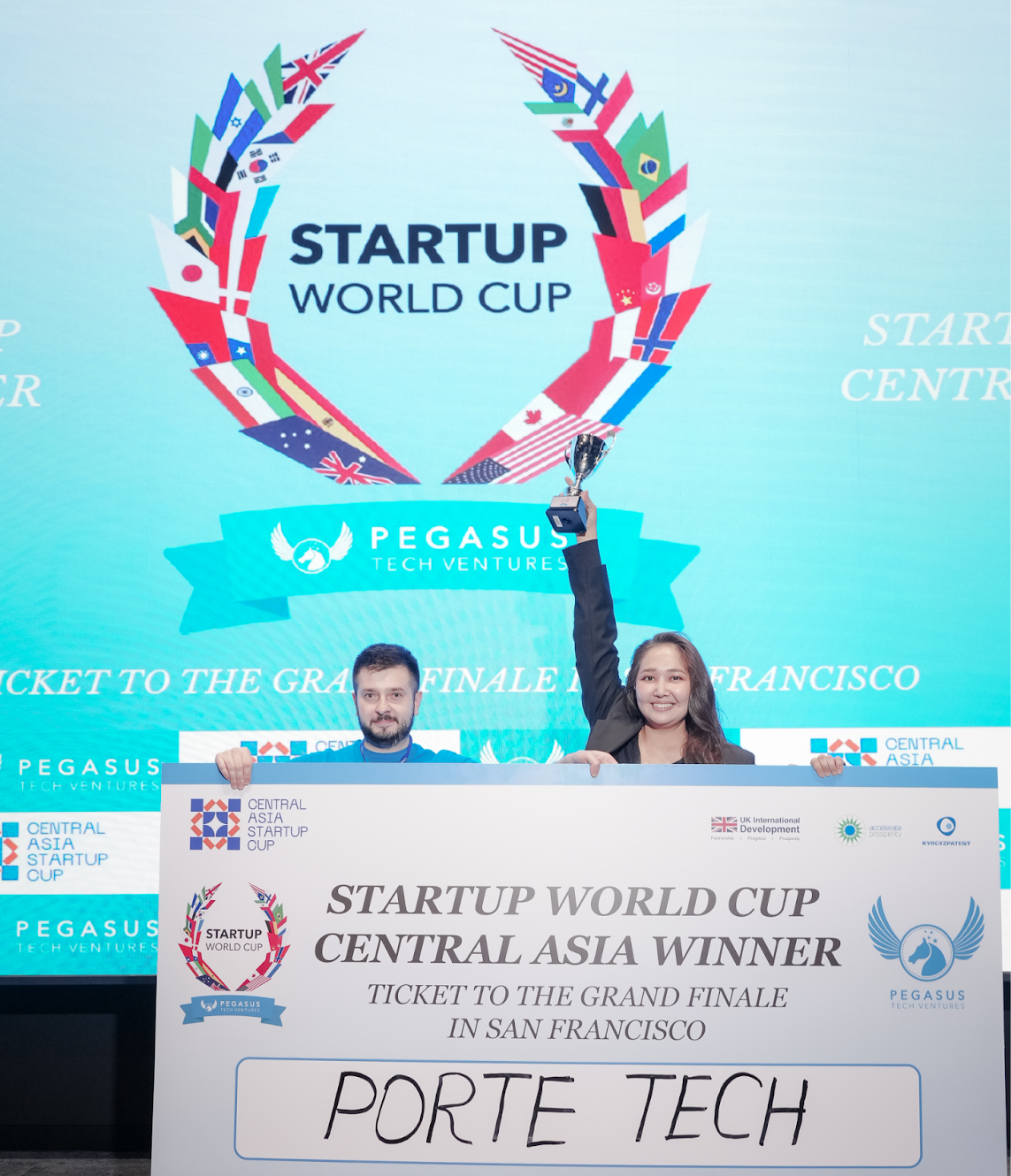 A traditional part of such tech conferences, the Startup Battle took place on the second day of the Central Asia Startup Cup, with eight teams reaching the finals. The Grand Prix of the conference and an equity-free prize of $10,000 were awarded to ArtSkin, a Kyrgyz hardware startup developing artificial skin for prosthetic limbs.
 Seven teams were also recognized with cash prizes of €5,000 each from the European Union’s Last-mile Connectivity to Promote Digital Green Education Opportunities project: Nomado, Tez Jumush, Sound Vision, Edu Test, WeSave, TilZone, and The Tech. VoiceDiary, an AI companion for emotional support, received a trip to Silicon Valley as part of the Dive into Silicon Valley program from the Kyrgyz Republic’s High Technology Park.


