• KGS/USD = 0.01144 0%
  • KZT/USD = 0.00192 -0%
  • TJS/USD = 0.10849 0.37%
  • UZS/USD = 0.00008 0%
  • TMT/USD = 0.28490 0%
  • KGS/USD = 0.01144 0%
  • KZT/USD = 0.00192 -0%
  • TJS/USD = 0.10849 0.37%
  • UZS/USD = 0.00008 0%
  • TMT/USD = 0.28490 0%
  • KGS/USD = 0.01144 0%
  • KZT/USD = 0.00192 -0%
  • TJS/USD = 0.10849 0.37%
  • UZS/USD = 0.00008 0%
  • TMT/USD = 0.28490 0%
  • KGS/USD = 0.01144 0%
  • KZT/USD = 0.00192 -0%
  • TJS/USD = 0.10849 0.37%
  • UZS/USD = 0.00008 0%
  • TMT/USD = 0.28490 0%
  • KGS/USD = 0.01144 0%
  • KZT/USD = 0.00192 -0%
  • TJS/USD = 0.10849 0.37%
  • UZS/USD = 0.00008 0%
  • TMT/USD = 0.28490 0%
  • KGS/USD = 0.01144 0%
  • KZT/USD = 0.00192 -0%
  • TJS/USD = 0.10849 0.37%
  • UZS/USD = 0.00008 0%
  • TMT/USD = 0.28490 0%
  • KGS/USD = 0.01144 0%
  • KZT/USD = 0.00192 -0%
  • TJS/USD = 0.10849 0.37%
  • UZS/USD = 0.00008 0%
  • TMT/USD = 0.28490 0%
  • KGS/USD = 0.01144 0%
  • KZT/USD = 0.00192 -0%
  • TJS/USD = 0.10849 0.37%
  • UZS/USD = 0.00008 0%
  • TMT/USD = 0.28490 0%
11 December 2025

Vietnamese Companies to Modernize Bishkek’s Wastewater Treatment Facilities

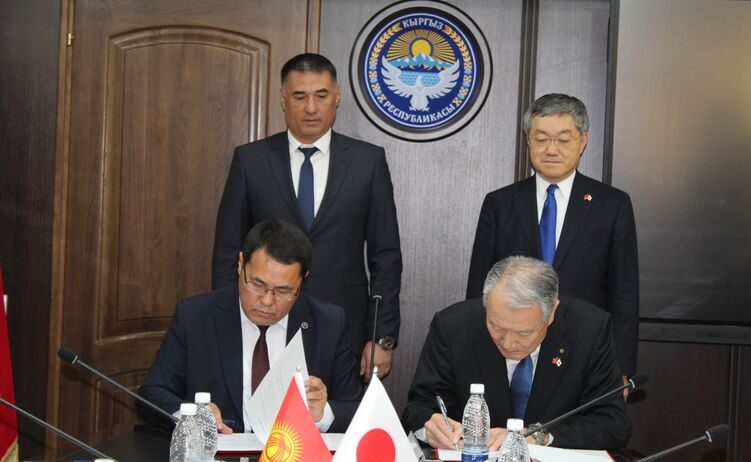
On December 18, the Bishkek City Administration signed a public-private partnership agreement with a consortium of Vietnamese companies – SFC Investment Development for Environment and Phu Dien Investment Construction and Trading. The agreement outlines plans for the reconstruction and modernization of the city’s wastewater treatment facilities.

The project aims to comprehensively upgrade Bishkek’s municipal wastewater treatment infrastructure using cutting-edge technologies. Key initiatives include:

  1. Equipping the municipal water supply company’s laboratory with advanced water quality analysis tools.
  2. Replacing outdated water chlorination systems with ultraviolet disinfection technology.
  3. Automating control processes for wastewater treatment.

The modernization is designed to ensure that treated wastewater meets both national and European environmental standards. It also aims to reduce environmental impact through the introduction of odor treatment systems.

Deputy Chairman of the Cabinet of Ministers and Minister of Water Resources, Agriculture, and Processing Industry, Bakyt Torobayev, highlighted the urgency of such projects during the National Water Forum on November 29. Torobayev noted that only 39.5% of Kyrgyzstan’s 2,014 cities and villages currently have access to clean drinking water. Addressing the country’s water infrastructure needs will require an estimated $2 billion.

The modernization of Bishkek’s wastewater treatment facilities represents a significant step forward in improving water management and ensuring sustainable development in Kyrgyzstan’s capital.

Turkmenistan Implements Gender-Sensitive Pedagogy in Education

The Ministry of Education of Turkmenistan, in collaboration with the United Nations Children’s Fund (UNICEF), has introduced new training materials on gender-sensitive pedagogy. The initiative aims to foster an inclusive educational environment that addresses the individual needs of children while enhancing the skills of professionals in education, healthcare, and social protection.

The materials are tailored for teachers, parents, and students, focusing on promoting gender-sensitive approaches in schools, kindergartens, and family settings. By equipping professionals with tools and strategies for inclusive practices, the program seeks to create a fair and equitable educational system for all children.

An orientation session for professionals working with children and families was recently held in Ashgabat. The event highlighted methodologies for integrating gender mainstreaming into education, with participants from educational institutions exploring new approaches and discussing their practical application.

Alexandru Nartea, Deputy Representative of UNICEF in Turkmenistan, underscored the significance of this initiative. “Integrating gender-sensitive approaches into the educational system is a vital step toward establishing a supportive environment that meets the needs of every child,” Nartea said. He added that the effort not only empowers educators but also helps shape societal values rooted in equality and inclusion.

Tomato Surplus in Turkmenistan and Uzbekistan Amid Low Russian Demand

Greenhouse vegetable farmers in Turkmenistan and Uzbekistan are grappling with a significant oversupply of tomatoes due to a decline in demand from Russian buyers, according to analysts at EastFruit.

Turkmenistan’s greenhouse farmers are reporting extreme difficulties in selling their produce, with prices falling below $1 per kilogram. “Demand in the Russian market has dropped sharply, continuously exerting downward pressure on prices,” noted the EastFruit report. Turkmenistan has rapidly expanded its greenhouse farming sector in recent years, increasing production volumes of tomatoes. However, the sharp decline in Russian purchasing power is presenting a major challenge.

Similarly, tomato prices in Uzbekistan have plummeted, averaging 32% lower than last year. Wholesale prices for red, round greenhouse tomatoes stand at $1.17 per kilogram for smaller quantities, with export prices similar to those in Turkmenistan. Despite these low prices, Uzbekistan often prioritizes exporting premium-quality tomatoes, which can fetch higher prices internationally than in the domestic market.

Uzbek exporters have highlighted the negative impact of the depreciation of the Russian ruble and financial instability in Russia. These factors have complicated the export of greenhouse vegetables to one of the region’s largest markets, exacerbating the difficulties faced by growers.

Moldovan Businessmen Hail Tokayev’s Role in Resolving Stati Dispute

On December 18, the protracted legal dispute between Kazakh authorities and Moldovan businessmen Anatol and Gabriel Stati over oil and gas assets was finally resolved. Following the agreement, the Stati representatives expressed gratitude to Kazakh President Kassym-Jomart Tokayev for his leadership in reaching the settlement.

The Ministry of Justice of Kazakhstan reported that the resolution concludes a legal saga that spanned 15 years and impacted Kazakhstan’s reputation as an investment-friendly nation. The ministry stated that the government, the National Bank of Kazakhstan, and the Stati parties, with the support of Tristan Oil’s leading creditors, successfully finalized the settlement process.

“The signed Final Settlement Agreement forms the basis for the termination of all ongoing disputes, with no possibility of reopening them in the future. The specific terms of the agreement remain confidential,” the Ministry of Justice emphasized.

Daniel Chapman, CEO of Argentem Creek Partners – investment manager for funds that are creditors of Tristan Oil Limited, the Stati family’s investment vehicle – praised the resolution. “This settlement and Kazakhstan’s approach to ensuring a fair resolution underscore the country’s respect for investor rights. We thank President Tokayev for his leadership, which has positively reshaped how foreign investors view Kazakhstan. We look forward to collaborating on new projects,” Chapman said.

Kazakhstan’s Minister of Justice, Azamat Yeskarayev, noted the settlement’s significance for the nation’s economic future. “The resolution of this longstanding dispute creates additional opportunities for economic growth and investment,” he said, emphasizing that no funds from the national budget were used in the settlement process.

The case had involved extensive litigation across multiple jurisdictions over 15 years. While the exact legal costs incurred by Kazakhstan remain undisclosed, the settlement signals a major step forward in resolving disputes with foreign investors and rebuilding trust.

Euronews Expands Central Asian Presence with New Office in Astana

A regional office of the Euronews TV channel has opened in Astana, marking a significant milestone in promoting Kazakhstan internationally. Minister of Culture and Information Aida Balayeva described the development as an important step in showcasing the nation’s cultural heritage, tourism potential, and investment opportunities to a global audience.

“The opening of the Euronews office will provide fresh momentum for popularizing Kazakh culture and serve as a platform for intercultural dialogue and innovative solutions,” Balayeva stated.

Euronews has a history of collaboration with Kazakhstan, including its role as a media partner for the World Nomad Games held in Astana. The event’s broadcasts reached over 39 million viewers worldwide. Additionally, the channel has produced ten programs spotlighting Kazakhstan’s investment initiatives and cultural heritage.

Euronews Chairman Pedro Vargas highlighted the channel’s commitment to narrating Kazakhstan’s unique history – from the era of the Kazakh Khanate to its modern status as an independent Republic, which will celebrate 35 years of sovereignty next year. “We aim to inform global audiences about Kazakhstan’s culture, economy, and heritage by creating original TV shows and collaborating with local entrepreneurs and artists,” Vargas stated.

A cornerstone of the collaboration is the Euronews Academy project, which will offer training and masterclasses for Kazakh journalists, enhancing the professional expertise of the nation’s media personnel.

The channel is already developing 20 new initiatives, including the cultural and artistic program Modern Nomads, the business-focused East-West Connect, and the interview series, Voices from Central Asia.

Kazakhstan Considers Restrictions on AI Use by Students

Kazakh Member of Parliament Magerram Magerramov has proposed limiting the use of ChatGPT and other generative AI tools by schoolchildren. According to Magerramov, these technologies can complete school assignments, write essays, and summarize texts, which undermines students’ critical thinking and problem-solving skills.

“We risk raising a generation that cannot make quick decisions in complex situations. This threatens the intellectual potential of the country,” the MP warned.

Magerramov highlighted global efforts to regulate artificial intelligence as potential models. The European Parliament recently passed legislation to control AI usage, while Australia and some U.S. states have implemented age restrictions for social networks.

“Digital technologies should foster development, not hinder it. Thoughtful regulation is essential,” he stated, urging limits on generative AI in schools to mitigate negative impacts.

Globally, nations are grappling with the integration of AI in education. UNESCO has called on governments to train teachers in the responsible use of generative AI and issued guidelines for its application in schools. In China, strict internet censorship laws limit access to ChatGPT, effectively restricting its use in education. Meanwhile, Russia is exploring pedagogical, linguistic, and psychological frameworks for regulating AI in higher education. In Australia and parts of the U.S., age restrictions on social media may indirectly influence students’ access to AI tools.