• KGS/USD = 0.01144 0%
  • KZT/USD = 0.00213 0%
  • TJS/USD = 0.10607 0.57%
  • UZS/USD = 0.00008 0%
  • TMT/USD = 0.28530 0%
  • KGS/USD = 0.01144 0%
  • KZT/USD = 0.00213 0%
  • TJS/USD = 0.10607 0.57%
  • UZS/USD = 0.00008 0%
  • TMT/USD = 0.28530 0%
  • KGS/USD = 0.01144 0%
  • KZT/USD = 0.00213 0%
  • TJS/USD = 0.10607 0.57%
  • UZS/USD = 0.00008 0%
  • TMT/USD = 0.28530 0%
  • KGS/USD = 0.01144 0%
  • KZT/USD = 0.00213 0%
  • TJS/USD = 0.10607 0.57%
  • UZS/USD = 0.00008 0%
  • TMT/USD = 0.28530 0%
  • KGS/USD = 0.01144 0%
  • KZT/USD = 0.00213 0%
  • TJS/USD = 0.10607 0.57%
  • UZS/USD = 0.00008 0%
  • TMT/USD = 0.28530 0%
  • KGS/USD = 0.01144 0%
  • KZT/USD = 0.00213 0%
  • TJS/USD = 0.10607 0.57%
  • UZS/USD = 0.00008 0%
  • TMT/USD = 0.28530 0%
  • KGS/USD = 0.01144 0%
  • KZT/USD = 0.00213 0%
  • TJS/USD = 0.10607 0.57%
  • UZS/USD = 0.00008 0%
  • TMT/USD = 0.28530 0%
  • KGS/USD = 0.01144 0%
  • KZT/USD = 0.00213 0%
  • TJS/USD = 0.10607 0.57%
  • UZS/USD = 0.00008 0%
  • TMT/USD = 0.28530 0%

Ongoing DDoS Attack Disrupts Kazakhstan’s Digital Infrastructure

Kazakhstan is experiencing a large-scale Distributed Denial of Service (DDoS) attack that is disrupting online services across government portals, banking systems, and telecommunications networks. The attack, which began earlier this week, has overwhelmed servers by bombarding them with excessive traffic, rendering critical digital infrastructure inaccessible for thousands of users.

The Impact on National Systems

The scope of the attack has significantly hobbled online platforms that citizens and organizations rely on for essential services. Users have reported interruptions when attempting to access online banking, state-run portals for taxes, and public resource management services. Government resources have been severely affected, whilst for businesses the inability to process digital transactions has caused massive delays, leading to e-commerce platforms and retailers that depend on online payment systems facing revenue losses. Financial institutions are working to secure their systems, fearing that the attack may escalate into data breaches or ransomware targeting client information.

Potential Sources Behind the Attack

While no official statement about the source of the attack has been released, cybersecurity experts are pointing to several possibilities. One theory suggests that the attack may involve political motives, aimed at destabilizing Kazakhstan’s government services and undermining public confidence. Others speculate that the incident may stem from cybercriminal groups seeking financial gain through extortion tactics.

Other analysts are not discounting the possibility of foreign state actors. Given increasing geopolitical tensions in the region, such cyberattacks could potentially serve as acts of digital retaliation or covert intervention. Investigations are ongoing to trace the origin of the attack, and no group has publicly claimed responsibility.

Official Responses and Mitigation Efforts

Kazakhstan’s Ministry of Digital Development, Innovation, and Aerospace Industry has acknowledged the severity of the attack in an official statement.

Authorities are currently coordinating with cybersecurity experts to neutralize the attack and minimize public impact. Technical teams have implemented measures such as traffic filtering and rerouting protocols to handle excessive server requests.

While some government websites have been partially restored, slow loading speeds and occasional downtime persist. The ministry is urging organizations and individuals to strengthen online security by regularly updating firewalls and staying vigilant against phishing attempts that often accompany large-scale attacks.

Additionally, Kazakhstan’s cybersecurity response teams are collaborating with international partners to identify vulnerabilities and enhance digital defenses. This incident highlights the growing need for robust cybersecurity frameworks, particularly in an interconnected world increasingly reliant on digital services.

Significance of the Attack

This ongoing DDoS attack underscores how vulnerable national infrastructure can be to cyber threats. Potentially targeting critical systems like financial networks or telecommunications, these attacks can undermine public trust in a nation’s institutions and disrupt economic stability.

Kazakhstan, like many nations, has increased investment in digital technologies, making cybersecurity a top priority. However, the attack reveals gaps in protection and the urgent need for advanced, preemptive measures to safeguard essential systems. With a rising tide of global cyber threats, addressing these vulnerabilities will play a critical role in protecting both national security and the economy going forward.

For now, Kazakhstan continues to battle the effects of this DDoS attack. Citizens, businesses, and government entities are bracing for further disruptions, while cybersecurity efforts are ramped up to combat this digital assault and prevent future occurrences.

“GTS specialists, in close cooperation with telecom operators, are promptly carrying out technical measures to reconfigure routes and minimize the consequences of attacks,” the State Technical Service reported. “According to preliminary data, cyberattacks are being carried out using proxy servers, masking tools, and distributed botnets located in various countries. These factors are significantly complicating the precise determination of the sources of attacks.”

Cyberattacks on the Rise

Kazakhstan has recently experienced a sharp surge in cyberattacks, recording 30,000 information security incidents between January and May 2025, double the figures from the previous year. Botnet-related activity, including spam, password breaches, and service disruptions, saw a dramatic rise, while phishing attempts also jumped by 37.2%, reaching 2,000 cases. Data leaks and breaches remain a pressing issue, with Chinese-linked actors allegedly compromising critical IT infrastructure and millions of residents’ data.

Government responses have been criticized as delayed and inadequate, prompting leadership changes in the Ministry of Digital Development. Concerns over privacy and information security persist, with legislative gaps and limited enforcement leaving sensitive data vulnerable. Calls have emerged for stronger cybersecurity measures, including boosting staffing for data protection and enhancing cooperation with accredited security organizations.

The Times of Central Asia previously reported that a Chinese firm involved in cyber intelligence operations had been active in Kazakhstan for several years, accessing telecom data over an extended period. Over recent years, Kazakhstan has also been the target of multiple disinformation campaigns.


Parents of Imprisoned Tajik Journalist Rukhshona Khakimova Urge Rahmon to Intervene

The parents of Rukhshona Khakimova, a Tajik journalist sentenced in February 2025 to eight years in prison on charges of treason, have issued an open letter to President Emomali Rahmon, urging him to reconsider their daughter’s case and facilitate her release.

Family Appeals for Clemency

A copy of the letter, signed by Khakimova’s parents, Zokir Khakimov and Makhsuda Sharopova, was published on social media on May 3. In the letter, the couple described their daughter’s upbringing in a family of educators committed to national values, patriotism, and humanism.

Khakimov, a former school director in Kanibadam, and Sharopova, a retired teacher, emphasized their daughter’s achievements. “Our daughter graduated from school and university with honors, received a presidential scholarship, and always worked honestly and within the law,” they wrote. “We can say with complete confidence that Rukhshona could not have committed treason.”

They appealed to Rahmon to intervene, especially considering that Khakimova is the mother of two young children. “We respectfully request and implore you, as the supreme leader of the nation, to take steps for her release,” the letter states.

Background on the Charges

Khakimova, 31, was convicted under Article 305, Part 2, Paragraph “c” of Tajikistan’s Criminal Code, “treason using her official position.” She was sentenced to eight years in prison following a closed trial. Human rights groups claim the charges were linked to her journalistic investigation into China’s influence in Tajikistan.

Complicating the case is the fact that Khakimova is reportedly the niece of an opposition figure sentenced to 18 years for attempting a coup. Prior to her arrest, she had been placed under house arrest, her documents were confiscated, and on February 5, she was detained in the courtroom immediately following the verdict. An appellate court upheld the decision.

Subsequently, about 230,000 somoni, savings intended for purchasing a home, were withdrawn from her bank account. On April 22, she was transferred from a pre-trial detention center in Dushanbe to a women’s correctional facility in Nurek.

Public and International Reaction

Khakimova’s sentencing has sparked condemnation both domestically and abroad. Journalists and human rights advocates described the case as emblematic of worsening conditions for press freedom in Tajikistan. Activists claim she faced repeated threats prior to her arrest.

Earlier this year, a group of women and civil society activists also submitted a letter to Rahmon requesting leniency. International organizations including Human Rights Watch, Reporters Without Borders, and The Observatory for the Protection of Human Rights Defenders have called for her immediate release.

Despite multiple appeals, Tajik authorities have yet to respond, and the sentence remains in effect.

Turkey to Import Turkmen Gas via Caspian Pipeline Within Five Years

Turkish President Recep Tayyip Erdoğan has announced that Turkmenistan will begin supplying natural gas to Turkey through pipelines under the Caspian Sea within the next five years. The announcement was made during the Natural Resources Summit in Istanbul, as reported by Turkmenistan’s Transport and Communications Agency and cited by Business Turkmenistan.

Erdoğan stated that since March 2025, Turkmen gas has already been reaching Turkey via Iran, with approximately 250 million cubic meters delivered so far. By the end of the year, that volume is expected to rise to 1.3 billion cubic meters.

He emphasized that expanding energy cooperation with Turkmenistan remains a strategic priority for Ankara. A bilateral agreement was signed on February 10, 2025, following high-level talks.

The long-discussed trans-Caspian pipeline project, once stalled due to political and environmental concerns, now appears to be gaining traction. If realized, it would allow direct exports of Turkmen gas to Turkey and potentially to European markets.

Earlier this year, The Times of Central Asia reported that methane emissions could pose a challenge for Turkmenistan’s ambition to export gas to Europe. A February 2025 report from the U.S. Department of Energy noted that Turkmenistan holds the world’s fifth-largest natural gas reserves, estimated at 400 trillion cubic feet and produced 3.0 trillion cubic feet of dry gas in 2023, marking a record high since tracking began in 1992.

KazMunayGas Sees No Risk from Falling Oil Prices, Prepares for Market Fluctuations

Kazakhstan’s national oil company KazMunayGas (KMG) has developed contingency strategies to manage volatility in global hydrocarbon markets and says it is fully prepared for any changes in oil prices.

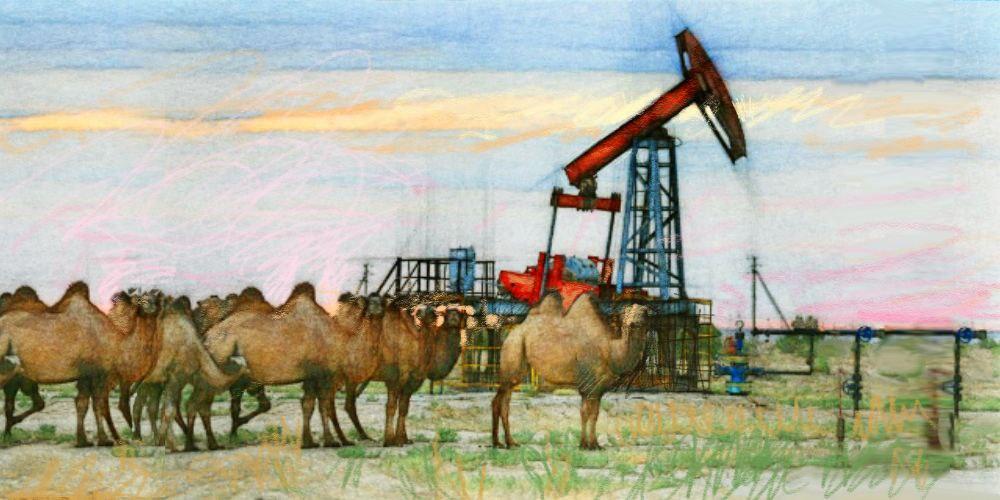
As of the morning of May 5, Brent crude had dropped to $59.30 per barrel and WTI to $56.19, the lowest levels since April 9, following the OPEC+ decision to increase production. In response to questions at a media briefing, KMG Deputy Chairman Aset Magauov said the company foresees no significant risks despite this sharp decline.

“Analysts expect oil prices to average around $65 per barrel this year, though no one can predict with certainty,” Magauov stated. “We don’t see any risks for KazMunayGas. We have prepared for various scenarios and identified measures to optimize our expenses. In principle, we are ready for any fluctuations.”

KMG, which accounts for 26% of Kazakhstan’s total oil production and 80% of the domestic refining market, supplies roughly 70% of its crude oil to the domestic market. This oil is processed at Kazakhstan’s major refineries to ensure stable fuel and lubricant supplies. According to Magauov, the cost of domestic supply remains well below export prices, insulating KMG from international volatility.

“Even while export prices fluctuate, domestic prices remain stable and significantly lower than the lowest export benchmarks,” Magauov said. “Therefore, the majority of our sales, around 70%, are unaffected by global market movements. Moreover, exports of gasoline and diesel are limited, with nearly all production sold domestically.”

Magauov also noted ongoing discussions with Russian energy firm Tatneft on the potential joint development of the Atyrau refinery. As previously reported by The Times of Central Asia, Kazakhstan’s antitrust agency proposed privatizing state-owned stakes in the Pavlodar and Atyrau oil refineries, moves that could reshape the sector’s competitive landscape.

Meanwhile, Energy Minister Yerlan Akkenzhenov announced in April that Kazakhstan aims to double its domestic oil refining capacity by 2040, from 17.9 million tons in 2024 to 38 million tons annually.

Chinese Firms to Build 500 MW Solar Power Plant in Uzbekistan’s Jizzakh Region

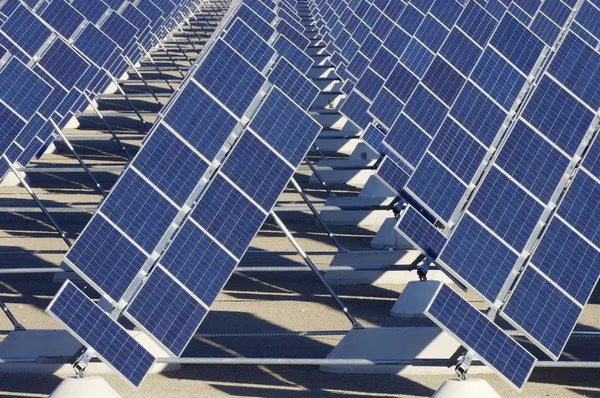
A major solar power project is set to launch in the Forish district of Uzbekistan’s Jizzakh region, following a presidential decree issued earlier this month. The project entails the construction of a 500-megawatt solar photovoltaic (PV) plant along with supporting power transmission infrastructure.

According to the decree, the initiative aims to ensure a stable energy supply for both the population and key sectors of the economy, reduce dependence on natural gas in electricity generation, and increase the share of renewables in Uzbekistan’s energy mix.

To carry out the project, China Electrical Equipment International Co. Ltd. and China Huadian Overseas Co. Ltd. have formed a joint venture, Huadian Jizzakh Solar Power LLC. The companies will design, finance, construct, and operate the facility.

Total direct investment is projected at 2.08 billion yuan (approximately $290 million). Under a 25-year guaranteed purchase agreement, Uzbekistan’s state electricity buyer, Uzenergosotish JSC, will buy the generated electricity.

For the construction site, the government has allocated 991.1 hectares of pastureland in Forish, which will be reclassified from agricultural to industrial use.

This announcement follows a wave of green energy initiatives signed during the inaugural Samarkand International Climate Forum in April 2025. Among them was an agreement with China’s Liquip International to build another solar facility in the same region.

As previously reported by The Times of Central Asia, Chinese investment in Jizzakh continues to grow. In June 2024, President Shavkat Mirziyoyev inaugurated a Technopark in the Zaamin district, where Chinese firms are financing 30 projects valued at $1.2 billion. The development is expected to generate over 5,000 jobs.

Kazakhstan Braces for Economic Fallout from OPEC+ Output Hike

The latest OPEC+ decision to boost oil production in a strained global market threatens to push Kazakhstan closer to recession and further inflation. On May 3, OPEC+ members agreed to a significant increase in oil output for June. Leading financial outlets, including Bloomberg, suggest that the move is intended to penalize member states that have consistently breached their production quotas, most notably Kazakhstan and Iraq. The announcement triggered a sharp drop in oil prices.

Production will rise by 411,000 barrels per day in June, following a tripling of output in May from the originally planned volume. Analysts attribute the shift to Riyadh’s growing frustration with non-compliant members. According to Rystad Energy analyst Jorge Leon, a former OPEC official, Saudi Arabia aims to “financially wear down” these states while aligning with U.S. President Donald Trump’s push for lower energy prices.

Kazakhstan’s Overproduction at Tengiz

Despite repeated assurances from Kazakhstan’s Ministry of Energy that they would honor OPEC+ agreements, the country exceeded its January quota by 32,000 barrels per day (bpd), producing 1.5 million bpd versus an allotted 1.468 million. This surge followed Tengizchevroil LLP’s launch of a new expansion phase at the Tengiz oil field in the Atyrau region, elevating output there to 870,000 barrels per day, 45% above the 2024 average. The expansion is expected to add 12 million tons annually to Tengiz’s crude production.

Tengizchevroil is a joint venture comprising Chevron (50%), ExxonMobil (25%), KazMunayGas (20%), and LUKOIL (5%).

Falling Prices and Criticism of OPEC’s Tactics

Following the OPEC+ announcement, Brent crude futures fell to $59.30 per barrel on May 5, with U.S. WTI at $56.19. Some analysts argue Kazakhstan is being unfairly targeted. As Reuters reports, Kazakhstan contributes only 5% of OPEC+ production and under 2% of global output.

Analysts at the Stankevicius Group note that larger producers such as the UAE, Russia, and Iraq have repeatedly breached quotas without facing similar scrutiny. They argue that Saudi Arabia’s surge in production undermines the cartel’s objectives more than Kazakhstan’s actions.

“Saudi Arabia, which has sharply increased its oil production, is causing even greater damage to the OPEC+ agreement by encouraging lower prices,” the analysts claimed.In other words, Kazakhstan is maintaining a balance of interests and the interests of other cartel members. Meanwhile, other members are allowing themselves to disrupt the market balance.”

Planning for a Downturn

Oil revenues are central to Kazakhstan’s state budget, prompting government officials to prepare for a potential downturn. Deputy Prime Minister and Minister of National Economy Serik Zhumangarin stated in April that contingency plans are being developed for scenarios where oil prices fall to $55 or even $50 per barrel.

However, the national budget is pegged to a $75 per barrel benchmark. According to analyst Murat Kastaev, social obligations make spending cuts politically infeasible, leaving the government reliant on increased transfers from the National Fund and a probable weakening of the tenge. While GDP growth could slow to 3-3.5% at current prices, a sustained drop to $40-50 per barrel may trigger a recession and significant currency devaluation.

“We hope it won’t come to that,” Kastaev said, “as prices below $50 threaten not only Kazakhstan’s economy but also the broader stability of the global market, including the interests of the U.S. and Saudi Arabia.”