• KGS/USD = 0.01144 0%
  • KZT/USD = 0.00196 -0%
  • TJS/USD = 0.10899 0%
  • UZS/USD = 0.00008 0%
  • TMT/USD = 0.28490 0%
  • KGS/USD = 0.01144 0%
  • KZT/USD = 0.00196 -0%
  • TJS/USD = 0.10899 0%
  • UZS/USD = 0.00008 0%
  • TMT/USD = 0.28490 0%
  • KGS/USD = 0.01144 0%
  • KZT/USD = 0.00196 -0%
  • TJS/USD = 0.10899 0%
  • UZS/USD = 0.00008 0%
  • TMT/USD = 0.28490 0%
  • KGS/USD = 0.01144 0%
  • KZT/USD = 0.00196 -0%
  • TJS/USD = 0.10899 0%
  • UZS/USD = 0.00008 0%
  • TMT/USD = 0.28490 0%
  • KGS/USD = 0.01144 0%
  • KZT/USD = 0.00196 -0%
  • TJS/USD = 0.10899 0%
  • UZS/USD = 0.00008 0%
  • TMT/USD = 0.28490 0%
  • KGS/USD = 0.01144 0%
  • KZT/USD = 0.00196 -0%
  • TJS/USD = 0.10899 0%
  • UZS/USD = 0.00008 0%
  • TMT/USD = 0.28490 0%
  • KGS/USD = 0.01144 0%
  • KZT/USD = 0.00196 -0%
  • TJS/USD = 0.10899 0%
  • UZS/USD = 0.00008 0%
  • TMT/USD = 0.28490 0%
  • KGS/USD = 0.01144 0%
  • KZT/USD = 0.00196 -0%
  • TJS/USD = 0.10899 0%
  • UZS/USD = 0.00008 0%
  • TMT/USD = 0.28490 0%
08 December 2025

Kazakhstan’s Tokayev in France: It’s All About Nuclear Energy

For France – a country that gets around 70% of its electricity from nuclear energy – Kazakhstan’s decision to build its first nuclear power plant presents an ideal opportunity to strengthen economic ties with the Central Asian state. For Astana, potential cooperation with French nuclear corporations could help reduce dependence on Russia and its State Nuclear Energy Corporation, Rosatom. But will things really go that smoothly?

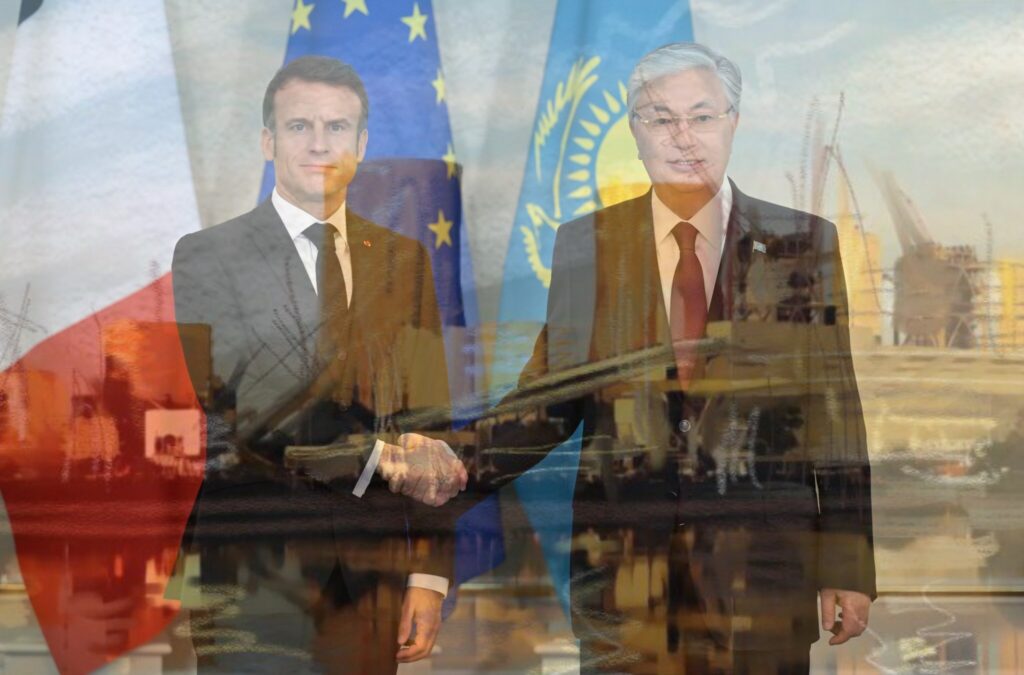
In November 2023, following the meeting between Kazakh President Kassym-Jomart Tokayev and his French counterpart Emmanuel Macron, in Astana, it became clear that, for Paris, establishing a strong nuclear partnership with the largest Central Asian nation was the top priority with regard to Kazakhstan. The following year, Tokayev flew to Paris for another round of talks with Macron. Reports suggest that nuclear cooperation was once again one of the key topics the two leaders discussed.

On November 4, a day prior to the Macron-Tokayev summit, French and Kazakh officials signed 24 documents on cooperation worth $2 billion. Unsurprisingly, energy was a central focus. Kazakhstan agreed to establish closer ties with two French nuclear giants: Orano and Électricité de France (EDF).

According to Gabidulla Osspankulov, Chairman of the Investment Committee of the Kazakh Foreign Ministry, Orano’s great experience in uranium extraction makes it a key partner for Astana. That is why the former Soviet republic aims to use the company’s technologies and experience in uranium production in Kazakhstan. Ospankulov also expects both Orano and EDF to be part of a consortium that will build the nuclear power plant in the Central Asian country.

Paris, on the other hand, is likely seeks to not only be involved in the construction of the nuclear facility, but also to get Kazakhstan’s spent nuclear fuel for reprocessing. In exchange, Astana – possibly the world’s largest uranium producer – can increase its uranium exports to France. From the French perspective, such an arrangement would be very beneficial, especially after Niger’s military government revoked Orano’s permit to operate at its Imouraren uranium mine – one of the biggest in the world. The problem, however, lies in geography and logistics.

On the eve of the Macron-Tokayev summit, the French train manufacturer Alotom and the Kazakhstan Temir Zholy Electric Locomotive Assembly Plant signed a deal on the supply of 117 French-made freight electric locomotives, weighing up to 9,000 tons, to the former Soviet republic. Will they be used for the transport of Kazakh uranium to France?

Russia and China, as the Central Asian nation’s giant neighbors, could easily, under any pretext, block the transport of Kazakh nuclear materials through their territories to Europe. Rail remains the dominant mode of transport for Kazakhstan’s uranium exports, but its reliance on Russian and Chinese routes poses a strategic challenge for Astana.

To avoid using the two nations’ railways, Astana would have to boost uranium and potentially also spent nuclear fuel exports via the Caspian Sea Route, primarily through the Middle Corridor. It is, therefore, no surprise that modernization of this network remains Kazakhstan’s primary objective. But without reaching a “nuclear deal” with Russia and China, this route could also become problematic, as Kazakhstan risks worsening relations with Moscow and Beijing.

Quite aware of that, Tokayev stated before his trip to France that the first Kazakh nuclear power plant “must be built by an international consortium.” In other words, he likely aims to apply his well-known “multi-vector” foreign policy to the construction of the nuclear facility in Kazakhstan. That, however, does not mean that Astana will hesitate from strengthening economic and energy cooperation with Paris.

As Tokayev wrote in his article for the French Le Figaro newspaper, “after it decided to build the first nuclear power plant, Kazakhstan can support the French nuclear industry while retaining its status as a reliable partner.” That is exactly what France, which recently reached similar arrangements with Serbia – another country Tokayev is expected to visit in the near future – hopes to achieve.

While in Kazakhstan France eyes uranium, in the Balkan nation it aims to get lithium and other raw materials, and potentially to build small modular nuclear reactors. More importantly, Belgrade has recently signed a deal with Paris for the purchase of twelve French-made Rafale jets, although without the Meteor missiles. Interestingly enough, in November 2023, following the summit between Macron and Tokayev in Astana, French media reported that Kazakhstan also eyed Rafale jets.

Indeed, there are similarities between the deals France reached with Serbia and those it hopes to sign with Kazakhstan. But there are significant differences, too. Serbia, unlike Kazakhstan, is not Russia’s ally in the Collective Security Treaty Organization (CSTO), and it does not share a border with the Russian Federation. Also, the Southeast European nation is firmly in the Western geopolitical orbit, which gives Moscow very little room for maneuver there.

Kazakhstan’s proximity to both Russia and China forces the authorities in Astana to maintain a delicate balance, avoiding confrontation with its neighbors while developing closer economic and energy ties with the West. But will Moscow and Beijing view Astana’s nuclear ambitions favorably?


Germany Deports Tajik Political Activist Dilmurod Ergashev

Germany has decided to deport Dilmurod Ergashev, a political activist and member of the Movement for Reforms and Development of Tajikistan, who had applied for asylum in Germany. This is despite requests from international human rights organizations such as Human Rights Watch and the Helsinki Committee not to deport Ergashev because of the risk of him being tortured in Tajikistan.

Friends of the activist said Ergashev was told to report to the deportation center and prepare to leave. The activist, who has lived in Germany for the past 13 years, was detained in the town of Kleve on October 28 and taken to the administrative court, where his deportation was ordered.

According to associates, the court should have considered that another administrative court was still considering Ergashev’s application for political asylum. Sharofiddin Gadoev, leader of the Movement for Reforms and Development, confirmed that the deportation process has already begun. Ergashev is likely to be sent back to Tajikistan on November 6.

“The decision to deport Ergashev strengthens the authoritarian system in Tajikistan and increases fear among political activists,” Gadoev said.

He said there may be an agreement between Germany and Tajikistan to deport activists forcibly. Ergashev’s lawyer has filed an appeal with the Supreme Court but is unavailable for comment.

Dozens of Tajik citizens have moved to Europe in recent years, many of whom disagree with their country’s policies. Germany has previously deported activists such as Abdullo Shamsiddin and Bilol Kurbonaliev, who were sentenced to long prison terms upon their return home. Also extradited from Austria to Tajikistan in 2020 was Hizbullo Shovalizoda, a member of the banned Islamic Renaissance Party of Tajikistan. He has been sentenced to 20 years in prison.

Turkey Writes Off All Foreign Debt to Kyrgyzstan

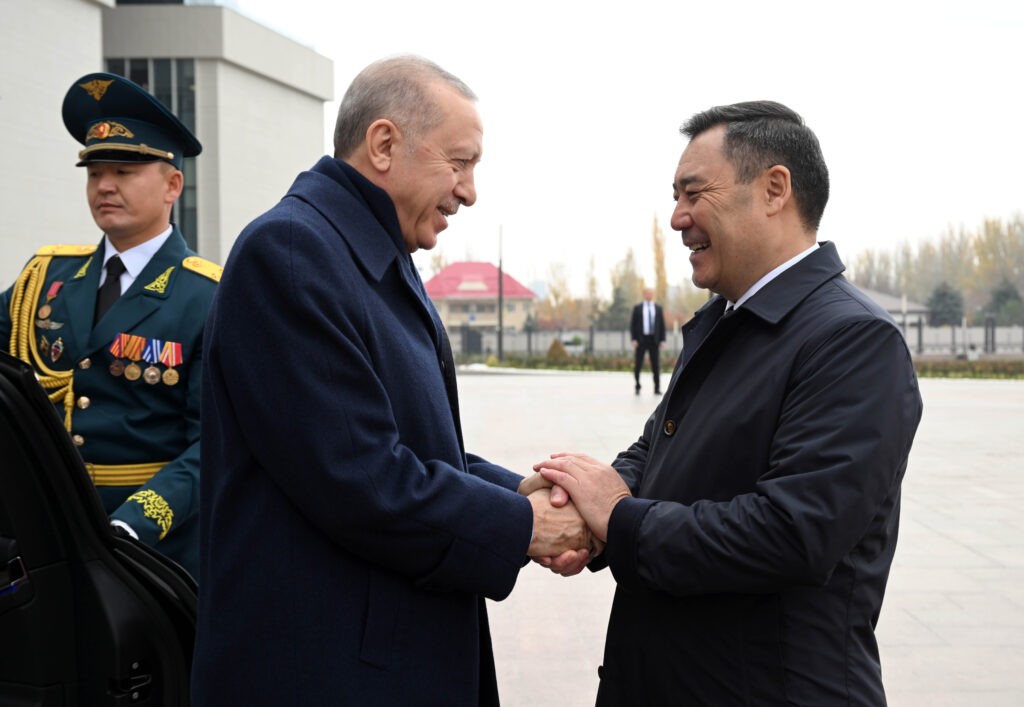
Turkish President Recep Tayyip Erdogan has held talks with Kyrgyz President Sadyr Japarov during his state visit to Bishkek. It has became known that Turkey has decided to write off Kyrgyzstan’s remaining debt, which amounted to $58.9 million.

“I express my sincere gratitude to President Erdogan for the decision to write off the debt,” Japarov said at a joint press conference. He also asked the Turkish side to consider customs privileges for Kyrgyz suppliers and to involve Turkish companies in constructing small—and medium-sized hydroelectric power plants in Kyrgyzstan.

Erdogan said the talks resulted in the signing of 19 documents on cooperation, including in trade.

“We discussed steps to increase trade turnover between our countries from $2 billion to $5 billion. Turkish construction companies have implemented more than 90 projects here with a total value of about $1 billion,” he said.

This is not the first time Turkey has forgiven Kyrgyzstan’s debt. In 2011 Ankara wrote off $51m of the country’s foreign debt, accrued over the previous 15 years. According to the Kyrgyz Finance Ministry, by August 2024, the country’s total foreign debt amounted to $4.6 billion.

Erdogan is on a state visit to Kyrgyzstan from November 4-6.

Alstom to Supply 117 Locomotives to Kazakhstan

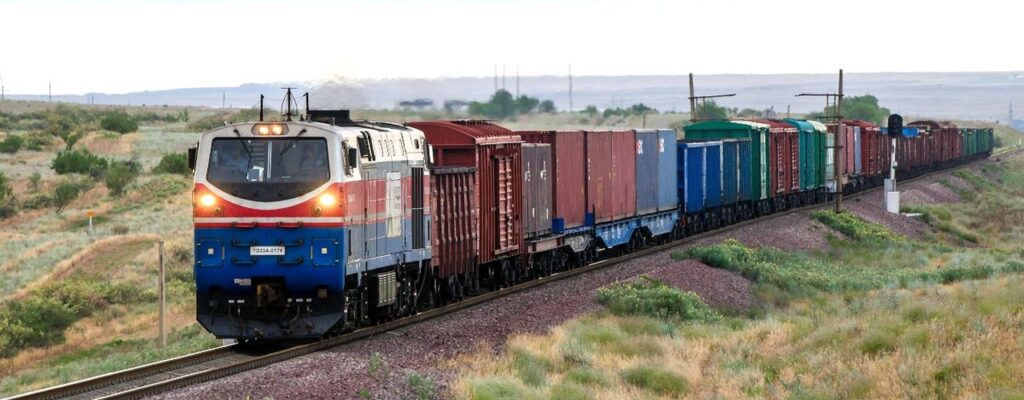
Kazakhstan’s national railway company, Kazakhstan Temir Zholy (KTZ), Electric Locomotive Assembly Plant, and France’s Alstom have agreed to supply 117 freight electric locomotives by 2028 and establish service centers for them. The document was signed at Paris’s November 4 Kazakhstan-France Business Council meeting.

These powerful electric locomotives, capable of hauling freight trains weighing up to 9,000 tons, will replace the outdated VL-80 locomotives of the 1980 model. The new locomotives’ advantages include lower cost, more economical power consumption, high reliability, and lower maintenance costs.

The French bank Société Générale will provide preferential financing for the purchase of the locomotives.

Kazakhstan’s railways play a strategic role in its economy. The country is a key transit hub for rail cargo transportation along the Trans-Caspian International Transport Route (TITR), also known as the Middle Corridor, which connects China and Europe.

Today, more than 50% of freight in Kazakhstan is transported by rail.

Kazakhstan Temir Zholy, the country’s national railway company, reported transporting more than 122 million tons of cargo from January to June 2024.

Kazakhstan and China to Double Trade, Increase Cargo Transportation

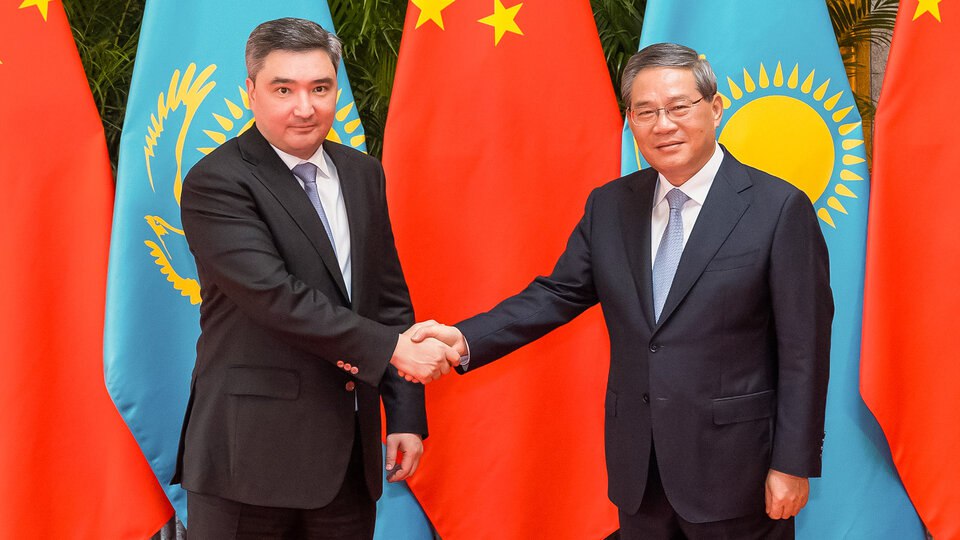
On November 4, Kazakhstan’s Prime Minister Olzhas Bektenov arrived in Shanghai and held talks with his Chinese counterpart China Li Qiang. They discussed strengthening trade, investment, transport and logistics cooperation, agriculture, energy, and tourism. Kazakhstan and China aim to double bilateral trade turnover from last year’s historic high of $41 billion. In January-September 2024, Kazakh-Chinese trade totaled $33 billion.

Bektenov stressed that Kazakhstan is ready to increase exports to China of 180 high-value-added commodity items worth $1.6 billion. Bilateral agricultural trade increased by 5.8% from January to September 2024, reflecting China’s growing demand for Kazakhstani organic and environmentally-friendly agricultural products. The sides discussed expanding the export of Kazakh grain, crops, and livestock products.

Regarding the transport and logistics sector, the Kazakh and Chinese prime ministers noted that over 80% of land cargo transportation from China to Europe today passes through Kazakhstan. Therefore, Kazakhstan is interested in deepening cooperation within China’s Belt and Road Initiative framework.

Bektenov noted that this globally important project, together with the Trans-Caspian International Transport Route (the Middle Corridor), running through the territory of Kazakhstan, can unlock the potential of the North-South and East-West corridors. In January-September 2024, the traffic volume along the Middle Corridor exceeded the previous year’s figures by 23% and amounted to 3.4 million tons. This figure is expected to increase to 10 million tons annually by 2030.

Bektenov also attended the Kazakh-Chinese investment roundtable in Shanghai, which resulted in the signing of commercial agreements with Chinese companies totaling $2.5 billion, including on energy projects and localized automotive production.

Addressing the forum, Bektenov said: “Kazakhstan and China have huge potential for implementing joint investment projects. Together, we can open new horizons for interaction and increase the effectiveness of cooperation. To this end, we should actively work to expand transit opportunities, strengthen industrial cooperation, and build ties between our business communities.”

Kyrgyzstan Backs Turkish Arms Embargo Against Israel

The Turkish authorities have sent a letter to the UN on behalf of 52 countries calling for an arms embargo against Israel in response to the ongoing war in Gaza and Lebanon, Turkish media has reported. In the letter, the Turkish authorities call the “staggering” civilian death toll “unconscionable and intolerable.” In response to the letter, Turkish Ambassador to the UN, Danny Danon stated in uncompromising terms, “What else can be expected from a country whose actions are driven by malice in an attempt to create conflicts with the support of the ‘Axis of Evil’ countries?”

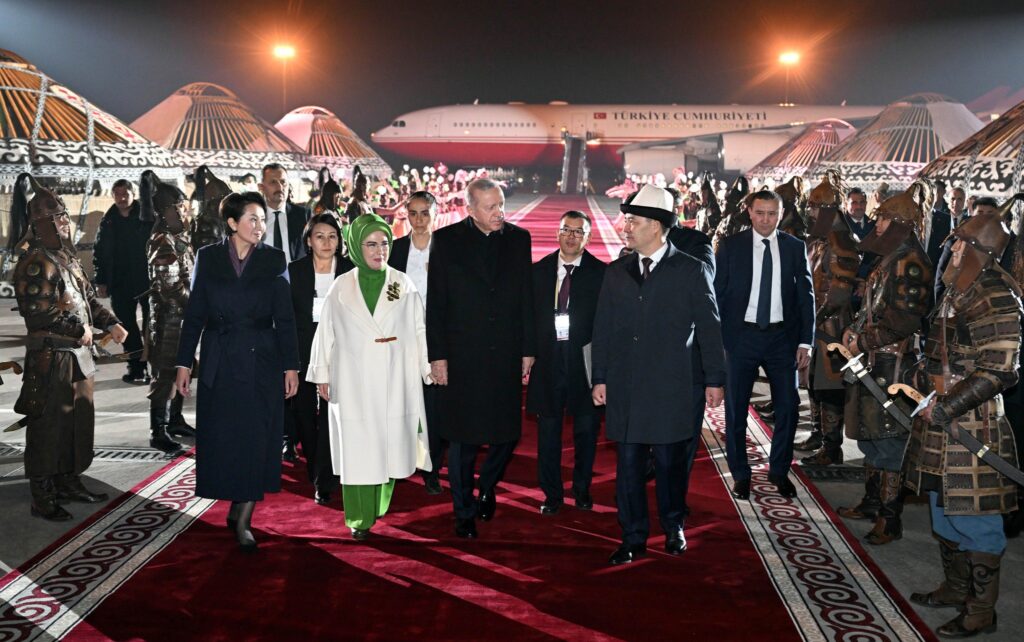
Turkish President Recep Tayyip Erdogan arrived in Bishkek on November 4. During the visit, the Turkish leader will hold talks with the president of Kyrgyzstan and participate in the 11th Summit of the Council of Heads of State of the Organization of Turkic States. Following the summit, several bilateral documents will be signed to expand strategic cooperation between the countries. On the eve of Erdogan’s visit, Kyrgyzstan backed the Turkish resolution in the UN.

The authorities in Turkey have stated that with its military actions against Palestine and Lebanon, Israel has brought the entire region to the brink of a full-scale war. “This is necessary to end Israel’s illegal occupation, to prevent further violations against civilians in the Gaza Strip and the rest of the occupied Palestinian territory, as well as in Lebanon, and to prevent further regional escalation,” Turkey’s permanent representative to the UN, Ahmet Yildiz stated.

The Turkish letter was signed by 52 states, including Russia, Kazakhstan, and China, whilst the Arab League, and the Organization of Islamic Cooperation are also signatories. Kyrgyzstan, along with other Central Asian states, usually adheres to strict diplomatic neutrality regarding the Middle East conflict.