• KGS/USD = 0.01144 0%
  • KZT/USD = 0.00196 -0%
  • TJS/USD = 0.10899 -0%
  • UZS/USD = 0.00008 -0%
  • TMT/USD = 0.28490 0%
  • KGS/USD = 0.01144 0%
  • KZT/USD = 0.00196 -0%
  • TJS/USD = 0.10899 -0%
  • UZS/USD = 0.00008 -0%
  • TMT/USD = 0.28490 0%
  • KGS/USD = 0.01144 0%
  • KZT/USD = 0.00196 -0%
  • TJS/USD = 0.10899 -0%
  • UZS/USD = 0.00008 -0%
  • TMT/USD = 0.28490 0%
  • KGS/USD = 0.01144 0%
  • KZT/USD = 0.00196 -0%
  • TJS/USD = 0.10899 -0%
  • UZS/USD = 0.00008 -0%
  • TMT/USD = 0.28490 0%
  • KGS/USD = 0.01144 0%
  • KZT/USD = 0.00196 -0%
  • TJS/USD = 0.10899 -0%
  • UZS/USD = 0.00008 -0%
  • TMT/USD = 0.28490 0%
  • KGS/USD = 0.01144 0%
  • KZT/USD = 0.00196 -0%
  • TJS/USD = 0.10899 -0%
  • UZS/USD = 0.00008 -0%
  • TMT/USD = 0.28490 0%
  • KGS/USD = 0.01144 0%
  • KZT/USD = 0.00196 -0%
  • TJS/USD = 0.10899 -0%
  • UZS/USD = 0.00008 -0%
  • TMT/USD = 0.28490 0%
  • KGS/USD = 0.01144 0%
  • KZT/USD = 0.00196 -0%
  • TJS/USD = 0.10899 -0%
  • UZS/USD = 0.00008 -0%
  • TMT/USD = 0.28490 0%
08 December 2025

Uranium Lawsuit Against Kyrgyz Government To Be Considered in Washington, D.C.

A case against the Kyrgyz authorities will be heard in Washington, D.C. in November 2024. At the end of 2022, International Mining Company Invest Inc. – which is headquartered in the U.S. – filed a lawsuit in international arbitration, accusing the Kyrgyz authorities of illegally expropriating investments. The company estimated its losses at $63 million.

In 2009, International Mining Company Invest Inc. received the right to use subsoil for geological exploration. In 2013, the country’s authorities issued a license to the foreign company to search for uranium and other metals at one more site. International Mining Company Invest Inc. carried out work in three regions of the republic; however, in 2019, a moratorium on exploration and development of uranium and thorium deposits was introduced. The company lost its license and initiated arbitration proceedings at the International Center for Settlement of Investment Disputes.

Speaking at a press conference in Bishkek, Kyrgyz Justice Minister Ayaz Baetov said the case will be heard in international arbitration in Washington in November 2024. “The so-called uranium moratorium was the reason for this case’s emergence. The case is now being considered. We have our arguments; they have theirs,” the official stated.

The previous authorities imposed a moratorium on the mining and exploration of uranium and thorium deposits; the new administration lifted the ban, but announced that Kyrgyz companies would develop the deposits.


National Bank of Kyrgyzstan Announces 2027 Launch for Digital Som

Kyrgyzstan plans to introduce the digital som by 2027, with the National Bank proposing amendments to the Constitutional Law “On the National Bank” to facilitate this. The proposal includes creating a legal framework and outlining the National Bank’s new functions and powers, focusing on issuing and managing the digital som. This digital currency aims to enhance the financial sector, improve public administration, and foster innovation in payment systems, offering benefits like more transparent and secure transactions, reduced bureaucratic obstacles, and convenient access to financial services through mobile applications.

U.S. Company to Support Kazakhstan’s Production of Sustainable Aviation Fuel

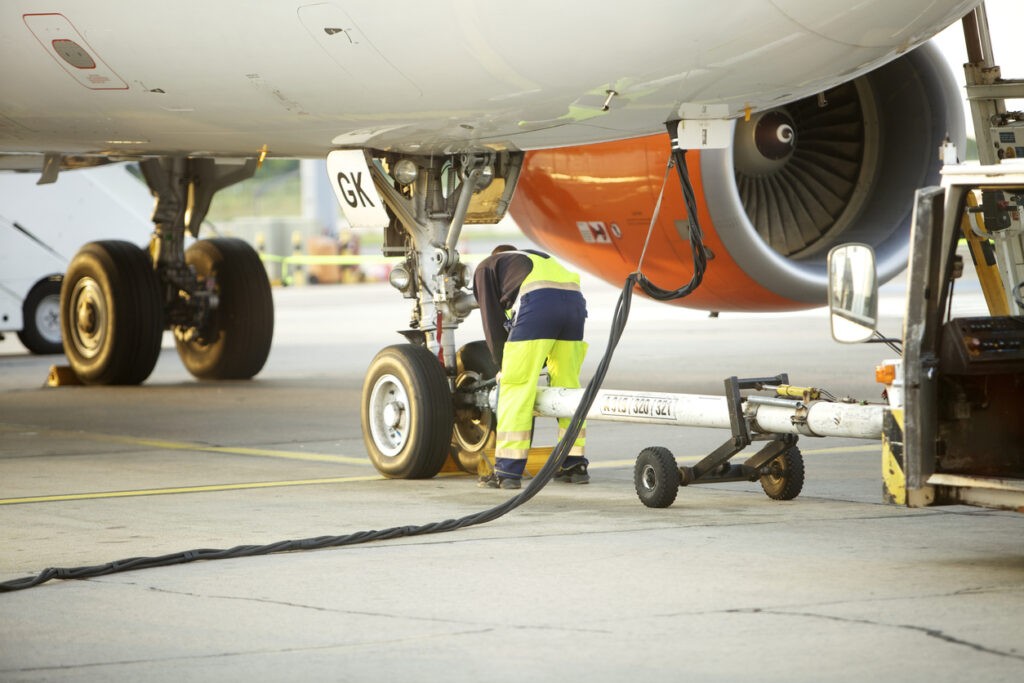
Kazakhstan’s national oil and gas company KazMunayGas (KMG) and the American technology company LanzaJet have signed a memorandum of cooperation for a strategic partnership in the production of environmentally sustainable aviation fuel (SAF) in Kazakhstan.

While in the United States from August 5-7, KMG Chairman of the Board Askhat Khassenov visited the American company’s laboratory in Chicago and met with LanzaJet CEO Jimmy Samartzis.

Khassenov noted that KMG aims to reduce its carbon footprint by 15% by 2031, compared to 2019 levels, and developing the country’s biofuels market will support Kazakhstan’s goal of carbon neutrality. He then stated that in response to the current rise in the global demand for SAF, his company is considering its production in Kazakhstan.

LanzaJet CEO, Jimmy Samartzis, emphasized the importance of Kazakhstan’s initial steps towards producing environmentally friendly jet fuel and expressed readiness to provide full technological support. LanzaJet specializes in SAF production technology from ethanol (ethanol-to-jet or alcohol-to-jet) and has long-term off-take agreements with major airlines. In January 2024, the company launched the world’s first commercial-scale LanzaJet Freedom Pines Fuels plant for SAF production from ethanol.

KMG earlier said that a preliminary feasibility study for the possible construction of a SAF production facility in Kazakhstan had already been completed by KMG and Air Astana with financial assistance from the European Bank for Reconstruction and Development (EBRD).

SAF (Sustainable Aviation Fuel), an alternative to conventional jet fuel, represents a promising tool for decarbonizing the aviation industry. SAF can be derived from bioethanol (ethanol) produced from plants and other renewable sources, and compared to traditional jet fuel, reduces carbon emissions by 80%.

In Europe, all jet fuel must contain 2% SAF from 2025 onwards, and the use of eco-friendly jet fuel must rise to 63% by 2050.

Uzbekistan Plans to Export Electricity to Europe by 2030

The first meeting of energy ministers was held as part of the sixth consultative meeting of the leaders of the Central Asian nations. At the meeting in Astana, Uzbekistan announced that it could begin exporting excess electricity to Europe by 2030. According to the Minister of Energy of Uzbekistan, Jorabek Mirzamahmudov, if the tripartite project of Kazakhstan, Uzbekistan and Azerbaijan on the transmission of the cable along the bottom of the Caspian Sea is successfully implemented, Uzbekistan will be able to transfer excess electricity.

“By the end of this year, we will increase the total energy capacity obtained from renewable energy sources to the level of more than 4 GW. By 2030, this indicator will exceed 20 GW, of which 2–5 GW of energy will be exported to Europe,” the minister said.

According to Mirzamahmudov, the exact volume of exports will depend on the electricity transmission system’s capacity and European buyers’ needs. Mirzamahmudov also stated that Uzbekistan’s electricity would pass through Kazakhstan through the unified energy system of Central Asia, through the Caspian Sea to Azerbaijan, from there to Georgia, and then through the Black Sea to Romania, Hungary, and Bulgaria.

Following Uzbekistan’s development strategy, the total generation capacity will be increased by 2.4 times (44.9 GW) by 2030. At the same time, the share of renewable energy sources will be increased to 40%. For this purpose, solar and wind energy production projects with a total capacity of 18.8 GW (8.6 GW solar, 10.2 GW wind) will be implemented.

Uzbekistan and Kazakhstan Sign $5 Billion in Agreements at Business Forum

On August 7, a joint business forum was held in Astana with more than 300 representatives from business circles of Uzbekistan and Kazakhstan in attendance. At the forum, joint projects involving automotive engineering, electrical engineering, pharmaceuticals, the chemical and logistics industries were discussed, and a set of agreements with a total value of $5 billion were adopted, according to the Agency for the Development of the Pharmaceutical Network.

A memorandum of understanding was signed between Kazakhstan’s JV KAZ AMT and Uzbekistan’s Estess Atraumatic Sterile Surgical Threads LLC, Kazakhstan’s Dolche LLC and Uzbekistan’s Medproject Technology LLC.

The President of the Republic of Uzbekistan, Shavkat Mirziyoyev, arrived in Astana on August 7 at the invitation of the President of Kazakhstan. Within the framework of the visit, Mirziyoyev will participate in the consultative meeting of the leaders of the Central Asian countries and the dialogue in the format Central Asia + Japan.

President Mirziyoyev signed the decision to establish a free economic zone of the Central Asia International Industrial Cooperation Center on August 6. The zone will be organized in the Syr Darya region. Industrial cooperation will be expanded by involving enterprises in the production process in the center’s territory and establishing the production of import-substituting products. Only products manufactured in Uzbekistan and Kazakhstan are sold in the center’s territory under the control of a production certificate.

According to the decision, Kazakhstani and foreign citizens can enter the center’s territory without a visa through a special checkpoint with an identity document, and stay in the territory for 15 days.

Caspian Sea Swim by Travelers Carl Bushby and Angela Maxwell

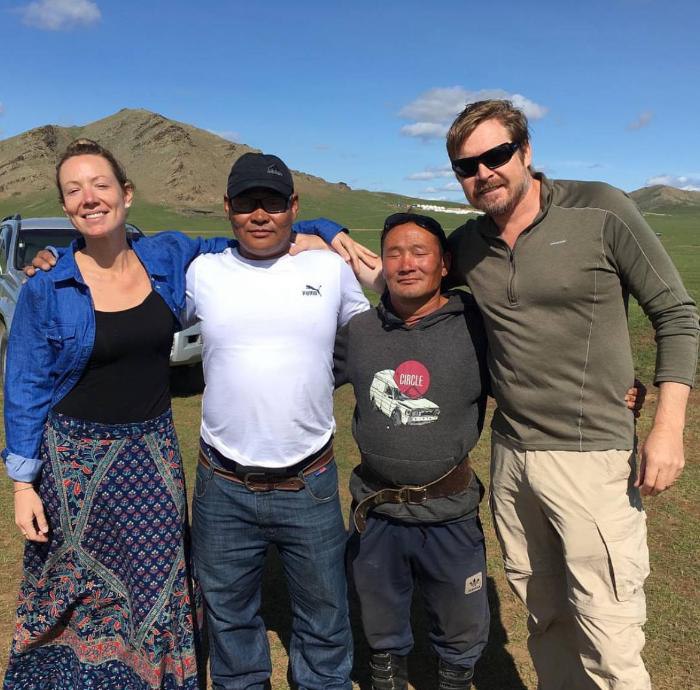
British traveler Carl Bushby and American traveler Angela Maxwell, accompanied by accompanied by 15-time Azerbaijani swimming champions Anastasia Boborkina and Abdurrahman Rustamov, plan to become the first people ever to swim across the world’s largest closed inland body of water, the Caspian Sea.

The expedition covering approximately 300 kilometers, from Aktau, Kazakhstan, to Baku, Azerbaijan, will begin mid-August and take about a month to complete.

Crossing the Caspian Sea is a significant part of the unique and ambitious ‘Goliath’ project instigated by Carl Bushby to circumnavigate the globe without using any form of transport. Having set off in 1998, the paratrooper-turned writer has now covered over two-thirds of the 58,000-kilometre journey.

Angela Maxwell is an experienced American traveler, renowned for her extreme expeditions. In 2014, she sold all her belongings and set off on foot to explore the world.  Since then, she has covered thousands of kilometers, often alone, through different countries, encountering diverse cultures and overcoming numerous challenges. Maxwell’s participation in the Caspian Sea swim adds a new dimension to the Goliath expedition whilst emphasizing both adventurers’ daring spirit and courage.

The Caspian Sea swim is a physically challenging and strategically important part of  journey, given the current climate which prohibits crossing Russia and Iran by foot. Bushby admits to having limited swimming experience and to preserve their energy and safely attain their goal, the pair plan to swim around 10 kilometers a day, escorted by a boat to assist in any emergencies.