• KGS/USD = 0.01144 0%
  • KZT/USD = 0.00193 -0%
  • TJS/USD = 0.10838 -0.09%
  • UZS/USD = 0.00008 0%
  • TMT/USD = 0.28490 0%
  • KGS/USD = 0.01144 0%
  • KZT/USD = 0.00193 -0%
  • TJS/USD = 0.10838 -0.09%
  • UZS/USD = 0.00008 0%
  • TMT/USD = 0.28490 0%
  • KGS/USD = 0.01144 0%
  • KZT/USD = 0.00193 -0%
  • TJS/USD = 0.10838 -0.09%
  • UZS/USD = 0.00008 0%
  • TMT/USD = 0.28490 0%
  • KGS/USD = 0.01144 0%
  • KZT/USD = 0.00193 -0%
  • TJS/USD = 0.10838 -0.09%
  • UZS/USD = 0.00008 0%
  • TMT/USD = 0.28490 0%
  • KGS/USD = 0.01144 0%
  • KZT/USD = 0.00193 -0%
  • TJS/USD = 0.10838 -0.09%
  • UZS/USD = 0.00008 0%
  • TMT/USD = 0.28490 0%
  • KGS/USD = 0.01144 0%
  • KZT/USD = 0.00193 -0%
  • TJS/USD = 0.10838 -0.09%
  • UZS/USD = 0.00008 0%
  • TMT/USD = 0.28490 0%
  • KGS/USD = 0.01144 0%
  • KZT/USD = 0.00193 -0%
  • TJS/USD = 0.10838 -0.09%
  • UZS/USD = 0.00008 0%
  • TMT/USD = 0.28490 0%
  • KGS/USD = 0.01144 0%
  • KZT/USD = 0.00193 -0%
  • TJS/USD = 0.10838 -0.09%
  • UZS/USD = 0.00008 0%
  • TMT/USD = 0.28490 0%
10 December 2025

Astana Unveils Monument to Great Turkmen Poet Pyragy

On July 4, a monument to the great Turkmen poet and thinker Magtymguly Pyragy (1724-1807) was unveiled in Kazakhstan’s capital, Astana. The ceremony was attended by the National Leader of the Turkmen people, Chairman of the People’s Council of Turkmenistan Gurbanguly Berdimuhamedov, Chairman of the Senate of the Parliament of Kazakhstan Maulen Ashimbayev, and Astana Mayor Kassymbek Zhenis.

The International Organization of Turkic Culture (TURKSOY) declared 2024 “The Year of the Great Poet and Thinker of the Turkic World – Magtymguly Pyragy,” while the 300th anniversary of the poet’s birth Pyragy was included in the UNESCO List of Memorable Dates for 2024-2025.

Speaking at the opening ceremony, Gurbanguly Berdimuhamedov announced that the erection of the monument in the capital of Kazakhstan testifies the eternity and inviolability of Kazakh-Turkmen friendship. The National Leader of Turkmenistan also emphasized the continuous, important role played by culture, music, poetry, and creativity in general, in maintaining close and cohesive ties between peoples.

Hailing the legacy of Pyragy the property of all humanity, the Chairman of the Kazakh Senate Maulen Ashimbayev stressed that just like the poems and philosophical prose of the great Kazakh writer Abai, the poetic heritage of the brilliant son of the Turkmen people is perceived in Kazakhstan as an integral part of the common treasury of Turkic culture.


Astana Qazaqhstan Team’s Stellar Rise from the Ashes

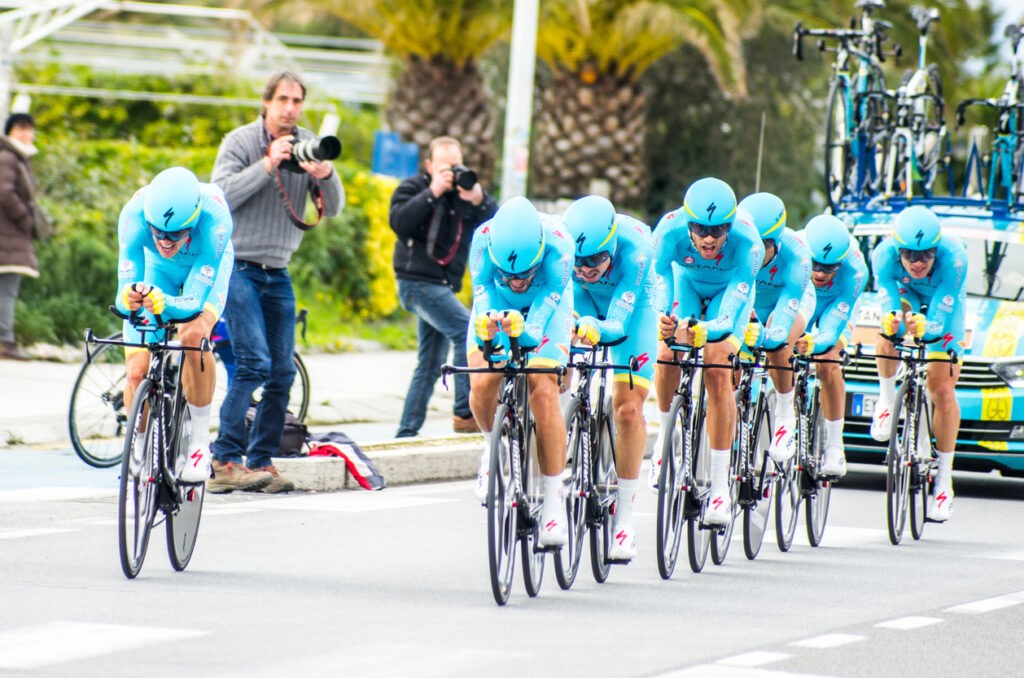
On July 4, the official website of the National Olympic Committee of the Republic of Kazakhstan announced that Astana Qazaqstan Team member, Mark Cavendish, won the fifth stage of the Tour de France.  Winning the Tour for the 35th time, Cavendish surpassed the previous record set by Eddy Merckx and demonstrating the management’s rise from recent troubles, his victory revived his team’s former glory.

Two names

Alexander Vinokurov and Danial Akhmetov are the two cyclists who first turned the spotlight on the Astana Qazaqstan Team.

In May 2006, “Operation Puerto”, the code name of the Spanish police investigation into the doping system in cycling, led by Dr. Eufemiano Fuentes, resulted in a series of searches and arrests involving numerous cyclists. The implication of the Spanish team Liberty Seguros-Würth, of which Kazakh cyclists Alexander Vinokurov and Andrey Kashechkin were key members, led to its sponsors’ withdrawal.  Vinokurov sought assistance from the then Prime Minister and head of the Cycling Federation of Kazakhstan, Danial Akhmetov. With support from the latter, the Astana team was established that year and Vinokurov celebrated by winning the Vuelta a España, with Kashechkin finishing third.

Scandals, intrigues, investigations

The first scandal broke out immediately. When the owner of the ProTour license, which belonged to Liberty Seguros-Würth, refused to sell it to Astana, the team submitted an application to the International Cycling Union. The initial response from the  IUW was that it could not guarantee the license until the 2007 Tour.  Meanwhile, organizers assured Astana that it would be allowed to participate  in major international competitions and on December 20, 2006, the team was granted a four-year license.

In July 2007, a doping scandal broke at the Tour de France, at the centre of which, was Astana’s team leader , Alexander Vinokurov. A test performed after his winning a stage of the classic race showed the presence of different types of red cells in his blood, indicative of a blood transfusion prior to competing, and Vinokourov was disqualified for two years.

Andrei Kashechkin was similarly caught and during the second season, two more Astana athletes, suspected of doping, were likewise suspended from racing. All these troubles led to the Kazakh team’s absence from the 2008 Tour de France season in the Giro d’I and other Grand Tours.

By then, the team was under the direction of  Johan Brunel renowned for bringing on winner of the Tour de France, Alberto Contador, and many other strong riders.

Both Johan Brunel and Alexander Vinokurov were connected with the doping scandal that followed in 2009.  As soon as his disqualification period had expired the famous rider intended to return to “Astana triumphantly.” Brunel invited American cyclist Lance Armstrong to Astana to pair with Contador. He persistently objected, however, to the contract with Vinokurov and Kashechkin. Ultimately, he left the team, unable to withstand the confrontation with the famous Kazakh. Armstrong and most of the team went after him, and Contador’s contract was delayed for another year.

The outcome of the scandals forced the team to rebrand and it became known by its current name: Astana Qazaqstan.

The team’s problems however, did not end there and in 2017,  it was almost crippled by the ousting of the former management of the Samruk-Kazyna holding company and the revision of funding for Astana-branded sports clubs. As reported on its official website, the cycling team was in dire need of more monetary resources.

Impact on the masses

Across Kazakhstan’s cities, the impact of Astana’s and Alexander Vinokurov’s successes are clear to see in the ever-increasing popularity of bicycle lanes and bike-sharing. Young people are turning to cycling for leisure and as a means of transport. Athletes hone their stamina and speed on customized trails and locals and visitors alike, flock to mass cycling races and events in Almaty and elsewhere.

All this and much more was made possible by examples set by Vinokurov, Kashechkin, Contador, Armstrong, and other athletes, as well as the direct support of Kazakhstan’s cycling federation in tandem with influential officials, starting with Danial Akhmetov.

Mark Cavendish, a British athlete riding for the Astana Qazaqstan Team, achieved a notable victory. Despite struggling with the heat on the first stage of the Tour of the Apennine Mountains and his team’s support, he performed well. He then had to fight hard in the  Florence to Rimini stage to stay in the race. His unexpected yet well-deserved victory will inspire and motivate new athletes to compete in the spirit of nomadic sports.

Travel Guide to Kazakhstan, Kyrgyzstan, and Uzbekistan Presented in Seoul

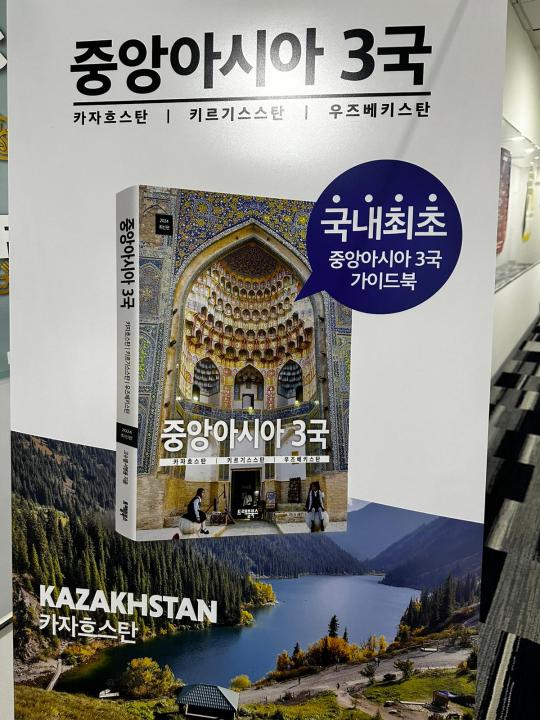
A presentation of the book, A Travel Guide to Three Countries of Central Asia, took place in the capital of South Korea on July 2, and was attended by the heads of the diplomatic missions of Kazakhstan, Kyrgyzstan, and Uzbekistan, as well as representatives of leading South Korean tour operators, airlines, and journalists, the Kazakh Foreign Ministry has reported.

During the event, Korean writer Seo Byung Yong spoke in detail about his book, which describes the unique tourist destinations of the region. The author spoke about the huge potential for tourism development in Central Asia, noting the visa-free regimes, the availability of direct flights, and the rich gastronomic culture and variety of destinations.

Speaking at the event, the Ambassador of Kazakhstan to the Republic of Korea, Nurgali Arystanov, emphasized the importance of expanding cooperation in the field of tourism, and invited Korean citizens to visit the 5th World Nomad Games, which will be held in Astana from September 8 to 13, 2024.

The Executive Director of the Central Asia – Republic of Korea Cooperation Forum’s Secretariat, Rhee Jong Kook, spoke of the importance of further strengthening cooperation with the countries of Central Asia in light of the recently adopted K-Silk Road strategy, as well as the successful negotiations of President of South Korea, Yoon Suk Yeol, with the President of Kazakhstan and leaders of other Central Asian nations.

Kyrgyz Supreme Court Upholds Sentence of Activist Zarina Torokulova

Considering the appeal of convicted activist Zarina Torokulova, the Supreme Court of Kyrgyzstan upheld the sentence passed down on her by lower courts, lawyer Akmat Alagushev has reported. According to Alagushev, the charges against the defendant were not proven at the investigation or in court; despite this, the court found her guilty.

On January 16, the Pervomaisky District Court of Bishkek found the activist guilty of violating Part 3 of Article 278 of the Criminal Code of the Kyrgyz Republic, which addresses “Calls for active disobedience to the lawful demands of authorities, mass disorder, and incitement to violence against citizens.”

Earlier, the prosecution noted that the activist shared two messages from the Facebook account “Umai Aruu.” One was “Japarov Mafia,” and the other was “Organizing an online rally,” a repost of a video by journalist, Olzhobai Shakir, who opposed the transfer of four boarding houses on Issyk-Kul to Uzbekistan, and urged citizens to come out for a rally. He was detained on August 23, 2023, by officers of the State Committee for National Security, accused of calling for active disobedience to law enforcement officials, mass disorder, and attempted seizure of power.

Torokulova was sentenced to five years’ imprisonment with three years’ probationary supervision.

Azerbaijan and Turkmenistan Nominate Traditional Craft of ‘Guram’ for UNESCO Cultural Heritage List

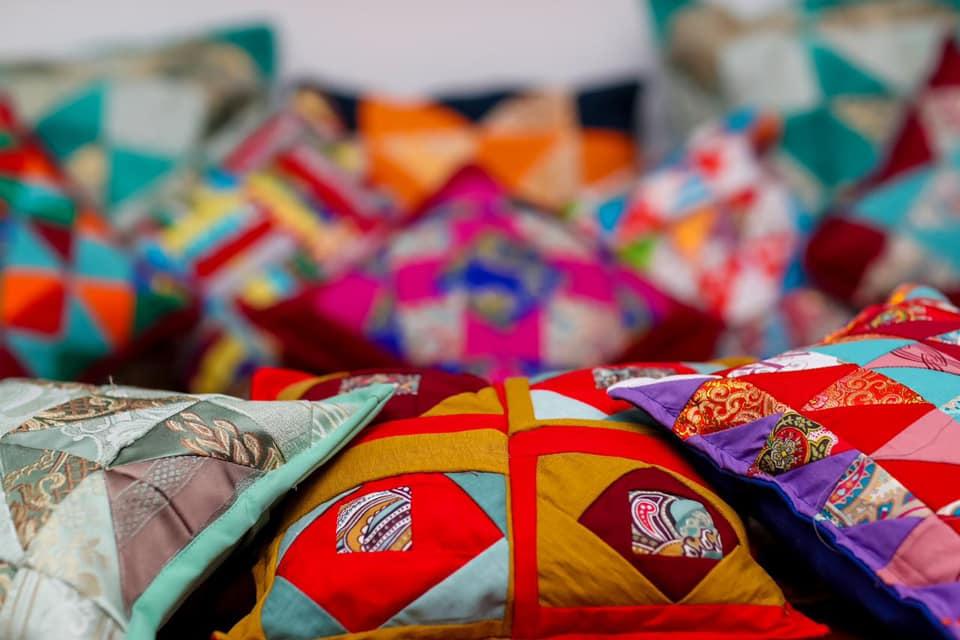
Turkmenistan’s National Commission to UNESCO is actively working towards the international promotion of the country’s cultural heritage and in collaboration with Azerbaijan, has nominated the patchwork art of ‘guram’ for inclusion in the List of Intangible Cultural Heritage of Humanity.

Regarding the move, Chinar Rustemova, Executive Secretary of the National Commission of Turkmenistan for UNESCO, stated, “We have also started talks with the Turkic History and Culture Foundation of the Republic of Turkey (TURKTAV) on cooperation in popularizing the cultural heritage of the Turkmen people in the Turkic world. The plans include expanding exhibition and library activities and organizing specific events within the framework of the regional project ‘Our Heritage’ proposed by the Turkmen side.”

It should be noted that this year, on the initiative of Turkmenistan, Tajikistan, and Iran, preparations are underway to nominate “Traditions of making cradles and singing cradle songs” for inclusion in the List of Intangible Cultural Heritage of Humanity.

Illegal Underground Tunnel Unearthed on Uzbekistan-Kazakhstan Border

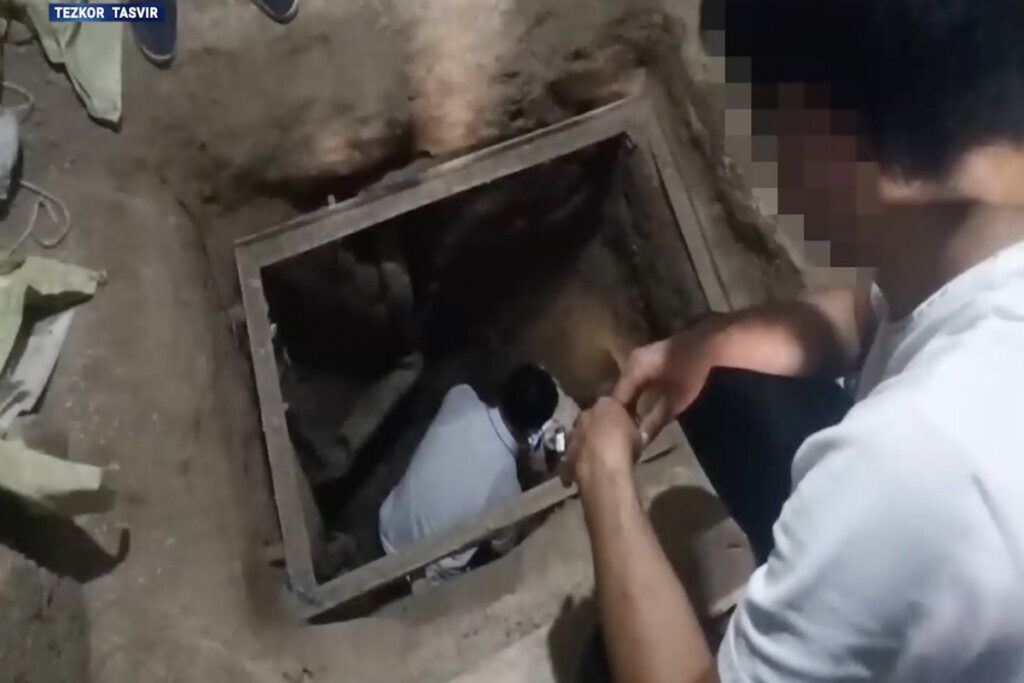
An illegal underground tunnel has been discovered in the border area of  Tashkent and Kazakhstan, according to the State Security Service of Uzbekistan (SSS).

It is noted that SSS employees were quick to call a meeting to cooperate with the “Tashkent-Aero” specialized customs complex’s  border troops and military personnel.

The gathering exposed a cross-border criminal group’s illegal importation of large quantities of substandard drugs from India through Kazakhstan to Uzbekistan.

The drugs were brought into Almaty’s international airport via the Delhi-Tashkent-Almaty air route. The stash was then delivered to the Dostlik settlement in the  Saryogoch district of the  Turkestan region, Kazakhstan, and transferred onwards to Tashkent’s  Orikzor neighbourhood, through a secret underground route.

The horde comprised 17,048 drugs, produced in India under 107 brands including Albumin, Remdesivir, and Meropenem. Valued at 1 billion 94 million UZS (approximately $87,096.82), the drugs were retained as evidence against the smugglers who are currently being held in detention.

Running a distance of 310 meters, the underground tunnel is a sophisticated construction furnished with  air ventilation,  lighting , carts, and ropes for cargo transportation.

In a previous post, The Times of Central Asia reported on the discovery of another secret tunnel connecting Kyrgyzstan and Uzbekistan.