• KGS/USD = 0.01143 -0%
  • KZT/USD = 0.00192 -0%
  • TJS/USD = 0.10820 0.19%
  • UZS/USD = 0.00008 0%
  • TMT/USD = 0.28575 0%
  • KGS/USD = 0.01143 -0%
  • KZT/USD = 0.00192 -0%
  • TJS/USD = 0.10820 0.19%
  • UZS/USD = 0.00008 0%
  • TMT/USD = 0.28575 0%
  • KGS/USD = 0.01143 -0%
  • KZT/USD = 0.00192 -0%
  • TJS/USD = 0.10820 0.19%
  • UZS/USD = 0.00008 0%
  • TMT/USD = 0.28575 0%
  • KGS/USD = 0.01143 -0%
  • KZT/USD = 0.00192 -0%
  • TJS/USD = 0.10820 0.19%
  • UZS/USD = 0.00008 0%
  • TMT/USD = 0.28575 0%
  • KGS/USD = 0.01143 -0%
  • KZT/USD = 0.00192 -0%
  • TJS/USD = 0.10820 0.19%
  • UZS/USD = 0.00008 0%
  • TMT/USD = 0.28575 0%
  • KGS/USD = 0.01143 -0%
  • KZT/USD = 0.00192 -0%
  • TJS/USD = 0.10820 0.19%
  • UZS/USD = 0.00008 0%
  • TMT/USD = 0.28575 0%
  • KGS/USD = 0.01143 -0%
  • KZT/USD = 0.00192 -0%
  • TJS/USD = 0.10820 0.19%
  • UZS/USD = 0.00008 0%
  • TMT/USD = 0.28575 0%
  • KGS/USD = 0.01143 -0%
  • KZT/USD = 0.00192 -0%
  • TJS/USD = 0.10820 0.19%
  • UZS/USD = 0.00008 0%
  • TMT/USD = 0.28575 0%
13 December 2025

Ten Years of the EAEU: Trade Wars Rumble On Against Backdrop of GDP Growth

The Eurasian Economic Union (EAEU) recently celebrated its first significant anniversary. According to the numbers, the years of integration have positively impacted the member states’ economies; however, there are serious trade wars in the bloc, and some entrepreneurs fear the collapse of entire industries.

The agreement on creating the EAEU was concluded on May 29, 2014, in Astana by the presidents of Kazakhstan, Russia, and Belarus. Later, Armenia and Kyrgyzstan joined the union, whilst Moldova, Uzbekistan, and Cuba hold observer state status. The member states initially emphasized the strictly economic nature of the union, and continuously refused to politicize it.

For Kazakhstan, membership in the EAEU is advantageous, because it simplifies exporting raw materials to foreign markets. In addition, the union has unified customs regulations and duty-free trade. According to official sources, the GDP growth rate of all EAEU countries in 2023 amounted to 3.8%, which is higher than global GDP growth. In Armenia, growth is 8.7%, in Kyrgyzstan 6.2%, in Kazakhstan 5.1%, in Belarus 3.9%, and in Russia 3.6%.

Mutual trade between member states has almost doubled since the union’s inception, with foreign trade increasing by 60%. Kazakhstan has increased trade turnover with EAEU countries 1.7 times, and foreign exports have doubled. According to the Bureau of National Statistics of Kazakhstan, foreign trade turnover for January-March 2024 increased to $31.2 billion, of which the share of trade with EAEU countries amounted to 19.6%, reaching $6.1 billion. Russia’s share in the volume of Kazakhstan’s external trade turnover (within the EAEU) exceeds 90%.

Nevertheless, creating a common harmonized market intended to copy that of the European Union has not yet been possible. A regulation financial system, logistics system, efficient electricity market, and other projects have yet to be implemented. In addition, the EAEU is often shaken by trade wars, and producers suffer from price dumping.

Kazakhstani businessmen and farmers have repeatedly complained that the expansion of cheap Russian goods threatens their livelihoods. This problem is particularly acute in the production of eggs, chicken, and dairy products, whilst Kazakhstan is critically dependent on Russian imports in some sectors, especially food. For example, when Russia imposed quotas on sugar exports or otherwise restricted sales, the cost of these products in Kazakhstan tripled in 2022. As soon as Russia removed these restrictions, the price quickly adjusted.

Comparable fluctuations are also observed in other sectors. Due to international sanctions, dairy producers from Russia and Belarus redirected their supplies to Kazakhstan and started dumping prices to take over the Kazakh market. In this regard, some experts proposed that the border be closed to these products to preserve the local dairy industry. At the same time, analysts referred to Russia’s frequent bans on the export of certain goods, mainly wheat and sugar. Such measures are not conducive to integration, but rural producers believe that Kazakhstani officials cannot effectively defend their interests in the EAEU market, even though they hold significant positions in the integration body.

This year, Kazakhstani entrepreneurs again complained that Russia and Belarus were flooding the country with cheap meat, milk, wheat, etc. The reasons behind this include the flexible policy concerning the ruble exchange rate, which positively affects the competitiveness of Russian goods. Russia supplied a significant part of the world with food before the war in Ukraine, and now, these volumes are discounted in the EAEU market.

According to some reports, about 25% of Kazakh farmers are on the verge of bankruptcy, and the industry faces mass unemployment. However, in the long term, Kazakhstan can only act against trade expansion by forcing the development of its agricultural production.

There has also been a long and regular history of confrontations between Kazakhstan and Kyrgyzstan, when hundreds of trucks have stood idle on the border because of bans on imports and exports. The clash between Moscow and Minsk in 2016 over the cost of gas, when Belarus believed fuel prices should be comparable to Russian ones, while Russia insisted on payments for transportation, has stood long in the memories of EAEU observers. As a result, Belarus accumulated a debt to Russia of $281 million in 2016, which resulted in a public clash. Experts also note significant gaps in the union’s technical regulations, which can be used negatively in trade wars.

Some union members have complained of a severe decline in entire industries. For example, Kyrgyzstan developed its textile industry in the noughties to the point that in some regions of Kazakhstan and Russia, its products began to displace Chinese and Turkish ones. The quality was comparable or higher, and the price was lower. However, with the country’s accession to the EAEU, raw materials became more expensive, whilst customers from partner countries had become accustomed to cheap goods. The sharp increase in the dollar exchange rate and devaluation of the tenge in Kazakhstan directly affected production in Kyrgyzstan, as tailoring shops bought fabrics and accessories in Turkey for dollars. Of course, the cost of production increased, so customers from Kazakhstan and Russia bought less, and Kyrgyz seamstresses had to work at a loss or close up shop.

Additionally, Chinese manufacturers began to label their goods with “made in KG” tags at the peak of the popularity of clothes from Kyrgyzstan. In principle, gray import markets and smuggling remain problems in the EAEU, along with the prolongation of agreements at the government level, which inevitably affects ordinary businesses and people. Thus, despite the statistics, the association still urgently needs to fix multiple problematic issues.

CASCA+ Transport Corridor Freight Transit

Representatives of the railway administrations of Uzbekistan, Kyrgyzstan, Turkmenistan, Azerbaijan, Georgia, and Turkey convened in Tashkent on May 28 and 29 to discuss the development of freight transportation along the CASCA+ transport corridor.

CASCA+ is a joint initiative of the state railways of Azerbaijan, Georgia, Kyrgyzstan, Turkmenistan, Turkey, and Uzbekistan. The “+” sign indicates a willingness to accept new potential participants in achieving the goal to connect transport routes to Southeast Asia, particularly China, with Europe.

As reported by Uzbekistan’s Ministry of Transport, the agenda focused on projects to develop the CASCA+ transport corridor, with representatives of all railway administrations supporting the Uzbekistan Railways’ initiative to create a consortium to coordinate related activities.

Proposals were also forwarded to establish the safe transportation of perishable goods such as fruit and vegetables in refrigerated containers along the CASCA+ corridor and to create an online monitoring system for the location of wagons and containers travelling along the route.

The emphasis on refrigerated transportation  aligns with recommendations made in March by President Shavkat Mirziyoyev at a government meeting on increasing Uzbek agricultural exports.


Close Associate of Tajikistan’s Prime Minister Rasulzoda Detained on Suspicion of Large-Scale Fraud

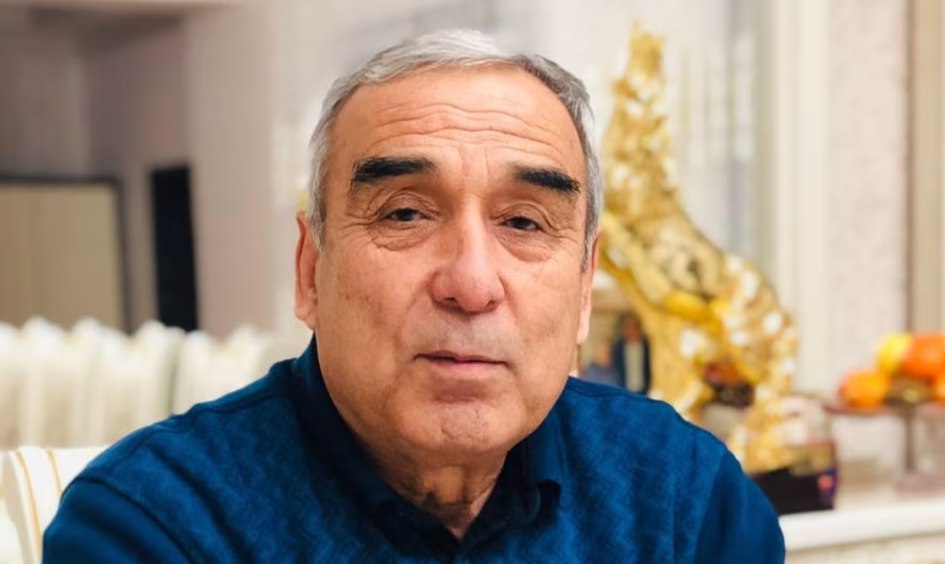
Mukim Ashurov, a relative by marriage of Tajikistan’s prime minister Kohir Rasulzoda, has been detained on suspicion of fraud, Radio Ozodi reports.

The Department of Internal Affairs in the country’s Sughd region said on May 30 that “the case against Mukim Ashurov is being investigated under Part 4 of Article 247 (Fraud committed on a large scale) of the Criminal Code of Tajikistan,” which carries a penalty of a fine or imprisonment for 8 to 12 years. Ashurov, 65, is currently being held in Khujand’s pre-trial detention center.

“It was established that several years ago, he entered the confidence of a resident of [the city of] Khujand and received from him 320 thousand dollars for the sale of a four-story store. But then he sold the store to another person but did not return the amount he had originally received,” a statement from the department says.

There is not much information about Ashurov in the public domain. According to official data he is a resident of Sughd’s Bobojon Gafurov district. A man named Mukim Ashurov has a Facebook profile that says that he lives in Khujand, and works as the director of a travel agency.

He is said to be very influential within the circle of the country’s prime minister, Kohir Rasulzoda. Ashurov’s son, Parviz Ashurov, is married to Rasulzoda’s eldest daughter.

U.S. Support for Uzbekistan’s Pharmaceutical Industry

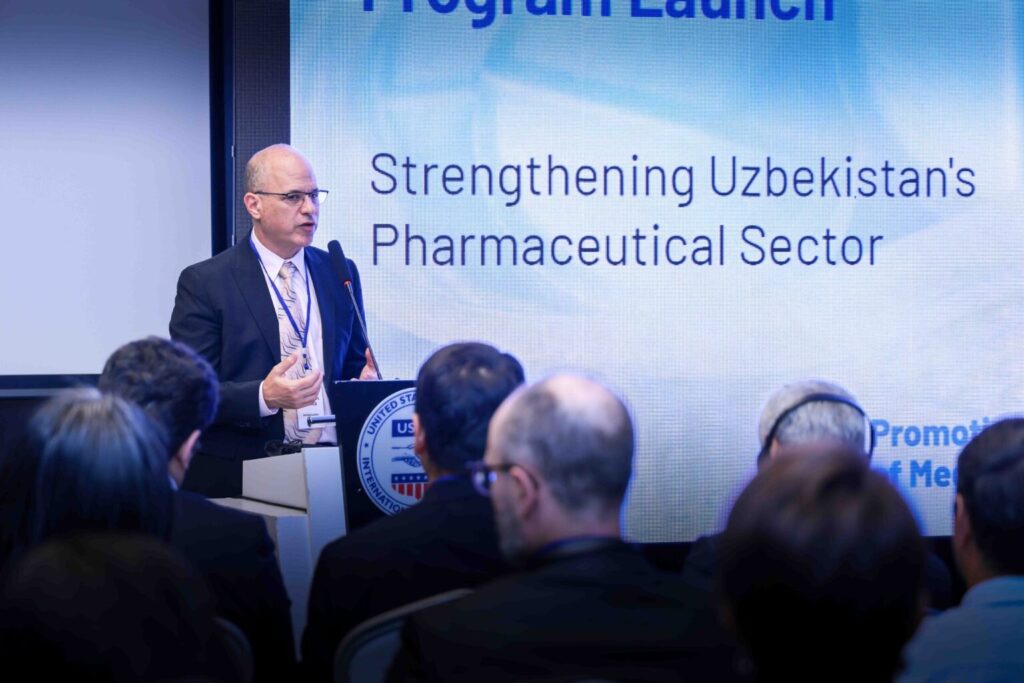
The launch of USAID’s Diversifying Asia’s Pharmaceutical Supply Chain project was attended by U.S. Ambassador to Uzbekistan Jonathan Henick and representatives of the country’s Ministry of Health and Agency for Development of the Pharmaceutical Industry.

Running for two years and costing US $2.5 million, the project aims to strengthen local pharmaceutical regulation, enhance local technology and workforce skills, and attract investment in the industry. It will also ensure that medicines produced in Uzbekistan meet both national and international quality standards.

Speaking at the launch, Henick stated, “Through our partnership, we will improve the health of the people of Uzbekistan while also improving the strength and responsiveness of the public and private pharmaceutical sectors. By aligning with global standards, we not only protect patients but also boost trust in local medicines, pharmaceutical companies, pharmacists, and the healthcare system as a whole.”

A key objective of the project is promoting domestic production of medicines to boost the sector’s contribution to the nation’s economic growth.

Despite being Central Asia’s largest pharmaceutical supplier, with over 220 private manufacturers, Uzbekistan still relies heavily on imported medicines and raw materials. To address this issue, the Government of Uzbekistan offers various means of support and incentives for local manufacturers including import substitution and robust quality control regulations.

Uzbekistan currently produces around 45% of the country’s medicines, a figure which the government aims to increase to 80% by 2026.

Deutsche Bank Loans €165 Million to Uzbekistan’s Uzpromstroybank

The Uzbek bank Uzpromstroybank has received a loan of €165 million ($180 million) from Germany’s Deutsche Bank.

Gazeta.uz reports that “The funds will be used to create new jobs, including the production of industrial and construction materials, as well as to finance medium-sized business projects with the involvement of foreign investors in Uzbekistan.”

The country’s president Shavkat Mirziyoyev has tasked commercial banks with attracting foreign investments and supporting clients’ investment projects by expanding external financing sources.

AIIB Forwards Construction of Strategic Bridge in Tajikistan

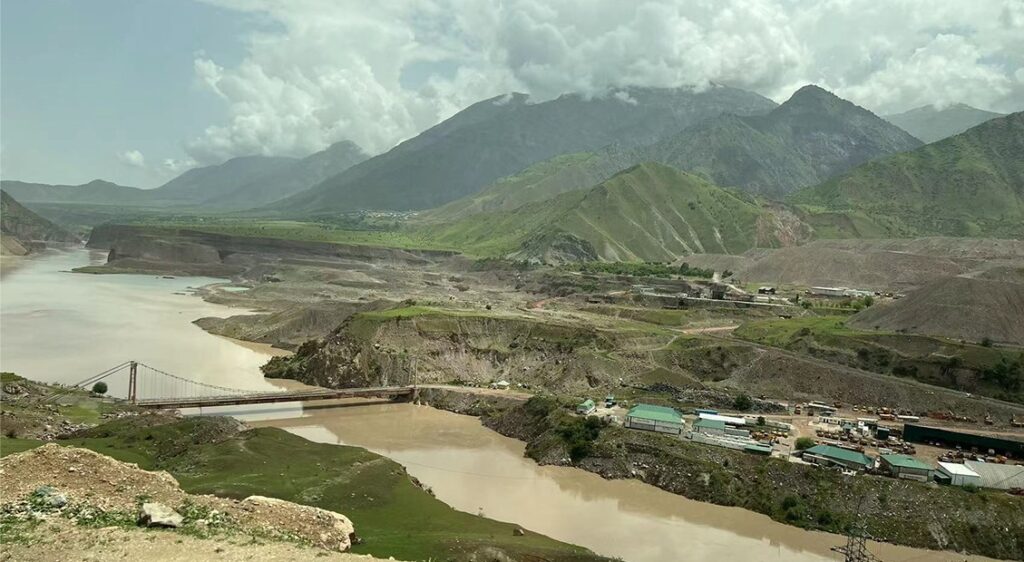
The Asian Infrastructure Investment Bank (AIIB) has approved a loan equivalent to US $75.5 million to Tajikistan for the construction of a 920-meter-long bridge and approach routes on the Obigarm-Nurobod section of M41 International Highway.

The bridge is the first of such magnitude in Tajikistan and a critical component of the county’s road network. Linking Corridors 2, 3 and 5 of the Central Asia Regional Economic Cooperation Program, it will provide essential connections between Tajikistan’s landlocked terrain and neighbouring regional markets.

Designed to withstand all weathers, the bridge will connect over 350,000 residents of the northeast region of Tajikistan to the capital Dushanbe, as well as the border of Kyrgyzstan.

To align with Tajikistan’s National Development Strategy, the government has prioritized its timely completion and construction of the 75-kilometer Obigarm-Nurobod section has been divided into three phases to ensure synchronized implementation.

Illustrative of a collaborative approach to advancing sustainable development and enhancing connectivity in Tajikistan, AIIB has fostered close coordination with other financiers, including the Asian Development Bank, OPEC Fund for International Development and European Bank for Reconstruction and Development.

Lauding the initiative, Konstantin Limitovskiy, AIIB’s Vice President for Investment Operations in Region 2, commented: “The project aligns with two core thematic priorities of AIIB. First, it contributes to cross-border connectivity by establishing vital cross-border links with improved road safety along Tajikistan’s essential corridor and ensuring connectivity between regions. Secondly, it embraces green-finance principles by integrating environmentally and socially responsible practices and promoting resilient sustainable mechanisms in the road infrastructure development.”