• KGS/USD = 0.01144 0%
  • KZT/USD = 0.00192 -0%
  • TJS/USD = 0.10876 0.55%
  • UZS/USD = 0.00008 0%
  • TMT/USD = 0.28490 0%
  • KGS/USD = 0.01144 0%
  • KZT/USD = 0.00192 -0%
  • TJS/USD = 0.10876 0.55%
  • UZS/USD = 0.00008 0%
  • TMT/USD = 0.28490 0%
  • KGS/USD = 0.01144 0%
  • KZT/USD = 0.00192 -0%
  • TJS/USD = 0.10876 0.55%
  • UZS/USD = 0.00008 0%
  • TMT/USD = 0.28490 0%
  • KGS/USD = 0.01144 0%
  • KZT/USD = 0.00192 -0%
  • TJS/USD = 0.10876 0.55%
  • UZS/USD = 0.00008 0%
  • TMT/USD = 0.28490 0%
  • KGS/USD = 0.01144 0%
  • KZT/USD = 0.00192 -0%
  • TJS/USD = 0.10876 0.55%
  • UZS/USD = 0.00008 0%
  • TMT/USD = 0.28490 0%
  • KGS/USD = 0.01144 0%
  • KZT/USD = 0.00192 -0%
  • TJS/USD = 0.10876 0.55%
  • UZS/USD = 0.00008 0%
  • TMT/USD = 0.28490 0%
  • KGS/USD = 0.01144 0%
  • KZT/USD = 0.00192 -0%
  • TJS/USD = 0.10876 0.55%
  • UZS/USD = 0.00008 0%
  • TMT/USD = 0.28490 0%
  • KGS/USD = 0.01144 0%
  • KZT/USD = 0.00192 -0%
  • TJS/USD = 0.10876 0.55%
  • UZS/USD = 0.00008 0%
  • TMT/USD = 0.28490 0%
11 December 2025

Henkel to Develop Production in Kazakhstan

Henkel, a leading German chemical and consumer goods company, is to transfer its Central Asian and Caucasus office to Kazakhstan alongside further investment in expanding its construction mix production in the country.

The announcement was made at a meeting between Azamat Panbaev, Chairman of Kazakhstan’s Ministry of Industry and Construction, and Mikhail Yershov, CEO of Henkel for the Central Asian and Caucasus regions on 12 April.

The company has enjoyed a long allegiance with Kazakhstan, dating back to 2006, and in addition, has operations in Uzbekistan, Tajikistan, Kyrgyzstan, Turkmenistan, Mongolia, Azerbaijan, and Armenia, as well as factories in Kunayev (formerly Kapshagai) in Kazakhstan and Tbilisi in Georgia.

The move, spurred by the complexity of logistical chains, aims to optimize Henkel’s production in Eurasia and localize production to be closer to the consumer.

Rallies Held in Italy in Support of Saltanat Nukenova

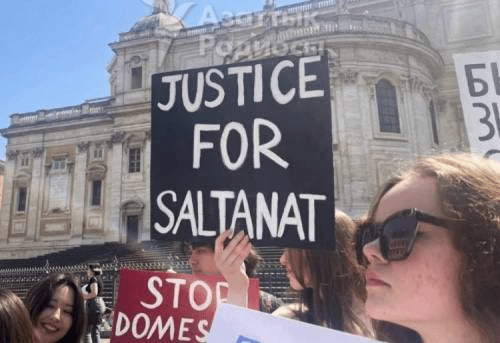
On April 13, rallies were held in Italian cities including Rome, Milan, Turin, Bologna and Florence in support of the deceased wife of former Minister of the National Economy of Kazakhstan, Saltanat Nukenova, demanding stricter legislation against domestic violence.

The organizers of stressed the importance of exercising the civil right to free assembly and expressed solidarity with victims of domestic violence.

The rallies were held in the central squares of different cities, including near St. Mary’s Church in Rome. A popular slogan at the actions against violence against women was “No Excuse For Abuse.”

Participants at the rally shouted slogans, such as “If he hits you, he’ll go to jail”; “For Saltanat”; “Every woman is unique!”; “You are not alone”; “There is no justification for violence”. A similar event was also held in Barcelona on the same day.

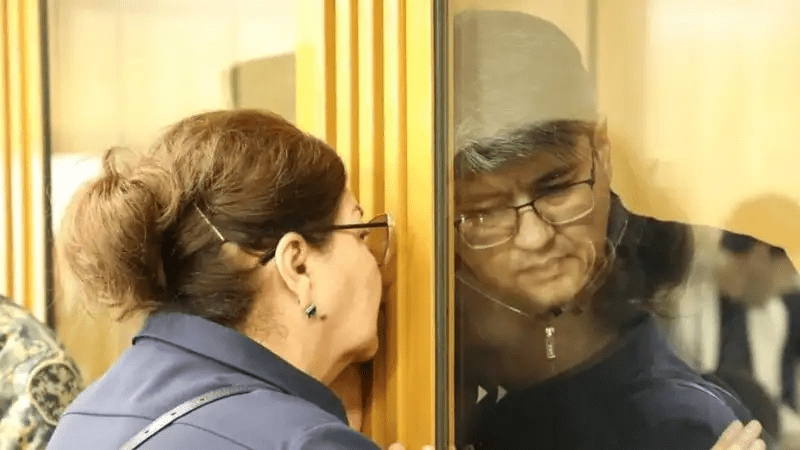
The rallies were held against the backdrop of the trial of Nukenova’s former husband; politician Kuandyk Bishimbayev stands accused of her murder.

The Bishimbayev Trial: The Women of Kazakhstan Speak

The trial of the trial of former Minister of the Economy, Kuandyk Bishimbayev, has ignited discussions across Kazakhstan, particularly among women. Online actions and rallies across Europe have been organized in memory of the victim, Saltanat Nukenova, and the Senate has passed a law strengthening protections for women and children against domestic violence.

“The trial of Bishimbayev is the most vivid example of how power and impunity having taken the upper hand, eventually lead to terrible consequences, namely, brutal premeditated murder,” Darina, a 21-year-old woman from Astana told The Times of Central Asia. “A man who decided that he could do anything and nothing would happen for it, simply cut off the life of his wife. This case, which is now being watched by the whole world, is the most resonant and revealing in the history of justice in the country. Every second girl, looking at Bishimbayev, recognized her partner/husband, who is also physically or emotionally abusive towards her. All of them today want only one thing: a just solution that will encourage the government to create a law criminalizing domestic violence, give publicity to such a global and urgent problem, and inspire hope and faith in the hearts of those who experience similar things in their lives.”

“There’s not even anything worth saying, I’m just scared. So many similar stories happen all the time,” Kamila, a 27-year-old from Almaty told TCA.

“It’s very sad to see this, but on the other hand, it’s good that it’s got so much publicity; now the world can see what kind of attitude there is towards women in Kazakhstan.” Polina, a 20-year-old from Astana told TCA.

“When you watch these broadcasts, it’s scary to realize what is happening. It’s not only about domestic violence, but also how corruption is rampant. All the evidence is there, but the case is still dragging on.” Raushan from Almaty said.

“The trial is a subject of conversation with everyone I know every day. I can’t watch the live broadcast from the courtroom, because I can’t stand it. I think the court’s decision will have a big impact on the people of Kazakhstan and will show whether we have achieved something in 23 years of independence.” Merey, a 25-year-old from Kostanay told TCA.

“I’m very glad this case has such resonance, because if it wasn’t so high-profile and covered so extensively, most likely it would’ve been hushed up and he would’ve served a couple of years on parole. This case has emphasized the problem of violence against women in Kazakhstan, which happens on a regular basis at the hands of domestic tyrants,” Alua from Taraz told TCA.

Bishimbayev was dismissed from his post of Minister of the National Economy after less than eight months under former President Nazarbayev in December 2016. In September 2023, President Tokayev’s instructed parliament to draft new legislation increasing the penalties for domestic violence.

Seen in some quarters as a sign of a new openness, the televised trial has sparked a wave of debate across the nation, the like of which has rarely been seen before.

Kazakhstan Cancels International Forum to Focus on Flood Recovery

Kazakhstan’s president said on Saturday that he has canceled a major international forum scheduled for June in Astana so that the country can tackle nationwide floods.

“Due to the severe flooding in Kazakhstan and the need to allocate financial resources for the relief efforts and aid for affected citizens, I have made the decision to cancel the Astana International Forum that was scheduled for June 13-14 this year,” President Kassym-Jomart Tokayev said in a statement.

“I sincerely hope that the invited participants will treat this decision with understanding. The Astana International Forum will resume its activities in 2025,” Tokayev said.

Floods in many regions of Kazakhstan since last month have forced the evacuation of tens of thousands of people and disrupted transport and communication links. The president has described the floods as Kazakhstan’s worst natural disaster in 80 years.

First launched in 2008 as an economic forum, the Astana International Forum aims to attract senior officials from governments, business and other institutions to discuss pressing challenges, such as climate change, food shortages, and energy security.

Robust Economic Growth in EDB Member States

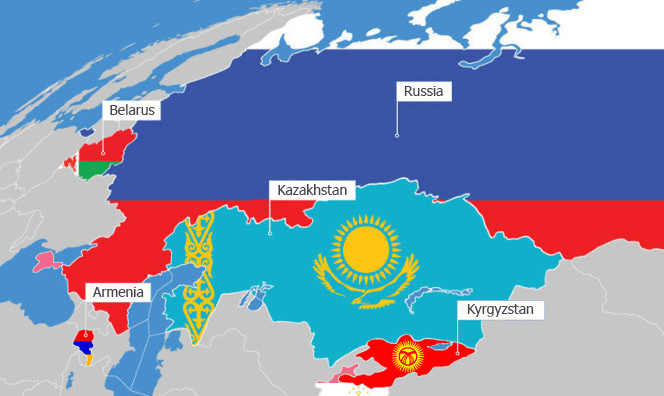
The latest Macroeconomic Review for the EDB’s six member states — Armenia, Belarus, Kazakhstan, Kyrgyzstan, Russia, and Tajikistan – was released by the Eurasian Development Bank on April 12th.

Despite the challenging external economic environment, the report illustrates robust economic growth amongst all its members in January-February this year and according to short-term economic activity indicators, high GDP growth is set to continue.

Fuelled by capital investment, Kazakhstan’s economy expanded by 4.2%, and Kyrgyzstan experienced a GDP surge of 8.6%, largely due to intensified investment activity, which spiked to 55%.

Propelled by a dynamic increase in industrial output, economic activity in Armenia rose by 13.6%, and Belarus’s economy grew by 4% during the same period, boosted by manufacturing and retailing industries.

In Russia, industrial production remains the prime driver of economic growth, raising the nation’s GDP by 6.0%, and Tajikistan’s high growth rates are maintained by consumption and investment sectors.

In conclusion, the EDB reports that domestic demand within its represented countries is propelled by national projects, including increased public investment in Armenia, import substitution programs in Belarus and Russia, and the development of mechanical engineering in Kazakhstan and energy sectors in Kyrgyzstan and Tajikistan.

Chinese Invest in Solar Power for Kyrgyzstan

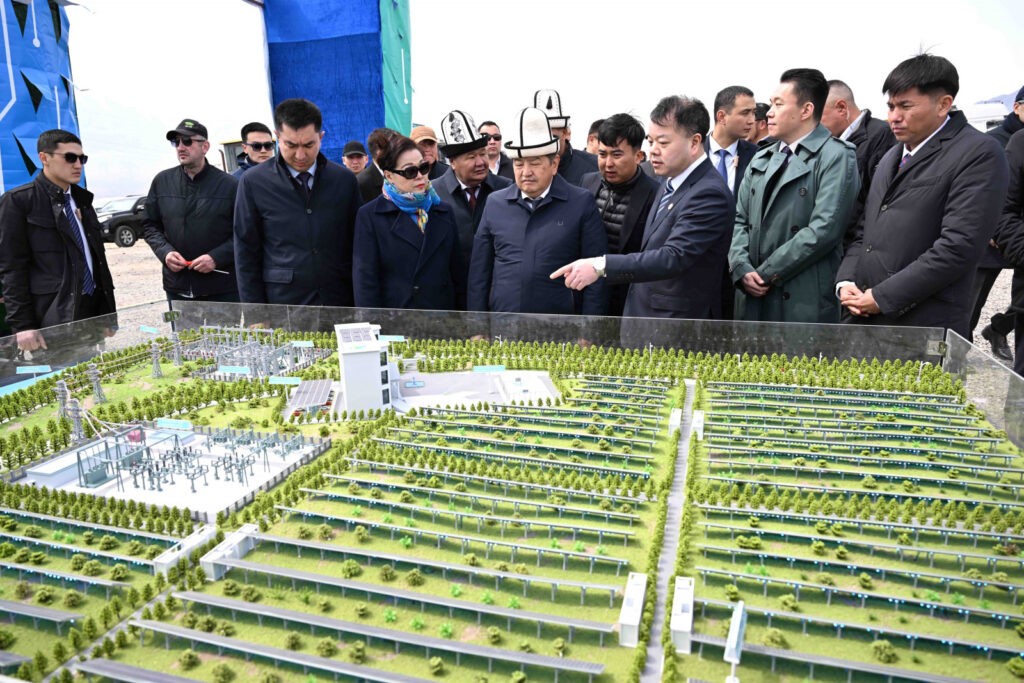
On April 12, the Chairman of the Cabinet of Ministers of the Kyrgyz Republic, Akylbek Japarov unveiled plans for the construction of a solar power plant near Balykchy in the country’s northern Issyk-Kul region.

Financed with an investment of $400 million by a Chinese company, the plant will have a capacity of 400 megawatts and should be operational by the end of 2025.

At the celebratory launch, Japarov stated that the Cabinet of Ministers has made the harness of solar energy, wind, and biogas technologies a key priority, and applauded progressive initiatives which over the past two years, include large-scale hydroelectric power plants Kambarata (HPP)-1, Kulanak HPP and Bala-Saruu HPP, as well as hundreds of smaller hydroelectric power stations nationwide.

“Our goal is to achieve energy independence. The first stage of work on Kambarata HPP-1 has been completed, and work is currently underway to update its feasibility. Once in operation, it will become the largest hydropower nation in the region.”