• KGS/USD = 0.01144 0%
  • KZT/USD = 0.00196 -0%
  • TJS/USD = 0.10899 0%
  • UZS/USD = 0.00008 0%
  • TMT/USD = 0.28490 0%
  • KGS/USD = 0.01144 0%
  • KZT/USD = 0.00196 -0%
  • TJS/USD = 0.10899 0%
  • UZS/USD = 0.00008 0%
  • TMT/USD = 0.28490 0%
  • KGS/USD = 0.01144 0%
  • KZT/USD = 0.00196 -0%
  • TJS/USD = 0.10899 0%
  • UZS/USD = 0.00008 0%
  • TMT/USD = 0.28490 0%
  • KGS/USD = 0.01144 0%
  • KZT/USD = 0.00196 -0%
  • TJS/USD = 0.10899 0%
  • UZS/USD = 0.00008 0%
  • TMT/USD = 0.28490 0%
  • KGS/USD = 0.01144 0%
  • KZT/USD = 0.00196 -0%
  • TJS/USD = 0.10899 0%
  • UZS/USD = 0.00008 0%
  • TMT/USD = 0.28490 0%
  • KGS/USD = 0.01144 0%
  • KZT/USD = 0.00196 -0%
  • TJS/USD = 0.10899 0%
  • UZS/USD = 0.00008 0%
  • TMT/USD = 0.28490 0%
  • KGS/USD = 0.01144 0%
  • KZT/USD = 0.00196 -0%
  • TJS/USD = 0.10899 0%
  • UZS/USD = 0.00008 0%
  • TMT/USD = 0.28490 0%
  • KGS/USD = 0.01144 0%
  • KZT/USD = 0.00196 -0%
  • TJS/USD = 0.10899 0%
  • UZS/USD = 0.00008 0%
  • TMT/USD = 0.28490 0%
08 December 2025

Kyrgyzstan’s ‘Be Responsible!’ Health Program Screens 680,000 Men

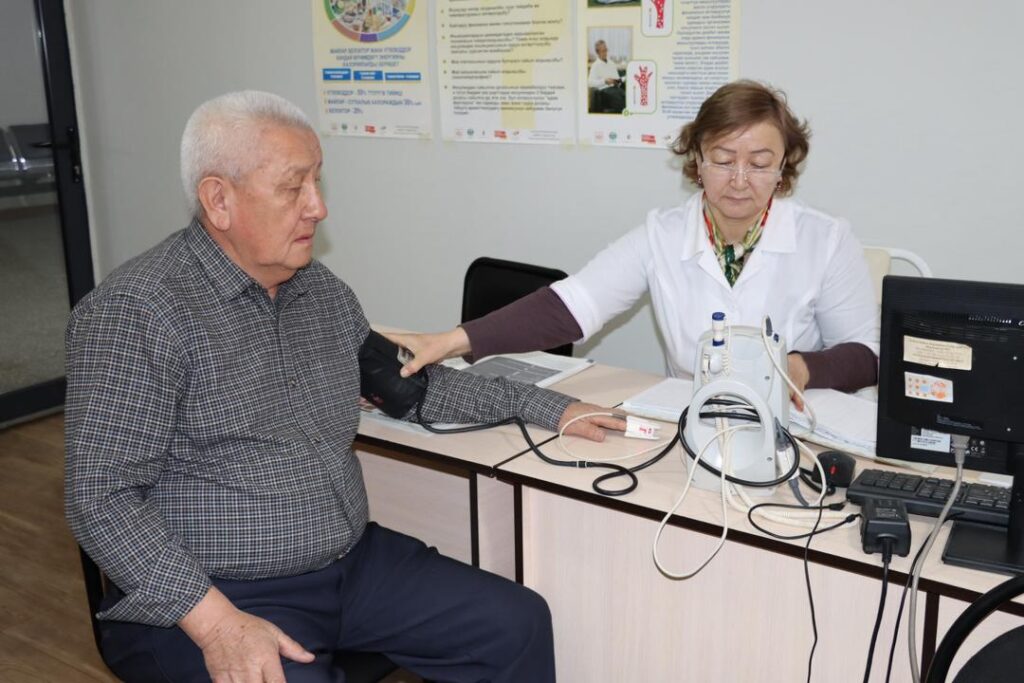
The key aim of Kyrgyzstan’s ‘Be Responsible!’ program is to encourage men to attend primary health care institutions for check-ups and specifically, the early detection of non-communicable and chronic diseases.

According to a new report by the country’s Ministry of Health, in just under a month, more than 680,000 men visited family doctors. For 149,000, it was either their first ever visit or the first in two years.

The Ministry of Health’s press centre hailed the success of the widespread campaign to attract attendances saying, “More than 44,000 men were categorized as having a high risk of cardiovascular diseases, and almost 33,000, a high risk of diabetes. The total number of men who visited medical institutions amounted to 47 percent of those over 18 years of age living in the country.”

Cardiovascular disease, cancer, lung disease and diabetes are categorized as chronic diseases. Data collected by the ministry indicates that in 2022, 52.1% of the mortality rate in men was caused by cardiovascular disease; 12.2% by cancer, and 5.5% by respiratory diseases.

Doctors also drew attention to poor nutrition including a high salt intake and insufficient consumption of fruits and vegetables; the use of tobacco, alcohol abuse, and low levels of physical activity as contributing factors to poor health.

With financial support from the Swiss government, the first screening campaign for Kyrgyz men was conducted in 2019. In response to doctors’ reports of the rising number of men taking better care of their health, the Ministry of Health issued an order for the program to be conducted nationwide, on an annual basis, from 2023 onwards.

Uzbekistan Plans to Increase Exports of Agricultural Products to $3.5 Billion Annually

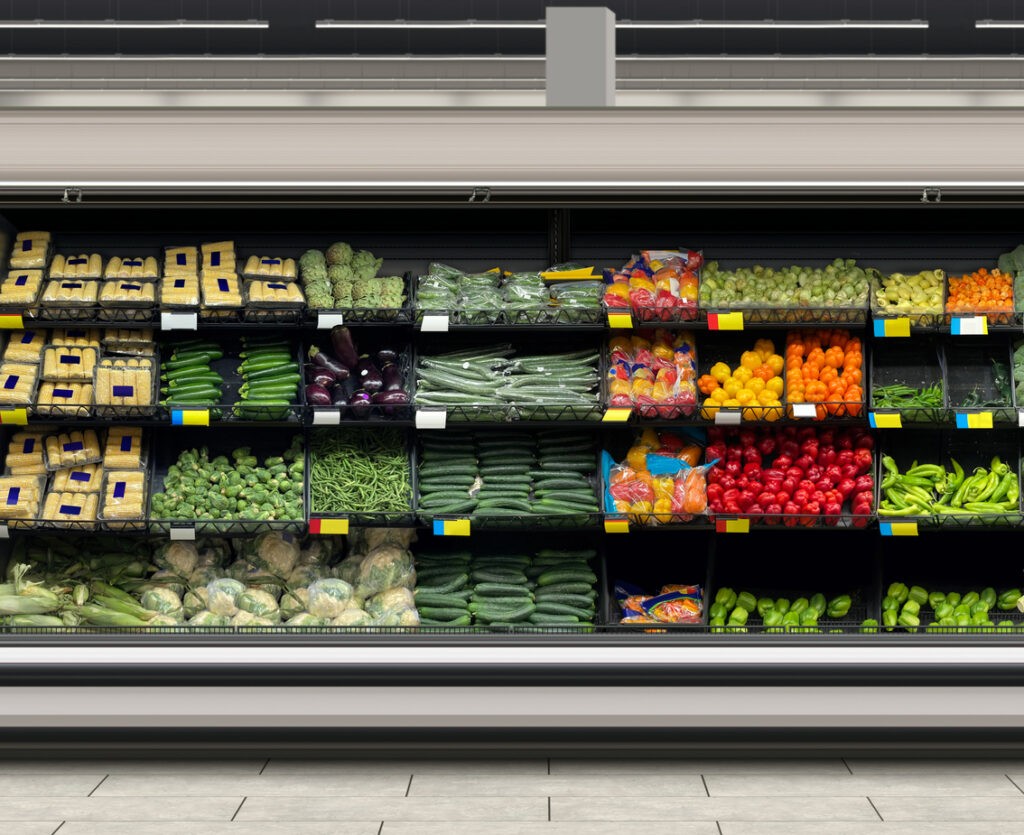
President Shavkat Mirziyoyev visited the Uzbek Plant Quarantine and Protection Agency on March 18, the president’s official website says, where officials discussed the agency’s mandate for managing the cultivation of exportable goods and identifying new markets for them. It’s anticipated that projects like those managed by the agency will help increase agricultural product exports to $3.5 billion this year. The amount of agricultural exports in 2023 was close to $2 billion.

Measures related to the production of fruits and vegetables date back to an agreement from January 18, 2019, when guidelines were adopted during online meetings on export and industrial matters. The Plant Quarantine and Protection Agency, in particular, was entrusted with executing the agreement.

One of the projects is a mobile application called Agroko‘makchi, which provides services related to plant protection, helpful information, export advice, and deeper familiarity with agricultural subjects. Exporters in Uzbekistan can connect with buyers overseas through the Asiaexport.se platform. Information is posted on the platform about a wide range of products, including fruits, vegetables, dried fruits, juices, household goods, confectionery, textiles, leather goods, and pharmaceuticals.

Additionally, officials shared details regarding the agency’s collaboration within the ePhyto global solution innovation system. With this system, phytosanitary certificates can be electronically exchanged with 119 nations. This year, eight more countries will receive phytosanitary permits for 25 types of products.

Ten mobile labs will be set up around the regions this year. Over 3,000 vineyards, 6,000 gardens, 344 packaging businesses, and more will all be brought into compliance with foreign phytosanitary regulations. Digitalization of pesticide trade and inventories is aimed at ending the illicit import of low-quality pesticides into Uzbekistan.

Samarkand Replaces Paris as Host of UNESCO Conference

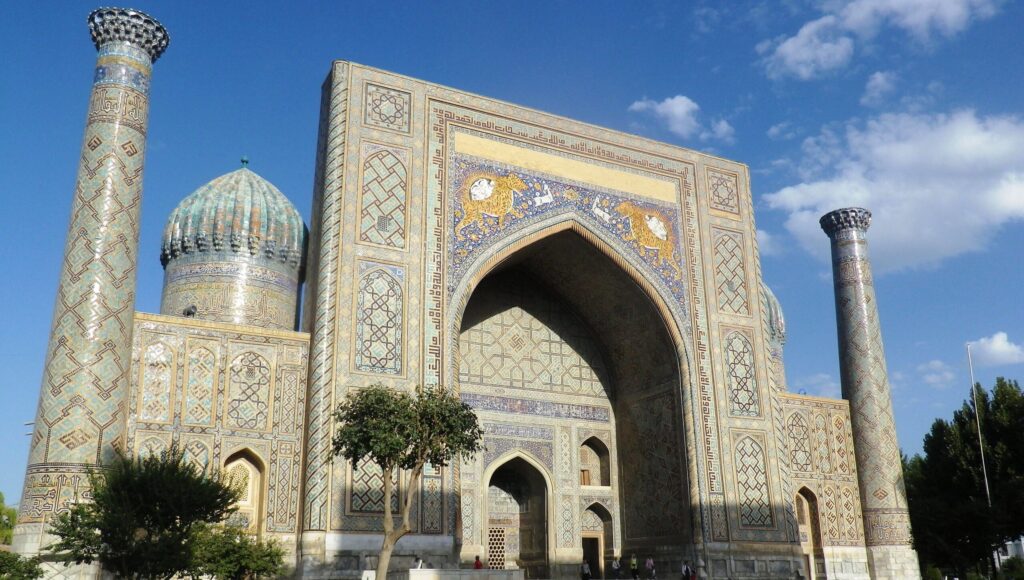
The Silk Road Samarkand tourism and convention complex will host the 43rd session of the UNESCO General Conference in 2025 — the first time the globally significant event will be held outside of Paris since 1985. The conference will focus on discussions and decisions on UNESCO’s activities. Besides Samarkand, conference events will also be held in the cities of Tashkent, Bukhara, Khiva and Shahrisabz.

Samarkand was not chosen as the host venue by chance. Not only is it a great historical open-air museum city, but it has also managed to host a number of important international events over the past six months.

At next year’s UNESCO conference, officials plan to develop projects for establishing the State Museum of the Great Silk Road in Samarkand, restoring Amir Timur’s gardens, restoring the Bibi-Khanum complex — as well as a master plan for protecting the historical center of Bukhara, which is on the UNESCO World Heritage List.

Samarkand, by the way, has recently become the subject of heated debate over the construction of the ethnographic tourist center Bokiy Bukhoro (Eternal Bukhara) on the borders with the historical center and buffer zone of Bukhara. The complex, which will occupy an area of 32.6 hectares, involves the demolition of 29 state facilities, including the buildings of the hokimiyats (municipal offices) of Bukhara region and Bukhara city, the regional prosecutor’s office, school No. 2, Bukhara State Medical College, College of Culture, Bukhara Arena stadium and others.

Since 2017, 14 unique examples of Uzbek national cultural heritage have been included in the UNESCO lists. Bukhara was included in the UNESCO Creative Cities Network, and last September, the 1,050th anniversary of the birth of the great polymath and scholar Abu Rayhon Beruni was widely celebrated at UNESCO headquarters.

Turkmenistan Bans Iranian Colas and Face Creams

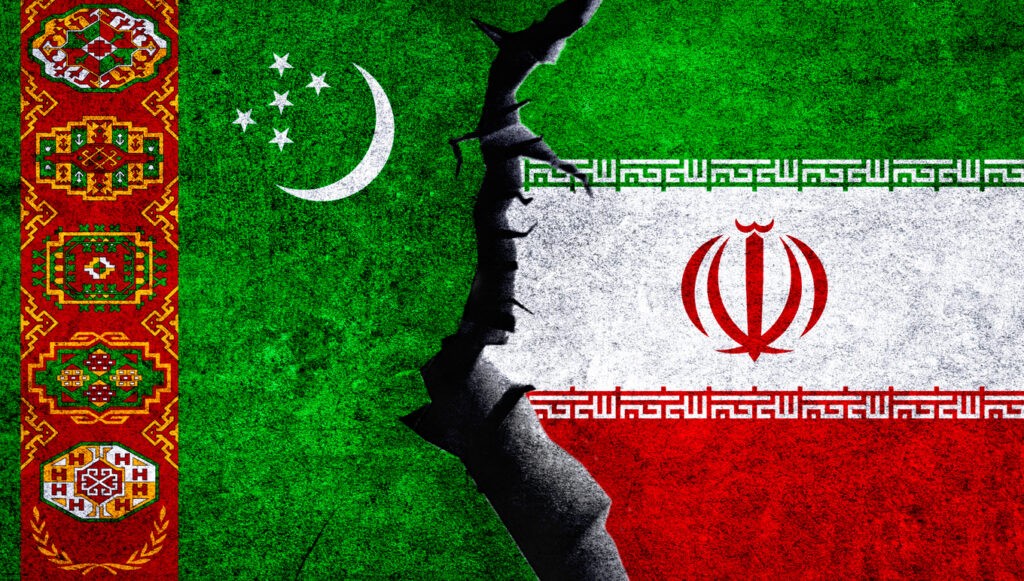
Authorities in Turkmenistan have introduced a number of new import restrictions, according to a report by correspondents from the Chronicles of Turkmenistan.

At the request of Iran, the Bajgiran border crossing with Turkmenistan was closed from February 25 to March 11. The crossing is now operational, but imports of bottles of cola and hand and face cream from Iran are forbidden. Customs officials cited the discovery in February of multiple individuals smuggling drugs in cola and face cream bottles as justification for the import ban on those specific goods.

Permits for commercial border crossings are granted for six months at a time, and certificates and other paperwork have to be compiled by those who wish to extend their permits. These are now only accepted on one working day per month, as opposed to previously being accepted on any working day. The one working day per month is also subject to change. On that one day, authorities will accept documents from up to 100 people.

The prohibition on import of goods that are in high demand has already dealt a serious blow to cross-border merchants and traders — even though many of them have valid permits to enter the neighboring country, and the prospects for getting new ones include a long, arduous process.

Central Asia Can Help Bring Afghanistan into the International Fold

Afghanistan’s situation remains deeply troubling, reflecting a complex history of conflict and political instability that has severely impacted its social and economic fabric. The Soviet Union’s invasion 45 years ago, followed by the Taliban’s rise to power in 1996 and the U.S. involvement after the September 2001 terrorist attacks linked to Al-Qaeda, and finally the Taliban’s return to leadership in 2021, have all shaped the current crisis. Today, Afghanistan appears no closer to becoming a functioning state capable of contributing positively to the global community. As recent as 2020, nearly half of the country’s population lived below the poverty line. The plight of women and girls continues to be particularly dire as they have been denied secondary education since the Taliban regained power nearly three years ago.

An invigorated engagement with the international community would no doubt provide multiple benefits to not only Afghanistan’s own people but also to the larger region. Whether the troubled country remains a zone of conflict or becomes a contributor to a sustainable future will depend on its ability and willingness to eventually integrate into broader regional and global frameworks. A state’s adherence to modern democratic values is often seen as one of the conditions for recognition as a genuine international partner by the global community. These norms are usually associated with Western-oriented ideologies and are therefore difficult for today’s Taliban-led Afghanistan to embrace and implement.

There are possible ways to bridge this apparent divide. At a meeting held in Doha on 18-19 February 2024, UN Secretary General Antonio Guterres reported that he had begun consultations on the appointment of a UN Special Envoy to Afghanistan to “coordinate engagement between Kabul and the international community.” Pakistan, who shares a 2,640-km border with Afghanistan, proposed that the envoy should be a “Muslim, experienced diplomat and from the region”. Pakistan’s candidacy is tarnished, however, by accusations that it provided military support to the Taliban, which Pakistan’s government denies. Turkey, another possibility, is a NATO member that has sustained political and economic ties with Afghanistan. However, its geographical distance makes it less of a stakeholder in the economic and security environments impacted by Afghanistan and as such, it lacks some of the necessary incentives and leverage points needed to influence Afghanistan’s actions.


Central Asia’s unique insights and motivations to help Afghanistan

In the same Doha gathering, Guterres also proposed establishing a contact group of states that might include the “P-5 [the United States, China, France, Russia, and the United Kingdom] with a group of regional countries and relevant donors” for a more coordinated approach to engaging Afghanistan’s “de facto authorities”. The Central Asian republics making up the “C-5” should certainly be considered among the “regional countries” grouping that Guterres mentioned.

Firstly, Central Asia has been affected by economic and security developments in Afghanistan, including narcotics trafficking, as well as by the overflow radical extremism and a resurgence of the militant cause. The region plays critical role today in curtailing the spread of illiberal and violent ideologies and the illegal narcotics transit coming from Afghanistan.

Secondly, Central Asian republics hold valuable insight into the geopolitical and cultural nuances of the larger region, derived from their own experiences navigating the post-Soviet landscape. Central Asia’s people were pulled into the Soviet-Afghan War (1979-1989) with the requirement to deploy soldiers. In the past 30 years, Central Asia has marched towards the kind of modernization and integration that lays before Afghanistan today. This further enables Central Asians to consider solutions with a much-needed sensitivity towards historical, ethnic, and political complexities characterizing the challenges in and around Afghanistan. Their comprehensive understanding of regional dynamics strengthens the position of these states as potential future mediators.

The region boasts economic motivations as well. Afghanistan’s stability is a requisite for guaranteeing Central Asia’s prosperity. This particularly comes into focus in case of the proposed Trans-Caspian International Transport Route (TITR) project, also known as the “Middle Corridor”, which extends across the Caspian Sea and through the South Caucasus to Europe. It is not unimaginable for Afghanistan to eventually become part of the corridor’s network. Economic feasibility of the project’s development relies on increased throughput, which could be impacted by Afghanistan’s position in multiple ways. To reach Pakistan’s markets, for instance, the transportation corridor would have to pass through Afghanistan. Moreover, Afghanistan’s own natural resources could be transported through the Middle Corridor. For any of this to happen, however, Afghanistan will first have to be considered secure enough by investors to domicile road and rail infrastructures.


Kazakhstan is best positioned to be a successful mediator in the region

Among the Central Asian countries, Kyrgyzstan, Tajikistan, and Turkmenistan arguably do not possess sufficient diplomatic resources to undertake a mediation role with regards to Afghanistan. Additionally, in the case of Tajikistan, the fact that ethnic Tajiks are estimated to compose slightly over a quarter of Afghanistan’s population renders it a further unlikely candidate.

The two other C-5 Central Asian republics are Uzbekistan and Kazakhstan. Uzbekistan, like Tajikistan, has a large diaspora in Afghanistan, which represents just under one-tenth of the latter’s population. The Taliban leadership would be particularly wary of some Uzbeks given such cases as Abdul Rashid Dostum, an ethnic Uzbek and former first vice-president of Afghanistan, who led a resistance against the Taliban in the north two decades ago and is now in exile. Consequently, Uzbekistan is unlikely to be seen by Kabul as a fair arbiter.

This leaves Kazakhstan with a quite objective view on future prospective of Afghanistan development. Diplomatically, Kazakhstan has demonstrated its principled neutrality, for instance by refusing to take sides in the recent Russia–Ukraine conflict. Its multi-vector foreign policy could enable Kazakhstan to engage with multiple global powers simultaneously (including the P-5) without overtly aligning with any of them.

As an added plus, Kazakhstan does not share a border with Afghanistan, nor does it have a significant ethnic diaspora that could complicate mediation efforts. There is no risk of prioritizing ethnic interests over pursuit of peace and stability.

From a perspective of economic incentives and clout, Kazakhstan is well-positioned as both a leader of and a reliable partner in the above-mentioned Middle Corridor, which seeks to diversify trade routes away from traditional regional powerhouses.

Additionally, Kazakhstan’s President Kassym-Jomart Tokayev has already been positioning his country as a key mediator in addressing the complex issues surrounding Afghanistan. Since taking office in 2019, Tokayev has leveraged Kazakhstan’s geostrategic location and diplomatic clout to foster integration with global frameworks, emphasizing the importance of constructive dialogue and international cooperation. His administration’s dedication to humanitarian concerns in Afghanistan, alongside advocating for the country’s stability and integration, mirrors Kazakhstan’s broader strategy to mitigate regional challenges such as violence, drug trafficking, and migration. Kazakhstan has also sought to expand such assistance within United Nations frameworks.

In summary, Central Asia as a whole should be taken into consideration in the ongoing discussions about establishing a contact group to coordinate between Afghanistan and the international community. This will keep intact the approach set out by Antonio Guterresh – known as a “regional approach,” when Roza Otumbayeva, first Central Asian national, was appointed as a Head of the UNAMA bakc in 2022.

Within this region, Kazakhstan stands out as the most suitable country to serve as a reliable mediator. It has both the motive and the means to perform this role; it does not have an apparent ideological ambition or an ethnic diaspora in Afghanistan that could complicate its perception by local authorities, and most importantly, its diplomacy has proven to be motivated by a pragmatic understanding of geopolitical and economic dynamics (i.e., a “Realpolitik” synthesis of economic, security and political imperatives). As such, with its intricate balance of diplomacy and strategic interests, Kazakhstan has a good chance to navigate the challenges and opportunities surrounding Afghanistan and to help it succeed in future international engagements.


Aidar Borangaziyev is an expert at the Astana based Open World Center for Analysis and Prognosis

Kazakhstan and China Increase Trade by 30 Percent

By the end of last year, trade volume between Kazakhstan and China had increased by 30 percent. Kazakhstan sends oil, gas and metals to China, while importing clothing, machinery and cars. Mutual trade between the countries hit $31.5 billion in 2023, which is 30.4% more than in 2022.

The main share of bilateral trade between the countries is imports to Kazakhstan of $16.8 billion. At the same time, exports increased by 11.7% over 12 months to $14.7 billion. China takes 22.5% of Kazakhstan’s total trade with foreign countries: 27.4% of imports and 18.7% of exports.

Popular export categories include refined copper and unprocessed copper alloys, natural gas, precious and rare earth metals, as well as radioactive elements and ferroalloys. However, Kazakhstan’s Ministry of Agriculture reports that in recent years the demand for organic and environmentally friendly agricultural products produced in Kazakhstan has increased among Chinese buyers — and the export of those products to China last year almost doubled, to $1.01 billion.