• KGS/USD = 0.01144 0%
  • KZT/USD = 0.00197 0%
  • TJS/USD = 0.10907 0.28%
  • UZS/USD = 0.00008 0%
  • TMT/USD = 0.28571 0%
  • KGS/USD = 0.01144 0%
  • KZT/USD = 0.00197 0%
  • TJS/USD = 0.10907 0.28%
  • UZS/USD = 0.00008 0%
  • TMT/USD = 0.28571 0%
  • KGS/USD = 0.01144 0%
  • KZT/USD = 0.00197 0%
  • TJS/USD = 0.10907 0.28%
  • UZS/USD = 0.00008 0%
  • TMT/USD = 0.28571 0%
  • KGS/USD = 0.01144 0%
  • KZT/USD = 0.00197 0%
  • TJS/USD = 0.10907 0.28%
  • UZS/USD = 0.00008 0%
  • TMT/USD = 0.28571 0%
  • KGS/USD = 0.01144 0%
  • KZT/USD = 0.00197 0%
  • TJS/USD = 0.10907 0.28%
  • UZS/USD = 0.00008 0%
  • TMT/USD = 0.28571 0%
  • KGS/USD = 0.01144 0%
  • KZT/USD = 0.00197 0%
  • TJS/USD = 0.10907 0.28%
  • UZS/USD = 0.00008 0%
  • TMT/USD = 0.28571 0%
  • KGS/USD = 0.01144 0%
  • KZT/USD = 0.00197 0%
  • TJS/USD = 0.10907 0.28%
  • UZS/USD = 0.00008 0%
  • TMT/USD = 0.28571 0%
  • KGS/USD = 0.01144 0%
  • KZT/USD = 0.00197 0%
  • TJS/USD = 0.10907 0.28%
  • UZS/USD = 0.00008 0%
  • TMT/USD = 0.28571 0%
23 December 2025

Turkmenistan’s Government-Supplied Agricultural Services Soar in Cost

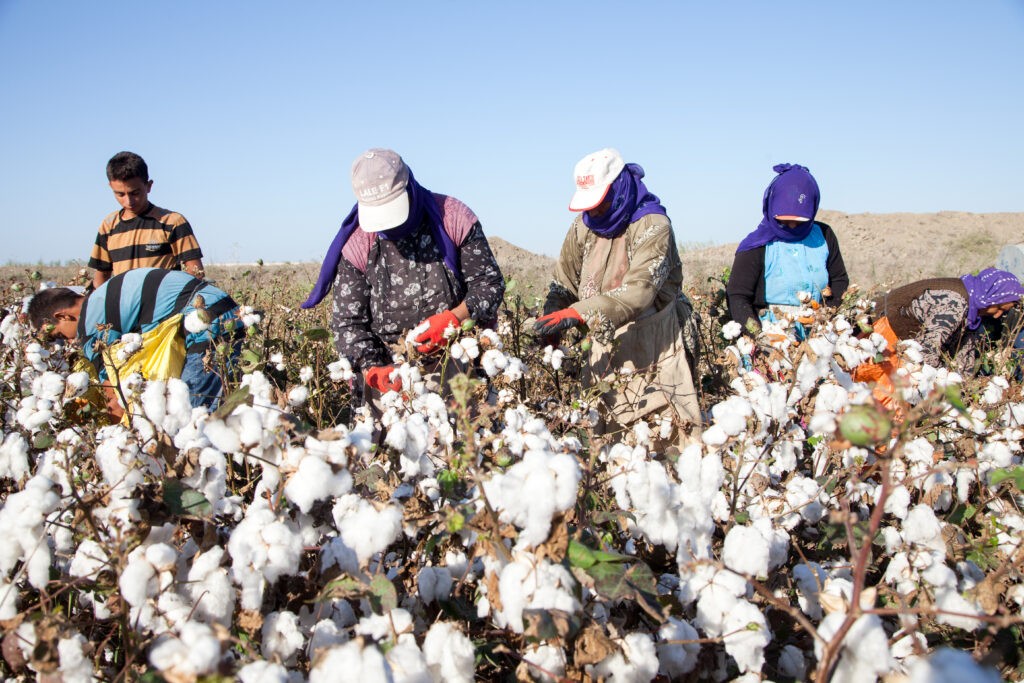
The prices for several services provided by the state to farmers in Turkmenistan have increased several times over, according to a report from news portal Turkmen.news after reviewing documents showing the old and new prices for government goods and services.

The price levels in the table are separated by different productivity per hectare, which, in turn, depends on the specific area of the crop. The table defines six stages of medium-fiber cotton yield from 7 (previously 6.4) to 40 centners (one centner is 100kg) per hectare.

The price of mineral fertilizers for 1 hectare was 146.64 manat ($7.5 at market rate) in the past, but since the start of 2024 it has increased to 878.7 manats ($45). Seeds for 1 hectare were delivered for 38.83 manat ($2), and now for 103.51 manats ($5). It used to cost 53.88 manat ($2.50) to irrigate 1 hectare of land, but now it costs 208.6 ($10.50).

The table also calculates the income of farmers based on all these costs. Before the recent increase in cotton and grain prices, the lowest-yielding tenants received 960 manat ($49) per hectare, and after all subtractions, they were left with just 8.6 manat ($0.40). For fields of the high productivity category – 40 centners per hectare, the standard initial income is 20,000 manat ($1,000), and after fees for state services – 15,000 manat ($770) per hectare.

Tenants typically farm from three to 20 hectares, often up to five hectares, depending on their means. These are mostly useless, low-fertility croplands.

There remains one glaring problem beyond the price hikes for government services and goods. In practice, farmers’ costs aren’t limited to payments for the aforementioned services. Firstly, farmers have plenty of informal costs. For example, a tractor driver hired by a farmer doesn’t go to the field for free; they should be paid at least 100 additional manat just for showing up. Furthermore, things like timely supply of high-quality and mold-free seeds and fertilizers, the battle with chronic drought – all of these hindrances require large amounts of money to overcome.

Second, the official quotas for fertilizer distribution by the state are greatly underestimated. Under government guidelines, 370 kilograms of urea and 500 kilograms of nitrogen are allocated for each hectare. According to the calculations of experienced farmers, at least 600 kilograms of urea are needed per hectare. But it’s impossible to get that much at the state price, so one must buy additional fertilizers from private traders at a completely different, higher price. As a result, many villagers hand over their crops to the state and become indebted for all the above services.

Villagers are looking for all kinds of additional ways to earn money, most of which are illegal. So, they rent fields for cotton and grain, but at the same time they grow vegetables on a part of the land. But this requires a more expensive rent payment and a separate contract. The result is that most of the farmers are giving up farming altogether and attempting to move abroad. A migrant worker can send money to a family that stays at home and tries to continue farming. Sometimes, rural agricultural workers enter full emigration and try to take their whole families with them.
Kyrgyz National Bank, Other Agencies Can Resume Sanctions-Related Inspections

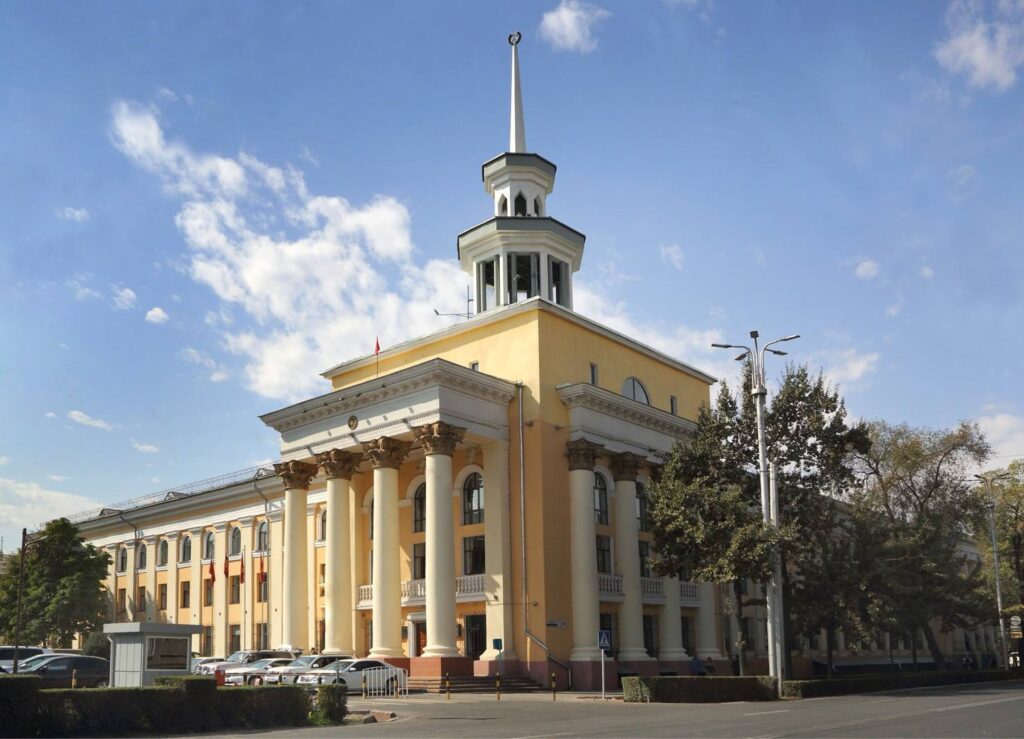
Earlier this year, Kyrgyz President Sadyr Japarov signed a decree prohibiting state supervisory agencies from inspecting businesses until the end of 2024. Only evidence that a private company has violated the law could trigger an inspection. That presidential decree banning business inspections was amended recently to ensure economic stability in Kyrgyzstan, and now the tax and customs authorities, as well as the National Bank of the Kyrgyz Republic, can again carry out inspections.

The financial regulator can now assess the activities of commercial banks and other financial institutions, as it was before the presidential decree. In a live broadcast on Kyrgyz state radio, Musa Kataganov, head of the Business Environment Policy Department of the Kyrgyz Ministry of Economy, said that “as you know, numerous sanctions are being imposed against Russia. Our commercial banks are under strict surveillance by the West to ensure that goods do not move from or to Russia.” According to Kataganov, the National Bank of Kyrgyzstan (NBKR) is obliged to monitor the activities of commercial banks – despite the presidential moratorium – to prevent the entire Kyrgyz banking system from falling under Western sanctions.

After the U.S. Treasury Department threatened to impose sanctions for servicing the Russian payment system MIR in September 2022, just under half of Kyrgyzstan’s banks stopped working with the system. U.S. sanctions could affect the servicing of correspondent accounts of Kyrgyz financial institutions abroad, as foreign counter-party banks would likely follow Treasury Department guidelines and cut off access to Kyrgyz banks. Each bank in Kyrgyzstan in this case made the decision on its own, without any pressure from the authorities.

Asked by Times of Central Asia, the NBKR’s press service said that its removal from the list of government agencies on which the inspection moratorium was imposed was primarily due to the need to ensure the safe and reliable operation of Kyrgyzstan’s payments and banking systems in order to promote long-term economic growth in Kyrgyzstan.

“As part of supervision over the activities of commercial banks, the National Bank carries out both remote supervision and on-site inspection of all types of risks inherent in the activities of commercial banks, including compliance with the requirements of the legislation of the Kyrgyz Republic in terms of combating the financing of terrorist activities and legalization (laundering) of criminal proceeds – as well as compliance with international sanctions,” the press service of the NBKR stated.

Canada Joins List of Developed Countries Seeking Uzbek Migrant Labor

Following a meeting in February between Uzbek Minister of Employment and Labor Relations Bekhzod Musayev and Canadian Ambassador to Uzbekistan Alan Hamson, the Agency for External Labour Migration has reported that North American construction companies are to invite 5,000 citizens of Uzbekistan to work in Canada. The recruitment is part of the Canadian authorities’ plan to attract 500,000 immigrants annually until the end of 2025. Through an unprecedented wave of newcomers, the government expects to compensate for Canada’s acute labour shortage aggravated by the country’s aging population.

The country is currently seeking carpenters, welders, electricians, plumbers, concrete workers, glaziers, roofers and flooring assistants, and depending on qualifications, will offer wages of $12.50 to $30 per hour. Applicants must be aged between 18-45, should be proficient in English, French or Spanish, and have a local credential, certificate or diploma of vocational training in a professional trade.

Uzbekistan has been actively developing legal labour-migration pathways to developed countries and for several consecutive years, Germany has hired Uzbek workers in 330 sectors under the Ausbildung (work and study) program. In 2022, some 2,000 Uzbek seasonal labour workers were hired in the United Kingdom; a number topped only by those from Ukraine.

Against the backdrop of the escalating Arab-Israeli conflict and the departure of Palestinian workers en masse, Israel has now decided to hire Uzbek workers for construction projects. Japan has also been actively recruiting Uzbek labour migrants in construction, as well as in medical services. Qualified Uzbek specialists with an appropriate level of Japanese language can earn $1,000-1,500 per month in Japan.

According to statistics, in 2023, 38,400 Uzbek labour migrants were officially employed in jobs outside Uzbekistan and to date, the Agency for External Labour Migration has trained over 58,00 citizens in foreign languages and professions to prepare for work abroad. The remittances of labour migrants to their home country account for 17.8 percent of Uzbekistan’s GDP.

Ancient Turkmen City of Anau Declared Cultural Capital of the Turkic World 2024

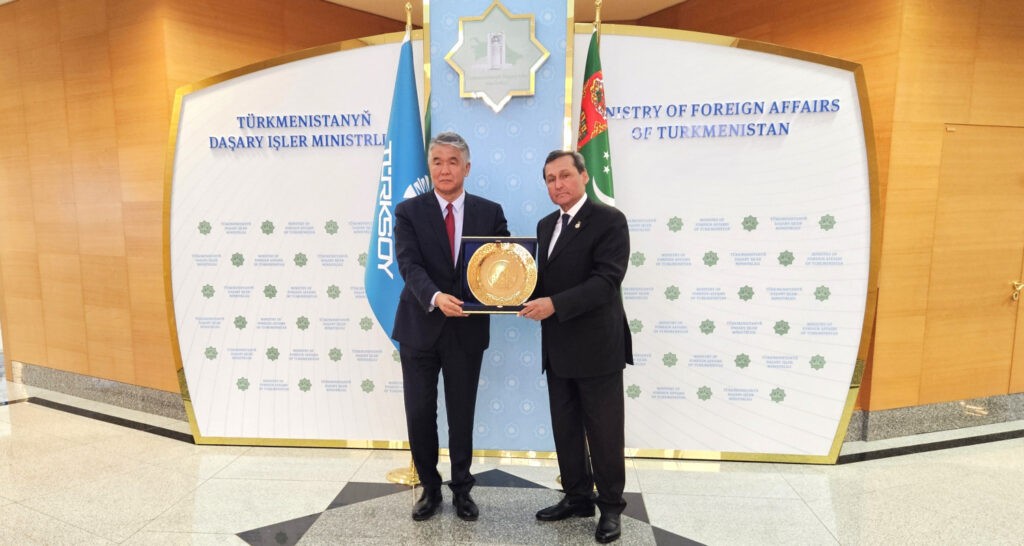
On March 25th, Rashid Meredov, Minister of Foreign Affairs of Turkmenistan and Sultanbay Raev, Secretary General of the International Organization of Turkic Culture (TURKSOY), attended a ceremony in Ashgabat for the declaration of the nomination of Turkmen city Anau as ‘Cultural Capital of the Turkic World 2024’.

Coinciding with the 300th anniversary of the birth of Turkmen’s beloved bard, 2024 has also been declared the ‘Year of the Great Poet and Thinker of the Turkic World: Magtymguly Pyragy.’
Revered throughout the country, the 18th century Sufi poet and spiritual teacher, Pyragy, is hailed as the father of Turkmen literature and his legacy persists through a rich ingrained tradition of Turkmen bards or ‘bagshys’ adapting his poetry to song. His image appears on numerous monuments as well as banknotes and The Magtymguly International Prize is awarded annually to distinguished scholars of Turkmen language and literature. A 197ft bronze statue, erected in Ashgabat, will be officially unveiled on June 27th; the date of a national holiday celebrating the poet.

According to reports from their meeting, Meredov and Raev emphasized the importance of promoting both Magtymguly Pyragy’s legacy and the cultural significance of the ancient Turkmen city of Anau on various international platforms including those of TURKSOY, UN, and UNESCO.

Kyrgyzstan’s Foreign Ministry Urges Its Citizens to Temporarily Refrain From Traveling to Russia

A recommendation posted on the Kyrgyzstan Foreign Ministry website has urged its citizens to temporarily refrain From traveling to Russia in relation to the terrorist attack in Crocus City Hall near Moscow on March 22, 2024, which killed over 130 people, as well as the introduction of enhanced security measures throughout Russia.

The Ministry of Foreign Affairs asked fellow citizens who do not have good reasons and urgent business in Russia to refrain from traveling to Russia as long as the additional security measures and increased control of passage across the border are still in place. For those who have already planned their trip, the foreign ministry recommends checking for restrictions under their name on the website of the Russian Interior Ministry.

“Citizens who have [committed] two or more administrative offenses during their previous stay on the territory of the Russian Federation, refrain from traveling to its territory to avoid not passing through the state border and the consequences associated with this procedure,”  reads a warning on the website of the Foreign Ministry.

Furthermore, Kyrgyz diplomats recommend that citizens who are already in Russia refrain from visiting mass gatherings of any kind, as well as carry identification documents and the documents that confirm the legality of their stay in the Russian Federation. The Foreign Ministry warned that citizens should comply with the legal requirements of Russian security forces as part of their mandate to ensure public safety.
“In case of emergency questions, citizens should contact the hotline of the Embassy of the Kyrgyz Republic in Moscow at +7 925 115 50 47, as well as the Consular Department of the Ministry of Foreign Affairs of the Kyrgyz Republic at +996 999 312 002,” reads the statement.

Russian authorities have stepped up security measures in many cities after the terrorist attack in the Moscow region that killed 139 people and injured 182 others, according to the latest figures. Tajik passports were found on the suspected perpetrators of the mass shooting, making Russian citizens and law enforcement more suspicious of Tajikistani nationals and citizens of neighboring Central Asian countries. After the terrorist attack, checks on citizens of all Central Asian countries in Russia have intensified. There is also talk of strengthening migration control in Russia.

Tajik Migrants Facing Xenophobia in Russia After Moscow Terrorist Attack

After the detention of four Tajik nationals suspected of committing the terrorist attack at the Crocus City Hall near Moscow, migrants have faced a wave of hatred and aggression. In Blagoveshchensk, along the Amur River that borders China, unknown persons set fire to a market pavilion belonging to migrants. According to the city’s mayor, Oleg Imameyev, the arson was committed “obviously on ethnic grounds.” In Kaluga, a group of unidentified men beat up three Tajik citizens on the street, with one of them requiring hospitalization. In some regions of Russia, taxi passengers are refusing to use transportation services if they learn the driver is Tajik.

Telegram channel, Baza, reports that after the terrorist attack special units were created among domestic law enforcement to conduct additional checks on foreign citizens. Together with traffic police officers, they will check hostels, hostels, businesses and road routes, as well as other places where migrants congregate.

Even those Tajiks who have been living in Russia for many years with their families, some whom have Russian citizenship, have felt an increase in xenophobic sentiment. After it became known that one of the detainees, 19-year-old Muhammadsoobir Faizov, had worked for several months in the Ploschadka barbershop in the town of Teykovo, Ivanovo region, local residents started to threaten the salon’s manager and hairdressers. The director of the barbershop, Yamina Safieva, told the Moskovsky Komsomolets newspaper that the salon employees’ phones “do not stop ringing” with menacing phone calls and messages.

Leaders among the Tajik diaspora have recommended that their fellow citizens do not go out on the streets unless necessary and do not to attend mass events. Kyrgyz citizens in Russia have also received similar from their diaspora leaders and government representatives.

The Ministry of Internal Affairs of Tajikistan released a statement saying that three citizens of Tajikistan who were named by Russian media were not involved in the terrorist attack: one of them was in Samara at the time of the attack, where he works as a cab driver, and two of them have been living in their home country since November last year.

According to various sources, there are about 1.5 million migrant workers from Tajikistan in Russia. As one of the remittance-based countries in the world, in 2021 Tajikistan was also the poorest country in post-Soviet space in terms of GDP per capita, which according to the World Bank was at $878 annually. In Kyrgyzstan, by way of comparison, at that time this indicator was $1,328. At the same time, Tajikistan has a high rate of population growth at 2.7%. Given rampant unemployment in the country – 7.8% in 2023, labor migration is an most important means of livelihood for Tajik citizens.