• KGS/USD = 0.01144 0%
  • KZT/USD = 0.00192 -0%
  • TJS/USD = 0.10879 0.28%
  • UZS/USD = 0.00008 0%
  • TMT/USD = 0.28571 0%
  • KGS/USD = 0.01144 0%
  • KZT/USD = 0.00192 -0%
  • TJS/USD = 0.10879 0.28%
  • UZS/USD = 0.00008 0%
  • TMT/USD = 0.28571 0%
  • KGS/USD = 0.01144 0%
  • KZT/USD = 0.00192 -0%
  • TJS/USD = 0.10879 0.28%
  • UZS/USD = 0.00008 0%
  • TMT/USD = 0.28571 0%
  • KGS/USD = 0.01144 0%
  • KZT/USD = 0.00192 -0%
  • TJS/USD = 0.10879 0.28%
  • UZS/USD = 0.00008 0%
  • TMT/USD = 0.28571 0%
  • KGS/USD = 0.01144 0%
  • KZT/USD = 0.00192 -0%
  • TJS/USD = 0.10879 0.28%
  • UZS/USD = 0.00008 0%
  • TMT/USD = 0.28571 0%
  • KGS/USD = 0.01144 0%
  • KZT/USD = 0.00192 -0%
  • TJS/USD = 0.10879 0.28%
  • UZS/USD = 0.00008 0%
  • TMT/USD = 0.28571 0%
  • KGS/USD = 0.01144 0%
  • KZT/USD = 0.00192 -0%
  • TJS/USD = 0.10879 0.28%
  • UZS/USD = 0.00008 0%
  • TMT/USD = 0.28571 0%
  • KGS/USD = 0.01144 0%
  • KZT/USD = 0.00192 -0%
  • TJS/USD = 0.10879 0.28%
  • UZS/USD = 0.00008 0%
  • TMT/USD = 0.28571 0%
12 December 2025

Despite Protests, Kyrgyz President Signs Bill Amending National Flag

On December 22nd, the President of the Kyrgyz Republic, Sadyr Japarov, signed a bill modifying the national flag, following its final approval by lawmakers two days prior. The legislators had noted that the depiction of yellow rays on a red field in the old flag resembled a sunflower. They proposed amendments to “straighten” the sunrays to create an image more closely resembling the sun.

Several rallies protesting the change have been held since the proposal in October.

Also on December 22nd, Human Rights Watch (HRW) urged the Kyrgyz authorities to drop all charges against activist Aftandil Jorobekov, and to release him after he was arrested for openly protesting changes to Kyrgyzstan’s national flag and charged with calls for mass disorder and civil disobedience. In a statement, HRW said that the charges brought against Jorobekov “violate his freedom of expression and right to peaceful assembly.”

“Jorobekov should not be facing criminal prosecution for opposing a government initiative or calling for peaceful protests, which are protected forms of expression,” HRW’s Central Asia researcher, Syinat Sultanalieva, said. “The Kyrgyz authorities should drop the charges and release Jorobekov immediately.”

The 39-year-old activist was detained on December 7th, a day after he voiced his disapproval of the bill and announced his plan to hold a peaceful protest in Bishkek’s Gorky Park on December 9th.

“Criticizing the government and calling for peaceful protest is not the equivalent of stoking mass unrest, and it is certainly not criminal,” Sultanalieva said. “The Kyrgyz authorities should drop this absurd case against Jorobekov, and uphold his right to free speech and peaceful assembly.”

Meanwhile, many politicians, activists, and public figures in Kyrgyzstan continue to question the idea to change the national flag. Prominent Kyrgyz athlete and two-time world wrestling champion Jolaman Sharshenbekov wrote on Twitter on December 21st that he will continue raising the country’s old national flag at international tournaments and competitions.

The head of the country’s State Committee of National Security, Kamchybek Tashiev, immediately commented on Sharshenbekov’s post, threatening unspecified repercussions for athletes who “even try” to raise anything other than the amended national flag at sports events. “The law is adopted, and we, the citizens, must obey,” Tashiev wrote.
Inaugural Meeting of Kazakhstan-Saudi Business Council Held in Riyadh

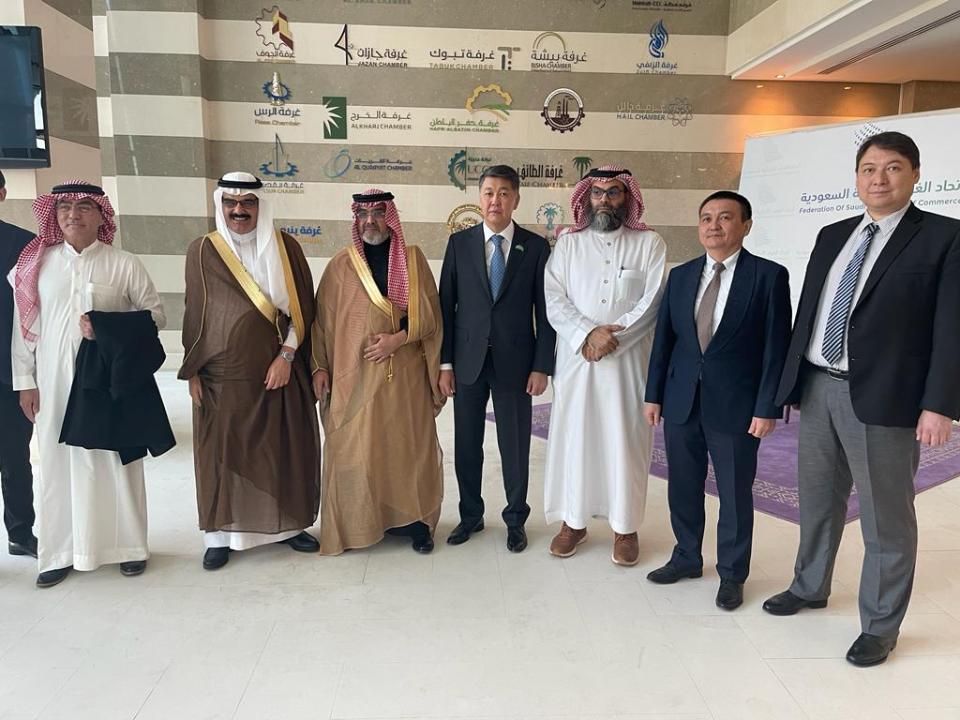
The first meeting of the Kazakhstan-Saudi Business Council took place on December 21st, 2023, demonstrating the deepening diplomatic and economic relations between the two countries. This event was organized by the Embassy of Kazakhstan to Saudi Arabia and the Federation of Saudi Chambers, as part of the 6th session of the Intergovernmental Committee between the two nations.

In attendance were the Ambassador of Kazakhstan to Saudi Arabia, Berik Aryn, and Co-Chairman of the Business Council and General Director of GreyWolf Management LLP, Kanat Kudaibergen. Representatives from 46 Kazakh companies also participated in the meeting.

Saudi Arabia was represented by the Ambassador of Saudi Arabia to Kazakhstan, Faisal Al-Qahtani, Co-Chairman of the Business Council and CEO of Alrajhi International Investments, Ahmed Al-Dakhil, as well as representatives from the Federation of Saudi Chambers and over 40 Saudi company managers and representatives.

The establishment of the Kazakhstan-Saudi Business Council was formalized through an agreement signed between the National Chamber of Entrepreneurs of Kazakhstan, Atameken, and the Federation of Saudi Chambers during the Astana International Forum in June 2023.

Uzbek Foreign Ministry Summons Russian Ambassador over Annexation Comments

According to the press service of the Ministry of Foreign Affairs, the Uzbek Foreign Ministry has called upon the Russian Ambassador, Oleg Malginov, expressing concern over the proposal made by Zakhar Prilepin, co-chairman of the Fair Russia – For Truth Party, regarding the Republic’s potential accession to the Russian Federation. The Uzbek Ministry emphasized that such a proposal is deliberately provocative and could have adverse effects on the relationship between the peoples of both countries.

“During the meeting, the representative of Russia was informed in principle that in our country the statement of the co-chairman of the Fair Russia – For Truth Party, Zakhar Prilepin, at a conference at the Rossiya Segodnya press center regarding a proposal to annex the territory of Uzbekistan to Russia was received with a sense of deep concern,” the statement says, noting that such thoughtless remarks by party leaders of a friendly country such as the Russian Federation do not correspond to the spirit of comprehensive strategic partnership and alliance between Uzbekistan and Russia.

In turn, Malginov “with full responsibility” stated that Prilepin’s remarks do not reflect the official position of the leadership of the Russian Federation “in relation to friendly and independent Uzbekistan.” The Ambassador emphasized that the “sovereignty, independence and territorial integrity of the Republic of Uzbekistan have never been questioned.” Malginov also noted that the Russian Foreign Ministry plans to comment on this incident in the near future.

Prilepin has previously proposed the annexation of Uzbekistan and other territories of the former USSR to Russia, stating that “Since two million of your citizens are on our territory, we claim your territory. Because most of your people are here… Who will forbid us to do anything useful on the territory of the Eurasian territory after the parade in Kiev? No one,” Prilepin has also said that he would continue to promote the topic of “disavowing documentation about the collapse of the Soviet Union.”

Deputies from Uzbekistan asked the Ministry of Foreign Affairs to send a letter warning about criminal liability for encroachments on the constitutional system of Uzbekistan.

EU Calls on Turkmenistan to Protect Rights

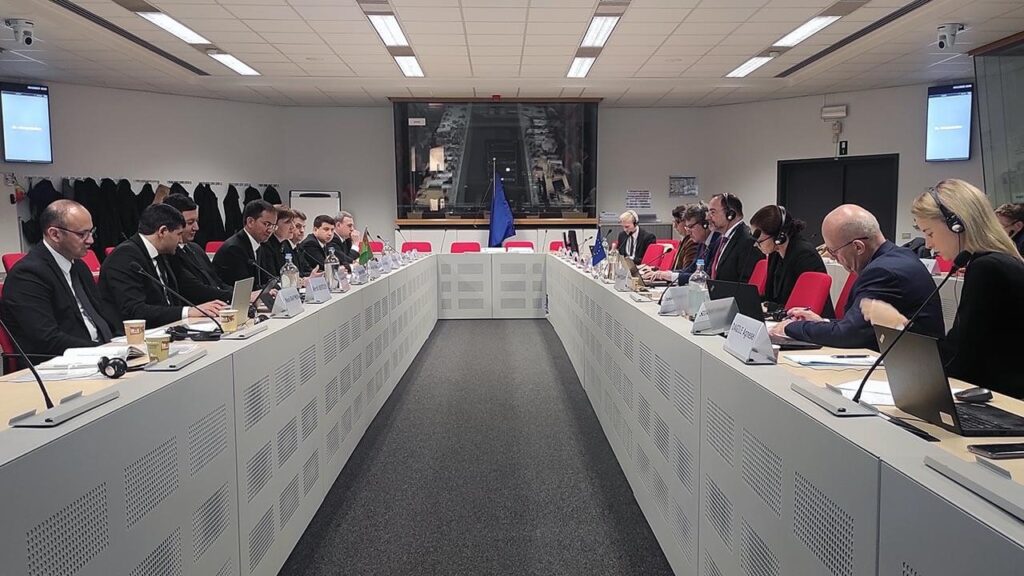
The EU has called on Turkmenistan to protect women’s rights, remove restrictions on the Internet and give the Red Cross access to prisons during the fifteenth round of the annual human rights dialogue between the European Union and Turkmenistan in Brussels.

EU representatives took note of the recommendations of human rights defenders and raised a number of pressing issues during the meeting, calling on the Turkmen government to take effective measures to improve the situation.

Before the meeting the human rights organizations, International Partnership for Human Rights (IPHR) and the Turkmen Initiative for Human Rights (TIPHR) handed over to EU representatives a report on the human rights situation in Turkmenistan with a number of recommendations, and called on the EU to use the dialogue to insist on concrete steps to address problems in Turkmenistan.

In particular, Turkmenistan was recommended to take rapid and decisive steps to combat sexual and gender-based violence, including by criminalizing domestic violence, discrimination against women and girls, as well as representatives of religious minorities, persons with disabilities and LGBT representatives, and to decriminalize consensual homosexual relations.

The members of the EU delegation expressed serious concerns about enforced disappearances and conditions in places of detention, including the torture and ill-treatment of prisoners. Turkmenistan should provide representatives of the International Committee of the Red Cross (ICRC) with unhindered access to prisons, the EU stated.

The sides also discussed the issue of the eradication of forced labor in the cotton industry.

Noting the goal of the Government of Turkmenistan to digitalize the country, the EU stressed the importance of freedom of opinion and expression, and the right to information and independent media. The EU stressed the need to ensure Internet access for all citizens, and to remove blocking from websites and social networks.

During the dialogue, EU representatives also raised a number of individual cases of human rights violations and provided a list of cases of concern.

The meeting discussed, among other things, the macroeconomic situation of Turkmenistan and its intention to join the WTO, as well as the issues of gas export strategy and reduction of methane emissions.

Quality of Communications Checked in Multiple Regions

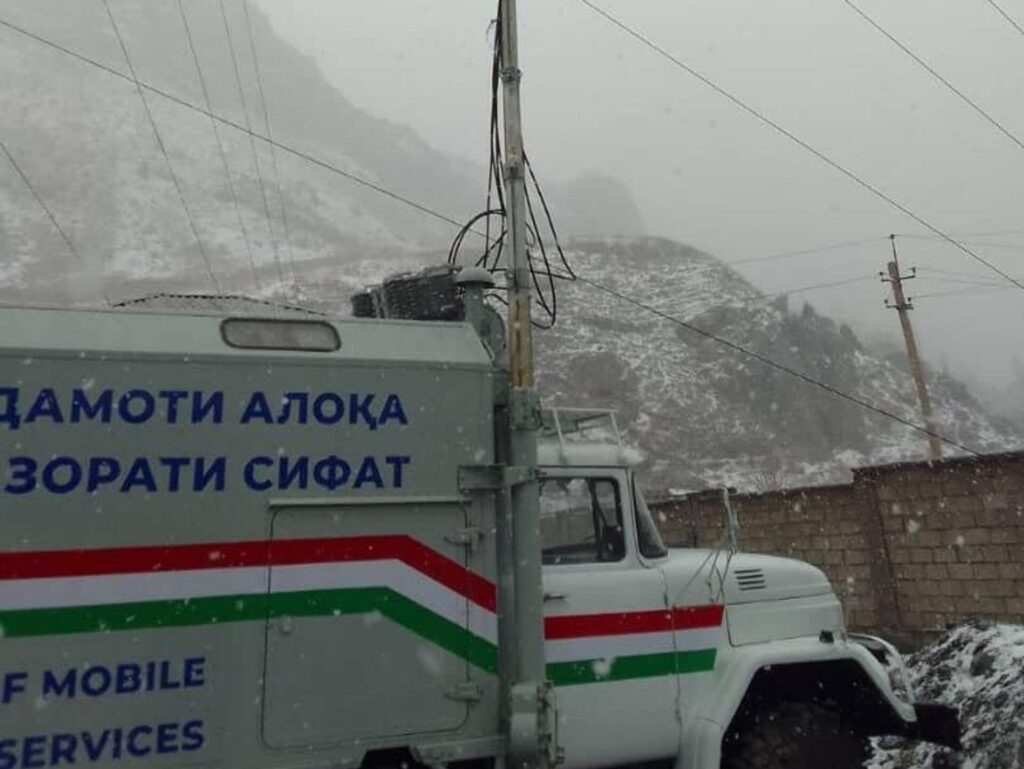
The results of monitoring the quality of mobile communications in the cities and districts of Nurek, Dangara, Vose and Kulyab were presented to the Head of the Communications Service of Tajikistan, Bek Sabur, who arrived on a working visit to the Khatlon region. His visit is connected to the implementation of a decree from the President of Tajikistan “On measures to expand non-cash payments.” According to various sources, the level and quality of communications do not meet the requirements.

The press service of the Tajik Communications Service reported that Sabur, together with specialists, tested mobile communications in Nurek, Dangar, Vos and Kulyab. “The main purpose of the trip is to determine the accuracy of coverage of base stations in populated areas and identify problems,” the press service stated.

As a result of the technical inspection, it transpired that not all areas meet the quality requirements for communications. In addition, operator coverage was weak in some places.

“The management of the Communications Service ordered providers to install additional stations at the same time as updating the existing ones,” the department noted, adding that Sabur held a meeting with the residents of Khatlon to get their opinion on the level and quality of mobile communications.

Sabur’s visit followed reports received from all over Tajikistan about the low quality of mobile operator services. Tajiks often complain about slow Internet and poor communication. One of the main reasons for this is the lack of infrastructure development. It is also affected by poor energy supply and insufficient development of modern communication technologies in the country. As a result, a significant part of the population has difficulty accessing the Internet.

Another problem is the lack of investment in the country’s telecommunications industry, although this is slowly being corrected. For example, Tajikistan and China recently signed an agreement that provides for the supply of Chinese equipment to the Republic, which will help improve the quality of the Internet. Tajikistan has also agreed to cooperate with two Russian companies – PITER IX and Digit – in this area.

Sabur instructed officials and mobile companies to urgently eliminate the identified shortcomings in order to provide all regions with stable communications and Internet following the Presidential decree.


How Will Free Trade Zone Between EAEU and Iran Affect Kazakhstan?

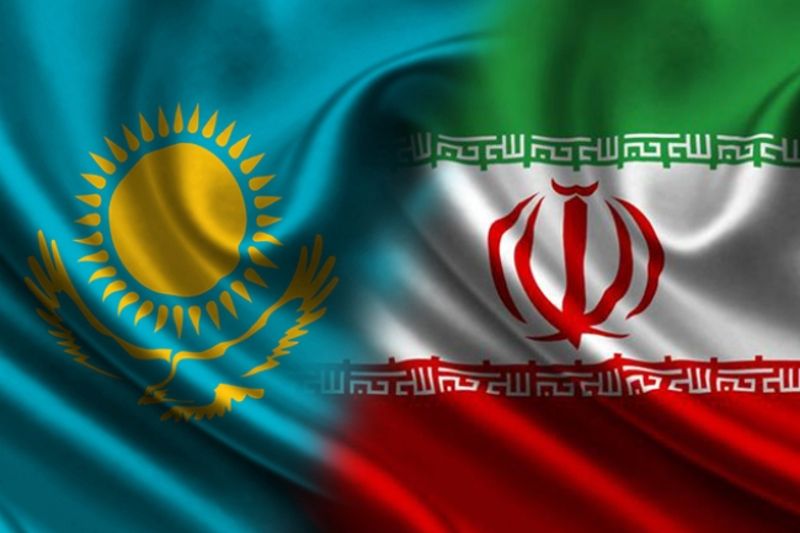
The free trade Agreement between the Eurasian Economic Union (EAEU) and Iran will ensure an increase in annual mutual trade to U$18-20 billion in the near future, Andrey Slepnev, a member of the Board for Trade of the Eurasian Economic Commission said during a briefing. The free trade agreement between the EAEU and Iran is scheduled to be adopted on December 25th 2023.

“Iran is a large market, our neighbor, and a key country in the international North-South transport corridor,” said Slepnev. “We consider this new agreement as one of the elements of this corridor.”

Slepnev stated that currently trade between EAEU countries with Iran is carried out, among other things, within the framework of the interim agreement adopted in 2019, which covers about 360 commodity items. But even this has made it possible to double mutual trade in three years, from $2.5 billion to more than $5 billion, and in 2022 to bring it to $6.2 billion.

“The conclusion of a full-scale agreement will allow us to double trade in a short time. The first target we are focusing on is $18-20 billion, which is quite realistic to achieve in the foreseeable future,” said Slepnev, adding that implementation of the agreement will be carried out on the basis of the WTO. For this purpose, work will be carried out on the harmonization of regulations, since Iran is not a WTO member. In addition, the parties will strive to increase the volume and channels for making payments in their national currencies.

“In Kazakhstan, we see prospects for the supply of traditional Kazakh products to Iran; first of all, wheat, barley, agri-food products, metals, and chemical products. This agreement will allow Kazakhstan to increase its presence in the Iranian market,” he added.

Slepnev stressed that the expansion of the EAEU trade partnership with third countries will make it possible to use and actively develop the transit and transport potential of EAEU countries. Trade with Iran naturally involves the use of the North-South corridor, and will also contribute to the communications in the East-West corridor, which runs through the countries of Central Asia and Russia.

“The demand for these intercontinental transport corridors is constantly increasing in the context of international tension. Economically, we live in a time when the one who is faster wins, so our advantage is speed and convenience,” Slepnev concluded.