In late January, Uzbek President Shavkat Mirziyoyev sacked a series of high-ranking officials in the Interior Ministry, National Guard, and the Emergency Situations Ministry.
Their dismissals for corruption overshadowed the firing of the director of the Agency for Control of Narcotics and Illegal Firearms, who was let go for failing badly to combat illegal trafficking and use of drugs.
Poor Results
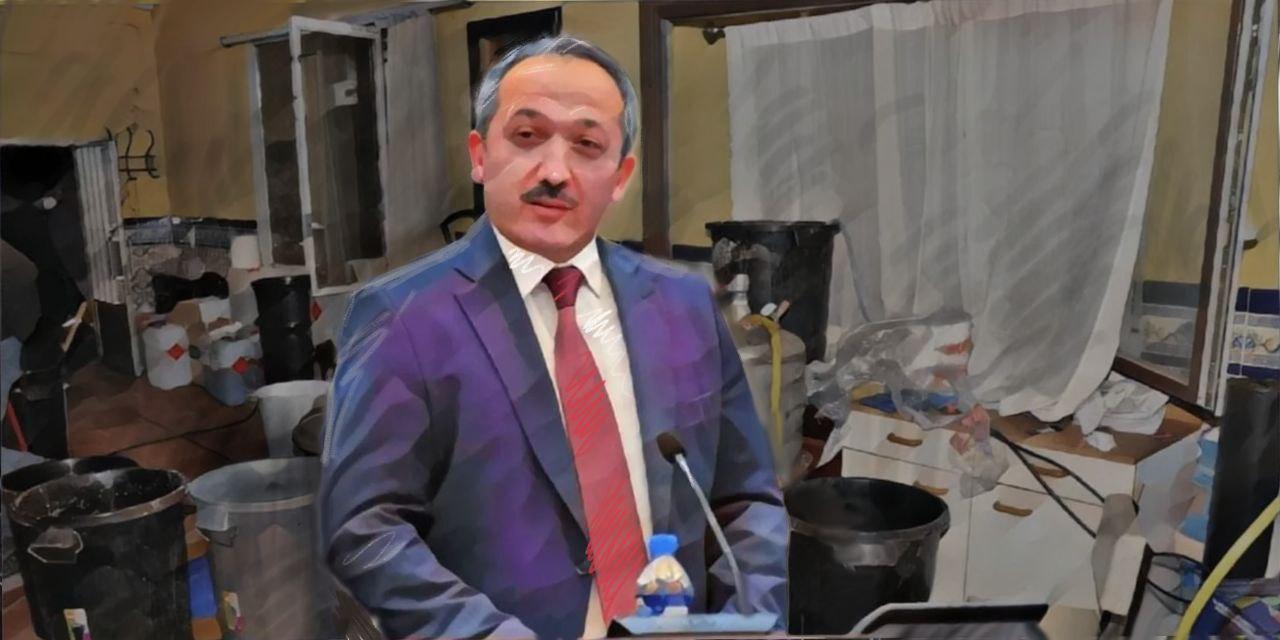
Ravshan Mamatov was appointed director of the National Center for Narcotics Control in August 2024. In July 2025, a presidential decree transformed the center into the Agency for Control of Narcotics and Illegal Firearms.
On January 27, President Mirziyoyev criticized the work of the Narcotics Control Agency and warned Mamatov to engage in more than simply “analytical work and international cooperation.” Mirziyoyev dismissed Mamatov the next day, and it was not a surprise.
Exactly two weeks earlier, Bahodir Kurbanov, the head of Uzbekistan’s State Security Service (SGB), spoke at a session of the country’s Security Council, chaired by President Mirziyoyev.
Kurbanov detailed security measures along Uzbekistan’s borders, including the use of military surveillance drones.
The security chief also spoke about illegal narcotics, noting the amount of drugs seized in 2024 was some 1,700 kilograms and that figure more than doubled to 3,600 kilograms in 2025. Kurbanov noted the 2025 figure included more than 180 kilograms of synthetic drugs and more than one million doses of psychotropic drugs.
Additionally, the number of people arrested for illegal narcotics went from some 2,600 in 2024 to some 4,500 in 2025.
In his January 27 comments, President Mirziyoyev said that during the last three months, the authorities in the capital Tashkent, had detained members from approximately 50 major narcotics trafficking groups and seized some 500 kilograms of illegal drugs.
“Last year, more than 1,500 drug users were officially registered in the capital,” Mirziyoyev said, noting, “The saddest part is that the number of drug addicts living in the shadows is even higher.” The Uzbek president added that most were young people and that “in their quest to raise money, drug addicts naturally resort to crime.”
Mirziyoyev also criticized the penal system, remarking that a significant number of people convicted for illegal narcotics were released from jail before serving even half their sentences. Mirziyoyev said that this has led to a 25% increase in the number of repeat offenders.
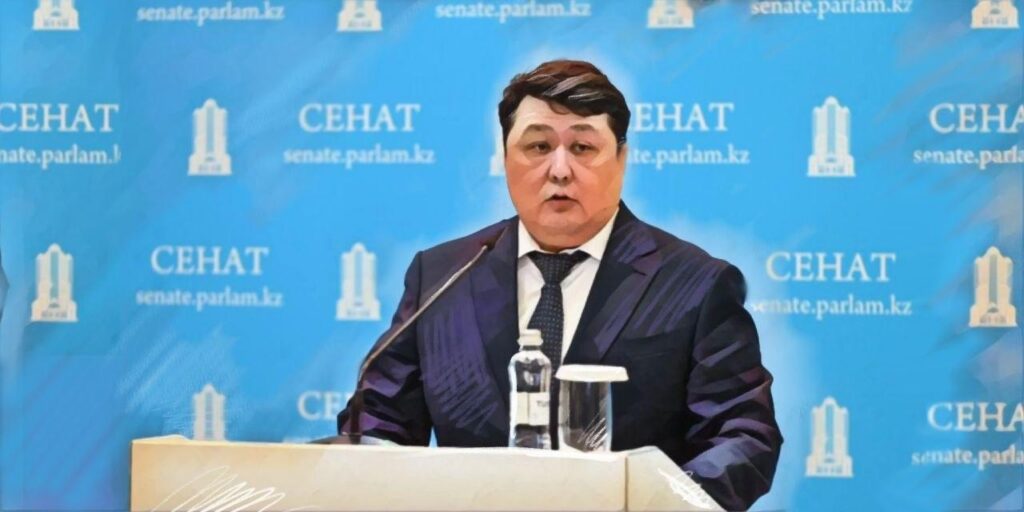
Mamatov addressed Uzbekistan’s parliament on December 17, admitting the amount of synthetic drugs being seized had increased phenomenally during the last five years and that the number of crimes involving illegal narcotics had doubled during that time. Mamatov claimed that in a number of cases, “drug trafficking was being facilitated by officials,” though he did not name any specific officials.
A Regional Problem
The other Central Asian countries are facing the same problems as Uzbekistan.
The amounts of drugs seized and people arrested have been growing in the last few years and continue to increase.
Part of the problem is that the region’s counter-narcotics agencies are facing a new situation in combating the illegal drug trade. Synthetic drugs are usually in pill form or contained in small packets, making it easy to transport these substances without attracting attention.
The same day Mirziyoyev criticized Mamatov, the Uzbek president also announced that a new department for battling cybercrime was being created in the Justice Ministry.
Mirziyoyev said that “95% of the cases involving the selling of synthetic drugs are done through the internet and paid for using cryptocurrency.”
The percentage might differ from country-to-country in Central Asia, but the use of the internet, particularly Telegram, to sell narcotics and make payments in cryptocurrency is growing. Many of the illegal narcotics are produced at laboratories inside these countries for domestic sales, thus eliminating the chances that the drugs will be caught during searches by border guards.
Mamatov spoke at Uzbekistan’s parliament the same day deputies were debating increasing punishments for involvement in illegal narcotics. Traffickers and sellers of drugs could face up to 20 years in prison under a new draft law.
Similar discussions about how to counter the growing illegal narcotics trade are taking place in other Central Asian states. While neighboring countries face comparable challenges, it remains too early to say whether Uzbekistan’s decision to remove Mamatov will be replicated elsewhere in the region.