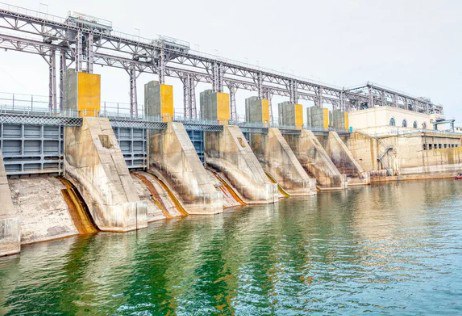
Electricity generation at Uzbekistan’s hydropower plants has declined significantly due to water shortages, Energy Minister Jurabek Mirzamahmudov told lawmakers during a recent session of the Legislative Chamber of the country’s parliament, the Oliy Majlis, according to reports in Uzbek media.
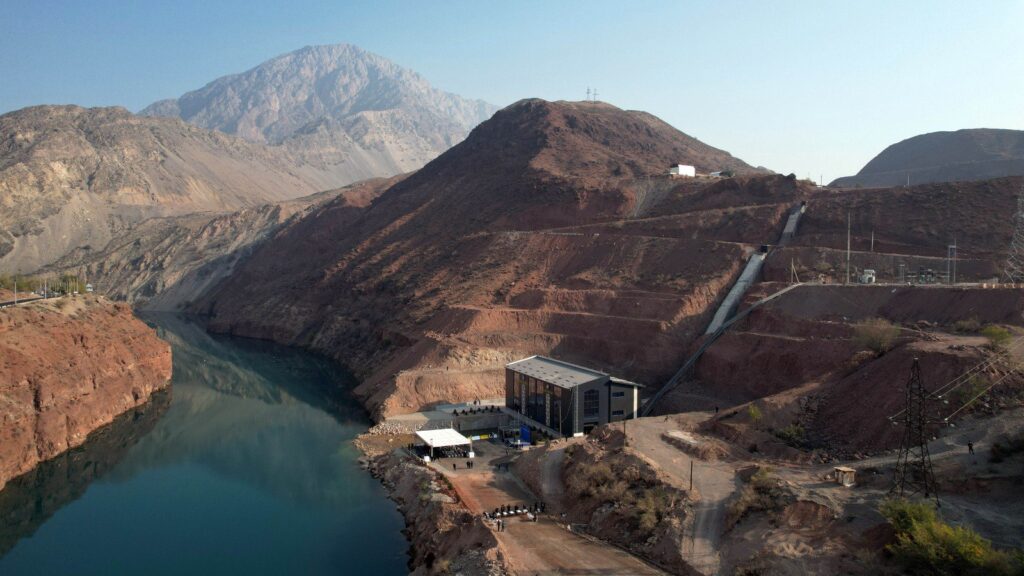
Mirzamahmudov said water inflows to major hydropower facilities had fallen by 35%, directly impacting electricity production compared with last year. He was responding to a question from deputy Saydullo Azimov, who inquired about the ongoing decline in hydropower output.
“The main reason for the drop in electricity generation at large hydropower plants compared to last year is the reduced water inflow,” Mirzamahmudov said. He added that while Uzbekistan has commissioned a number of small and micro hydropower stations, with capacities ranging from one to five megawatts, these facilities collectively produced only about 140 million kilowatt hours of electricity. This output, he noted, remains limited and cannot compensate for the shortfall at major plants.
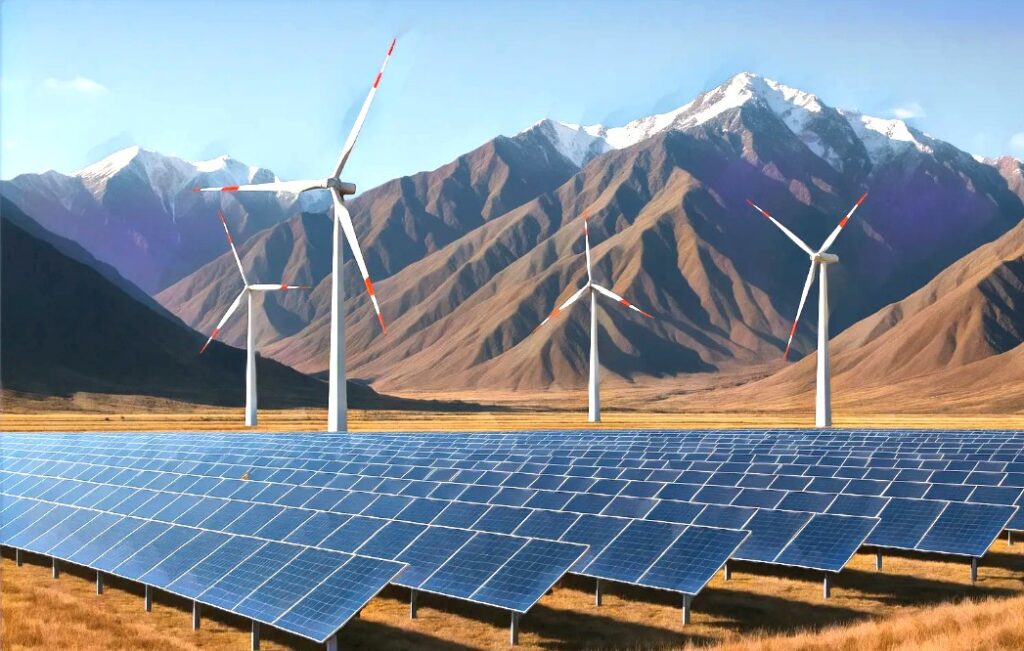
Mirzamahmudov reaffirmed the government’s commitment to further developing the hydropower sector but acknowledged its heavy reliance on water availability. To reduce dependence on natural gas and enhance energy security, Uzbekistan is increasingly investing in alternative energy sources. “We are paying special attention to solar and wind power, as well as energy storage systems,” he said, noting that these options offer more consistent short-term performance.
He also revealed plans to construct pumped-storage power plants, which store excess electricity for use during peak demand periods. However, he pointed out that building a large hydropower facility typically takes six to ten years, making green energy projects the most viable option for addressing immediate energy needs.
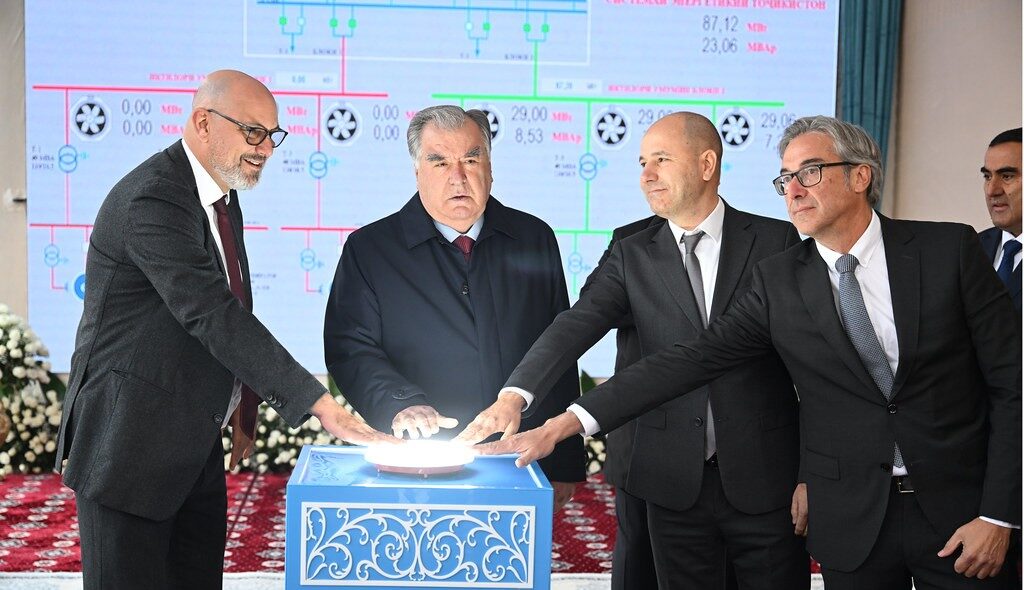
In a related development, Uzbekistan and Tajikistan agreed in July to a new phase of electricity trade. Under the deal, power from Tajikistan’s Rogun Hydropower Plant will be exported to Uzbekistan at an initial rate of 3.4¢ per kilowatt hour. The agreement, which has a 20-year term with automatic extensions, builds on electricity exports that Tajikistan has supplied to Uzbekistan each summer since 2018.