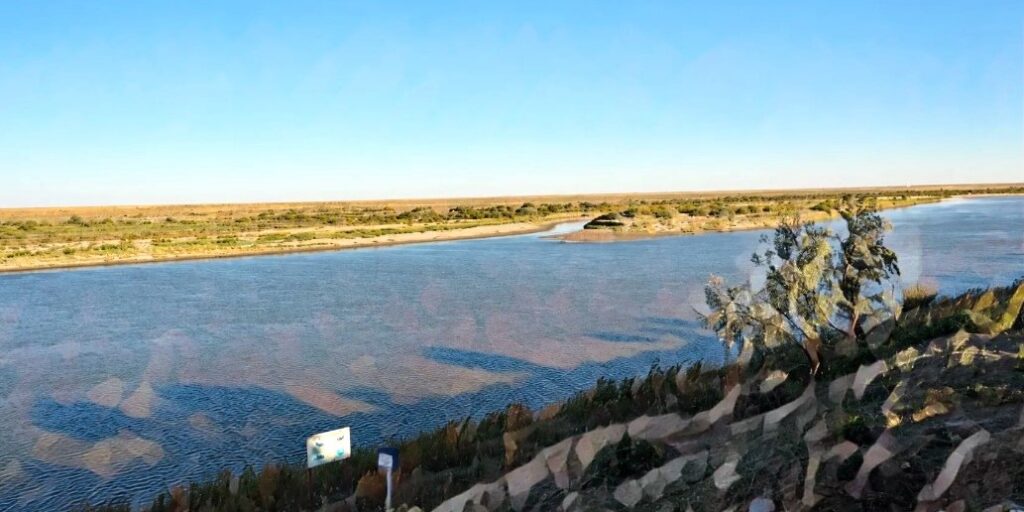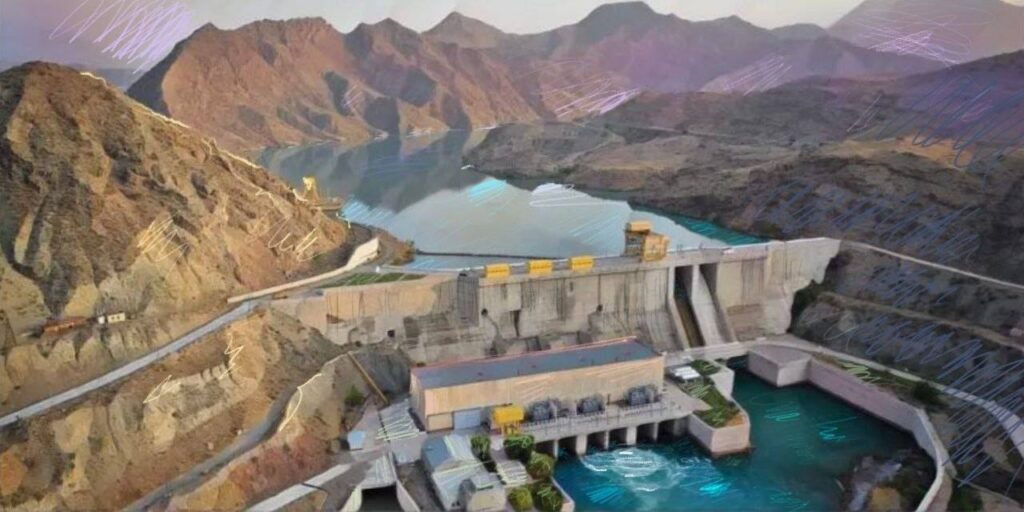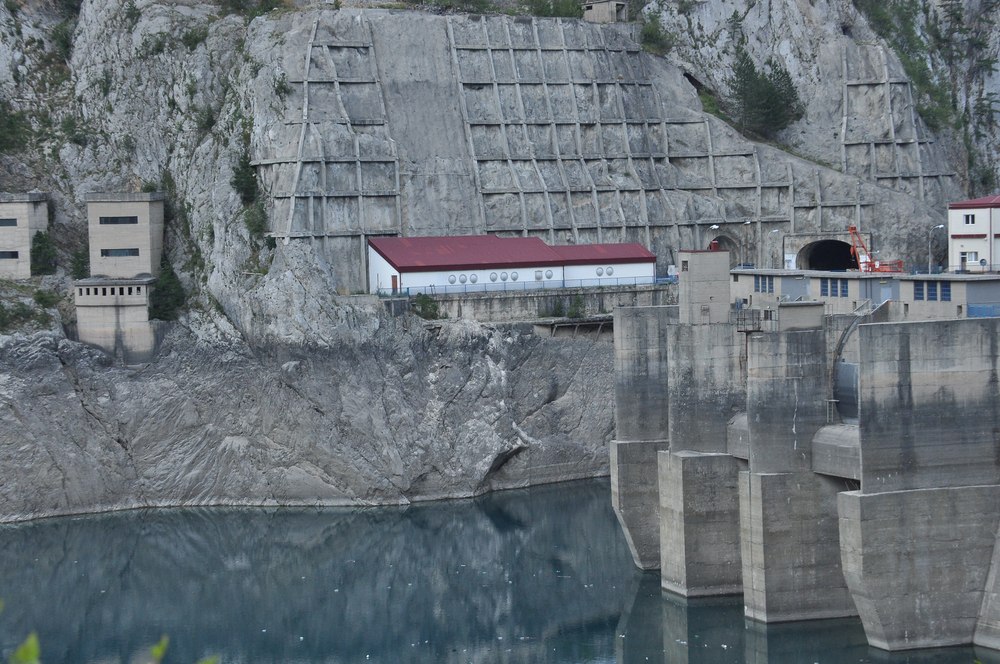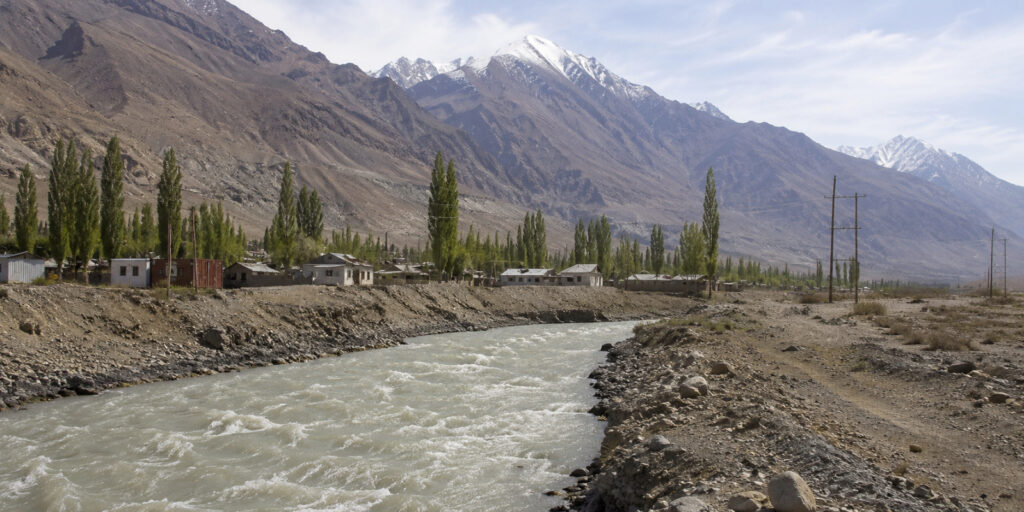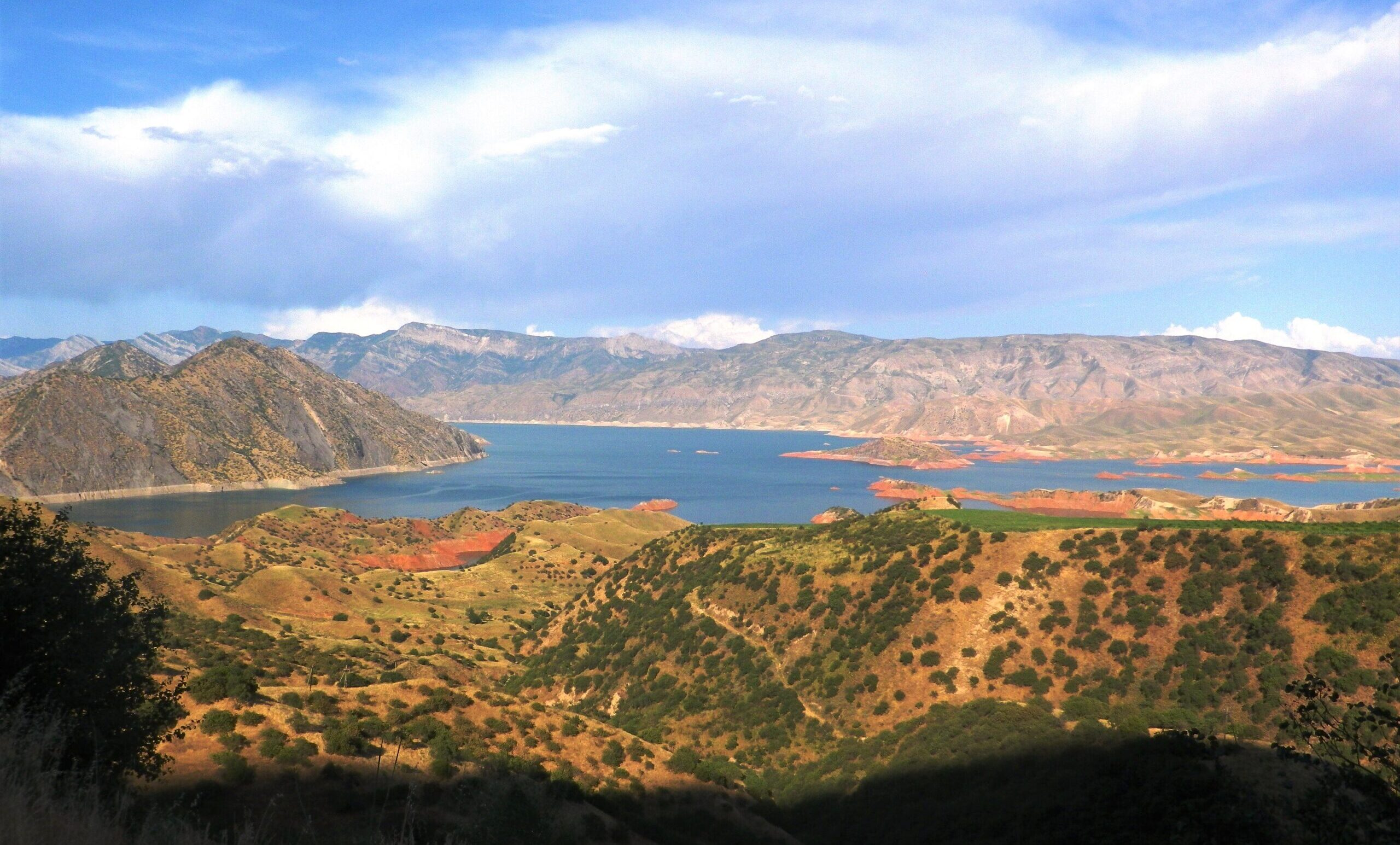
Tajikistan’s massive Nurek hydroelectric dam – the world’s second-tallest – is undergoing a sweeping modernization to shore up the nation’s electricity supply ahead of the demanding winter season. The 300-meter-high dam, completed in 1980 on the Vakhsh River near the Afghan border, has long been a strategic asset, supplying approximately 70% of Tajikistan’s power.
As winter approaches and energy demand peaks, crews at the 3,015 MW hydropower plant are racing to upgrade aging turbines and infrastructure to ensure reliable electricity across the country. The overhaul, which began several years ago, promises not only to keep the lights on through harsh weather but also to boost Nurek’s capacity and extend the life of a facility that has defined Tajikistan’s energy landscape for five decades.
A Soviet-Era Marvel at the Heart of Tajikistan’s Power Grid
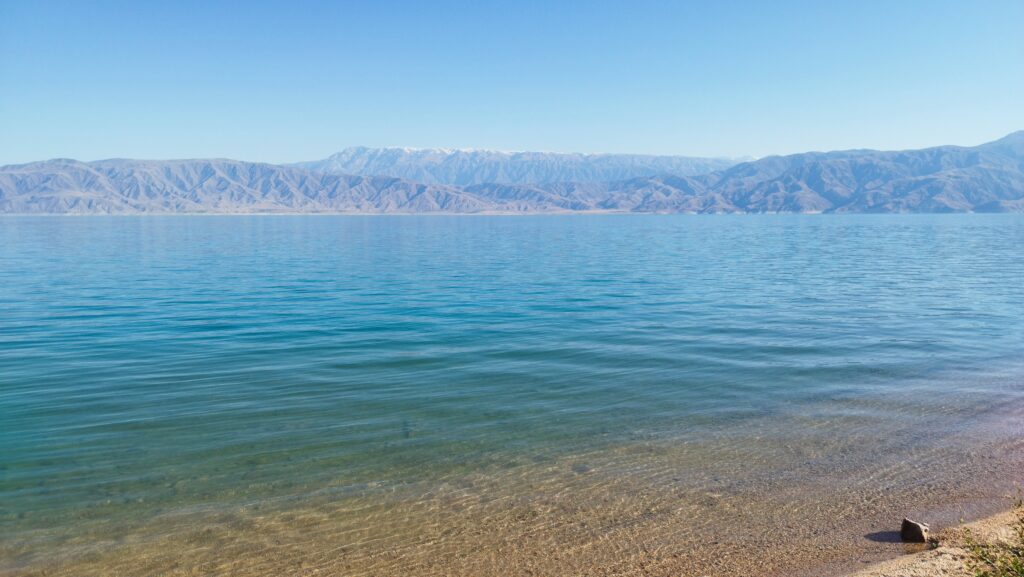
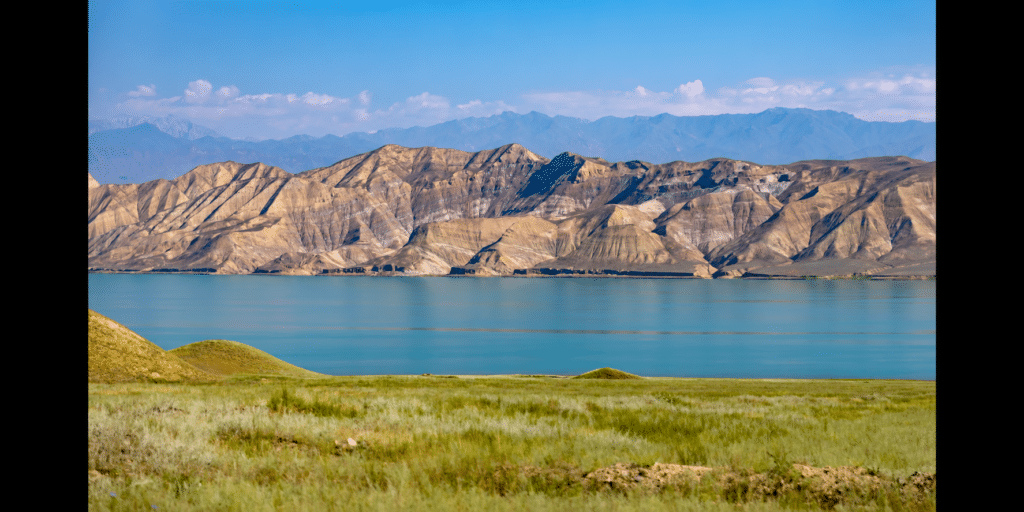
When it was completed in 1980, Nurek was the tallest dam in the world, a record it held for years as a feat of Soviet engineering, with the earth-fill embankment forming a vast reservoir of 98 km² that stores some 10.5 billion cubic meters of water. Between 1972 and 1979, nine giant hydro turbines were installed, giving Nurek an original design capacity of approximately 2,700 MW. Over time, improvements brought its output to just over 3,000 MW. In addition to producing power, the reservoir also supports major irrigation across the Amu Darya basin with one scheme alone – via the Dangara tunnel – irrigating roughly 70,000 hectares, underscoring its dual importance for energy and agriculture.
For Tajikistan, a mountainous country of roughly 10.8 million people, Nurek has been nothing short of an economic lifeline. Hydropower accounts for roughly 98% of Tajikistan’s electricity generation, one of the highest shares of renewable energy in the world. This green energy dominance is largely thanks to Nurek and a network of smaller dams.
However, the infrastructure is aging, and after 50 years of service, Nurek’s machinery had begun to falter. By the mid-2010s, winter electricity shortages had become common. During the cold months from late September to April, the hydrological cycle leaves Tajikistan with reduced river flow, just as heating needs spike. In those winters, rural areas often faced power rationing and outages, while the capital Dushanbe and other major cities narrowly avoided blackouts. Modernizing Nurek became essential to prevent a return to the severe energy crises of the past and to meet the country’s development goals.
Upgrading and Expanding a Giant
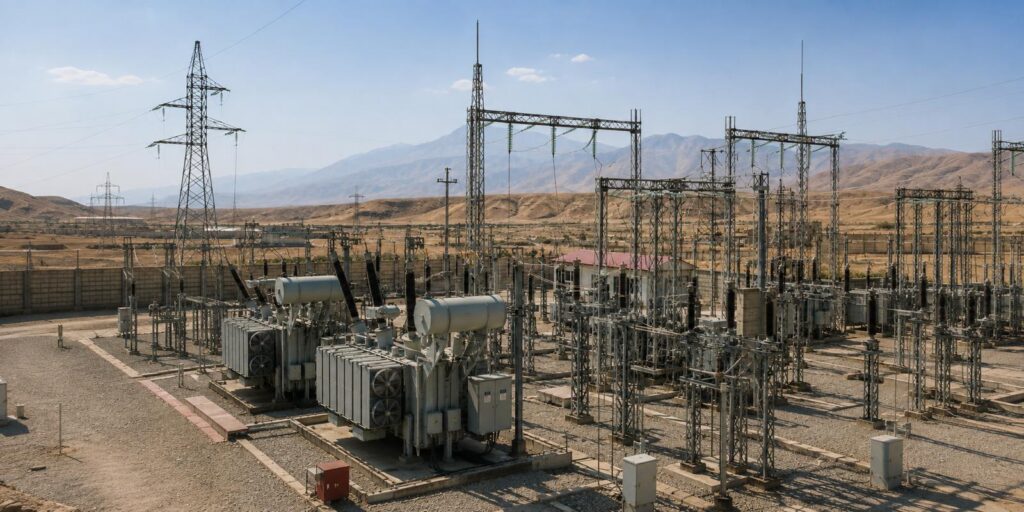
A comprehensive rehabilitation of Nurek began in earnest in recent years, backed by international financing, including the World Bank. The overhaul is split into phases: Phase I of the modernization — covering four of Nurek’s nine generating units along with major dam-safety works — is scheduled for completion by the end of 2026. Phase II will then refurbish the remaining six units. The upgrades are substantial – new high-efficiency Francis turbines will raise each unit’s capacity from 335 MW to 375 MW.
In October 2022, the first upgraded unit came online, producing about 10% more power than before. By August 2024, a fourth unit had been modernized and reconnected to the grid. Work is now underway on a seventh unit, with two fully rehabilitated units confirmed in donor documentation and further units under active refurbishment. Engineers are carefully balancing construction schedules so that most of the plant remains operational to meet demand. Once all nine turbines are rehabilitated, Nurek’s total generating capacity will climb to approximately 3,375 MW, up from 3,015 MW today. That boost effectively adds the equivalent of a mid-sized power station to Tajikistan’s grid without building a new dam. It will help cover growing domestic needs and could create surplus electricity for export in the summer months when rivers run high.
According to Anvar Kiromoddinov, Nurek’s deputy chief engineer, these measures “aim to ensure the country’s energy supply during the challenging winter months” and are essential for “guaranteeing high-quality electricity.”
Beyond the turbines, the project is improving Nurek’s safety and reliability. Crews have been reinforcing the dam structure, overhauling spillway gates, and installing new monitoring instruments to watch for seismic activity or seepage. Aging Soviet-era control systems are meanwhile being replaced with modern automation. In September 2025, Nurek’s management reported preparations for the 2025–26 winter period, with the modernized units performing reliably and work on the next turbines advancing. Together, these measures will extend Nurek’s operating life by decades, ensuring it remains the backbone of Tajikistan’s power supply well into the future.
Project oversight and financing remain robust. International partners, including the World Bank and the Asian Infrastructure Investment Bank (AIIB), report that Nurek’s rehabilitation is progressing on schedule, with Phase I expected to finish by the end of 2026. These institutions continue to provide technical and financial support to ensure the dam meets modern safety and efficiency standards.
Powering Prosperity and Regional Cooperation
Stabilizing Tajikistan’s electricity system has immediate human and economic benefits. In winter, a reliable grid means households in remote villages can depend on electric heat and light instead of burning wood or coal. Industries and hospitals can operate without diesel generators. In recent years, Tajikistan’s economy has been hampered by energy shortfalls in colder months; solving this issue is key to sustaining growth. The country already leads Central Asia in renewable energy production, and with extra capacity from Nurek, it could send surplus summer electricity to energy-hungry markets like Afghanistan and Pakistan via the CASA-1000 transmission project or help balance regional grids.
In August 2025, officials from Uzbekistan and Tajikistan met to coordinate the 2025–2026 winter season and discuss reconnection to the Unified Energy System of Central Asia. Rehabilitating Nurek boosts confidence in such partnerships, as a stronger Tajik grid can be integrated with Uzbekistan and other neighbors for mutual benefit.
The Nurek project also carries symbolism beyond its megawatts. It was a crown jewel of Soviet Tajikistan and remains a point of pride for the nation. Now, as the country undertakes this high-tech retrofit, Nurek stands as a testament to progress, keeping a half-century-old colossus relevant in the 21st century.
Tajikistan is also building a new dam upstream at Rogun, aiming to surpass Nurek and become the tallest in the world with an installed capacity of 3,780 megawatts. Rogun’s construction was once a source of friction with downstream Uzbekistan, but changing political leadership has transformed the dispute into a source of cooperation in recent years. This evolution underscores a hopeful trend: Central Asia’s great rivers, long a cause of inter-state tension, can become a catalyst for collaboration when countries recognize their shared interests in water and energy.
As winter looms, the lights in Tajikistan are set to burn a bit brighter. The revamp of the Nurek Dam is far from just an engineering project; it is a cornerstone of energy security for millions of people. By restoring and enhancing a critical asset, Tajikistan is taking a major step toward an empowered, connected, and resilient future. The ripple effects may well be felt across Central Asia, where cooperation over resources is as precious as the electricity flowing from Nurek’s turbines.