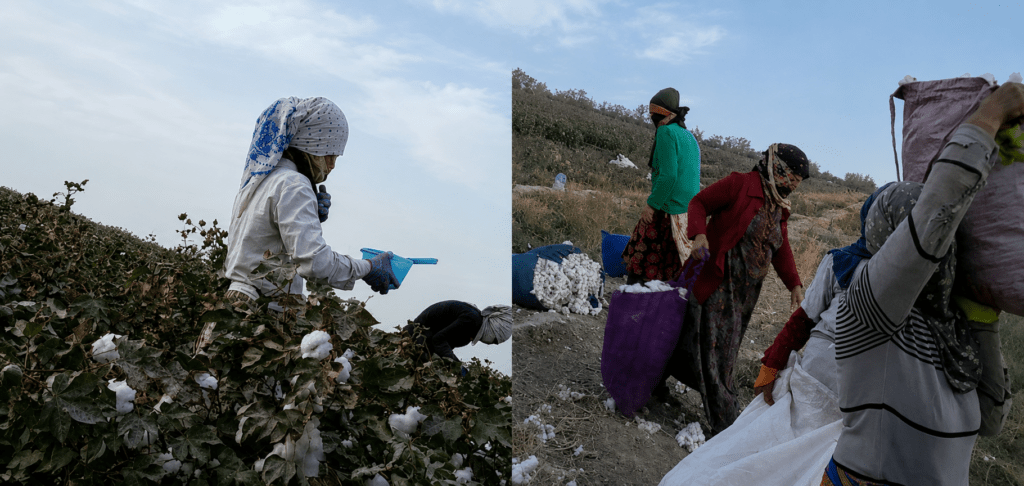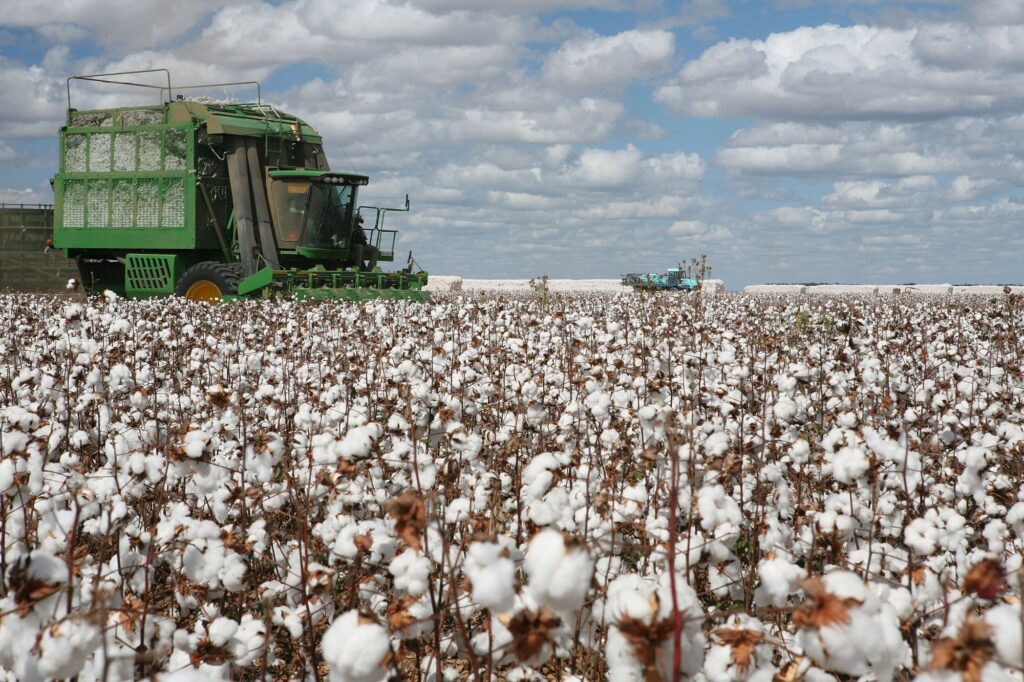
Tajikistan’s cotton farmers are facing a growing crisis: while global cotton prices remain high, local producers are forced to sell at rates below production cost, threatening the viability of an entire sector that once served as a strategic pillar of the national economy.
Farmers say they are currently paid just 6-6.5 TJS ($0.66-0.72) per kilogram for raw cotton, while the cost of production stands at 7-8 TJS ($0.77-0.88). Many now warn that without government intervention, the cotton industry is unsustainable.
Selling Below Cost
“If we don’t sell for at least 10 TJS ($1.10) per kilogram, we will go bankrupt. The production cost is simply too high,” said a farmer from Khamadoni district.
He estimates that it takes between 10,000 and 12,000 TJS ($1,100-1,320) to cultivate one hectare of cotton. Yet this season, even the most optimistic buyers offer well below that value.
In Khamadoni, the crisis is compounded by non-operational cotton ginning factories. Farmers were instructed in the spring to plant cotton, but come harvest time, they discovered there was no local processing infrastructure in place. Many are now searching for buyers in other districts, where prices remain equally unprofitable.
Despite official claims of “freedom of crop choice,” farmers say that in practice they face unspoken pressure from local authorities. Refusing to grow cotton can complicate land lease renewals or access to loans.
Intermediaries Reap the Profits
On the international market, cotton prices hover around $1.50-1.60 per kilogram. But Tajik producers remain disconnected from global buyers. Instead, they rely on a procurement system that disproportionately benefits intermediaries.
“Without subsidies and higher purchase prices, cotton farming will collapse. The current procurement system works in favor of intermediaries, not the farmers,” said economist Farrukh Saidov.
Labor costs add to the burden. Pickers are paid just 1.5 TJS ($0.16) per kilogram while many can earn up to 200 TJS ($22) a day in construction. This pay disparity is driving workers away from agriculture.
Uzbekistan Supports, Tajikistan Promises
In neighboring Uzbekistan, cotton production has become more viable thanks to government subsidies of 2.1 TJS ($0.23) per kilogram. Tajikistan offers no such support, leaving local farmers to operate at a loss.
On paper, however, the government has ambitious plans. The national strategy for the development of the cotton and textile industry through 2040 includes proposals for preferential loans, grants, tax breaks, and greater participation of farmers in setting factory prices.
Plans also call for establishing a national cotton and textile association, retraining agricultural specialists, and bringing in foreign experts. But on the ground, farmers say these promises remain unfulfilled. Video appeals shared widely on social media reflect growing desperation among rural communities.
“We are forced to sell cotton below cost. Without state support, this is a path to ruin,” one farmer said.
Experts agree that systemic reforms are urgently needed. These would include introducing subsidies, creating direct access to export markets, and eliminating unofficial crop mandates.
For now, cotton, once a key strategic industry, is fast becoming a symbol of Tajikistan’s broader agricultural dysfunction.