Kazakhstan, Kyrgyzstan, and Uzbekistan have reached a landmark agreement on coordinated water and energy management, signaling a deepening commitment to cross-border cooperation amid growing seasonal and climate-related challenges.
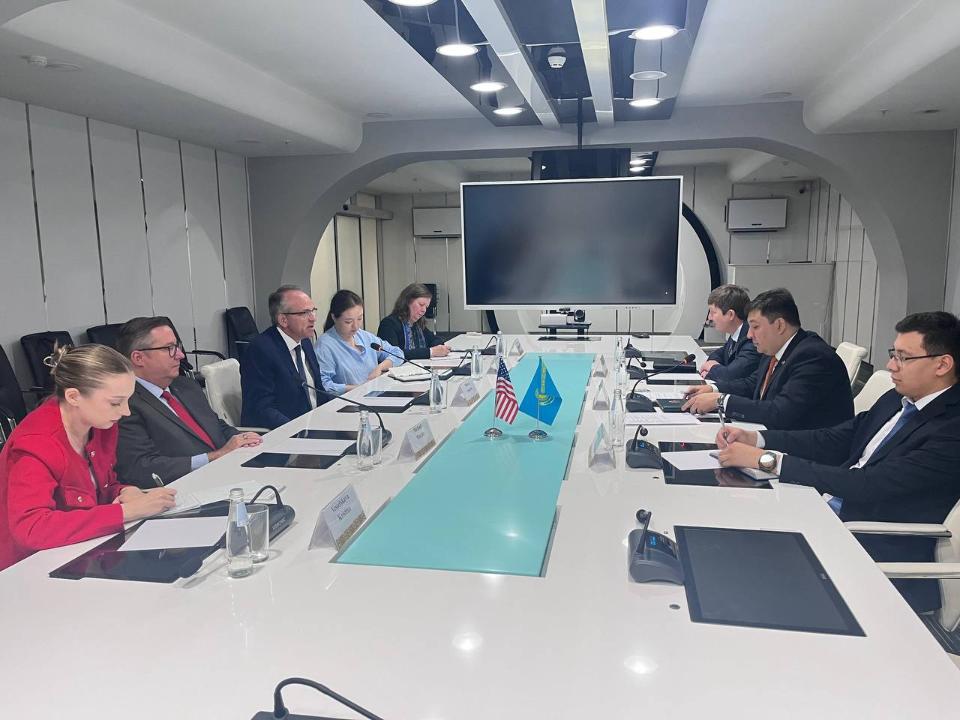
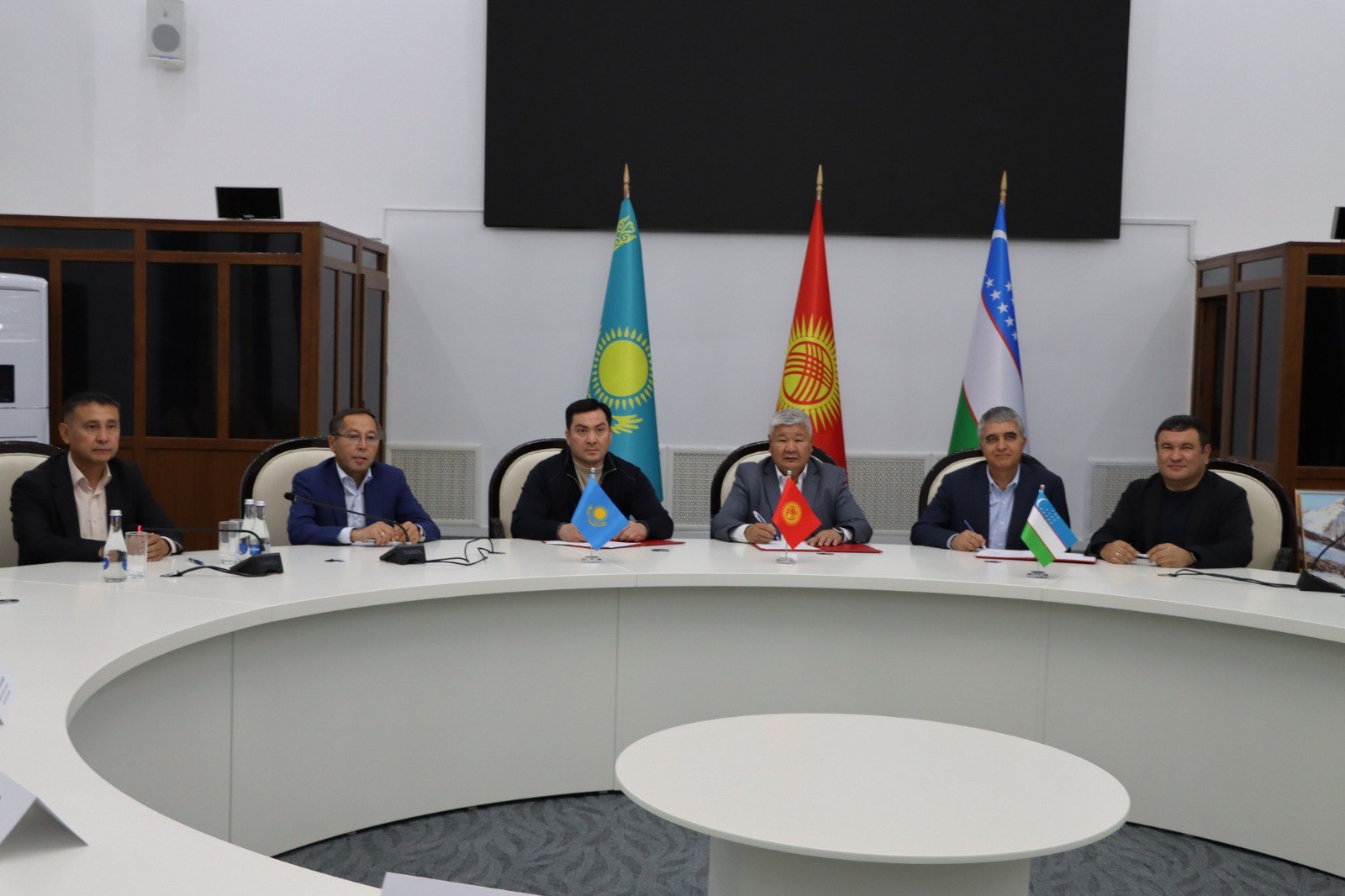
The agreement was formalized on September 7 in Cholpon-Ata, Kyrgyzstan, during a meeting of energy ministers and water management authorities from the three countries. The protocols define mutual obligations for water releases and electricity exchanges, with the goal of balancing the region’s energy needs and preserving critical water resources.
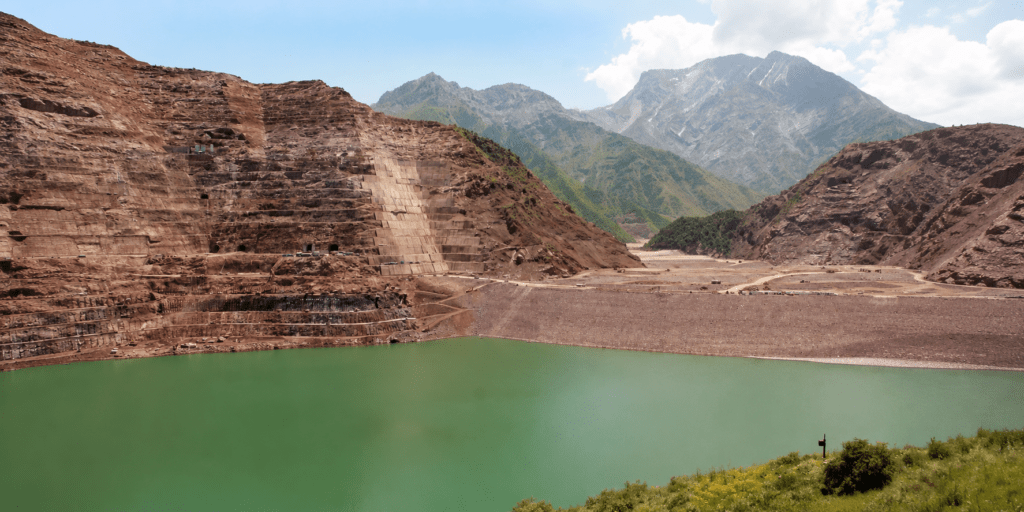
Under the terms of the agreement, Kyrgyzstan will release water from the Toktogul Hydroelectric Power Plant (HPP) reservoir to downstream Kazakhstan and Uzbekistan. In return, Kyrgyzstan will receive electricity from both countries through spring 2026.
According to the Kyrgyz Ministry of Energy, the arrangement is designed to optimize the use of water stored in Toktogul and to secure reliable electricity supplies for Kyrgyzstan during the 2025-2026 autumn-winter period.
Regional Power Transit Agreements
The protocols also include provisions for cross-border electricity transit: from Russia to Kyrgyzstan via Kazakhstan’s grid, and from Turkmenistan to Kyrgyzstan through Uzbekistan’s transmission network.
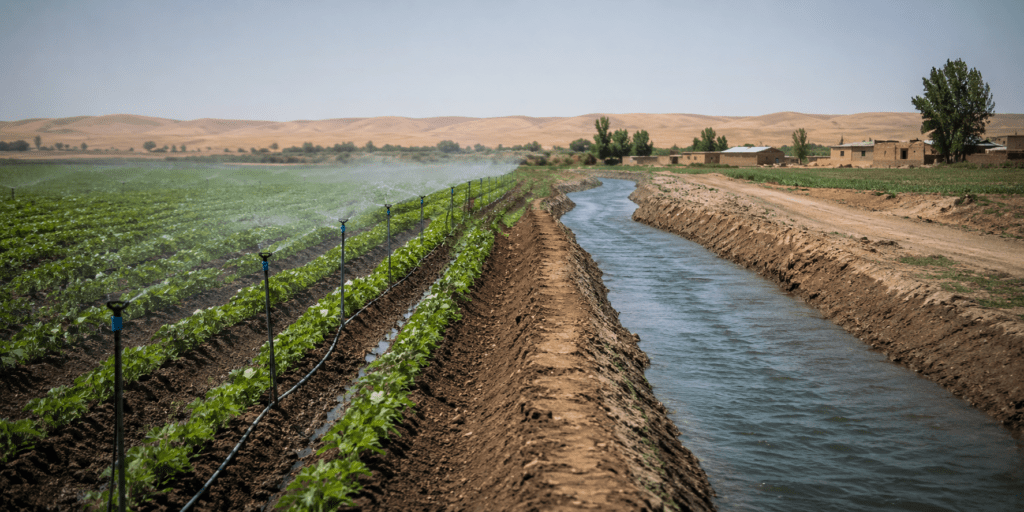
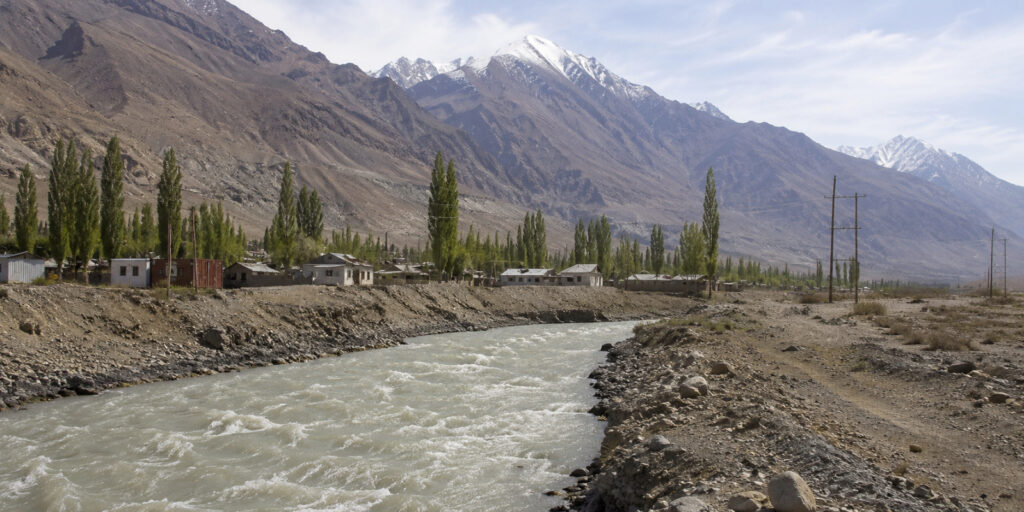
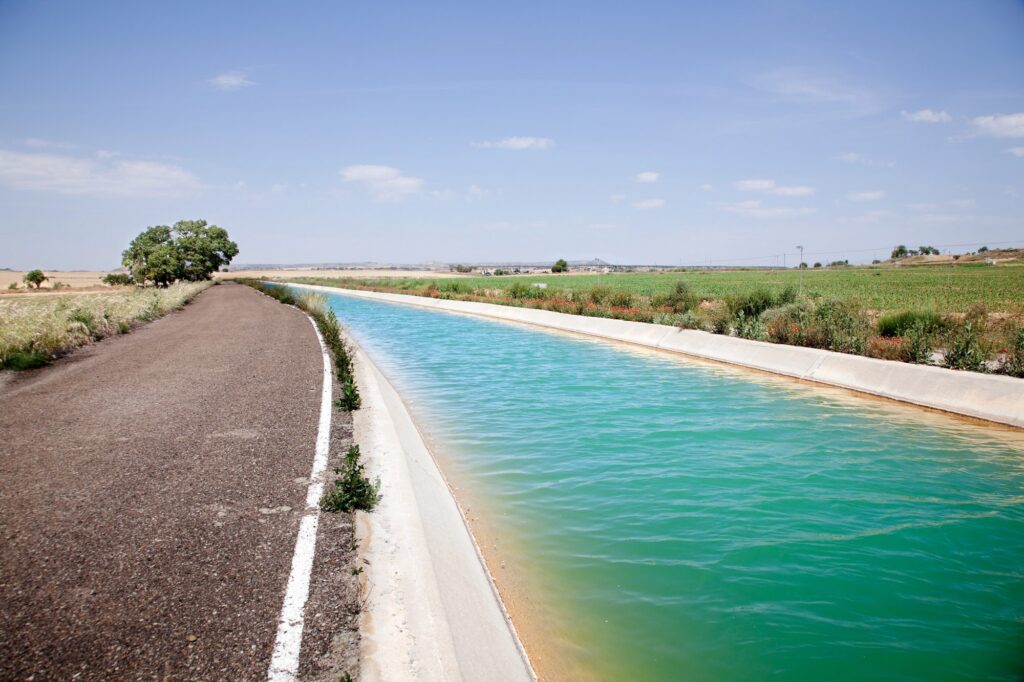
The Toktogul HPP, situated on the Naryn River, a major tributary of the Syr Darya, is Kyrgyzstan’s largest power facility, generating roughly 40% of the country’s electricity. It serves a dual function: providing domestic energy and regulating water flows that are essential for irrigation in downstream Kazakhstan and Uzbekistan.
In winter, Kyrgyzstan often increases power output from Toktogul to meet heating demand, but this can significantly lower reservoir levels, jeopardizing irrigation supplies the following spring. The new agreement is intended to reduce this risk by enabling Kazakhstan and Uzbekistan to supply electricity during peak winter months, allowing Kyrgyzstan to conserve water.
Kazakhstan’s Ministry of Energy emphasized that the trilateral deal is crucial to maintaining water levels in Toktogul and ensuring sufficient irrigation for southern Kazakhstan during the next growing season.
Broader Regional Energy Cooperation
Separately, Kazakhstan and Uzbekistan signed an agreement for the supply of approximately 900 million kilowatt-hours of electricity between March and December 2026. The electricity is expected to cover anticipated shortages in Kazakhstan’s southern power grid and further underscores the growing interdependence of Central Asia’s energy and water systems.