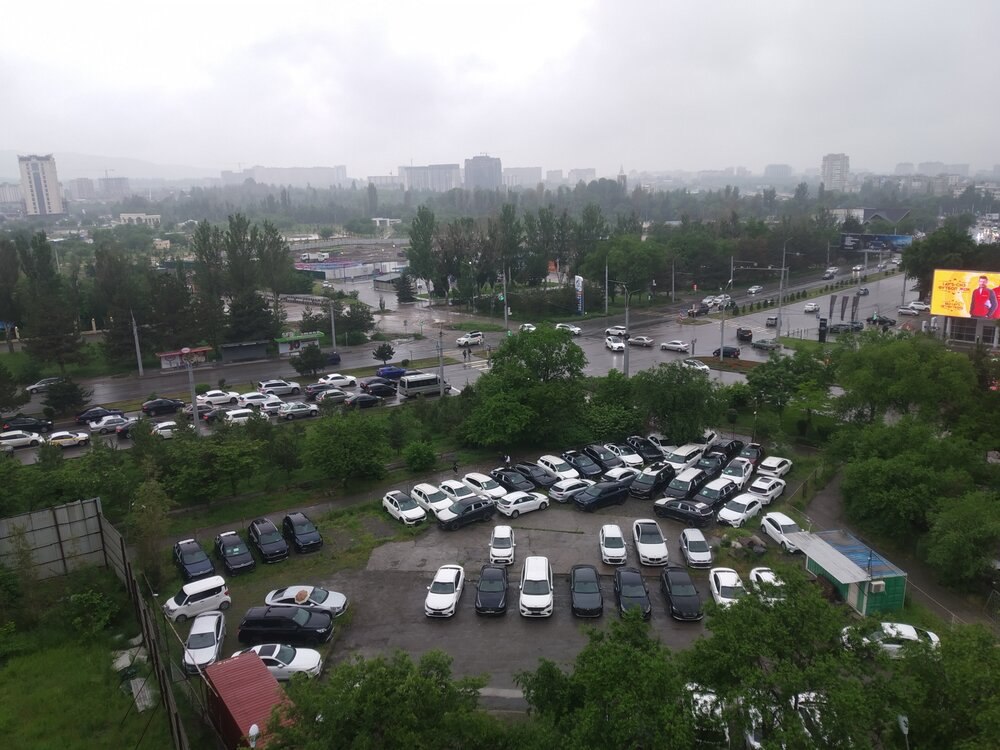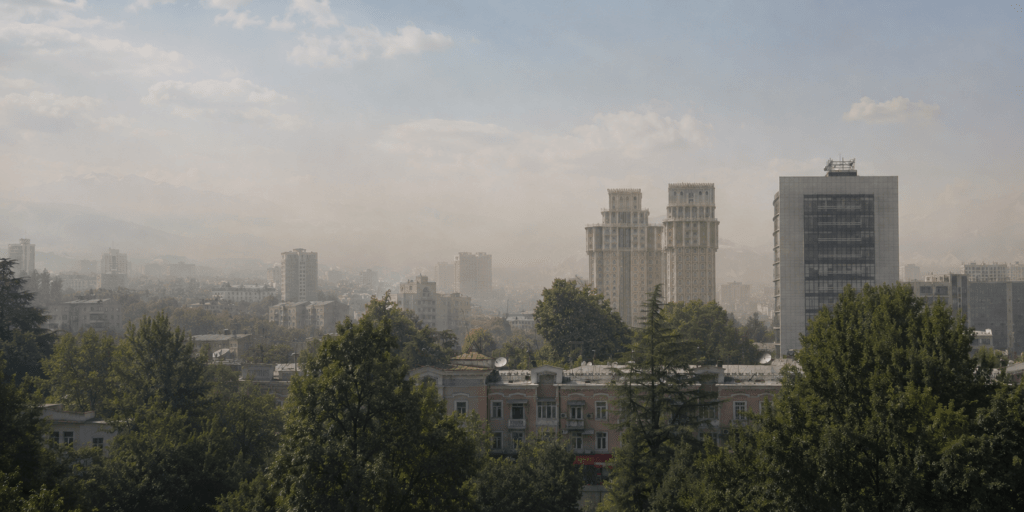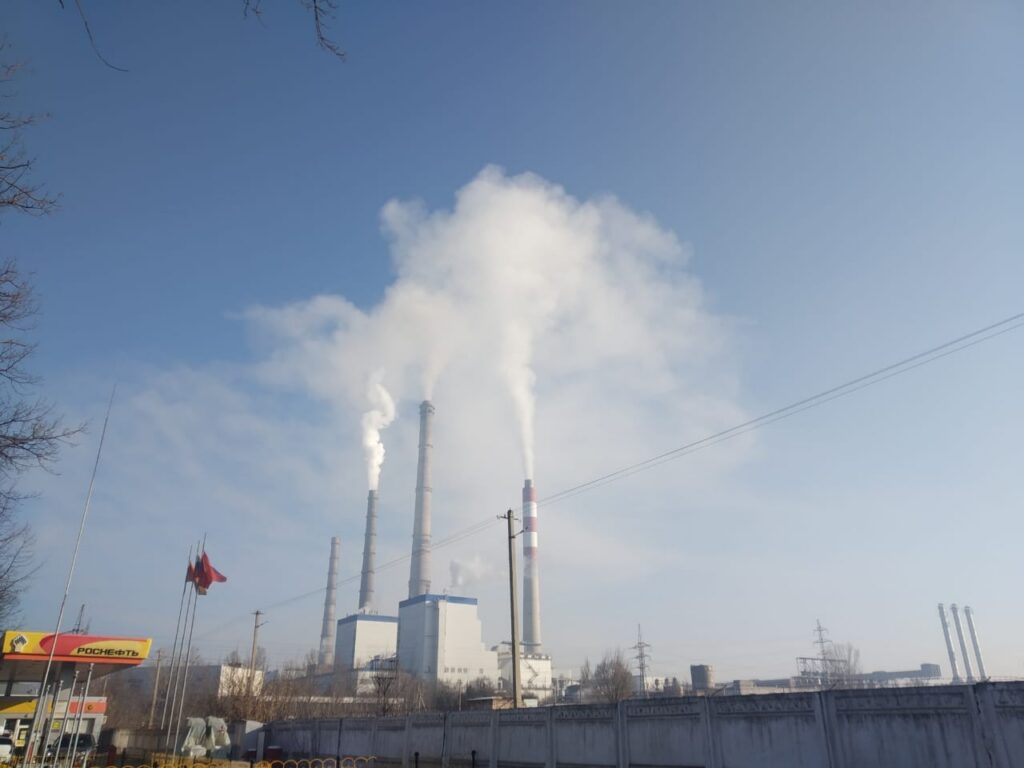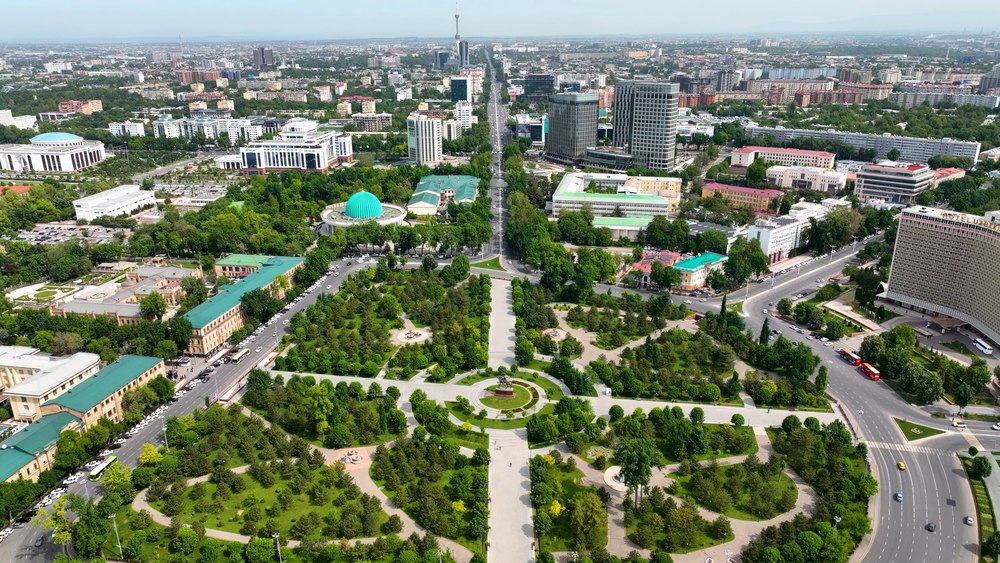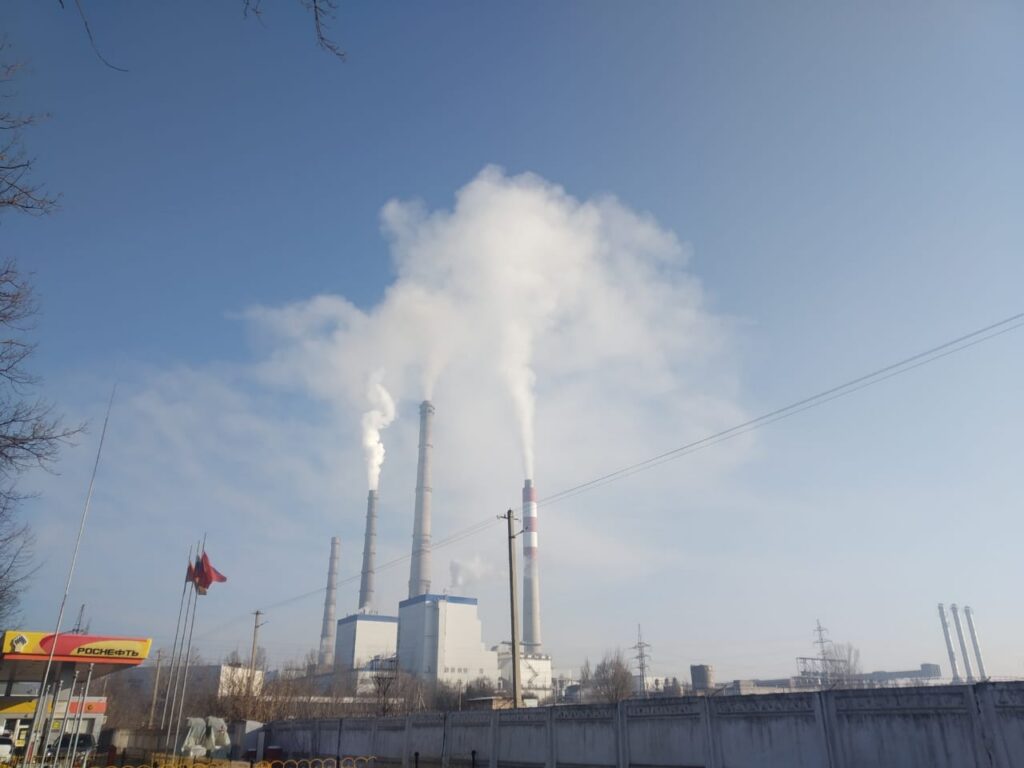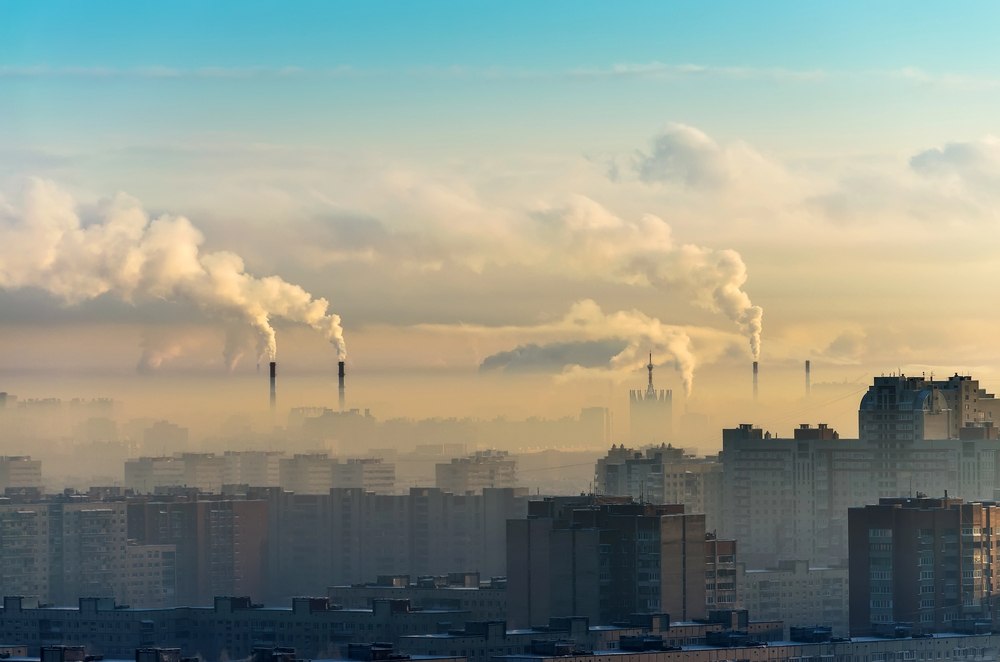
Almaty is investing 325.9 billion tenge (about $720 million) in converting a coal-fired power plant to natural gas, but the plant will continue burning coal for several more years. Bishkek is restricting certain types of coal while maintaining supplies of permitted fuel for winter. Tashkent reported lower pollution over much of the year, though early October brought a sharp increase in harmful particles. Across these three Central Asian cities, winter smog remains a problem as the heating season begins.
According to World Bank estimates, concentrations of fine particulate matter, known as PM2.5, in major Central Asian cities frequently exceed World Health Organization (WHO) guidelines by six to twelve times, particularly in winter.
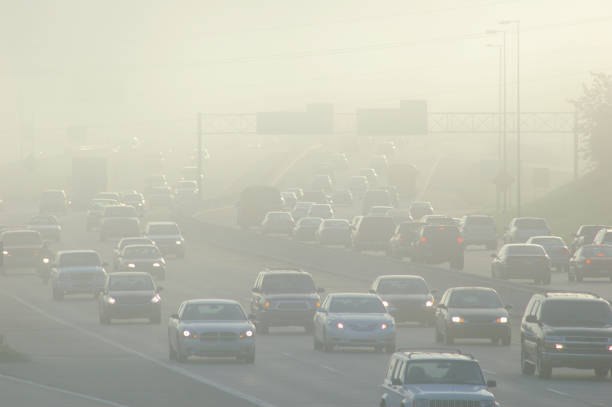
PM2.5 particles can penetrate deep into the lungs and increase the risk of respiratory and cardiovascular diseases. During colder months, emissions from heating and transportation accumulate near the ground. When winds are weak and temperature inversions occur, polluted air can remain trapped over a city for several days.
Almaty: Gas Conversion, Coal Remains
Almaty’s heating season began on October 9, with schools and hospitals connected first, followed by residential buildings on October 10. By then, the modernization of CHP-2, the city’s largest coal-fired heating plant and one of its biggest sources of industrial emissions, had yet to be completed.
According to project estimates, converting the plant to natural gas should reduce annual emissions of harmful substances from 37,300 tons to 2,700 tons. However, those reductions will not be achieved immediately after the new equipment begins operating.
Environmental assessment documents cited by Kursiv indicate that coal-fired boilers and turbines will continue operating alongside gas-fired units in 2027–2029 during commissioning and periods of peak winter demand. The documents also envisage keeping coal-fired equipment in operation into the 2030s to safeguard energy supplies in case of gas shortages.
Vehicle exhaust is another major problem for Almaty. In April, the city introduced a pilot low-emission zone (LEZ) in its center. Until the end of the year, the zone is operating without entry fees, fines, or traffic restrictions.
Separately, citywide emissions checks have been underway since the beginning of 2026. By late August, inspectors had tested 5,496 vehicles and found 1,301 exceeding emissions limits, nearly a quarter of those checked.
Violations detected during citywide inspections can result in penalties.
Bishkek: Coal Restrictions, but No Easy Alternative
In Bishkek, the main cause of winter smog is heating in private homes. Residential heating accounts for approximately 29% of air pollution, transportation for 27%, and dust for 21%. Combined emissions from the main thermal power plant and smaller boiler houses account for 11%, according to international research cited by the city administration.
In October 2025, the municipal authorities imposed restrictions on the sale, storage, and use of fine coal in Bishkek. They also stepped up inspections targeting waste burning and began converting some boiler houses to cleaner fuels.
On October 1, 2026, the mayor’s office announced plans to maintain adequate supplies of coal meeting quality standards at fuel depots across the city. For many private residents, coal remains the cheapest and most accessible heating fuel. Equipment and connection costs can put gas or electric heating beyond the reach of low-income households.
In November 2023, the World Bank approved a $50 million air quality improvement project in Kyrgyzstan, which includes financing for households to switch to cleaner heating. The program supports loans for cleaner heating systems, including heat pumps, and provides for additional assistance to low-income households.
For now, the restrictions on fine coal address only part of Bishkek’s heating problem. Wider reductions in household emissions will depend on how many residents can afford to abandon coal altogether.
Tashkent: Official Figures Improve, but Smog Returns
In Tashkent, the authorities have focused on industrial emissions, vehicle inspections, and expanding the air quality monitoring system.
According to the World Bank, residential and commercial heating accounts for approximately 28% of PM2.5 pollution, transportation for 16%, industry for 13%, and windblown dust for 36%. Dust has a greater impact in the summer, while heating contributes more during winter.
The government has expanded monitoring of industrial and vehicle emissions, while upgrading filtration equipment at factories. In Tashkent, automated PM2.5 monitoring has been introduced at ten locations across the city.
From January 1 to September 21, 2026, Tashkent’s average PM2.5 concentration was 25% lower than during the same period a year earlier, according to official data. The number of days with good air quality under the national classification system increased from 81 to 147.
Pollution levels rose sharply again in early October. On the afternoon of October 5, PM2.5 concentrations stood at 11–14 micrograms per cubic meter. By 8 a.m. on October 6, they had reached 40 micrograms per cubic meter. According to the ecology authorities, conditions that morning fell within the “Unhealthy for Sensitive Groups” category on the AQI scale they cited, indicating increased risks for children, older adults, and people with heart or lung conditions. Under Uzbekistan’s national classification system, air quality remained in the “green” category.
Environmental officials attributed the increase to weak winds and a temperature inversion, with a layer of warmer air preventing pollutants from dispersing near the ground.
Obstacles to Cleaner Air
The WHO recommends keeping annual average PM2.5 concentrations at or below 5 micrograms per cubic meter and the 24-hour average at or below 15. The daily guideline should be exceeded no more than three or four days a year. These guidelines concern annual and daily averages, rather than individual hourly readings.
Tashkent’s October readings illustrate one difficulty in assessing progress: national and international air quality classifications can give very different impressions of the same pollution episode. Changes in monitoring coverage and weather conditions also complicate comparisons between years.
Almaty’s continued use of coal during its gas conversion will delay the full emissions reductions. In Bishkek, many households still face the cost of replacing coal heating. Tashkent’s reported improvement leaves residents exposed to pollution episodes when weak winds and inversions trap emissions near the ground.