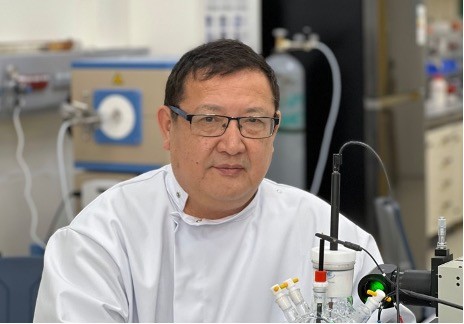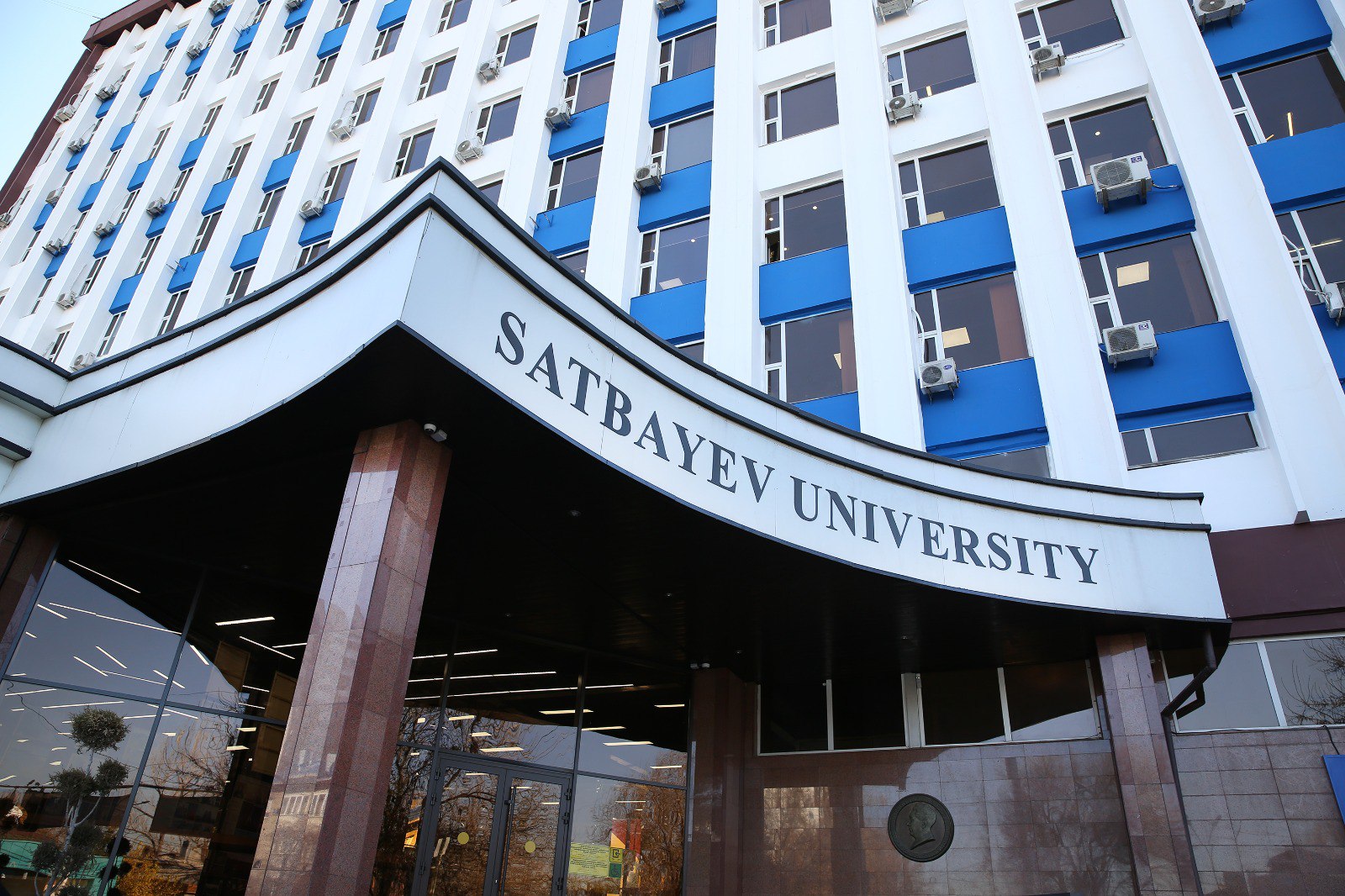
Researchers at Satbayev University in Almaty have unveiled an innovative technology that extracts high-value materials from sugar beet pulp, the primary byproduct of sugar production, accounting for up to 80% of all biomass.
Under the guidance of Associate Professor Sana Kabdrakhmanova, postdoctoral researcher Faisal Kholiya and PhD student Meruert Imanbek employed advanced hydrothermal synthesis techniques to derive high-quality pectin suitable for use in the food and pharmaceutical industries, cellulose with a yield of approximately 35%, and photoluminescent carbon quantum dots ranging from 8 to 14 nanometres, all from sugar beet waste.
The extracted materials have diverse applications, including product shelf-life extension technologies, drug delivery systems, modern diagnostic medicine, and various nanotechnology solutions.
“Our project is a striking example of the transformation of agricultural waste into high-quality, premium materials,” said Kabdrakhmanova, who leads the project.
The research was conducted at the International R&D Center for Advanced Functional Materials and Composites, part of the Department of Chemical Processes and Industrial Ecology at the Omirkhan Baikonurov Institute of Mining and Metallurgy at Satbayev University.
The findings underscore the potential of agricultural waste processing as both a sustainable and economically viable approach.
Particular attention has been given to the photoluminescent carbon quantum dots produced through the project. These nanoscale particles are used in medical diagnostics, biological sensors for cellular research, LED components in electronics, and nanodevices in photonics.
As previously reported by The Times of Central Asia, Kazakh scientists are actively pursuing other innovative recycling technologies. One such project, led by the Kazakh Road Research Institute, involves developing methods to restore worn asphalt for reuse in road repair and construction.