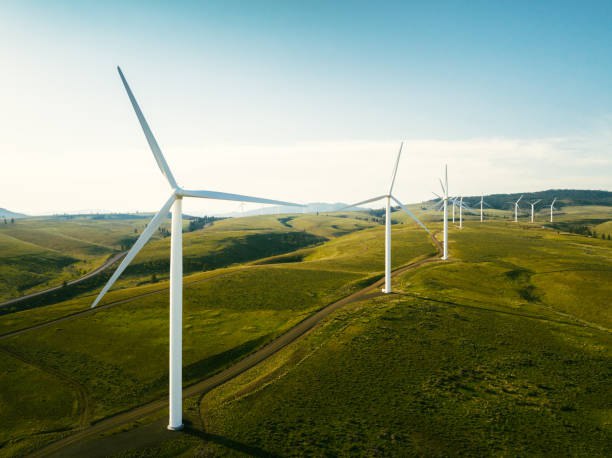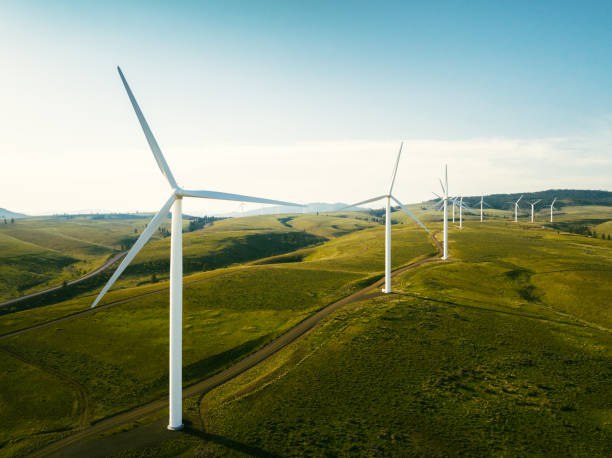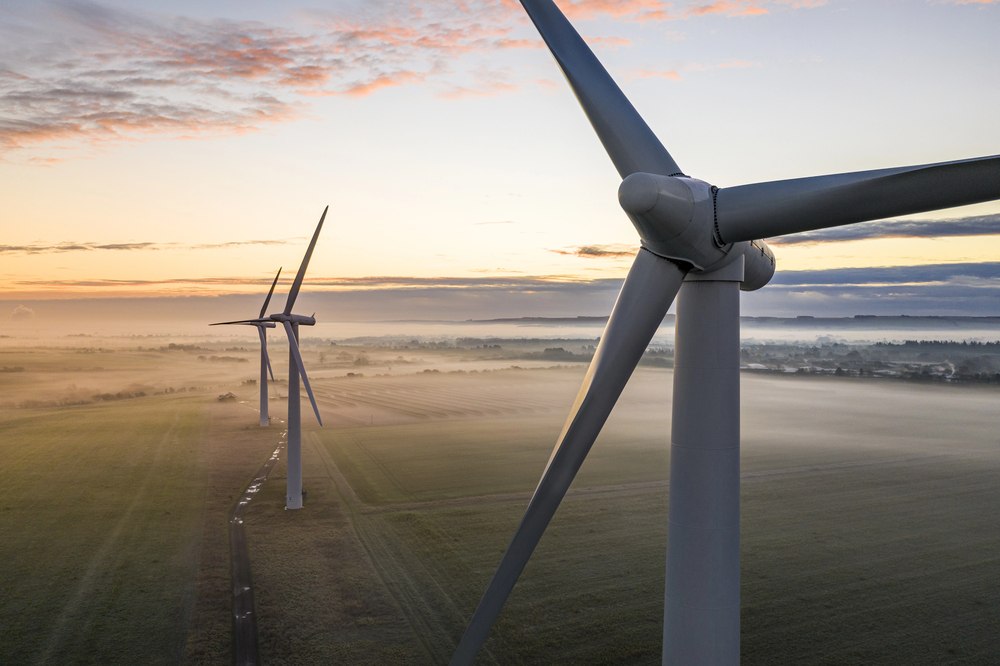
China’s State Power Investment Corporation has begun construction of a 1 GW wind farm in northern Kazakhstan. The project, located near the city of Ekibastuz in the Pavlodar region, is being implemented jointly with Pavlodar Green Energy LLP under agreements signed with the Energy Ministry on January 29.
According to the ministry, foreign direct investment in the project will total approximately $1.2 billion, with commissioning scheduled for 2029.
The wind farm will include a 300 MW energy storage system designed to stabilize electricity output and support Kazakhstan’s unified power grid. Once operational, the facility is expected to generate around 3.4 billion kWh of electricity annually.
The project is also projected to reduce greenhouse gas emissions by up to 2 million tonnes of CO₂ per year.
In 2025, renewable energy generation reached 8.6 billion kWh, exceeding official targets by 19.4%. Renewables accounted for 7% of total electricity output, up from 6.43% in 2024.
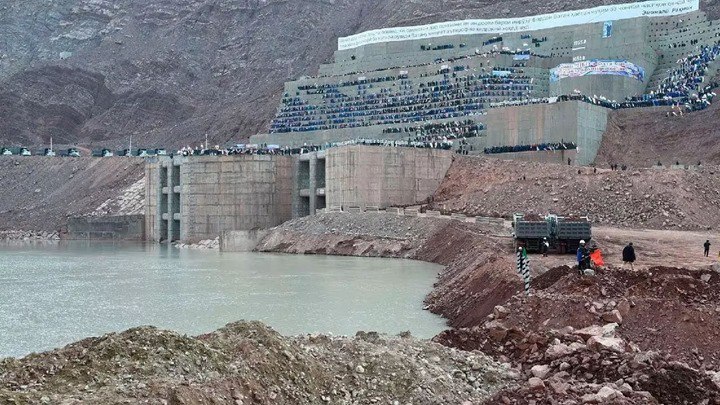
Kazakhstan currently operates 162 renewable energy facilities with a combined capacity of approximately 3.5 GW. In 2026, authorities plan to increase renewable output to 8.8 billion kWh through the launch of 10 new projects, including wind, solar, and hydropower plants.
Despite growth in renewables, Kazakhstan remains heavily dependent on coal and natural gas. Total electricity generation stood at 123.1 billion kWh in 2025 and is expected to rise to 126.5 billion kWh in 2026.
The government is also advancing plans to add 7.6 GW of coal-fired generation capacity, supported by reserves estimated at over 33 billion tonnes.
At the same time, Kazakhstan aims to increase the share of renewables to 15% by 2030 and 50% by 2050, alongside plans to update legislation on alternative energy and hydrogen development.
The Times of Central Asia previously reported that Kazakhstan is launching a large-scale investment program in the energy sector. By 2030, the country plans to attract at least $15.5 billion for the development of coal-fired power generation. The corresponding national project has been approved by the government.