U.S. Vice President JD Vance personally asked Ukrainian President Volodymyr Zelensky on July 31 to halt attacks on oil tankers serving the Caspian Pipeline Consortium’s Black Sea terminal near Novorossiysk, the Financial Times reported on August 12. Citing Ukrainian officials and others familiar with the call, the newspaper said Kyiv had agreed not to target CPC infrastructure or non-Russian vessels unless they were under Ukrainian sanctions or carrying Russian oil or other Russian cargo.
Ukraine has not struck tankers near the CPC terminal since the July 31 call.
Vance’s intervention came after repeated July attacks had disrupted Kazakhstan’s main oil-export route, halted loading several times, and forced producers to cut output. Washington was also concerned that the attacks were destabilizing oil markets and harming U.S. commercial interests.
A U.S. official confirmed to the FT that Washington had warned Kyiv against attacks on non-Russian vessels and CPC infrastructure, describing the pipeline as “a vital conduit of Kazakhstan-origin energy for European markets” and an alternative to Russian energy supplies.
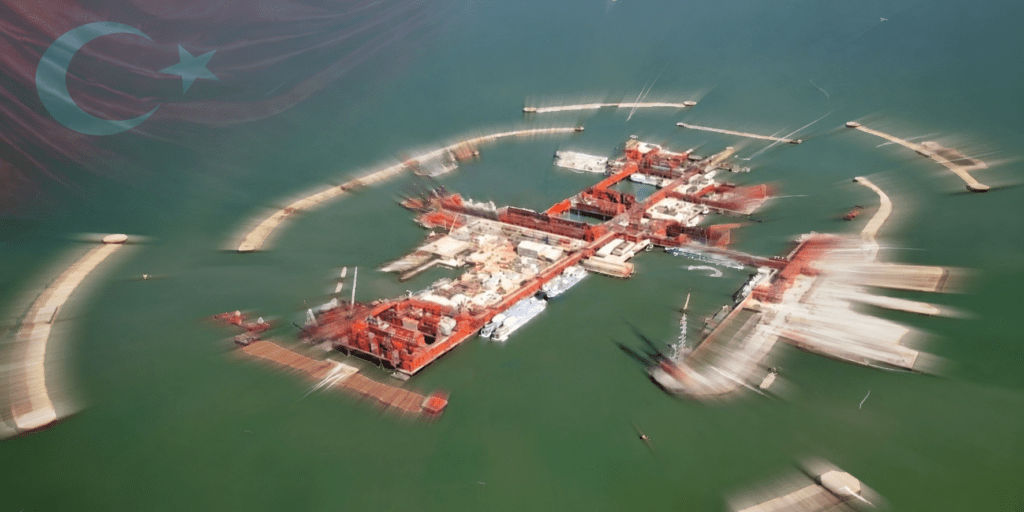
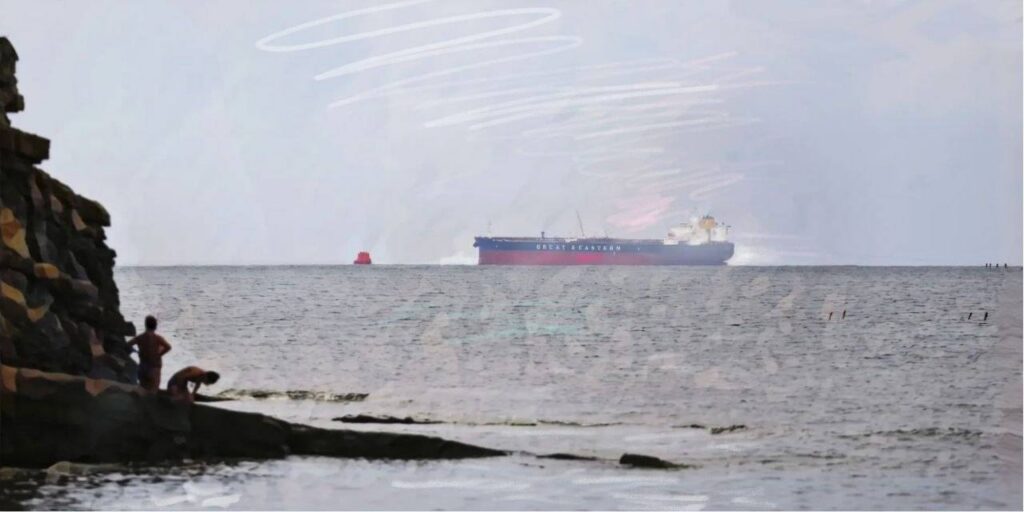
The latest incidents before the call came on July 30, when two more tankers were attacked. NISSOS SIFNOS was struck while loading Tengizchevroil crude at CPC’s SPM-3 mooring, while MARATHI was attacked while awaiting a berth about six nautical miles offshore, forcing CPC to stop loading again. The Vance-Zelensky call took place the following day.
Washington had already warned Kyiv about attacks affecting U.S. and Kazakh economic interests. Ukraine’s ambassador to Washington at the time, Olha Stefanishyna, disclosed in February that the State Department had delivered a formal démarche after an earlier strike on Novorossiysk.
On July 23, Representative Bill Huizenga, chair of the House Foreign Affairs Subcommittee on South and Central Asia, told TCA that Ukraine had an obligation to avoid legitimate allied energy exports and infrastructure, and that further strikes would “not be tolerated.” The Wall Street Journal later reported that Chevron CEO Mike Wirth had raised the tanker attacks with Trump administration officials, after which Washington cautioned Ukraine against targeting non-Russian vessels in the Black Sea.
By early August, the disruption was showing clearly in export data. Reuters reported on August 7 that CPC loadings in July fell more than 20% behind schedule to around 1.2 million to 1.3 million barrels per day. The reduction amounted to a loss of about 400,000 barrels per day of CPC Blend from international markets in July. Kazakhstan’s oil production fell 14% in July from June.
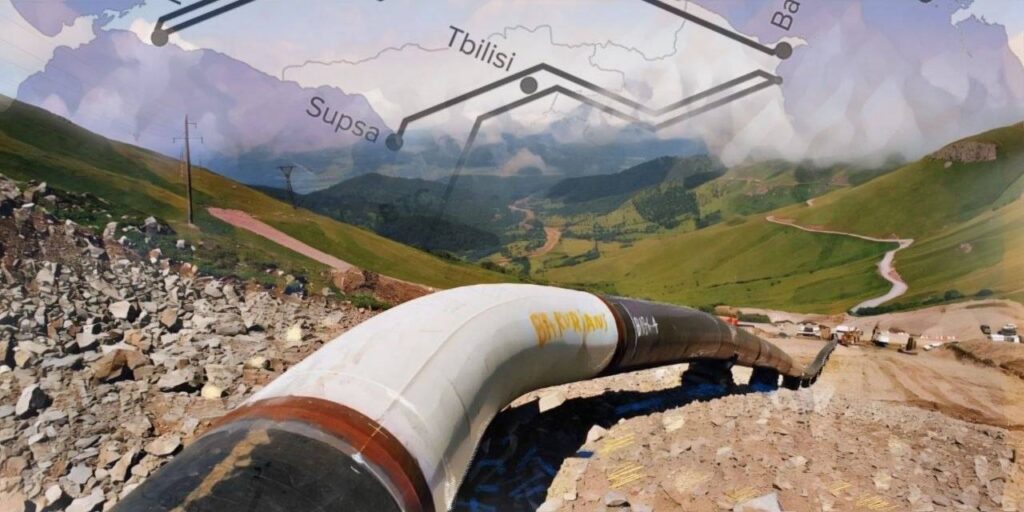
CPC is the dominant route for Kazakhstan’s oil exports and normally handles roughly 1.5 million to 1.7 million barrels per day. The 1,511-kilometer pipeline runs from the Tengiz field through Russia to the Black Sea. Its shareholder structure also gives U.S. companies a substantial direct interest: Chevron owns 15%, while Mobil Caspian Pipeline Company, an ExxonMobil affiliate, owns 7.5%.
Responsibility for the individual tanker attacks has remained politically sensitive. Russia has blamed Ukraine. Kyiv has not publicly claimed responsibility for attacks on vessels carrying predominantly Kazakh crude.
According to the FT, the July 31 call resulted in a specific understanding around CPC-linked shipping and infrastructure. Ukraine continued strikes on Russian energy infrastructure elsewhere after the call.
For Kazakhstan, the distinction has direct economic consequences. CPC transports the bulk of its exported crude, while alternative routes can absorb only a fraction of normal volumes. A sustained pause in attacks on CPC facilities and non-Russian tankers would therefore reduce a major immediate risk to production and export earnings.