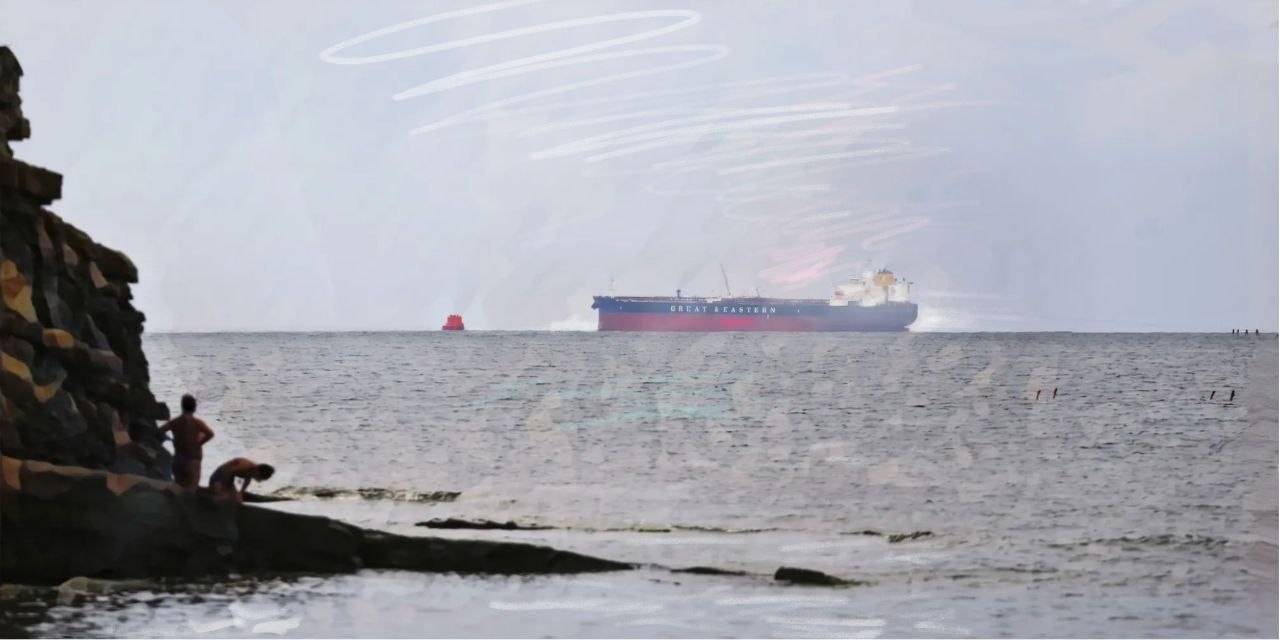
The Caspian Pipeline Consortium’s Black Sea export operations have become intermittent once again following a brief restart. Eight trading sources told Reuters that CPC repeatedly suspended operations this week and was closed again on August 5, as safety concerns made shipowners reluctant to accept CPC voyages.
Four tankers completed loading after the July 30 attacks, and two had left the terminal area by early this week. Those departures confirmed that cargo could still move, but they did not show that the terminal had returned to normal. Russian transport group FESCO suspended operations in the area on August 4, while one CPC Blend seller needed several attempts to secure a vessel for a recent cargo.
CPC declined to comment. Kazakhstan’s Energy Ministry had said on August 1 that a complete shutdown was not under consideration and the situation was under control.
A Brief Restart
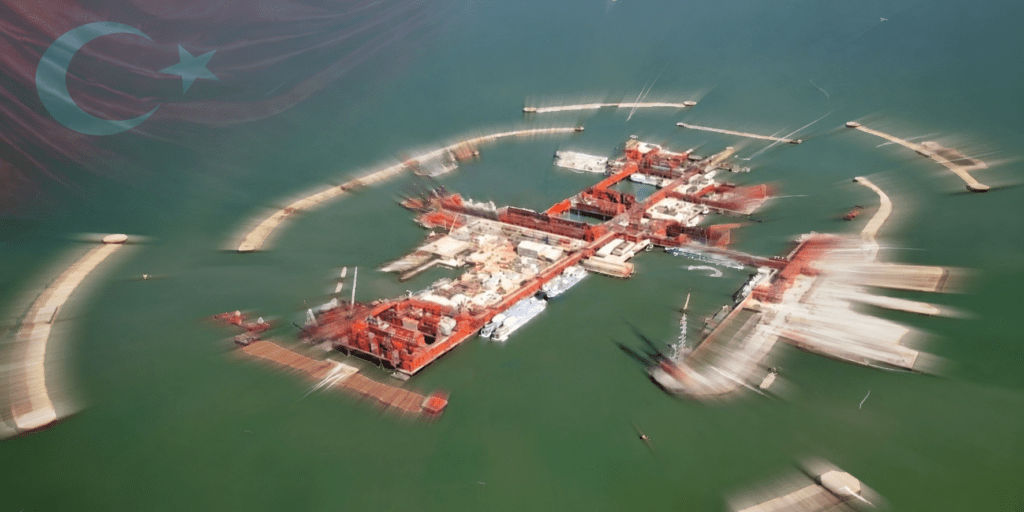
The latest disruption followed two attacks near the terminal on July 30. NISSOS SIFNOS was struck while loading Tengizchevroil crude at single-point mooring SPM-3. MARATHI was hit while waiting about six nautical miles offshore. Both crews were unharmed, fires were extinguished, and no pollution was reported.
Chevron told The Times of Central Asia at the time that it was “aware of reports of an incident involving a vessel loading at Caspian Pipeline Consortium (CPC) facilities near Novorossiysk. The safety of personnel, the protection of the environment and integrity of assets are our top priorities.”
CPC stopped oil loading after the event, but said its pipeline facilities were operating normally.
On July 31, Chevron CEO Mike Wirth said that oil was flowing and tankers were loading. By August 3, four tankers had completed loading at the terminal; two had departed, while at least three more remained nearby. Exports had resumed briefly, but the restart proved fragile.
The Energy Ministry said CPC was receiving 100,000 metric tons of crude a day on August 1, equal to about 730,000 barrels per day. “The CPC continues to receive oil from shippers, while storage tanks are being filled,” the ministry said. It added that higher intake depended on tankers arriving on time.
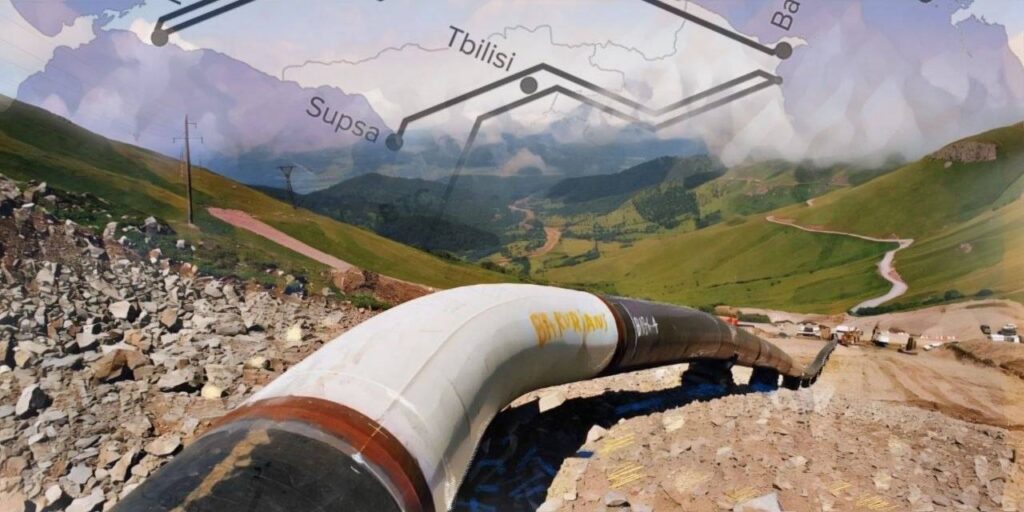
The 1,511-kilometer pipeline can continue moving crude into terminal storage while maritime exports slow or stop. If the tanks fill, CPC may have to restrict intake, forcing producers in Kazakhstan to cut output.
Freight costs reflected the risk. The daily charter rate for a tanker calling at CPC reached $338,000 by the end of last week, almost double the level from a month earlier. August-loading CPC Blend cargoes were offered this week at nearly $4 a barrel below Brent. The grade had traded at a premium only a few weeks earlier. War-risk insurance for calls at Black Sea terminals has risen to as much as 2% of a vessel’s value, from around 1% two weeks earlier, according to insurance sources.
Production Damage Spreads
Preliminary operational data put Kazakhstan’s crude oil and gas condensate production for July at 7.6 million metric tons, or about 1.85 million barrels per day. That was 14% below June’s figure of 2.16 million barrels per day. Tengiz output fell 18% month on month. Kashagan declined 25%, while Karachaganak fell 18%. The Energy Ministry and the field operators have not confirmed these figures.
Tengiz was producing about 454,000 barrels per day on July 31, less than half its June average of 961,000 barrels. Tengiz remains especially exposed because it relies heavily on CPC. On July 26, national oil and condensate output had fallen to about one million barrels per day before loading briefly resumed.
In an analysis published on August 5, the shipping association BIMCO estimated that CPC terminal loadings had fallen 62% over the previous two weeks compared with the preceding four-week average. “Kazakh dirty tanker exports have been hurt as badly as Russian exports,” chief shipping analyst Niels Rasmussen said. BIMCO estimated that almost 75% of CPC exports this year had gone to European Union countries. Kazakhstan supplied 9.6% of EU petroleum-oil imports in the first quarter of 2026, ranking among the bloc’s three largest suppliers.
Tengizchevroil plans to send about 100,000 metric tons by rail to Georgia’s Black Sea port of Batumi during August. Spread across the month, that is roughly 24,000 barrels per day. The diversion offers some relief, but it cannot replace a route that carries more than 80% of Kazakhstan’s oil exports and about 1.8% of global supply.
A Higher OPEC+ Target Meets a Physical Limit
Kazakhstan’s OPEC+ crude production target will rise by 10,000 barrels per day in September to 1.628 million barrels per day. Seven producers agreed on August 2 to raise their combined target by 188,000 barrels per day. Kazakhstan must still compensate for excess production since January 2024 by pumping below future targets.
The quota covers crude oil, while Kazakhstan’s national production data also include gas condensate, so the figures are not directly comparable. Even so, the export disruption places a clear physical limit on any increase.
OPEC+’s Joint Ministerial Monitoring Committee highlighted the “critical importance of safeguarding international maritime routes” and expressed concern about attacks on energy infrastructure. The committee did not name CPC or assign responsibility. Kazakhstan sits on the committee.
Kazakh Oil Caught in Black Sea Risk
CPC’s location in Russia exposes Kazakhstan-origin crude to war risk even though Western sanctions distinguish it from Russian oil. European Union guidance treats documented CPC crude as Kazakh in origin despite unavoidable mixing inside the system. BIMCO’s estimate that almost three-quarters of this year’s CPC exports went to the EU underlines Europe’s stake in stable loadings.
The consortium’s ownership also crosses the wartime divide. Russia holds 31%, Kazakhstan 20.75%, Chevron 15%, and ExxonMobil 7.5%. The route carries crude from projects backed by major U.S. and European companies.
Kazakhstan’s Foreign Ministry has said that the tanker attacks damage its economic interests and threaten lawful trade. “Kazakhstan demands an immediate halt,” it said in July.
Washington had already raised the issue directly with Kyiv. In February, Ukraine’s ambassador to the United States, Olha Stefanishyna, said the State Department had delivered a formal démarche after a Ukrainian strike on Novorossiysk affected U.S. and Kazakh economic interests. She said Kyiv had taken note and stressed that the message concerned damage to those interests, rather than Ukraine’s broader campaign against Russian military and energy infrastructure.
Later in July, The Wall Street Journal reported that the Trump administration had warned Ukraine against attacking non-Russian vessels in the Black Sea. U.S. Representative Bill Huizenga then told The Times of Central Asia that further strikes affecting CPC “will not be tolerated.”
During a July 29 call, Secretary of State Marco Rubio and Kazakhstan’s Foreign Minister Yermek Kosherbayev discussed the importance of “reliable and uninterrupted” exports of Kazakhstan-origin oil through CPC.
Four tankers loaded during the brief reopening, but repeated suspensions show that technical readiness alone cannot restore normal exports. A durable recovery requires shipowners to accept CPC voyages and the terminal to operate without interruption. Until then, Kazakhstan risks further production cuts, continued discounts for CPC Blend, and greater reliance on smaller, costlier routes.