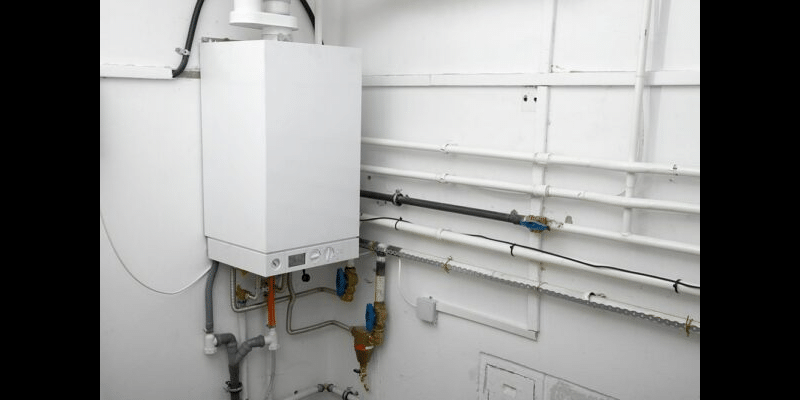
Eighteen people died in three suspected carbon monoxide poisoning incidents in Uzbekistan between October 25 and November 1, prompting warnings about dangerously modified gas boilers being sold as new.
On October 25, seven members of one family died in the village of Chimyon in the Fergana region. On November 1, another five people died in Kokand, including three girls aged seven, three, and one. An initial inspection of the Kokand home found a disconnected exhaust pipe on the gas boiler.
In Tashkent, six people were found dead in a house under construction on October 25, and two others were hospitalized in serious condition. The Prosecutor General’s Office said a preliminary investigation found that the basement boiler did not meet safety requirements and the house had been connected to the gas network without the required technical permits. A criminal case was opened.
The Fergana Regional Department of Emergency Situations said Vaillant gas boilers decommissioned in Germany had been illegally imported into Uzbekistan, refurbished, and sold as new. It warned that improvised plastic flues can come apart when exposed to heat and allow combustion gases to enter living spaces.
Blocking air intakes can cause incomplete combustion, producing carbon monoxide. The gas is colorless and odorless and can cause fatal poisoning while people are asleep.
An October 2025 report citing Uzbekistan’s Ministry of Emergency Situations recorded 116 deaths from carbon monoxide poisoning in 2024 and 141 deaths in 29 incidents during the first nine months of 2025.
However, an October 2026 account of a ministry press conference put the toll for the same period in 2025 at 59 deaths, again in 29 incidents. It gave a total of 46 deaths in 25 incidents for the first nine months of 2026. The two published figures for 2025 differ by 82 deaths, with neither report explaining the discrepancy.
Official accounts have also conflicted over the causes of individual deaths. In December 2024, after a man and three children died in Karshi, gas distributor Hududgazta’minot said carbon monoxide poisoning was unlikely. The Prosecutor General’s Office later confirmed the cause as acute carbon monoxide poisoning, citing forensic examination results.
Figures published by Uzbekistan’s then State Committee on Statistics show that 55.4% of the country’s houses and apartments had access to natural gas at the beginning of 2022. Gas and electricity shortages have left households relying on stoves and makeshift heating systems.
In neighboring Kazakhstan, more than 170,000 gas and smoke detectors were installed in residential buildings over a three-year period ending in 2022. Kazakhstan’s Ministry of Emergency Situations said alerts from the devices had helped save 192 lives. Installations have been funded in part by akimats, Kazakhstan’s local executive authorities, and sponsors.
Uzbek authorities recommend installing carbon monoxide detectors. In February 2025, the Liberal Democratic Party of Uzbekistan announced that free detectors were being provided to households on the social protection register, but did not say how many had been installed.
Following the deaths in the Fergana region, emergency personnel and gas utility workers began inspecting homes. The regional gas supplier has announced disconnections where heating equipment poses a safety risk.