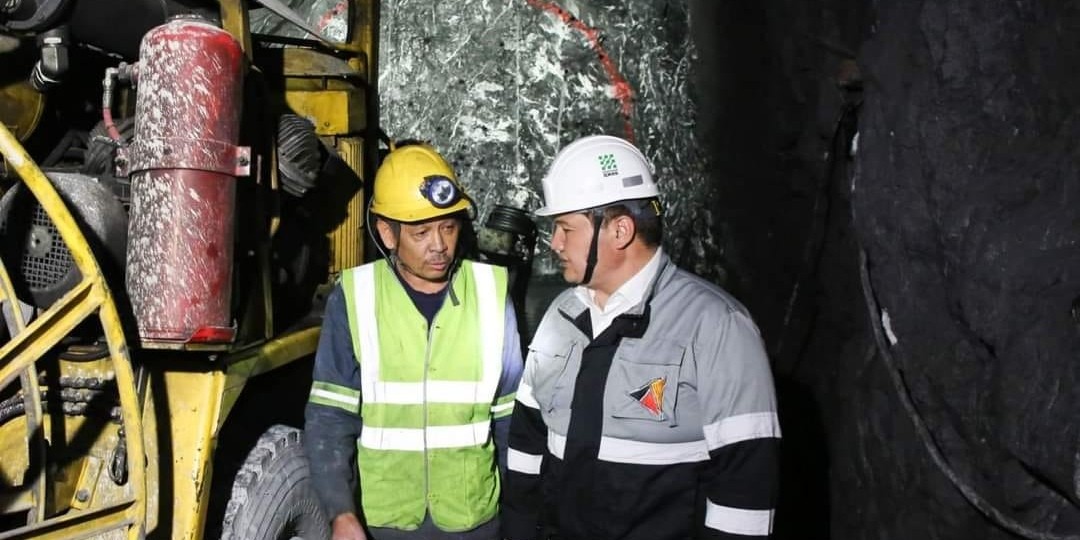
At the Shalkiya lead-zinc mine in Kyzylorda Region, engineers have designed a processing plant that could handle four million metric tons of ore a year. To keep it running, a pumping station would send up to 2,400 cubic meters of water back through the plant every hour.
Even with that water going round again, the plant would still need fresh supplies. How much would it draw in a dry summer, when farmers in Kyzylorda are already working within irrigation limits? Investors need an answer before they commit to building it.
Kazakhstan has good reason to process more of its ore at home. It would keep skilled jobs in the country, along with a larger share of the export earnings. Prime Minister Olzhas Bektenov made that case at the mining congress in Astana in June. The Development Bank of Kazakhstan has launched a $1 billion program to finance rare and critical materials projects through 2030.
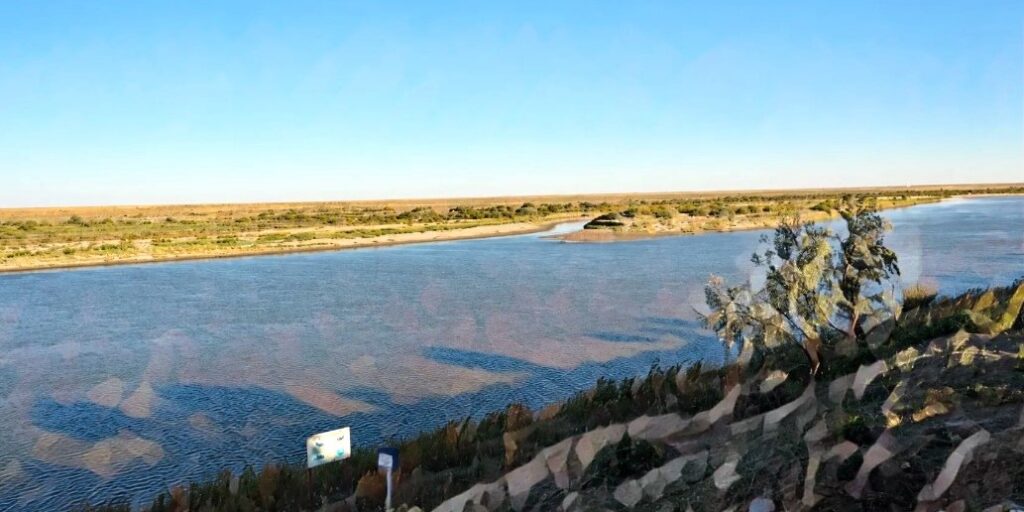
At Shalkiya, some of the costs appear in a separate set of plans. These cover rebuilding the mine’s water intake and the pipeline from Zhanakorgan. Both belong in the plant’s budget alongside the machinery that will process the ore.
What Farmers Already Face
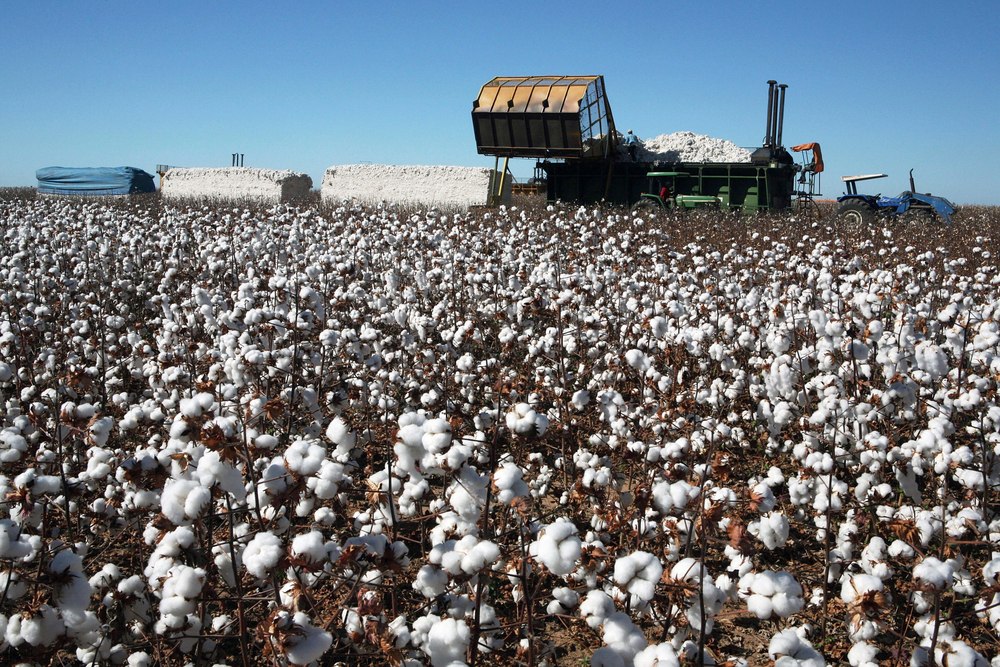
During the 2025 irrigation season, Kazakhstan withdrew 11.01 billion cubic meters of water for agriculture, with the south accounting for 98% of it. For 2026, the government set irrigation limits of 3.8 billion cubic meters for the Turkistan Region and 3.2 billion for Kyzylorda. It also asked farmers to devote less land to particularly thirsty crops.
By September 1, 2026, farmers across Kazakhstan were using water-saving systems on 702,300 hectares. The Water Ministry estimates that the systems in use the previous year saved about 874 million cubic meters. For a factory looking for a water supply, though, it is important where those savings were made and who depends on the water downstream.
Some water never makes it as far as the farm. Kazakhstan plans to upgrade more than 14,000 kilometers of irrigation canals by 2030 and cut losses along the way from 50% to 25%. A World Bank-backed program has already rehabilitated more than 800 kilometers of lined canals and improved water management on more than 100,000 hectares of farmland.
In Kyzylorda, anyone planning decades ahead also has to reckon with hotter conditions. Between 1976 and 2025, the region’s average annual temperature rose by about 0.53 degrees Celsius per decade, according to Kazhydromet. Across Kazakhstan as a whole, the increase was 0.40 degrees per decade.
Where the Water Will Come From
Stepnogorsk, north of Astana, has a different starting point. Companies there are studying a rare earth separation plant that could produce 8,000 metric tons of rare earth oxides a year. Existing utilities may make the site attractive, but irrigation figures from Kyzylorda are of little help this far north. Investors need to know how much water the plant would draw and whether the local source could supply it through a dry year.
In Ekibastuz, the developer of Data Center Valley puts the power capacity of the first facility at 50 megawatts. In time, it hopes to reach one gigawatt. How much water it will take to cool the site is less clear.
The authorities and the company have given different accounts of how the cooling system would work. In October, Novastan reported that the Water Ministry had yet to receive an application to set a water-use limit for the project.
Oil producers face a different problem. Water comes to the surface with the oil and gas, and the companies have to deal with it. In August, The Times of Central Asia reported that IBL Elements, Kazhydrogeology and Kazakhoil Aktobe had agreed to test a way of treating that water. The trial should help them work out how much they can reuse and what it would cost.
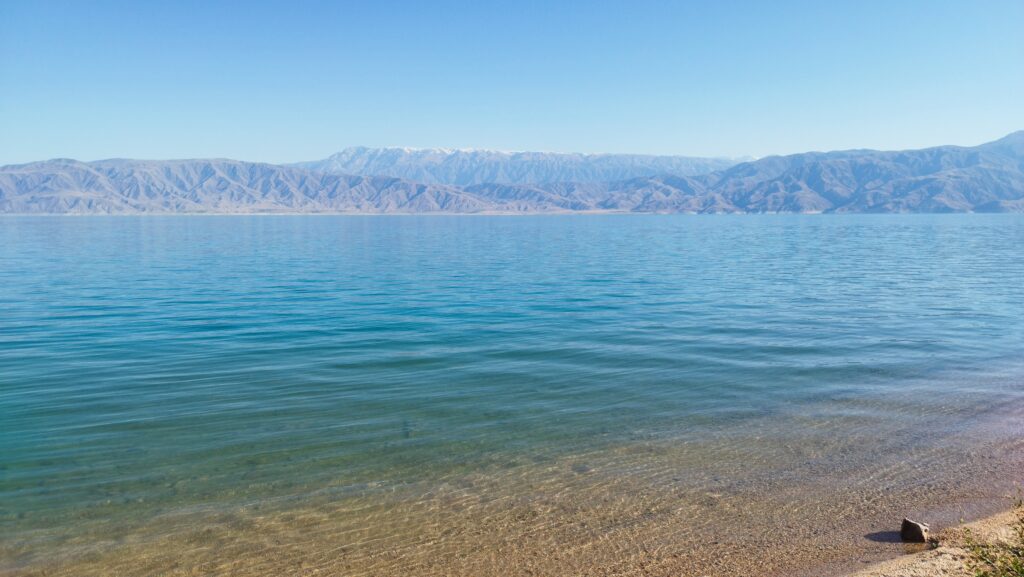
Kazakhstan’s Water Code, signed in April 2025, gives more weight to managing water across a whole river basin. A developer can work out how much its pumps will draw. A regulator reviewing the project also has to allow for the farms and towns drawing on the same supply through the summer. If the numbers are tight, investors need to know while there’s still time to change the design.
Kazakhstan already asks how much value it can get from each metric ton of ore. It needs to ask what each cubic meter of water can deliver before construction begins.
The views expressed in this article are those of the author and do not necessarily reflect the official policy or position of the publication, its affiliates, or any other organizations mentioned.