Kazakhstan has formally asked Russia to restore oil shipments to Germany through the Druzhba pipeline, six months after Moscow suspended the route. The request follows a drone attack on Russian infrastructure that briefly halted another Kazakh oil export route earlier this week.
Energy Minister Yerlan Akkenzhenov said on November 4 that he had personally delivered the request to Russian officials. Kazakhstan has the technical capacity to resume deliveries, he told reporters, and is awaiting Moscow’s response.
“I personally delivered an official request in a face-to-face meeting,” Akkenzhenov said, but gave no timetable for a decision.
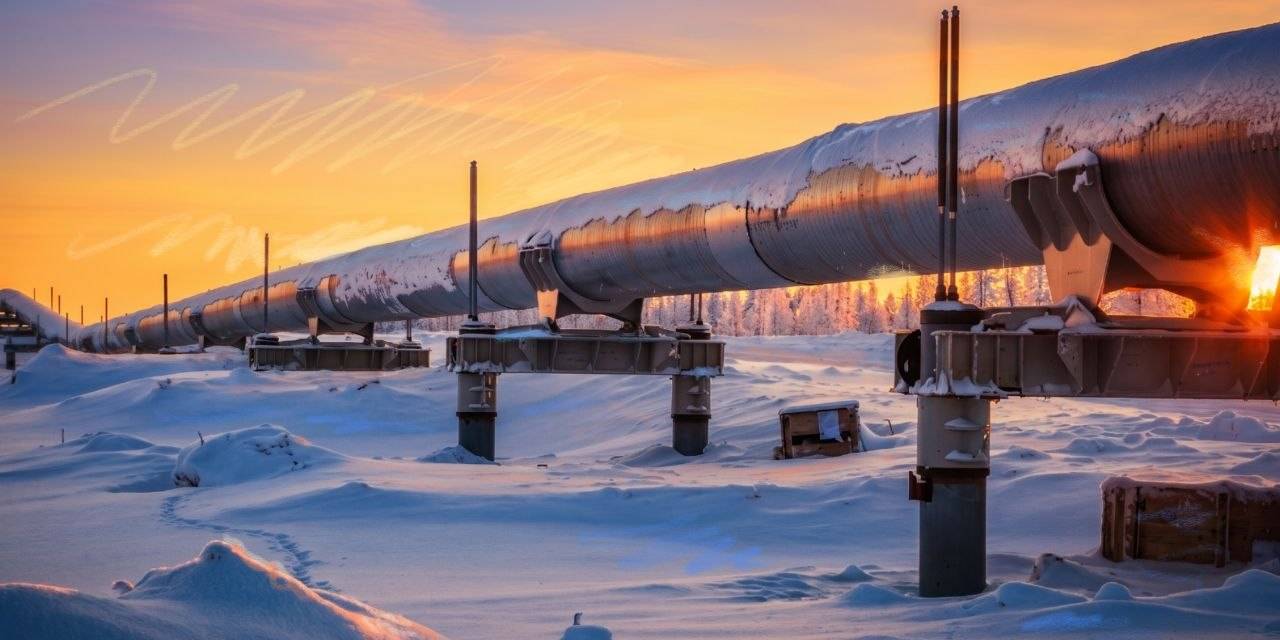
The suspended route carried Kazakh crude through Russia, Belarus and Poland to the PCK refinery in Schwedt, northeastern Germany. Russia halted transit on May 1, citing technical restrictions, and the deliveries have remained suspended ever since.
Kazakhstan shipped 2.1 million metric tons to Schwedt through Druzhba in 2025, and had planned to increase the figure to approximately 3 million tons this year. Before the suspension, it delivered 1.02 million tons between January and April, according to Interfax.
A German Market, a Russian Transit Route
Kazakh oil became an important replacement for Russian crude after Germany ended direct imports from Russia in 2023. The Schwedt refinery had previously depended on Russian supplies. Kazakh producers could reach it through the same Soviet-era pipeline network, and this arrangement grew quickly. In October 2025, the parties extended supplies through the end of 2026.
Schwedt is central to fuel supplies around the German capital. The refinery says it supplies approximately 90% of the gasoline, diesel, jet fuel and heating oil used in Berlin and Brandenburg. Kazakh crude accounted for about 17% of its oil intake before the halt.
The refinery has an unusual ownership arrangement. Russia’s Rosneft retains its majority stake through German subsidiaries, but the German government has controlled those interests since 2022. Berlin placed them under a new trusteeship in February 2026.
In August, a Schwedt refinery spokesperson said crude imported through Poland’s Gdańsk port had fully replaced the missing Kazakh volumes. By October 28, the refinery was operating at more than 86% capacity, according to regional authorities. Its management said alternative supplies had kept operations stable despite the loss of Kazakh crude. The refinery also takes oil through Germany’s port of Rostock.
Russian Deputy Prime Minister Alexander Novak attributed the suspension to “technical capabilities” in April. He said the oil would move through other export routes. Kazakhstan’s Energy Ministry then allocated 260,000 tons of May shipments elsewhere, including 160,000 tons through the Caspian Pipeline Consortium (CPC) and 100,000 tons through Russia’s Baltic port of Ust-Luga. Both alternatives allowed exports to continue, but neither eliminated dependence on Russian transport infrastructure.
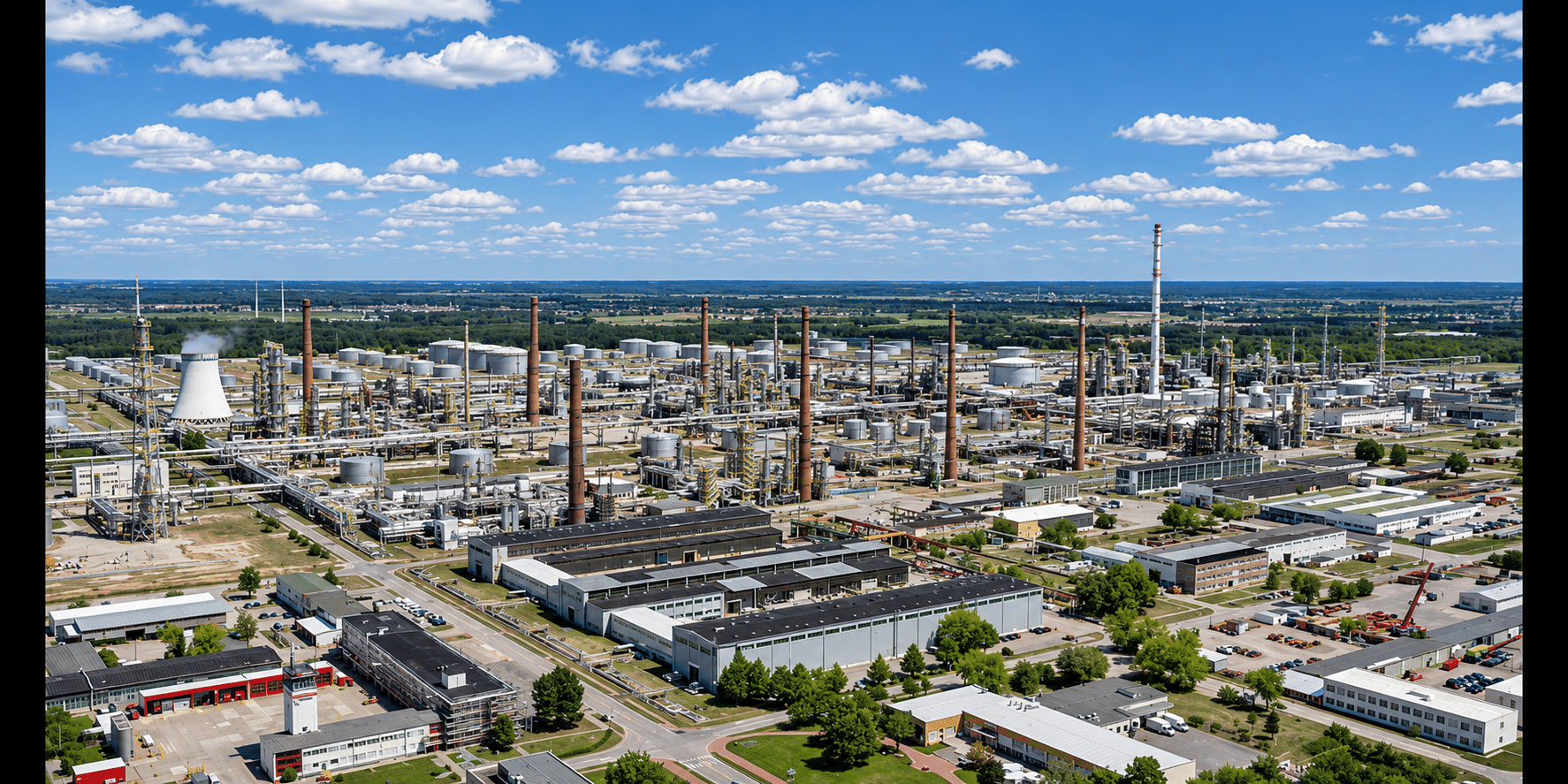
The PCK oil refinery in Schwedt, Germany; image: Rauenstein
Another Disruption at Samara
That vulnerability was apparent again this week, when drone attacks on facilities at Russia’s Samara oil transit hub forced the Atyrau–Samara pipeline to stop pumping on November 2. Kazakhstan resumed shipments the following day after technical checks.
Atyrau–Samara connects Kazakhstan’s western oil fields to Russia’s Transneft network. The line also feeds the system used for onward transit toward Druzhba.
The scale of Kazakhstan’s reliance on Russian routes remains considerable. In 2025, the CPC carried 64.8 million tons of Kazakh oil to the Black Sea. Atyrau–Samara handled another approximately 9.3 million tons of Kazakh oil for export.
CPC facilities and tankers have also suffered repeated attacks this year. The interruptions have complicated export schedules and, during longer disruptions, forced producers to reduce output.
The Smaller Caspian Alternative
Kazakhstan has long been expanding routes that bypass Russia. On November 3, KazMunayGas and Azerbaijan’s SOCAR discussed increasing oil transit across the Caspian Sea and through the Baku–Tbilisi–Ceyhan pipeline to Türkiye.
Shipments from Kazakhstan’s Aktau port through that corridor reached 1.16 million tons in the first nine months of 2026, up 24% year on year, with Astana targeting 1.7 million tons for the full year. The corridor offers an outlet independent of Russia, but handles only a fraction of CPC volumes.
Akkenzhenov also said Kazakhstan expects to produce 96 million tons of oil and gas condensate this year, against 99.4 million tons in 2025. The government is considering a target of around 99 million tons for 2027.
The new request to Moscow reflects the limits of the alternatives. Germany has replaced the missing crude, and Kazakhstan has rerouted its exports. Yet restoring their established oil trade by pipeline still requires Russia’s agreement.