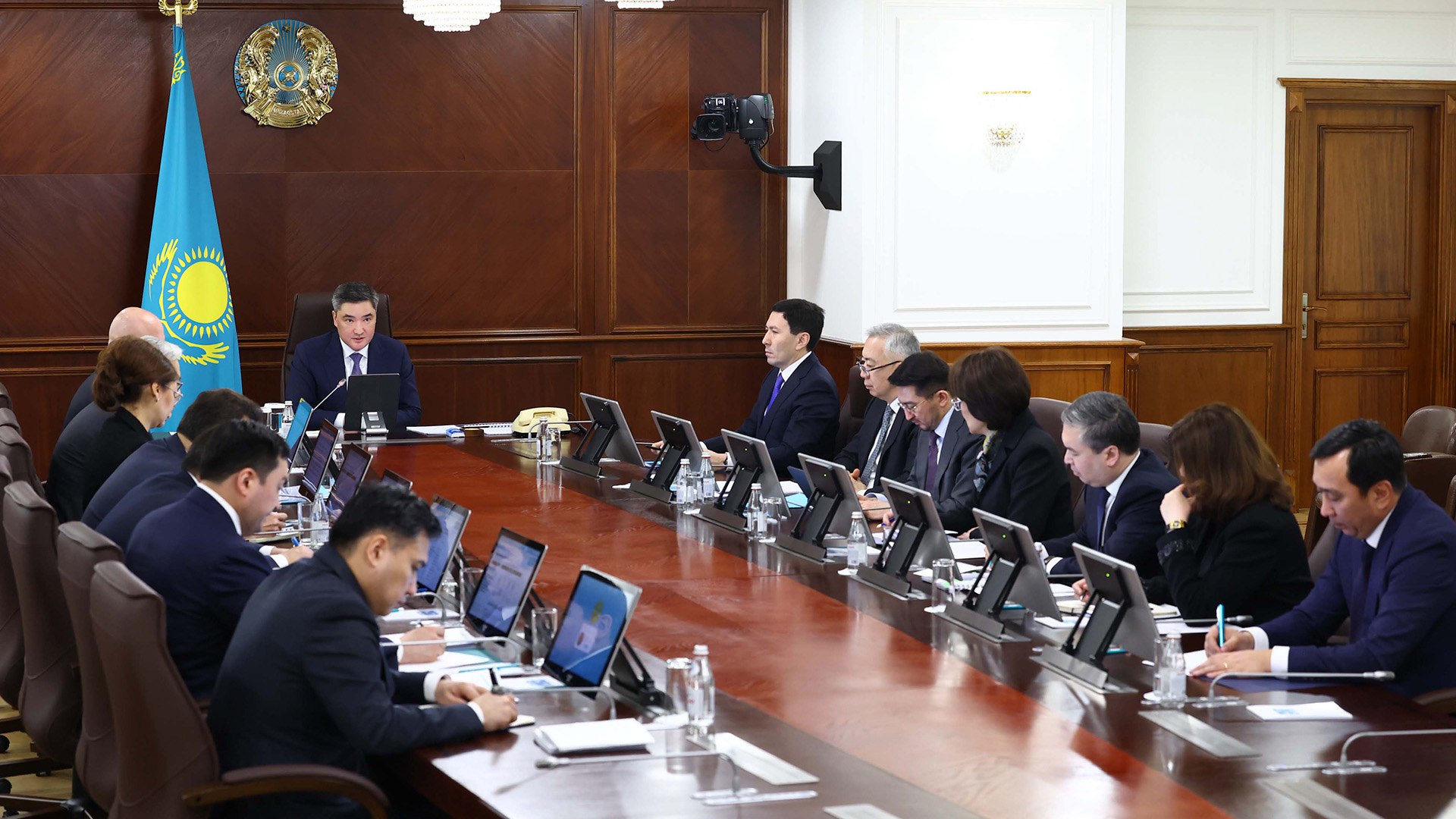
The Kazakh government is preparing a series of measures aimed at accelerating wage growth and increasing the overall wage fund, with the goal of raising its share in the country’s GDP to 40%, Prime Minister Olzhas Bektenov announced during an expanded government meeting.
According to government estimates, household incomes are currently growing more slowly than the broader economy and corporate profits, including those generated with state support. At present, wages account for roughly 31% of Kazakhstan’s GDP, a figure considered relatively high by Central Asian standards but still below the levels seen in developed economies, where wage funds typically exceed 40% of GDP.
Kazakhstan’s GDP growth in 2025 reached $20.1 billion in monetary terms, with the economy expanding at an annual rate of 6.5%, according to official data.
To address the income gap, the government is developing a comprehensive package that includes financial, tax, and regulatory incentives for employers to raise wages. The initiative also prioritizes the creation of new, decently paid jobs, upskilling of the workforce, and reducing the financial burden on citizens. Real income growth has been designated a key economic policy priority for 2026.
A complementary role will be played by the upcoming Joint Action Program for 2026-2028, developed by the Cabinet, the financial regulator, and the National Bank. The program aims to stabilize the macroeconomic environment and improve public welfare, setting a target of household income growth at a rate of at least 2-3% above inflation each year.
According to official statistics, the average monthly salary in Kazakhstan stood at approximately $873 by the end of the third quarter of 2025. However, earlier reports indicated that the minimum wage will remain frozen at $172 in 2026, despite prior commitments to increase it.