Kazakhstan’s newly established Ministry of Artificial Intelligence and Digital Development, in cooperation with the Astana International Financial Centre (AIFC) and regional authorities, has announced a pilot project to introduce blockchain technology in the agricultural sector. The initiative, set to launch in the Kostanay region, will test the tokenization of grain, transforming a physical commodity into a digital asset.
Tokenization involves converting physical goods into digital tokens on a blockchain platform, enabling new forms of trade, payment, and financing. According to Deputy Minister of AI and Digital Development Kanysh Tuleushin, the use of blockchain in agriculture could transform how grain is managed, traded, and financed.
“Blockchain reduces the time and costs of financing for farmers, minimizes fraud, and turns grain into a fully-fledged financial instrument that can be used for payments, trade, loans, and risk insurance,” Tuleushin said during a recent government meeting.
From Pilot to National Rollout
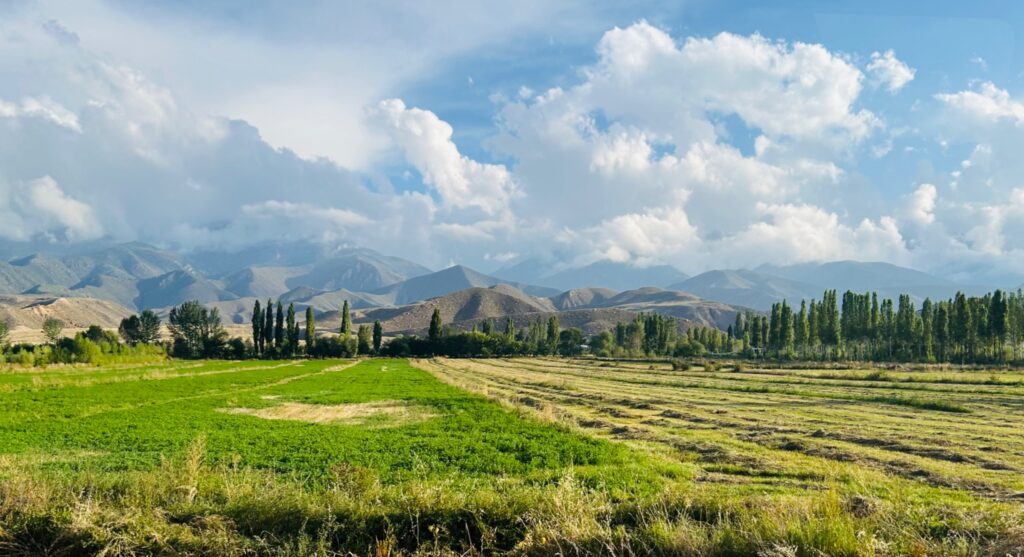
The pilot will begin in the Kostanay region, one of Kazakhstan’s leading grain-producing areas alongside Akmola and North Kazakhstan regions. If successful, the program is expected to expand nationwide, Tuleushin added.
This is not Kazakhstan’s first foray into grain tokenization. In 2020, the Qoldau.kz platform launched a prototype cryptocurrency known as Bidaicoin, aimed at enabling direct settlement between wheat producers and traders without involving banks. In 2022, legal amendments allowed grain warehouse receipts to be replaced with digital tokens.
Harvest and Export Outlook
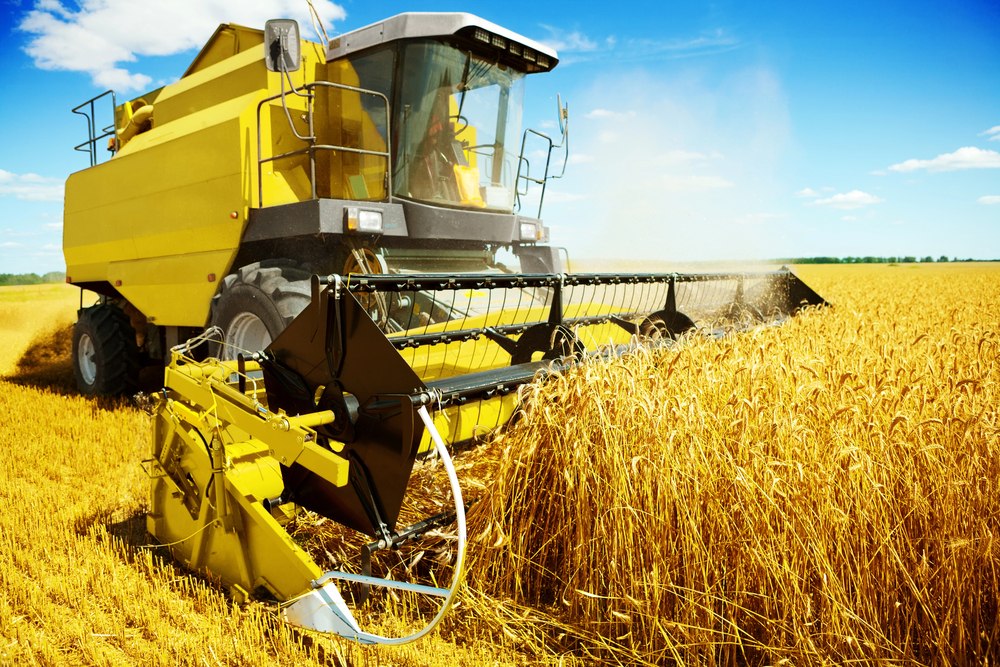
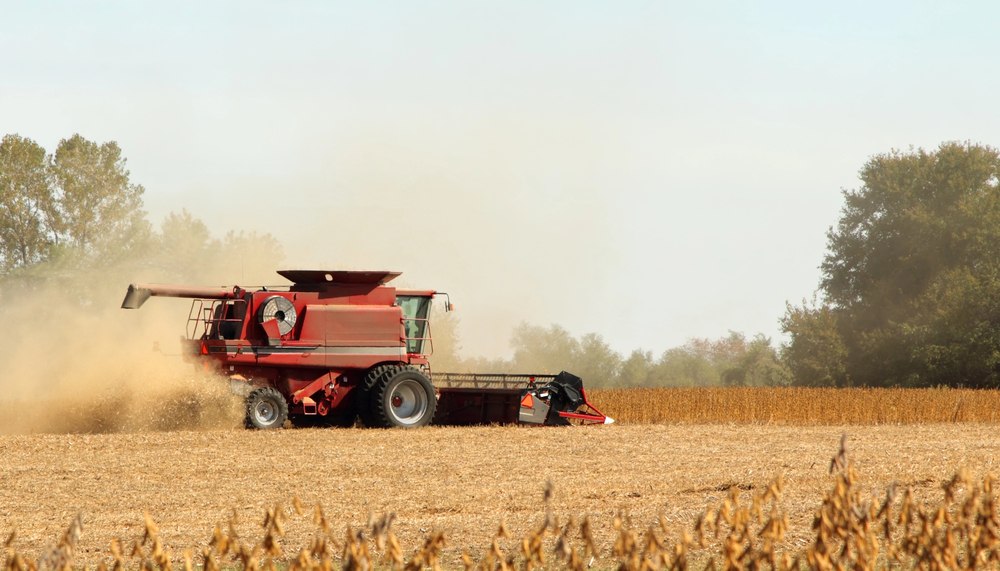
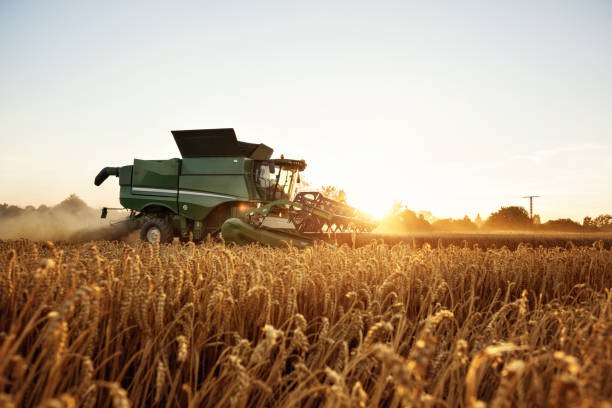
At the same meeting, Minister of Agriculture Aidarbek Saparov provided an update on this year’s harvest, projecting a total grain output of 24 million tons, slightly down from the 2023 record of 26.7 million tons.
“This year’s harvest will fully meet domestic demand for food, fodder, and seed grain while maintaining our export commitments. Subsidies for transportation to seaports will continue to support the diversification of export destinations,” Saparov said.
Kazakhstan exports between 8 and 9 million tons of grain annually, including 6.5 to 7.5 million tons of wheat, to over 40 countries. Between September 2024 and July 2025, total grain and flour exports, measured in grain equivalent, reached 12.4 million tons, marking a 34% year-on-year increase.
In 2025, the total sowing area for grains and legumes reached 16 million hectares. By late September, 10.2 million hectares had been harvested, yielding 15.5 million tons with an average productivity of 15.2 quintals per hectare.
As previously reported by The Times of Central Asia, Kazakhstan also aims to expand its annual grain exports to China to 2 million tons.