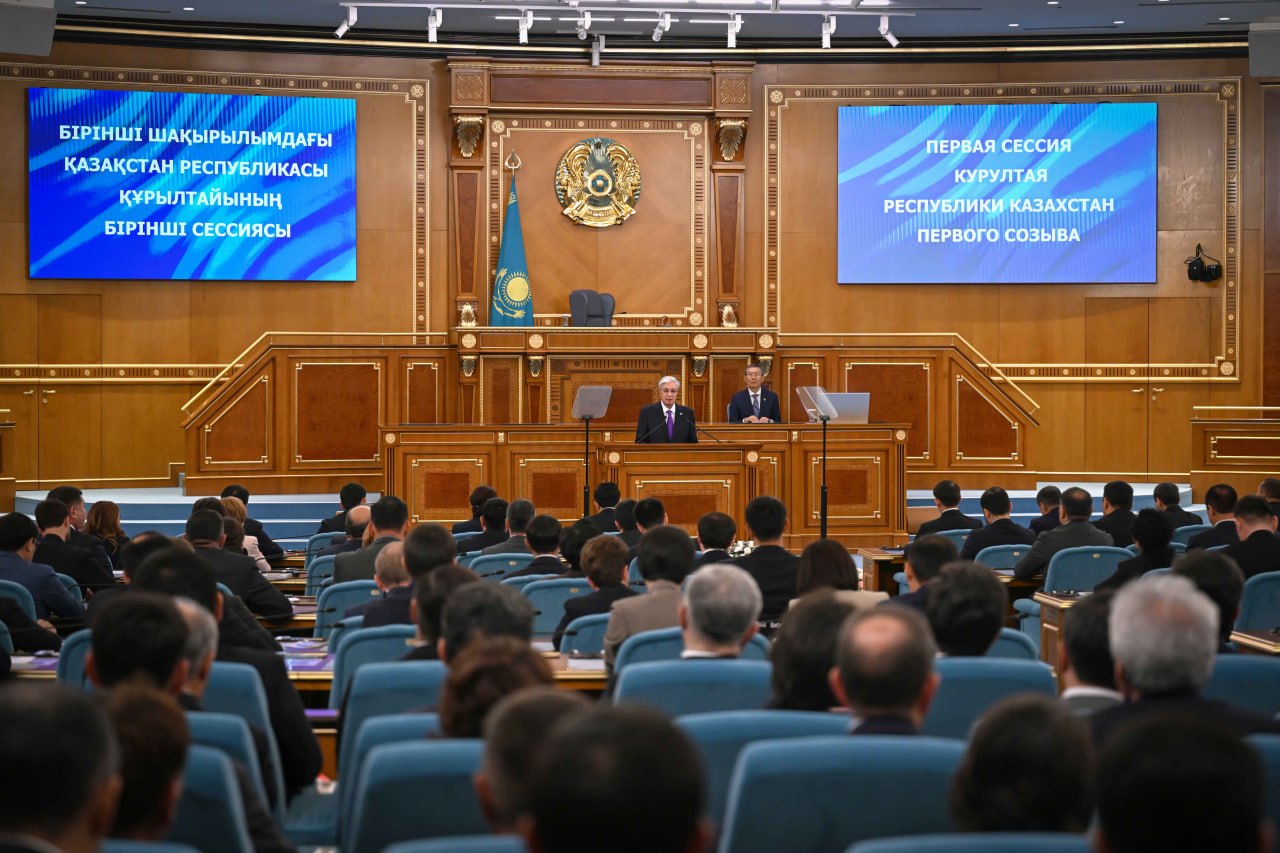
Kazakhstan’s new unicameral parliament, the Kurultai, has held its first session and elected President Kassym-Jomart Tokayev’s nominee, Aibek Dadebay, as speaker. The choice of Dadebay, chairman of the recently created Adilet party, had been widely expected. Nevertheless, the arrangement differs markedly from the way political authority was organized under Kazakhstan’s first president, Nursultan Nazarbayev.
Under Nazarbayev, the ruling party – first Otan and later Nur Otan – was headed by the president himself, while its day-to-day work was managed by a first deputy chairman. The party’s parliamentary leadership was separate, while the Senate speaker was formally elected from a candidate nominated by the president.
Under Tokayev, the model changed. Tokayev left the ruling party in 2022, shortly after Nur Otan was renamed Amanat, and the Constitution was amended to bar the president from party membership. Amanat later merged into the newly created Adilet party in June 2026.
That Tokayev-era model has now carried over into the Kurultai: the chairman of the ruling party entered the new parliament and was elected speaker. The arrangement places responsibility for the party and its parliamentary majority more clearly in the same hands.
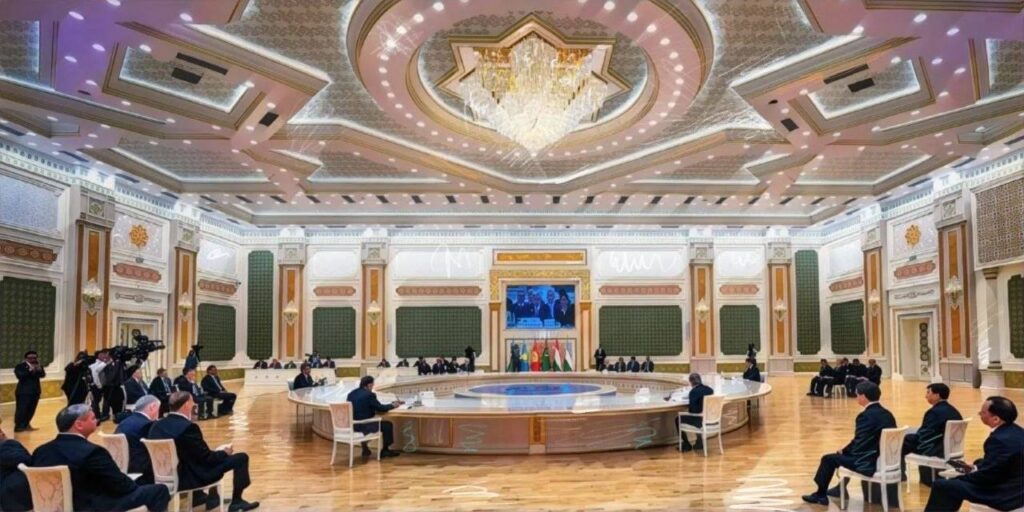
Tokayev also spoke about the legislative responsibilities of deputies at the opening of the first session.
“Laws must be fair, understandable to people, and progressive – that is, aligned with modern requirements. Since laws affect the fate and lives of citizens, every norm and every clause must be carefully considered and comprehensively discussed,” he said.
Tokayev added that artificial intelligence could be used “to improve the quality of legislative activity and minimize corruption risks,” while stressing that “advanced technologies cannot replace professional legal expertise.”
Yerlan Karin, first deputy head of the Presidential Administration, noted that 24 deputies have previous parliamentary experience, arguing that this would help preserve “institutional memory” in the new legislature.
Karin himself is among the senior officials whose next role remains uncertain. Tokayev must still submit nominees for vice president and prime minister to the Kurultai. The current government relinquished its powers before the new parliament, in accordance with the Constitution, and the president will appoint members of the government after consultations with deputies.
He will also make an appointment to the new position of deputy chairman of the Security Council.
According to political analyst Talgat Kaliyev, political observers are discussing several possible candidates for vice president. One scenario cited by Kaliyev would see current Prime Minister Olzhas Bektenov take the role, with Astana akim Zhenis Kassymbek replacing him as prime minister.
“Others say that the current prime minister will retain his position, while Yerlan Karin will take the post of vice president,” Kaliyev said, arguing that Karin’s close involvement in Kazakhstan’s political reforms strengthens his case.
Kaliyev said other possible candidates could include former Senate speaker Maulen Ashimbayev or former Mazhilis head Yerlan Koshanov, who is “also being tipped for the post of chairman of Kazakhstan Halyk Kenesi.”
The appointments are expected to follow before Tokayev delivers his traditional annual Address, which he said would take place after the new parliament and government have been fully formed. The president has promised to elaborate on the tasks facing the country at the new stage of political reforms – reforms that, in his view, have already become irreversible.