Kazakhstan and Uzbekistan are spending public money to attract international AI companies. They are financing infrastructure and offering preferential electricity tariffs to secure a place in the global AI industry. The return should include opportunities for domestic technology businesses, as well as income from hosting foreign servers.
The division of costs and ownership deserves scrutiny. Foreign partners supply advanced processors and bring international customers, while domestic institutions finance the buildings and supporting infrastructure. How much of the resulting income will stay in the host economies, and what will local developers gain?
Kazakhstan: Domestic Infrastructure, Foreign Hardware
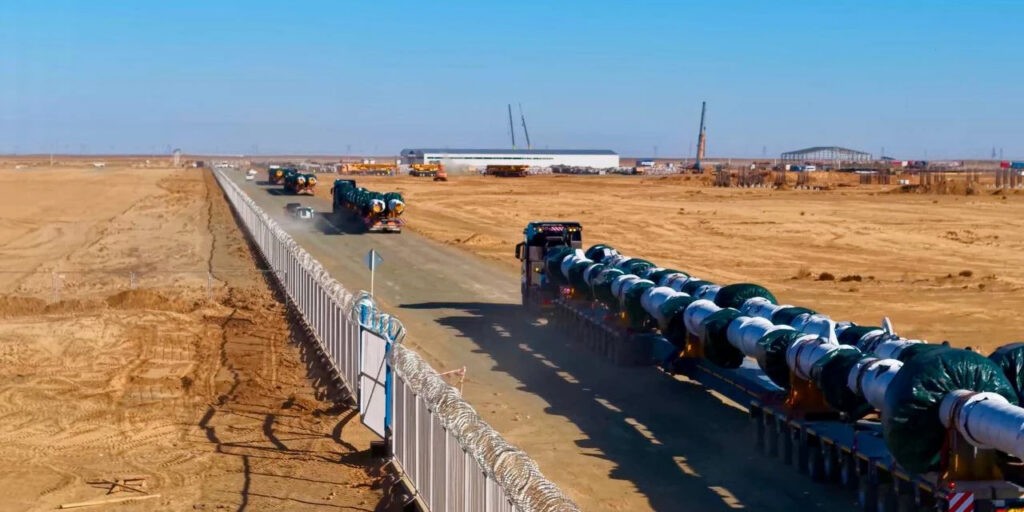
In Kazakhstan’s Data Center Valley in Ekibastuz, the division is explicit. In June 2026, the government announced a $10 billion package of agreements with Firebird and NVIDIA.
Kazakhstan’s KT-Telecom will finance the buildings and engineering infrastructure, including electrical and cooling systems. Firebird will pay for the computing equipment and retain ownership, according to the Ministry of Artificial Intelligence and Digital Development’s response to BES.media. KT-Telecom is jointly owned by Kazakhtelecom and Samruk-Kazyna Invest, each holding a 50% stake.
Financial disclosures covered by BES.media show that KT-Telecom secured a 50 billion tenge loan from the Development Bank of Kazakhstan in June 2026. The loan runs for 15 years at an annual interest rate of 12.6%. The company also raised $112.5 million through bonds listed on the Astana International Exchange at 6% interest, maturing in 2036. A subsequent bond issue raised approximately 594 million Chinese yuan at 4.5%.
KT-Telecom received a government subsidy of 13.3 billion tenge for Data Center Valley. The company has not yet recognized it as income because the subsidized facilities have not entered operation. Kazakhstan’s state-linked institutions are taking on long-term debt to build the facilities.
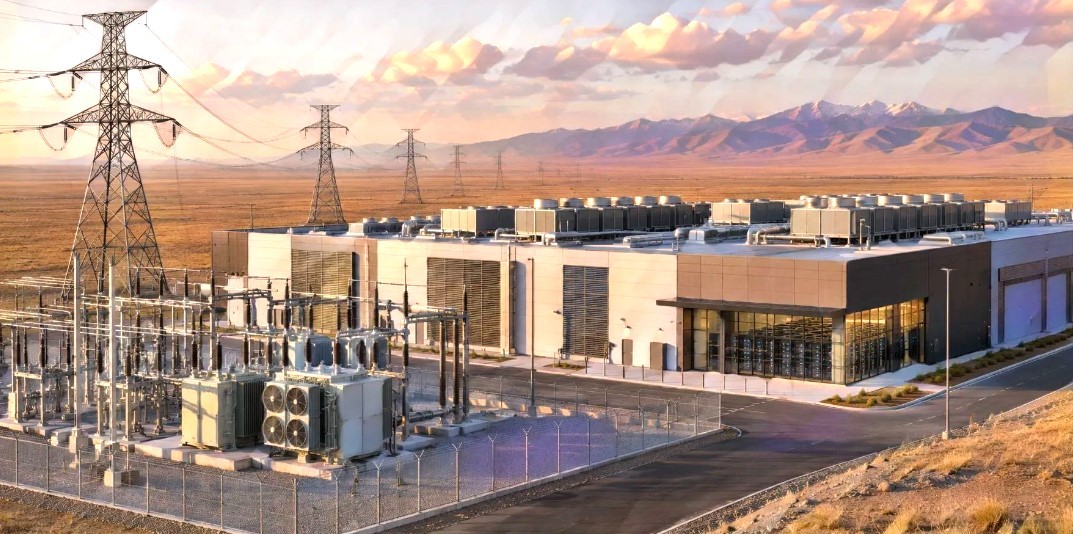
The government has approved a preferential electricity tariff model, and a 215-megawatt substation has been acquired. In its November 6 project update, the government outlined plans for three data centers totaling 304 megawatts, with expansion to one gigawatt envisaged by 2029. These government updates do not give a full account of who will pay for additional electricity generation and wider network upgrades.
Uzbekistan: Public Infrastructure and Private Investment
Uzbekistan is offering tax incentives and publicly funded infrastructure to attract computing companies. In September 2026, President Shavkat Mirziyoyev announced six AI and data center projects worth $8 billion in Karakalpakstan. He instructed officials to develop a five-year program to ensure a stable electricity supply of one gigawatt for investors.
Under Presidential Decree No. PF-189 of October 2025, qualifying AI infrastructure projects in Karakalpakstan’s designated zone that exceed $100 million receive tax and customs benefits, alongside an electricity tariff of $0.05 per kilowatt-hour, excluding value-added tax. Uzbekistan’s official investment portal specifies that the government will finance external infrastructure, including electricity connections and other utilities, provided eligible investors contribute at least 25% equity.
In return for these incentives, data center operators must install battery storage systems rated at 30–35% of their electrical load. They must also reduce electricity demand during designated peak hours, when electricity costs 1.5 times the preferential rate.
The government aims to create 1,500 high-paying jobs within three years and raise annual exports of cloud and AI services to $600 million. Those exports would bring in foreign revenue, but imported equipment and payments to foreign investors would absorb part of it. The domestic return also needs to justify the public infrastructure spending and tax concessions.
What Local Businesses Gain
Access to computing resources gives local businesses a more direct stake in these investments. In October, Firebird committed to allocating at least 10% of its graphics processing unit capacity in Kazakhstan to Kazakhstani companies and government agencies. It also announced plans to invest in local startups and give them access to computing resources. The announcement gives no prices or detailed access terms. Those terms will determine whether smaller developers can afford to use the reserved capacity.
Large domestic customers are already buying computing services. In September, Bagdat Mussin, chairman of Kazakhtelecom’s management board, said Kaspi.kz had secured 70% of the computing capacity of Kazakhtelecom’s Al-Farabium cluster for two years.
Uzbekistan is supporting local developers through an October 2026 government resolution. Eligible startups and research institutions working on socially significant AI projects can use state computing infrastructure free or at preferential rates.
Qualifying projects using large language models can receive free access through a software interface connecting their applications to the models for up to six months. The monthly allowance is 10 million tokens, the units of text processed by the models. Access is competitive, and commercial use of the data obtained is restricted unless permitted by law or contract. This support is separate from the incentives for foreign data center operators. It lowers development costs for selected local projects, though businesses hoping to sell products built with that support must consider the restrictions.
What Public Investment Should Deliver
As I examined in an earlier analysis of Central Asia’s summer electricity demand, existing energy systems already need substantial modernization. Governments offering preferential power to computing companies must account for the cost to those systems and their other users. They should publish the full infrastructure costs and make local access commitments measurable, including prices and capacity available to domestic businesses.
A domestic company can export its own AI software using rented computing capacity. Public support should give such businesses room to grow, alongside the foreign operators receiving infrastructure and electricity incentives. Hosting international computing infrastructure can be a profitable business. Building a national AI industry is a different objective.
The views expressed in this article are those of the author and do not necessarily reflect the official policy or position of the publication, its affiliates, or any other organizations mentioned.