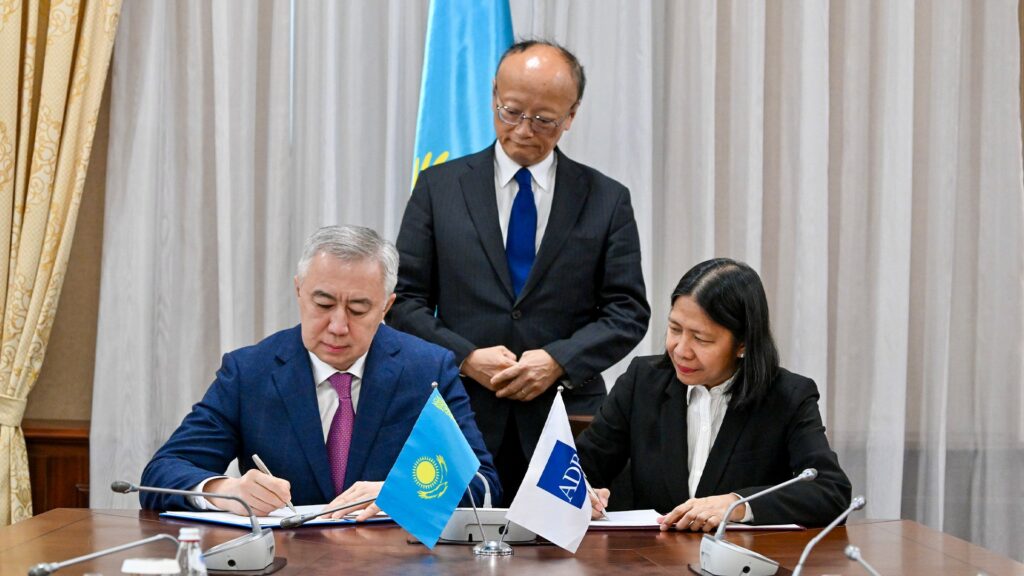
A group of World Bank representatives has visited Kyrgyzstan’s presidential office building in Bishkek, where they met with the country’s president Sadyr Japarov, followed by a meeting with the head of the Kyrgyz government, Akylbek Japarov. Both meetings discussed economic projects in Kyrgyzstan, as well as prospects for cooperation between the republic and the World Bank.
“Over the past two years, high rates of economic growth have been achieved. In 2022 — 9 percent, in 2023 — 6.2 percent. These are the highest rates in the last 10 years. Last year, Kyrgyzstan’s GDP reached [1.229 trillion som] ($13.7bn) for the first time in history,” Sadyr Japarov commented, adding that developing green technologies remains an important task for Kyrgyzstan against the backdrop of global climate change.
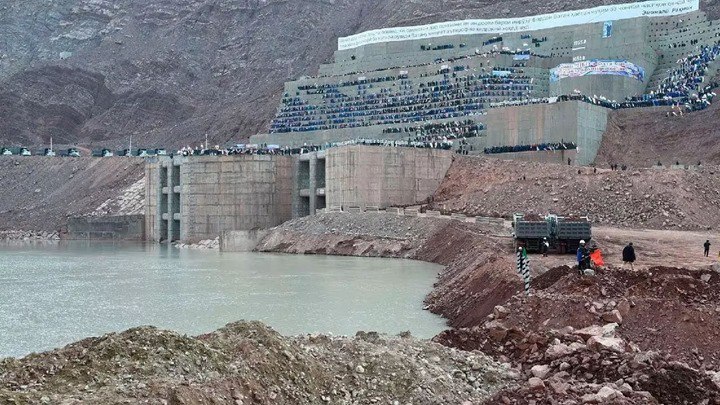
President Japarov expressed confidence that the World Bank will retain a leading role in promoting the construction of the large hydroelectric power plant (HPP) Kambarata-1 on the Naryn River — and will help attract sponsors to this project. When completed it will be one of the largest power plants in Central Asia.
The World Bank’s executive director Dominique Favre assured that his staff , together with Kyrgyz specialists, are preparing an updated version of the feasibility study for the construction of Kambarata-1. The World Bank has agreed to allocate $5m for this study.
The Kyrgyz side briefed the World Bank delegates on a major transportation project in Kyrgyzstan — the construction of the China-Kyrgyzstan-Uzbekistan railroad, which is to begin this year. Mr Favre commented that the authorities attach special importance to the development of road infrastructure.
The World Bank made it clear that they are more interested in hydropower, noting their readiness to help find investors for the Kambarata HPP. Kyrgyzstan needs to have a holistic approach to using water resources, the representatives stressed, and energy development is the only way to ensure green development throughout Central Asia.
Besides Kambarata, Kyrgyzstan is now actively discussing the construction of a small nuclear power plant. Also recently, Kyrgyz representatives submitted for public discussion the abolition of a ban on developing uranium and thorium deposits in the country. The authorities believe that uranium and thorium mining and exports could become important components of the republic’s economy.