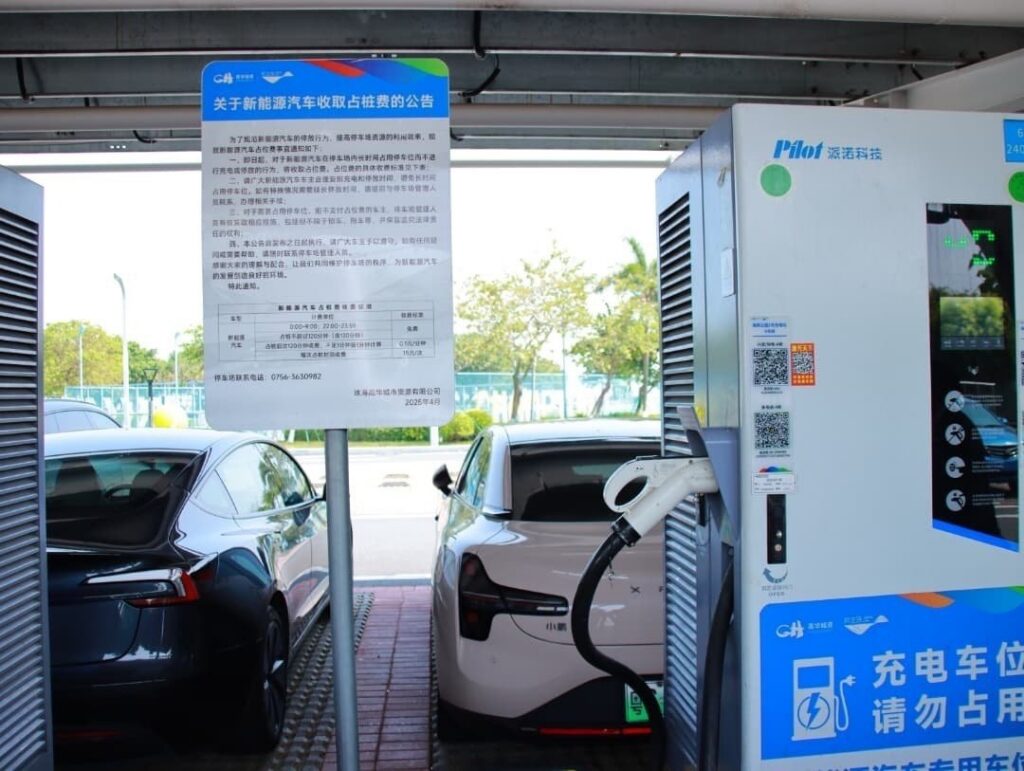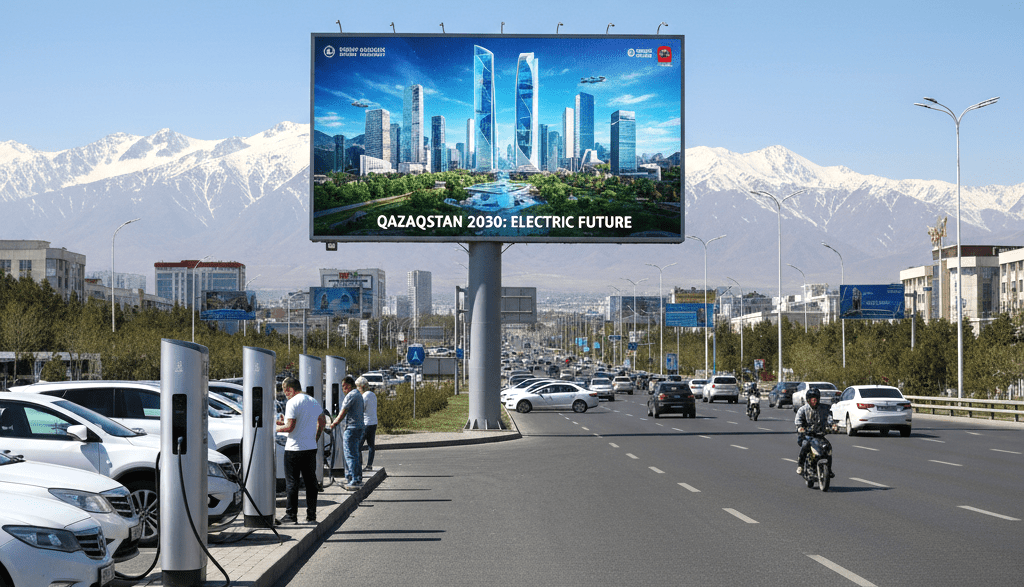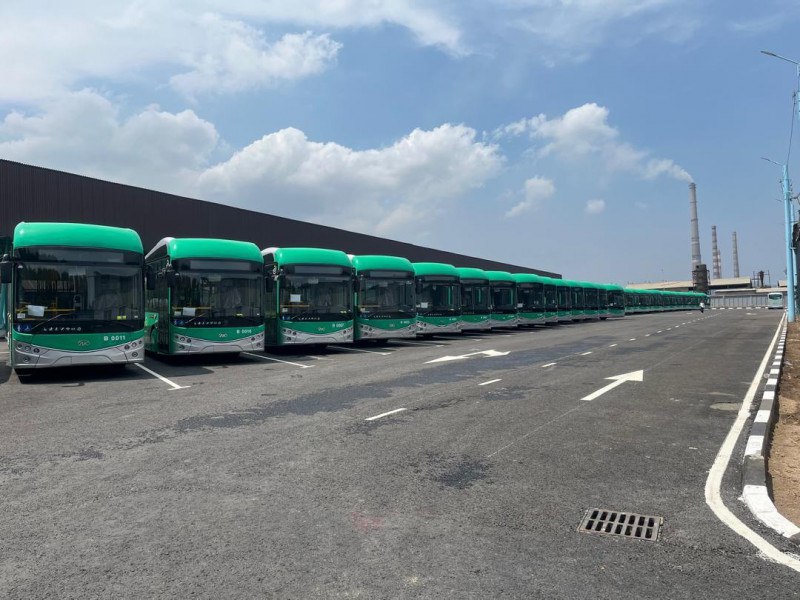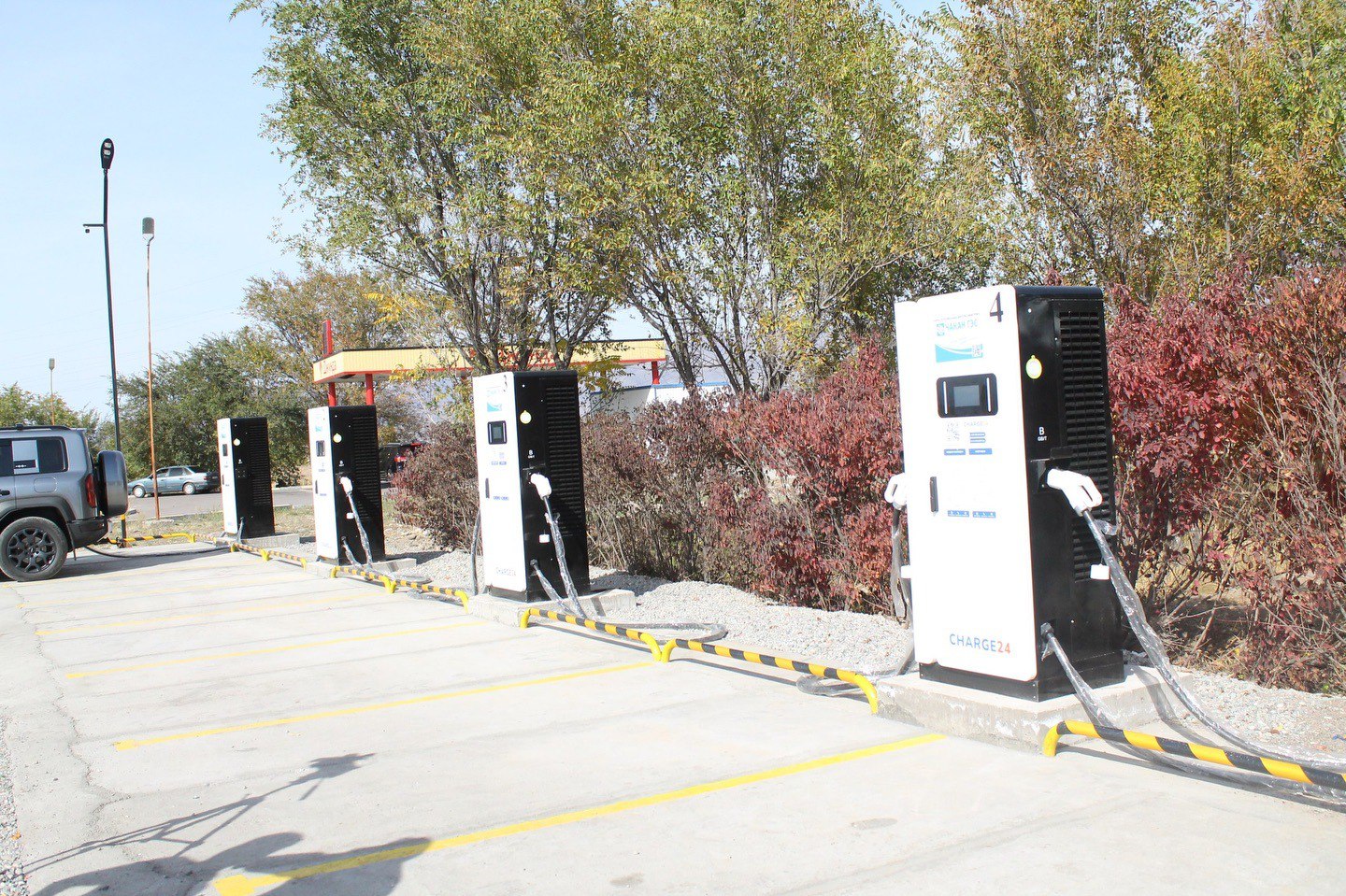
State-owned Chakan GES OJSC will install 10 electric vehicle (EV) charging stations across the Issyk-Kul region, Kyrgyzstan’s primary tourist destination, and home to Lake Issyk-Kul and the country’s largest mountain ski resort in Karakol.
The initiative is being implemented with support from the Ministry of Energy as part of ongoing efforts to promote environmentally friendly transportation and enhance tourism and transport infrastructure in the region.
The new stations will be located in Karakol, the administrative center of the Issyk-Kul region (2 stations); Cholpon-Ata, the main resort hub (2); Balykchy (2); and the villages of Bokonbaevo (1), Kyzyl-Suu (1), and Tyup (2). All are scheduled to begin operations later this year.
The number of electric vehicles in Kyrgyzstan is steadily rising. According to First Deputy Prime Minister Daniyar Amangeldiev, more than 200 EVs are imported into the country daily under a VAT exemption scheme.
As a member of the Eurasian Economic Union (EAEU), Kyrgyzstan has an annual quota allowing for the duty-free import of up to 15,000 electric vehicles.
Despite this growth, EVs still make up a small share of the national vehicle fleet. According to Minister of Natural Resources, Ecology, and Technical Supervision Meder Mashiev, Kyrgyzstan had over 1.9 million registered vehicles as of early 2026, a 13% increase from 2024. Of these, 972,000 run on gasoline, 339,000 on diesel, 56,900 on gas, and 37,000 are hybrids. Electric vehicles account for just 0.8% of the total, or approximately 15,200 units.
The government is also advancing plans to localize EV assembly as part of its broader strategy to expand eco-friendly transport options and combat air pollution, particularly in cities like Bishkek.
In June 2025, the Ministry of Economy and Commerce signed a memorandum of understanding with South Korean firms EVSIS, NGS, and the Korea Automobile Environment Association. The agreement focuses on developing EV charging infrastructure in Bishkek.
As The Times of Central Asia previously reported, South Korean partners also intend to launch production of EV charging stations in Kyrgyzstan, aiming to establish local manufacturing and create a nationwide charging network across major cities and regions.