• KGS/USD = 0.01144 0%
  • KZT/USD = 0.00213 0%
  • TJS/USD = 0.10456 0.19%
  • UZS/USD = 0.00008 0%
  • TMT/USD = 0.28490 0%
  • KGS/USD = 0.01144 0%
  • KZT/USD = 0.00213 0%
  • TJS/USD = 0.10456 0.19%
  • UZS/USD = 0.00008 0%
  • TMT/USD = 0.28490 0%
  • KGS/USD = 0.01144 0%
  • KZT/USD = 0.00213 0%
  • TJS/USD = 0.10456 0.19%
  • UZS/USD = 0.00008 0%
  • TMT/USD = 0.28490 0%
  • KGS/USD = 0.01144 0%
  • KZT/USD = 0.00213 0%
  • TJS/USD = 0.10456 0.19%
  • UZS/USD = 0.00008 0%
  • TMT/USD = 0.28490 0%
  • KGS/USD = 0.01144 0%
  • KZT/USD = 0.00213 0%
  • TJS/USD = 0.10456 0.19%
  • UZS/USD = 0.00008 0%
  • TMT/USD = 0.28490 0%
  • KGS/USD = 0.01144 0%
  • KZT/USD = 0.00213 0%
  • TJS/USD = 0.10456 0.19%
  • UZS/USD = 0.00008 0%
  • TMT/USD = 0.28490 0%
  • KGS/USD = 0.01144 0%
  • KZT/USD = 0.00213 0%
  • TJS/USD = 0.10456 0.19%
  • UZS/USD = 0.00008 0%
  • TMT/USD = 0.28490 0%
  • KGS/USD = 0.01144 0%
  • KZT/USD = 0.00213 0%
  • TJS/USD = 0.10456 0.19%
  • UZS/USD = 0.00008 0%
  • TMT/USD = 0.28490 0%

Viewing results 535 - 540 of 12375

Uzbekistan’s Central Bank Reaffirms Commitment to Reforms and Free Exchange Rate

Uzbekistan’s central bank has reiterated that the som’s exchange rate will be left to market forces, arguing that a 'free float' is key to its inflation-targeting framework. In a statement released this month, the Central Bank of Uzbekistan said the exchange rate should be treated as an indicator, not a policy target. Attempts to hold the currency at a chosen point, it warned, can build pressure that later unwinds in sharper moves.  Any foreign exchange operations, it added, would be aimed at smoothing excessive, short-term volatility, rather than steering the market. The stance continues a shift that began with the 2017 liberalisation of the currency market, which gave more access to foreign exchange, and narrowed the gap between official and black market rates. Recent fluctuations in the som have been closely watched. An earlier report on why the som has held up at times pointed to remittance inflows, export earnings and a tighter domestic monetary stance. Uzbekistan adopted inflation targeting in 2020, using the policy rate as its main lever. The central bank has kept the key rate at 14% since December 2025. It is due to review it again on January 28. In its monetary policy guidelines for 2026–2028, the bank projects headline inflation easing to about 7% by the end of 2026 and returning to a 5% medium-term target in 2027, assuming monetary conditions remain restrictive, and external price pressures fade. A floating rate can cushion swings in commodity prices, remittances and trading partner demand. But it also passes currency shifts more directly into the cost of dollar-priced imports, from consumer goods to industrial inputs. That risk is heightened when energy shortages and higher fuel costs feed broader price pressures, as described in coverage of the region’s growing energy deficit. International lenders have broadly backed Uzbekistan’s direction, while urging deeper reforms. In late 2025, the IMF welcomed greater exchange-rate flexibility and called for continued structural changes, according to its latest review.

Shell and Eni Face Up to $4 Billion Payout to Kazakhstan After Arbitration Ruling

Oil and gas majors Shell and Eni, key stakeholders in Kazakhstan’s Karachaganak field, have lost a key stage in an international arbitration case in London and may be required to pay the Kazakh government between $2 billion and $4 billion in compensation. The decision was first reported by Bloomberg. According to the ruling, the arbitration panel upheld Kazakhstan’s argument that the project operators had charged the state under a production sharing agreement (PSA) for unapproved cost overruns and other ineligible expenses. The tribunal found that a significant share of the disputed costs should not have been recovered from the state, siding with Kazakhstan on the central legal question. The arbitration proceedings were conducted behind closed doors, in line with standard practice for PSA disputes. The final compensation amount has yet to be determined, and the ruling remains subject to appeal. However, Bloomberg reported that the tribunal concluded the consortium must return a substantial portion of the contested funds, a decision that could require changes to the PSA’s oil and gas distribution formula. Karachaganak is one of Kazakhstan’s largest oil and gas projects and a cornerstone of the country’s energy sector. The field is operated by the Karachaganak Petroleum Operating consortium, which includes Shell, Eni, Chevron, Kazakhstan’s national oil and gas company KazMunayGas, and Russia’s Lukoil. The Kazakh government initially sought more than $6 billion in compensation, arguing that improper cost recovery had reduced state revenues over several years. The dispute was formally launched in 2023 and followed a broader effort by Kazakhstan to assert stricter oversight over major hydrocarbon projects governed by PSAs. In 2024, international partners reportedly proposed resolving the dispute by constructing a long-delayed gas processing plant at Karachaganak to supply the domestic market, an offer seen as an attempt to reach a negotiated settlement. The plant has long been a point of contention, with Kazakhstan pushing for increased gas processing capacity inside the country rather than exporting raw gas. Kazakhstan’s Ministry of Energy has declined to provide further details on the arbitration, citing confidentiality provisions. In response to an inquiry from BAQ.KZ, the ministry said: “All arbitration materials are subject to the confidentiality of the production sharing agreement and the arbitration agreement between the parties. Until the restrictions are lifted, it is not possible to provide any information.” The ruling marks one of the most significant recent legal setbacks for foreign oil companies operating in Kazakhstan in recent years and could have broader implications for how costs are approved and recovered under PSAs across the country’s energy sector.

Killing of Uzbek Migrant Woman in Istanbul Sparks Protests in Turkey

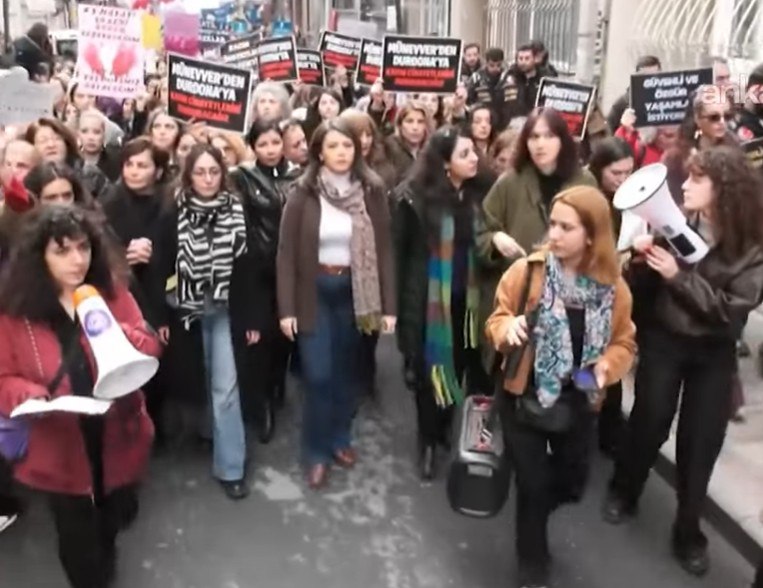
The killing of an Uzbek migrant woman in central Istanbul has sparked protests in Istanbul and Ankara, and reignited debate over violence against women, the safety of migrants, and the effectiveness of state protection mechanisms. The body of a 36-year-old Uzbek national was discovered on January 24 in a waste container in Istanbul’s Şişli district, one of the city’s busiest areas. According to Turkish media reports, the body was found by a person collecting recyclable materials, who immediately alerted the authorities. Police later confirmed that the victim had been wrapped in bedding material and that parts of her body were missing at the time of discovery. Initial searches failed to locate all of her remains. Turkey’s Interior Ministry and law enforcement agencies launched an immediate investigation. Surveillance footage reviewed by investigators showed two individuals leaving a suspicious suitcase near another container in the area. Turkish media outlets, including WELG and Cumhuriyet, reported that three men have been detained in connection with the crime, two of whom are citizens of Uzbekistan. Two suspects were apprehended at Istanbul Airport while allegedly attempting to flee the country. One suspect reportedly confessed during police questioning. However, the investigation remains ongoing, and judicial proceedings have not yet concluded. The victim was identified as Durdona H., an Uzbek citizen. This information was confirmed by the Consulate General of Uzbekistan in Istanbul, which issued an official statement expressing deep sorrow. Identification was made in coordination with Turkish law enforcement, forensic experts, and prosecutors. “The investigation into this case is under the close supervision of the Consulate General,” the statement read. Uzbek diplomats have contacted the victim’s family and are providing consular and legal assistance. The consulate also extended its condolences and stated that further updates would be shared through official channels. The killing provoked immediate public outrage. Large numbers of women took to the streets in Istanbul and Ankara to protest what they described as systemic violence against women, particularly migrant women. Feminist groups and women’s rights organizations organized a march in Şişli, starting near Osmanbey metro station and ending on the street where the body was found. Protesters carried banners and chanted slogans, stressing that the killing was not an isolated case but part of a broader pattern of gender-based violence. Demonstrators also highlighted the heightened vulnerability of migrant women and called for stronger protection and prevention mechanisms. Police briefly intervened in the protests, warning against the use of certain slogans deemed unlawful, according to Turkish media. Nevertheless, demonstrations proceeded peacefully, with participants demanding accountability and transparency. Similar protests took place in Ankara on the same day. Women’s organizations gathered near the Human Rights Monument on Yüksel Street, echoing calls for systemic reform. Activists argued that violence against women is not an individual problem but a structural one. Turkish women’s rights groups, including the We Will Stop Femicide Platform and the Federation of Turkish Women’s Associations, issued statements in response. They criticized the inadequate enforcement of protection orders and what they described as a culture of...

Chinese Investor Plans 500 MW Solar and Wind Power Plants in Tajikistan

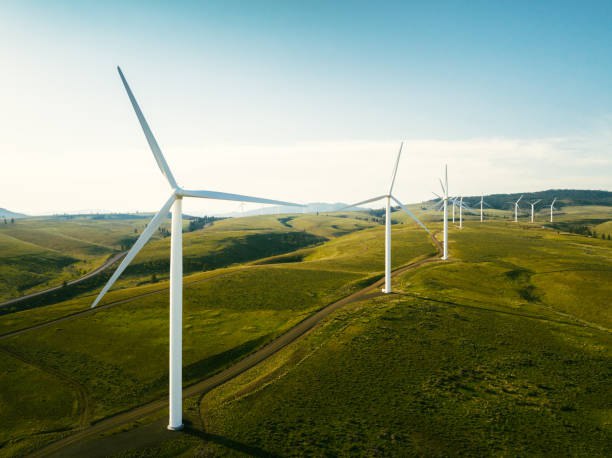
Chinese company Dayu New Energy Limited plans to develop solar and wind power plants in the Kubodiyon and Jaihun districts of Tajikistan’s Khatlon region. With a combined installed capacity of 500 megawatts, the project would rank among the largest renewable energy initiatives in the region. During negotiations, it was emphasized that Khatlon has been strengthening its economic ties with Chinese firms and offers favorable conditions for the construction of infrastructure and energy facilities. The region is seen as a key zone for attracting foreign direct investment. Dayu New Energy CEO David Liu noted that the company has operated in the renewable energy sector since 2018, specializing in the construction and operation of solar and wind power stations. He added that the firm is currently implementing wind energy projects in Georgia and Kazakhstan, underscoring its practical experience and technological capacity. Following the meeting, the head of the Khatlon region expressed support for the project and confirmed his willingness to facilitate its development. As previously reported by The Times of Central Asia, Tajikistan has significantly accelerated its transition to green energy. The country has already launched its largest solar initiative to date: the construction of two photovoltaic power plants with a combined capacity of 500 MW, an unprecedented move for the republic. In a related development, the Asian Development Bank recently approved a $1 million grant to support technical assistance for floating solar photovoltaic systems in Tajikistan.

How Expats Experience Life in Kazakhstan

Kazakhstan has long sought to cultivate a positive image abroad, as reflected in its foreign direct investment. By mid-2025, the country had attracted $9.4 billion from Eurasian nations alone, securing the top position among Central Asian nations. On the tourism front, 7.5 million foreigners visited Kazakhstan in the first half of 2025, with growth also recorded in related service sectors. The country's visa-free regime with several nations likely contributed to the increase. Yet statistics reveal little about everyday life, particularly for foreigners who have made Kazakhstan their temporary or long-term home. To look beyond the numbers, The Times of Central Asia spoke with expatriates living across the country. Expectations vs. Reality Most interviewees admitted to having few expectations before their arrival, citing limited awareness of Kazakhstan in their home countries. One recounted a peculiar question posed by their family before departure: “People don’t really talk about Kazakhstan very often in the U.S., and when they do, they’re often very misinformed about what life is like here. For example, my family asked if I would have running water.” While few voiced concerns about basic amenities, several mentioned the difficulty of finding specific goods and services. “It can be frustrating sometimes trying to find specific items, and line culture (waiting one’s turn) is non-existent. It’s definitely every man for himself,” said one expat. The same individual noted that although bureaucratic procedures can be cumbersome, essential services, such as obtaining a personal identification number, remain accessible, a sentiment echoed by others. Those living in Almaty, Kazakhstan’s southern capital, praised the public transportation system while acknowledging worsening traffic: “Traffic jams have become awful over the past two years, but that’s a problem in all major cities,” said a French expat. “It’s a shame there are no more city bike rentals. I really hope they’ll come back in the spring.” [caption id="attachment_42814" align="aligncenter" width="2560"] Downtown Almaty; image: TCA[/caption] Adapting to Society and Intentions to Stay Most respondents said they had few difficulties adjusting to life in Kazakhstan, crediting their ability to communicate in Russian as a key factor in social integration and building local friendships. Three interviewees said they spent more time with fellow expatriates, with two attributing this to the nature of their stay, while one felt his professional and daily interactions with locals were sufficient. One interviewee said their smooth adaptation was helped by the modernity of Kazakhstan’s major cities: “I’ve spent some time out in the Karaganda region, in small villages. I think adapting there would be a much bigger adjustment,” they told TCA. All interviewees described locals as exceptionally hospitable, even to strangers: “You always hear about hospitality being important here and in other Central Asian countries. Whenever we needed help, friends or even people we didn’t know were incredibly helpful.” In discussing professional environments, most agreed that work culture is far more relaxed than in the West. However, one noted a downside: “In Kazakhstan, there’s a very strict hierarchy. Of course, it varies by firm, but in more traditional companies,...

TCA Interview: Musician Merey Otan on the Reinvention of Kazakh Musical Instruments

Until recently, Kazakh national instruments were largely associated with school concerts, folk ensembles, and official ceremonies. The dombra (a long-necked, two-stringed plucked instrument), kobyz (a bowed string instrument with two horsehair strings), and sybyzgy (a wooden end-blown flute traditionally made from apricot wood) seemed to occupy a separate cultural space: symbolically important, yet detached from everyday life. “Before, the dombra was for me only part of school concerts,” recalls Sanzhar Uvashev, 24, a sales specialist from Almaty. “It was brought out on holidays, people dressed in national costumes, played a couple of obligatory songs, and that was it. I never thought this instrument could sound different, or be part of contemporary music.” Today, that distance is steadily narrowing. The sound of the dombra is increasingly featured in contemporary original music, electronic compositions, film scores, and social media. Young musicians are not abandoning tradition, but they are no longer treating it as something frozen in time. To understand how this rethinking is taking place, and why tradition need not remain 'untouched', The Times of Central Asia spoke with Merey Otan, a researcher and musician who works with Kazakh instruments in a modern cultural context. ТCA: Merey, how did your study of national instruments begin? Was it a deliberate decision? MO: It started during my master’s studies, when I was writing a thesis on contemporary music in Kazakhstan. As part of that research, I interviewed the ethno-rock band Aldaspan and kobyz player Almat Saizhan. I was especially interested in how the dombra and kobyz were being transformed and modernized and eventually devoted a whole chapter of my work to this topic. So yes, it was a conscious choice. TCA: People often argue that tradition should be preserved in its original form. What’s your take on that? MO: I’ve heard that view often, especially from traditional musicians. Some believe, for example, that an electronic dombra desecrates the instrument. Given the sacred meaning of the dombra and kobyz, I understand that stance. In sociology, these people are sometimes called purists. But I disagree. The world is changing, and some traditions from the nomadic era have lost their relevance or even become barriers. I believe traditions can, and sometimes should, evolve. If modifying an instrument helps engage younger generations, why not? TCA: Where do you personally draw the line between respect for heritage and experimentation? MO: I see nothing wrong with experimentation. On the contrary, bands like Steppe Sons show deep respect for heritage. Their members have formal musical education and a strong grounding in tradition. However, it's important to consider the concept of cultural appropriation from postcolonial theory. This occurs when privileged groups use the culture of marginalized communities for personal gain. In music, this might look like a Western artist profiting from Kazakh instruments without acknowledging Kazakh musicians. That, in my view, is disrespectful. TCA: Is there still criticism about the “incorrect” use of traditional instruments? MO: Yes, certainly. When Aldaspan introduced the electronic dombra, public figures like Bekbolat Tleukhan were highly critical....