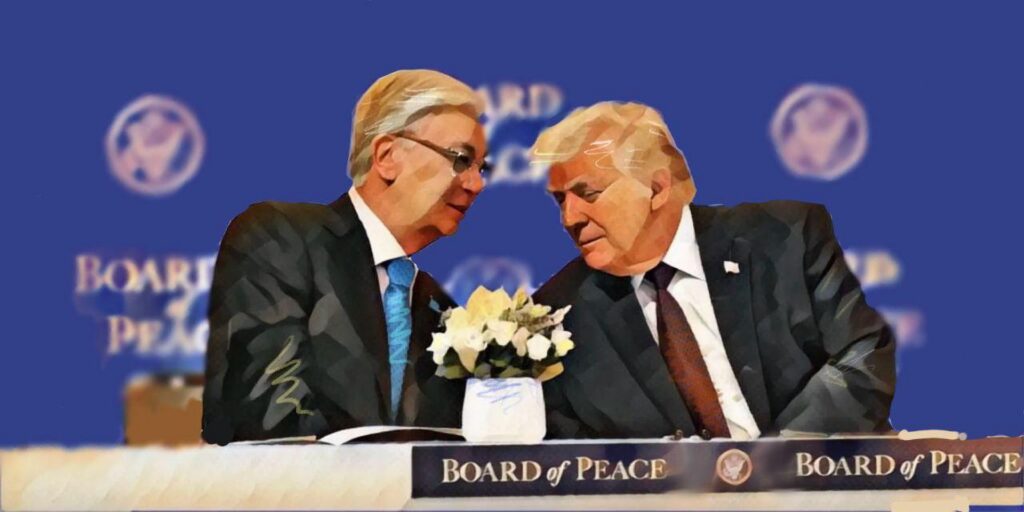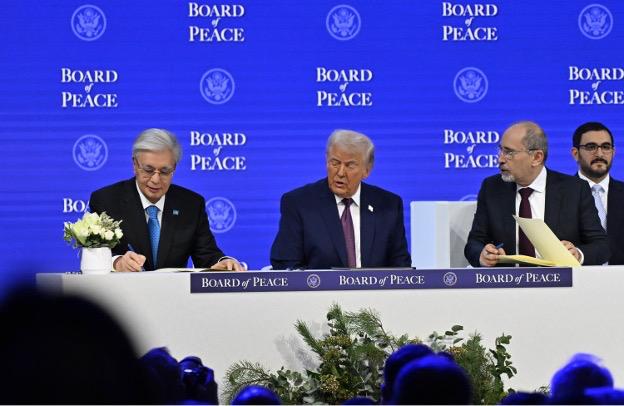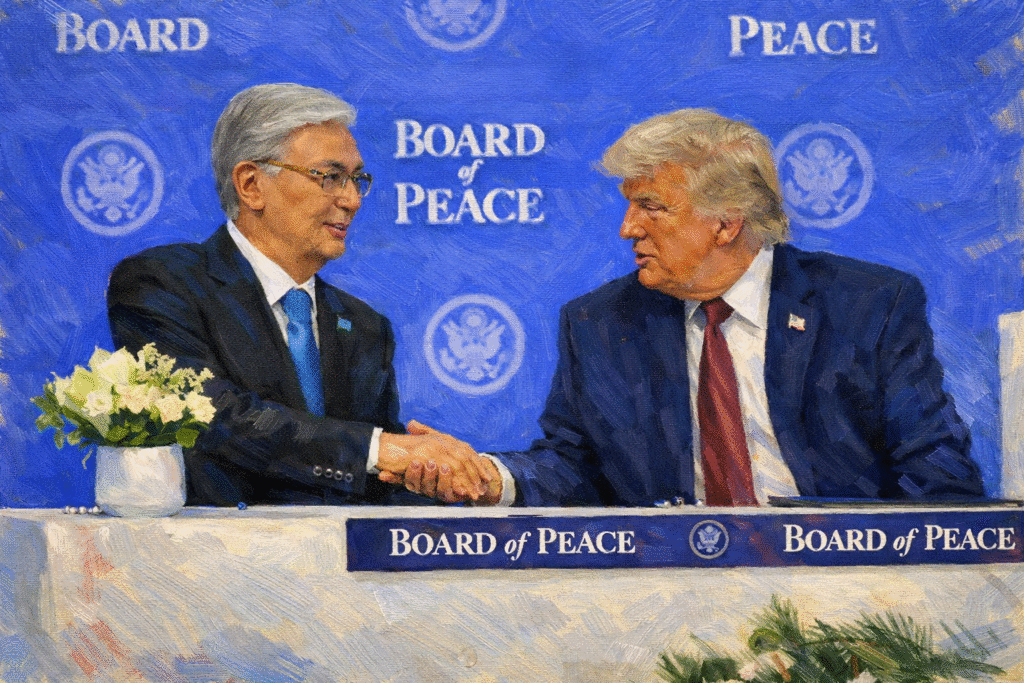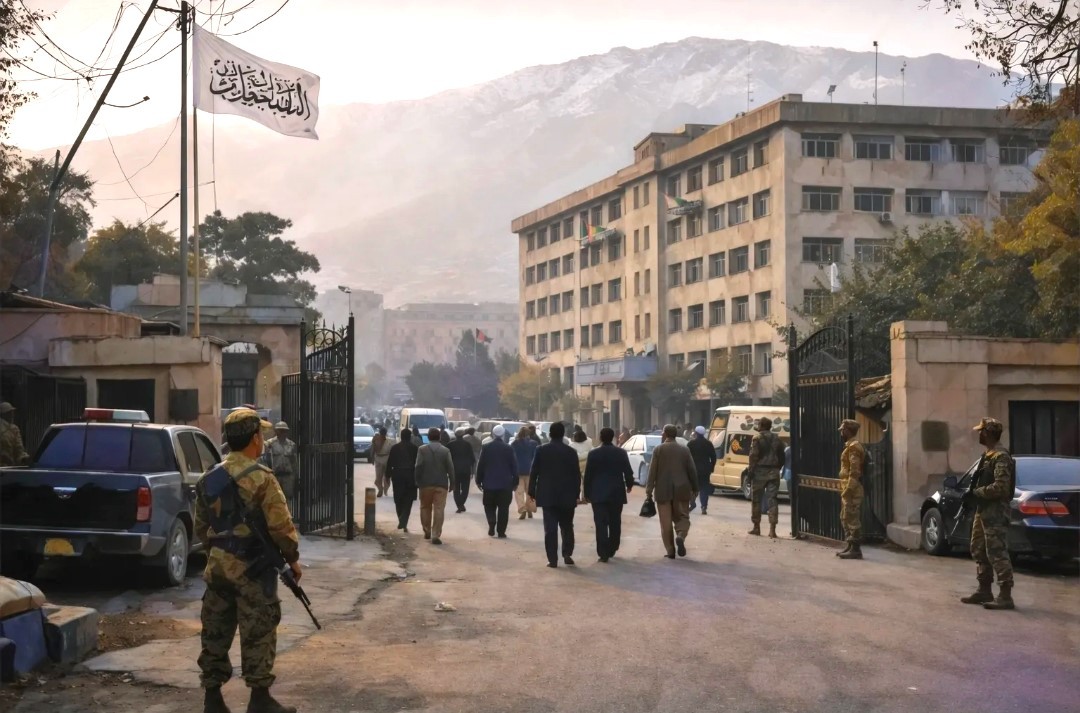
A new trend is becoming increasingly apparent in global politics: key decisions are being discussed not only within traditional international institutions but also through more flexible political and diplomatic formats. One such initiative is the announcement of the creation of the “Board of Peace” by U.S. President Donald Trump, a structure that, according to its authors, is intended to provide an alternative mechanism for conflict resolution.
Reactions have been mixed. Some states view the new platform as an opportunity to enhance the effectiveness of peace efforts; others warn that it could weaken existing institutions, particularly the United Nations, and contribute to a gradual shift toward closed political groupings in which participants’ strategic interests outweigh universal rules.
At its core, this debate reflects the possibility of a deeper transformation of the international order. Whereas global security architecture was once built primarily around multilateral mechanisms, flexible coalitions and ad hoc alliances are becoming more prominent. In such a system, the role of states capable not only of adapting to change but also of offering independent diplomatic initiatives is growing.
It is in this context that Afghanistan is increasingly asking what role it can occupy in a new international configuration.
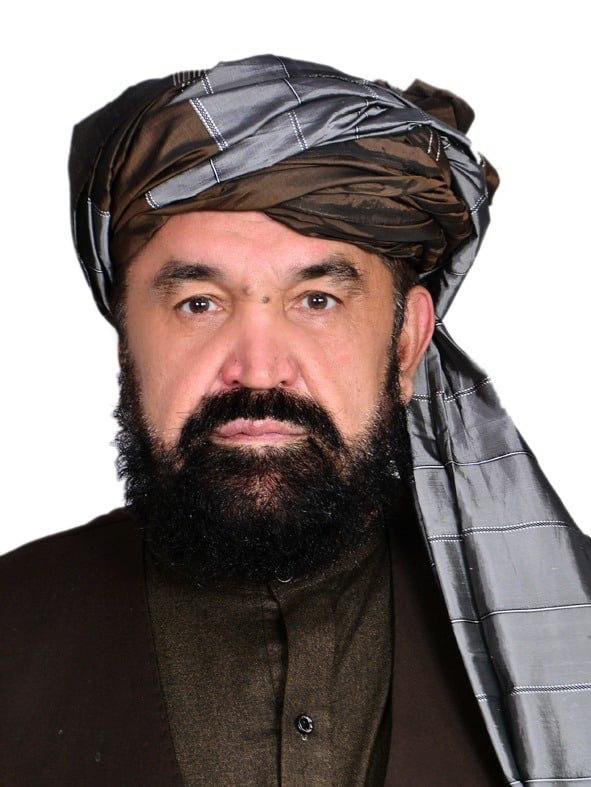
One of the key questions raised in Kabul’s expert community is straightforward: Will the current Afghan authorities be considered in emerging international mechanisms, including the Board of Peace?
There is no clear answer. Despite ongoing global discussions on security and economic cooperation, concrete decisions regarding Afghanistan remain limited. Frozen financial assets, sanctions, and uncertainty over the country’s international status continue to impede economic recovery and complicate integration into regional processes.
Against this backdrop, Afghan experts argue that the country should avoid remaining on the periphery of the evolving order and instead seek integration through sustained diplomatic engagement and regional cooperation.
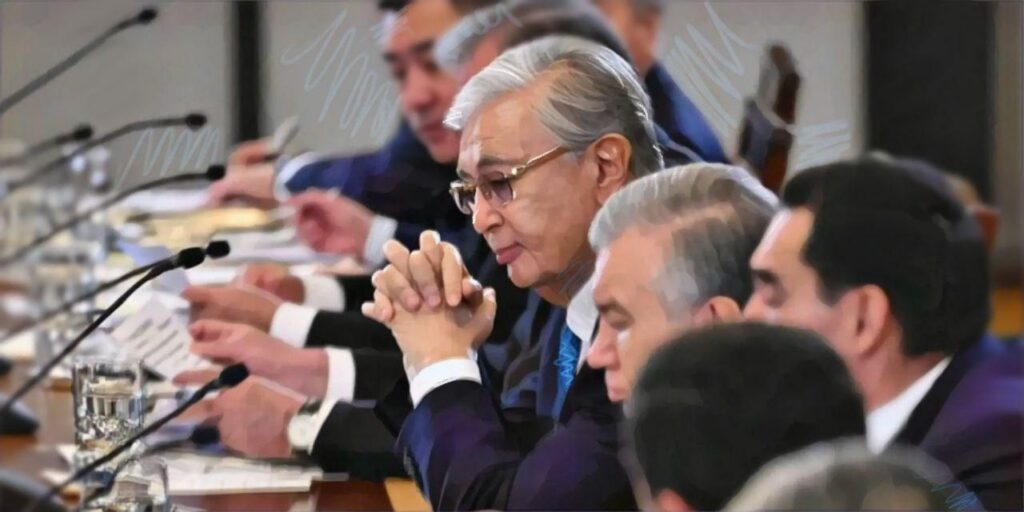
Central Asia could play a particularly significant role in this process. The states of the region are potentially capable of mediating to reduce tensions between Afghanistan and Pakistan and of facilitating the resolution of a conflict that directly affects broader regional security.
Such a role appears logical for several reasons. Many Central Asian countries traditionally pursue pragmatic foreign policies, maintaining working relations with multiple centers of power while avoiding rigid geopolitical alignments. This approach has gradually shaped their reputation as relatively neutral and predictable partners.
The element of self-interest is equally important. Stability to the south is directly linked to border security, the development of transport corridors, energy projects, and trade. In this context, mediation is not merely a diplomatic gesture but an element of a long-term regional strategy.
Moreover, neutrality may prove to be Central Asia’s principal political asset. The region is not generally perceived as a direct party to the conflict and is therefore potentially well placed to offer a platform for dialogue.
At the same time, assuming such a role would require readiness to accept greater responsibility. Effective mediation presupposes regional coordination, institutional maturity, and the political will to engage more actively in security matters.
The emergence of initiatives such as the Board of Peace reinforces the relevance of this strategic choice. If the global system is indeed moving toward a more fragmented model, where political groupings and flexible alliances gain influence alongside universal institutions, the importance of regional diplomacy will inevitably increase.
In such circumstances, those able to create and sustain spaces for negotiation will benefit.
For Afghanistan to secure a more stable position in the evolving international architecture, internal measures will also be essential. These include strengthening domestic security, pursuing economic stabilization, building trust with neighboring states, expanding cooperation with international organizations, and enhancing decision-making transparency.
This is less about political declarations than about creating the conditions in which Afghanistan can be regarded as a predictable and responsible participant in regional processes.
Ultimately, the debate surrounding the function of the Board of Peace extends beyond a single initiative. It reflects a broader restructuring of international relations in which regional actors are gaining prominence.
For Central Asia, this may represent a window of opportunity, a chance to consolidate its role as a space for negotiation and diplomatic balance. For Afghanistan, it is an opportunity to avoid marginalization and instead become part of the emerging order.
The ability to seize this moment may well determine whether the broader region becomes a platform for de-escalation or remains merely an observer of developments unfolding around it.
The views expressed in this article are those of the author and do not necessarily reflect the official policy or position of the publication, its affiliates, or any other organizations mentioned.