• KGS/USD = 0.01144 0%
  • KZT/USD = 0.00192 -0%
  • TJS/USD = 0.10866 0.18%
  • UZS/USD = 0.00008 0%
  • TMT/USD = 0.28571 0%
  • KGS/USD = 0.01144 0%
  • KZT/USD = 0.00192 -0%
  • TJS/USD = 0.10866 0.18%
  • UZS/USD = 0.00008 0%
  • TMT/USD = 0.28571 0%
  • KGS/USD = 0.01144 0%
  • KZT/USD = 0.00192 -0%
  • TJS/USD = 0.10866 0.18%
  • UZS/USD = 0.00008 0%
  • TMT/USD = 0.28571 0%
  • KGS/USD = 0.01144 0%
  • KZT/USD = 0.00192 -0%
  • TJS/USD = 0.10866 0.18%
  • UZS/USD = 0.00008 0%
  • TMT/USD = 0.28571 0%
  • KGS/USD = 0.01144 0%
  • KZT/USD = 0.00192 -0%
  • TJS/USD = 0.10866 0.18%
  • UZS/USD = 0.00008 0%
  • TMT/USD = 0.28571 0%
  • KGS/USD = 0.01144 0%
  • KZT/USD = 0.00192 -0%
  • TJS/USD = 0.10866 0.18%
  • UZS/USD = 0.00008 0%
  • TMT/USD = 0.28571 0%
  • KGS/USD = 0.01144 0%
  • KZT/USD = 0.00192 -0%
  • TJS/USD = 0.10866 0.18%
  • UZS/USD = 0.00008 0%
  • TMT/USD = 0.28571 0%
  • KGS/USD = 0.01144 0%
  • KZT/USD = 0.00192 -0%
  • TJS/USD = 0.10866 0.18%
  • UZS/USD = 0.00008 0%
  • TMT/USD = 0.28571 0%
12 December 2025

Twelve Years On, Tajikistan’s Police Reform Struggles to Deliver Real Change

Launched in 2013, Tajikistan’s police reform aimed to modernize law enforcement, increase transparency, and build public trust. Twelve years later, while some progress is acknowledged, experts say the main objectives remain largely unfulfilled.

Signs of Progress

Sadriddin Saidov, chairman of the Sughd regional branch of the Bar Association, notes improved accessibility to law enforcement.

“Now citizens can file complaints through hotlines or electronically, which means people can reach out at any time,” he said.

In remote areas, mobile police units, minibuses outfitted as service offices, now provide legal consultations and assistance. Gulchehra Kholmatova, Head of the Legal Assistance Group of the Civil Society Coalition against Torture and Impunity in Tajikistan, said there is increasing dialogue between civil society and the state. NGOs are more frequently invited to discuss human rights issues and, in some cases, are granted access to detention centers.

Recent legislative changes have guaranteed detainees access to legal counsel and introduced safeguards against abuse. With international support, Tajik police officers now undergo human rights training aimed at preventing torture.

Human rights advocate Larisa Aleksandrova cites specific gains in addressing domestic violence. The number of inspectors focused on preventing family violence has risen from 14 to 22, improving the registration and response to complaints.

“The number of appeals to police regarding domestic violence has risen, and case registration has improved,” she said.

Where the Reform Falls Short

Yet many argue these reforms are more cosmetic than structural. Lawyer Bakhtiyor Nasrulloev contends the process resembles “degradation” rather than progress.

“Access to local police stations has become more complicated due to multi-level controls and guards. This creates the impression that the police are distancing themselves from society, not moving closer,” he said.

Nasrulloev criticized the reform as superficial, focusing on new uniforms and rebranding without addressing systemic issues.

Kholmatova notes that public oversight of detention facilities remains weak, and torture cases often go unpunished. Aleksandrova adds that the reform slogan, “My police protect me,” has yet to become reality.

“Nothing changes fundamentally. Even those who want to work honestly are constrained by a rigid system of control and subordination,” she said.

Experts point to lingering Soviet-era practices, where success is measured by the number of cases opened rather than investigative quality.

For Saidov, a key obstacle is low public engagement.

“Reforms will succeed only if citizens actively express their opinions and proposals,” he said.

Aleksandrova also highlights insufficient gender sensitivity in police responses to discrimination and domestic violence.

What Experts Propose

To move forward, Nasrulloev has called for a major restructuring that would separate investigative bodies from the Ministry of Internal Affairs and remove them from prosecutorial control. He also suggested making district inspectors and patrol officers accountable to local governments to better address community needs.

He recommended merging overlapping departments, including criminal investigations, drug control, and organized crime units, to reduce bureaucracy and increase efficiency.

Kholmatova highlighted the need for independent monitoring, greater transparency, and training that follows international human rights standards.

Aleksandrova proposed mandatory video recordings of interrogations and the use of body cameras during arrests, with any undocumented action considered unlawful. She also called for regular certification exams and the creation of clear operational standards approved by the Ministry of Justice.

A Reform in Limbo

Twelve years into the process, Tajikistan’s police may be more accessible and open to dialogue, but systemic opacity, partial reforms and institutional inertia still hinder the creation of a people-centered force.

Experts say only genuine institutional reform, stronger accountability, greater citizen involvement and the adoption of modern policing standards will allow the country to fulfill the promise of its reform and build public trust.


Experts Call for Seismic Study Ahead of Kambarata-1 Hydropower Construction

At a recent parliamentary session, Kanatbek Abdrakhmatov, director of the Institute of Seismology and president of Kyrgyzstan’s National Academy of Sciences, warned that seismic microzonation has not been conducted at the site of the planned Kambarata-1 hydropower plant (HPP), a critical prerequisite for infrastructure projects of this magnitude.

Located in western Kyrgyzstan, the Kambarata-1 HPP is a joint venture between Kyrgyzstan, Uzbekistan, and Kazakhstan, with financial support from the World Bank. The facility is expected to have a capacity of 1,860 MW, with a reservoir volume of 4.5 billion cubic meters. The dam is projected to stand 256 meters tall and house four turbines capable of generating over 5.5 billion kWh annually. The total estimated cost of the project is $5-6 billion.

The statement has raised alarms over the country’s most ambitious hydroelectric initiative since independence. Abdrakhmatov said scientists had twice appealed to the Ministry of Energy requesting the study, but received no response. He cautioned that the ministry is underestimating the potential seismic risks.

“We are about to launch the Kambarata-1 project. It is crucial to understand that seismic microzonation must be carried out before projects of this magnitude begin. Unfortunately, this has not been done,” Abdrakhmatov said. “This raises serious concerns, because if an earthquake occurs, the dam could collapse, which in turn could destroy Kambarata-2 and other hydropower plants downstream on the Naryn River.”

He further noted that the dam is planned between two mountain ridges, one significantly higher than the other. Since seismic waves interact differently with varying topographies, a powerful earthquake could cause destabilization and structural damage. Conducting a microzonation study would help mitigate such risks.

The Ministry of Energy has dismissed the concerns raised by domestic seismologists, maintaining that the design of the curved gravity dam is safe. According to the ministry, AFRY Switzerland Ltd, the company preparing the project’s feasibility study, engaged international experts to assess the seismic profile of the region.

The ministry stated that the expert team conducted an analysis of seismic sources, earthquake history, and regional tectonics using data from the National Institute of Seismology and the Central Asian earthquake catalog. Based on their findings, a curved gravity dam design was proposed to enhance both hydraulic performance and structural resilience.

“Following comprehensive studies and numerous expert-level discussions, a seismic hazard assessment of the construction area was provided. The curved gravity dam design proposed for Kambarata-1 is expected to improve both efficiency and resilience,” the ministry reported.

Nevertheless, the ministry added that it remains open to further in-depth seismic studies and may still conduct a microzonation survey as recommended by local scientists.

“To date, enormous preparatory work has been carried out for Kambarata-1. We are moving toward the start of major construction. However, speculation by some of our seismology experts, who are unfamiliar with the latest reports, is deeply regrettable, it is nothing but slander and sabotage,” the ministry added in a strongly worded statement.

Kazakhstan Issues First Residence Permit Under Digital Nomad Residency Program

Kazakhstan has issued its first residence permit under the newly launched Digital Nomad Residency program, a key component of the country’s strategy to attract global talent in digital technologies and artificial intelligence. The Ministry of Digital Development, Innovation, and Aerospace Industry announced that the inaugural 10-year residence permit was granted to Pavel Filatov, a Senior Analytics & BI Engineer.

According to the ministry, the program simplifies the process for qualified foreign specialists to obtain permanent residency. Since its launch in January 2025, over 270 applications have been submitted by professionals from more than 20 countries, including the United States, Canada, France, Turkey, and several post-Soviet states. Most applicants work in fields such as programming, cybersecurity, UI/UX design, and DevOps.

“The Digital Nomad Residency program provides a truly rare opportunity to combine comfortable living conditions with a dynamically developing technology ecosystem,” Filatov said. “The entire process was convenient and modern. For IT specialists around the world, this program really opens up new horizons. Kazakhstan has huge potential for professional growth and international cooperation, and it is a great honor for me to become the first holder of this residency.”

The residency program builds upon Kazakhstan’s Digital Nomad Visa, introduced earlier this year along with two other new visa categories: the Neo Nomad Visa and the Residence Visa. Together, these initiatives form part of a broader government effort to attract skilled professionals, entrepreneurs, and foreign investors.

  • The Digital Nomad Visa offers long-term stay options for freelancers, entrepreneurs, IT specialists, and startup founders.
  • The Neo Nomad Visa targets remote workers who travel while working, requiring proof of at least $3,000 in monthly income, valid health insurance, and a clean criminal record.
  • The Residence Visa is aimed at foreign professionals in medicine, science, innovation, education, and the creative industries, allowing stays of up to 90 days.

The ministry confirmed that the first Digital Nomad Visas, issued without income requirements, have already been granted to IT professionals from Algeria and Botswana. Visa holders are permitted to work with both foreign and Kazakh companies and may apply for residency during the visa’s validity period.

At the same time, Kazakhstan has taken additional steps to attract long-term foreign investment. As The Times of Central Asia previously reported, new regulations allow foreign nationals who invest at least $300,000 into Kazakh companies or securities listed on local exchanges to apply electronically for an investor visa.

This so-called “golden visa” offers a residence permit valid for up to 10 years and is part of Kazakhstan’s plan to build itself into a regional hub for business and innovation.

East Kazakhstan Researchers Use AI and Drones to Boost Soil and Crop Management

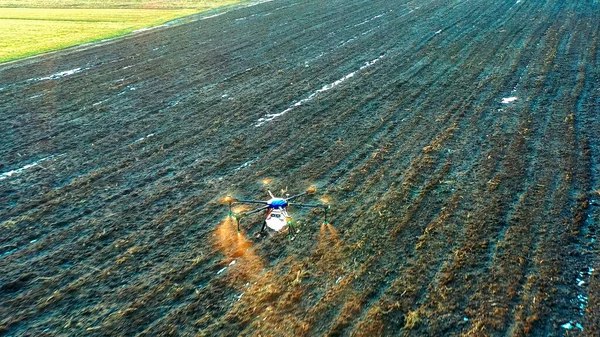
Researchers at Sarsen Amanzholov University in Ust-Kamenogorsk, East Kazakhstan, have developed a digital system that integrates drone imagery with artificial intelligence (AI) to assess soil quality and crop health with high precision.

The system enables farmers to monitor soil and plant conditions in ways previously inaccessible. Drones equipped with multispectral cameras capture images across five spectral bands: red, blue, green, near-infrared, and mid-infrared.

“This approach makes it possible to ‘see’ what is invisible to the human eye, soil moisture levels, chlorophyll content, early signs of plant disease, or land degradation,” said Almasbek Maulit, a researcher at Sarsen Amanzholov University. “AI algorithms analyze the images, differentiate between crops and weeds, identify patterns of spread, and even generate automatic maps of infected areas. This enables farmers to take targeted action from local treatment of problem zones to adjusting crop rotation or cultivation methods.”

The system offers several key benefits:

  • Optimized use of fertilizers and plant protection products, reducing costs
  • Early detection of problems, minimizing crop losses
  • Improved profitability through better sowing and crop management strategies
  • Reliable land quality assessments for investors and state authorities

The project is part of Kazakhstan’s broader strategy to integrate high-tech solutions into agriculture, a sector that remains a cornerstone of the national economy. Earlier this year, The Times of Central Asia reported that engineers in Karaganda unveiled prototypes of drones designed for public safety applications.

By merging AI with drone-based imaging, scientists in East Kazakhstan are helping to position the country’s agribusiness sector for smarter, more sustainable practices and long-term growth.

Tajikistan Launches Domestic Violence Hotline

Tajikistan’s Committee on Women and Family Affairs has launched a dedicated hotline for victims of domestic violence, marking a significant step in regional efforts to address gender-based violence. According to Asia-Plus, the contact center aims to expand access to support services and raise public awareness.

In recent days, the Committee informed citizens via SMS that anyone experiencing domestic abuse can contact the helpline at +992 (37) 221-30-40. The center operates Monday to Friday from 8:00 to 17:00, and Saturdays from 8:00 to 12:00. Both women and men can receive free legal advice and psychological support on issues such as domestic abuse, housing, alimony, and divorce.

Officials said the hotline builds on earlier in-person consultations and has already been operational for over two months. It was established under the framework of Tajikistan’s law “On the Prevention of Domestic Violence” and a corresponding state program. Its core mission is to support survivors and help prevent future cases of abuse. (A previous hotline, number 1313, was operated by the Committee but was discontinued for unspecified reasons.)

Regional Momentum

In neighboring Uzbekistan, the government approved an Administrative Regulation in June 2024 to enhance services for women and minors affected by domestic violence. According to the Justice Ministry’s press service, the regulation expands access to assistance through multiple channels, including the nationwide network of Inson social service centers, the Ministry of Internal Affairs’ 24/7 police hotline (102), emergency dispatcher (112), and the short “trust” number (1146). Citizens can also report abuse to neighborhood police inspectors or local social workers.

Authorities are now legally required to respond within 24 hours of receiving a complaint. Protective measures include issuing restraining orders, relocating survivors and their children to shelters, and conducting immediate assessments by social workers and police. The government also plans to establish crisis centers in every province by the end of 2024, providing safe refuge and access to medical care.

Kazakhstan’s Landmark Reform

Kazakhstan has also taken decisive steps. On April 15, 2024, President Kassym-Jomart Tokayev signed a landmark piece of legislation, popularly known as Saltanat’s Law, to strengthen protections for women and children. The law was named in memory of Saltanat Nukenova, a 31-year-old woman murdered by her husband, former economy minister Kuandyk Bishimbayev, in a case that shocked the nation and triggered mass protests.

As previously reported by The Times of Central Asia, the new law re-criminalized domestic battery and the infliction of minor bodily harm, which had previously been classified as administrative offenses. It introduced harsher penalties for repeat offenders and eliminated legal loopholes that allowed reconciliation in cases involving minors. For the most serious crimes, including murder and sexual violence against children, the law provides for life imprisonment.

Uzbekistan Denies Reports on Return of Afghan Military Helicopters

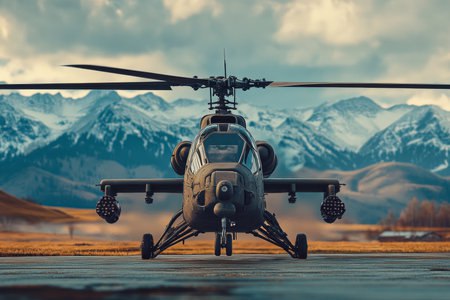
Speculation has resurfaced regarding the fate of Afghan military aircraft flown to Central Asia during the collapse of the previous Afghan government in August 2021. On September 10, Taliban spokesman Zabihullah Mujahid told The Kabul Times that Uzbekistan had agreed to return helicopters that Afghan pilots had flown across the border as Kabul fell. He claimed the transfer of 57 helicopters was imminent, describing it as a step toward rebuilding Afghanistan’s air force and strengthening ties between the two countries.

According to Mujahid, the aircraft had remained in Uzbekistan under the terms of quiet negotiations between Tashkent and Kabul.

The U.S. Department of Defense previously confirmed that 46 planes and helicopters were flown to Uzbekistan and another 18 to Tajikistan in 2021. The aircraft included Mi-17 and UH-60 helicopters, along with PC-12, C-208, AC-208, and A-29 fixed-wing aircraft.

However, Uzbekistan’s Ministry of Foreign Affairs quickly denied the Taliban’s claims. On September 11, ministry spokesperson Ahror Burkhanov told Gazeta.uz that reports of an agreement to return the helicopters “do not correspond to reality.” He dismissed the information as “fake news” and emphasized that Uzbekistan’s position on the issue remains unchanged.

The Taliban has repeatedly demanded the return of the aircraft from both Uzbekistan and Tajikistan, but neither Tashkent nor Dushanbe has responded to these requests publicly. U.S. Ambassador to Uzbekistan Jonathan Henick previously stated that Washington and Tashkent reached an understanding in 2021 regarding the aircraft. He added that part of the military equipment remains in Uzbekistan, and that the two governments are cooperating on the matter through a joint program.

Prior to the Taliban’s return to power in August 2021, Afghanistan’s air fleet included 164 military aircraft. Today, only 81 are believed to remain. As the government collapsed, many Afghan Air Force pilots fled with their aircraft to neighboring countries, including Uzbekistan and Tajikistan.