• KGS/USD = 0.01144 0%
  • KZT/USD = 0.00197 -0%
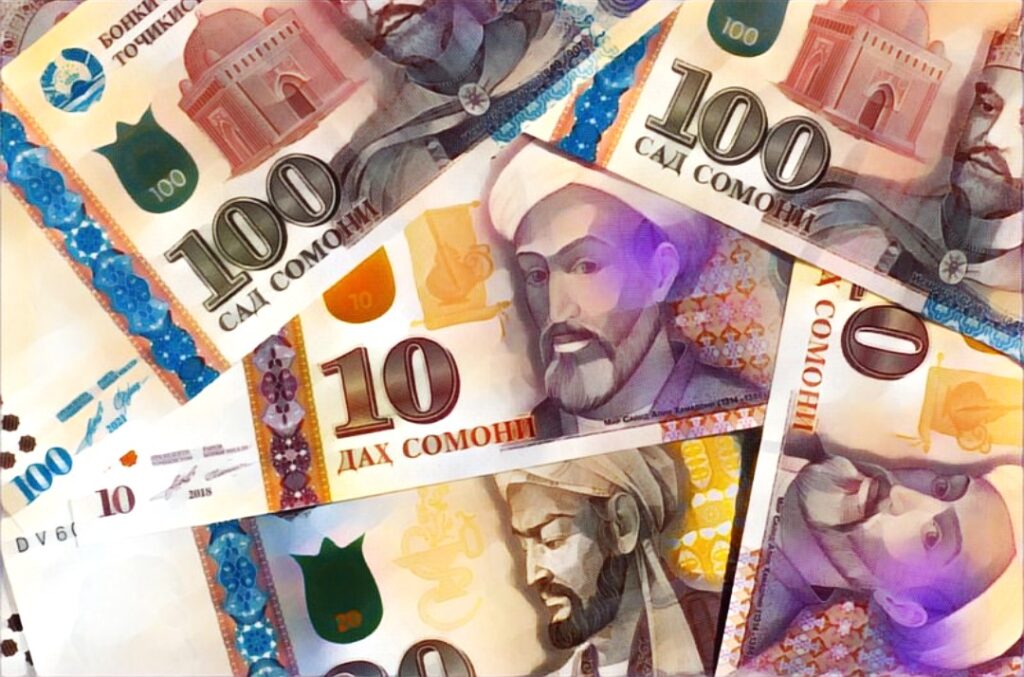
  • TJS/USD = 0.10904 0%
  • UZS/USD = 0.00008 0%
  • TMT/USD = 0.28490 0%
  • KGS/USD = 0.01144 0%
  • KZT/USD = 0.00197 -0%
  • TJS/USD = 0.10904 0%
  • UZS/USD = 0.00008 0%
  • TMT/USD = 0.28490 0%
  • KGS/USD = 0.01144 0%
  • KZT/USD = 0.00197 -0%
  • TJS/USD = 0.10904 0%
  • UZS/USD = 0.00008 0%
  • TMT/USD = 0.28490 0%
  • KGS/USD = 0.01144 0%
  • KZT/USD = 0.00197 -0%
  • TJS/USD = 0.10904 0%
  • UZS/USD = 0.00008 0%
  • TMT/USD = 0.28490 0%
  • KGS/USD = 0.01144 0%
  • KZT/USD = 0.00197 -0%
  • TJS/USD = 0.10904 0%
  • UZS/USD = 0.00008 0%
  • TMT/USD = 0.28490 0%
  • KGS/USD = 0.01144 0%
  • KZT/USD = 0.00197 -0%
  • TJS/USD = 0.10904 0%
  • UZS/USD = 0.00008 0%
  • TMT/USD = 0.28490 0%
  • KGS/USD = 0.01144 0%
  • KZT/USD = 0.00197 -0%
  • TJS/USD = 0.10904 0%
  • UZS/USD = 0.00008 0%
  • TMT/USD = 0.28490 0%
  • KGS/USD = 0.01144 0%
  • KZT/USD = 0.00197 -0%
  • TJS/USD = 0.10904 0%
  • UZS/USD = 0.00008 0%
  • TMT/USD = 0.28490 0%
08 December 2025

EDB Estimates Central Asia-China Transport Connectivity Projects at $9 Billion

China has emerged as the principal investor in regional transport infrastructure, with analysts from the Eurasian Development Bank (EDB) estimating that cross-border projects linking Central Asia and China will require $9 billion in funding through 2035.

According to the EDB, 12 projects valued at more than $9 billion are either underway or in the planning stages. These account for 17% of the $52.8 billion allocated to 90 transport corridor projects across Central Asia. The initiatives are expected to significantly boost trade and cargo flows with China, already the region’s largest trading partner.

China-Kyrgyzstan-Uzbekistan Railway

The most ambitious among them is the long-anticipated China-Kyrgyzstan-Uzbekistan (CKU) railway, a $4.7 billion project that will establish the first direct rail link between China and these two Central Asian states.

Half of the funding will come from a Chinese concessional loan, while the remainder will be provided by a joint venture created to build and operate the railway. China will hold a 51% stake in the venture, while Kyrgyzstan’s contribution is valued at $575.75 million.

On August 31 in Tianjin, Kyrgyz President Sadyr Japarov met with Chinese President Xi Jinping. Following the meeting, officials signed a letter of intent regarding China’s preferential loan to finance Kyrgyzstan’s share, according to the Kyrgyz presidency.

The 523-kilometer railway officially broke ground on December 27, 2024, in Jalal-Abad, Kyrgyzstan. Once completed, the CKU will link Kashgar (China) with Torugart, Makmal, and Jalal-Abad (Kyrgyzstan), and Andijan (Uzbekistan). The line is projected to carry up to 15 million tons of cargo annually, significantly reshaping regional trade flows. Currently, Kazakhstan is the only Central Asian country with a direct railway connection to China.

Kazakhstan’s Leading Role

Kazakhstan leads Central Asia in cross-border infrastructure investment with China, accounting for $3.4 billion or 37% of the total. Key projects include:

  • The modernization of the Dostyk-Moiynty railway section (836 km), scheduled for completion in 2025, which will increase freight capacity fivefold.
  • Construction of the Ayagoz-Bakhty railway line and the launch of a third border crossing with China, aimed at further diversifying transit corridors.

Regional Impact

The scale and scope of these initiatives underscore the strategic importance of transport connectivity in China-Central Asia relations, particularly under the Belt and Road Initiative. By 2035, upgraded infrastructure is expected not only to enhance regional logistics and reduce transport bottlenecks but also to strengthen Central Asia’s position as a vital transit corridor between China and Europe, fostering deeper economic integration across the Eurasian continent.

Chinese Mining Firm Lists on AIX in Landmark Belt and Road IPO

China’s Jiaxin International Resources Investment Limited, the world’s leading tungsten mining and production company, has successfully completed an offering of common shares on the Astana International Exchange (AIX) in Kazakhstan.

The listing ceremony took place on September 5 during Astana Finance Days 2025, marking a milestone for Kazakhstan’s capital market. According to the Ministry of Industry and Construction, the transaction represents the first IPO in Central Asia denominated in Chinese yuan (CNY) and the first IPO on AIX’s dedicated Belt and Road Initiative segment.

Strategic Importance of the Boguty Mine

Jiaxin International is currently developing the Boguty tungsten deposit in Kazakhstan’s Almaty region. With reserves of approximately 107 million tons of ore, Boguty is ranked as the fourth-largest tungsten deposit in the world, positioning Kazakhstan as a critical player in the global supply chain for this strategic metal.

At the listing ceremony, Minister of Industry and Construction Ersayin Nagaspayev emphasized the strategic value of the transaction:

“This event once again demonstrates the high level of investor confidence in the Astana International Financial Center. I am confident that the example of such a large and reputable company will significantly increase the investment attractiveness of Kazakhstan and attract new foreign participants.”

AIX, established in 2017 under the Astana International Financial Center (AIFC), counts among its shareholders the AIFC, Shanghai Stock Exchange, Silk Road Fund, and NASDAQ which also provides its trading platform.

Record-Breaking Demand

Ordinary shares of Jiaxin International were admitted to listing on August 28 on both AIX and the Hong Kong Stock Exchange (HKEX).

The final offer price was set at CNY 9.93. Global demand exceeded $34 billion, with the IPO more than 220 times oversubscribed compared to the targeted amount.

Confidence in Kazakhstan’s Market

Assel Mukazhanova, CEO of AIX, highlighted the significance of the deal:

“It has been about 10 years since Jiaxin first entered the Kazakh market with a tungsten investment project, and today we are proud to celebrate the inclusion of its shares into the AIX Official List. This achievement not only demonstrates the trust placed in our market but also sets a strong precedent for other issuers to follow.”

For Jiaxin International, the dual listing underscores the growing economic ties between China and Kazakhstan. Liu Liqiang, Chairman of Jiaxin International Resources Investment Limited, stated:

“This milestone not only marks a significant chapter in the company’s growth journey, but also reflects our solid step forward in deepening China-Kazakhstan economic cooperation in the context of High-Quality Belt and Road Cooperation.”

The Income Gap Between Rich and Poor Kazakhs Is Widening

Analysts at Ranking.kz note that the income gap in Kazakhstan has remained consistently high in recent years. According to the National Statistics Bureau (NSB), from 2019 to 2023, the incomes of the poorest 10% and the wealthiest 10% of Kazakhstani citizens differed by an average factor of 5.9 to 6. In 2024, the gap reached a record high of 6.2 times.

Who Are the Poor and Who Are the Rich?

The NSB divides the population into ten equal income groups, or deciles. Formally, not only the bottom 10% can be classified as poor, but also the four adjacent deciles. Their average per capita income does not even reach the minimum monthly wage of 85,000 KZT ($157). Collectively, this bottom half of the population receives only 30.2% of the country’s total income.

At the other end of the spectrum, the wealthiest 10% account for 24.1% of total income. This group includes individuals with monthly incomes ranging from 181,300 KZT ($336) to 1.6 million KZT ($2,963). However, this wide income range also includes many middle-class earners. Only a small fraction are truly wealthy.

Salaried Employees: Who Earns What

Among salaried employees (excluding the self-employed and those working in small businesses), income disparities remain stark. In 2024:

  • 3.3% of employees (112,100 people) earned over 1 million KZT ($1,852) per month.
  • 6.1% (210,600 people) earned less than 100,000 KZT ($185).

The largest share of employees fell into the following income brackets:

  • 100,000-200,000 KZT ($185-370) – 23.9%
  • 200,000-300,000 KZT ($370-555) – 23.2%

High salaries are more prevalent in sectors with higher nominal wages:

  • Finance and insurance – 13.9% of employees earned over 1 million KZT
  • Information and communications – 12.6%
  • Professional, scientific, and technical fields – 10.1%

Among civil servants, only 0.7% earn this amount.

Meanwhile, low-wage earners (earning under 100,000 KZT) are most concentrated in:

  • Administrative and support services – 18.4%
  • Agriculture – 12.2%

Across most industries, the most common salary level is between 200,000 and 400,000 KZT ($370-740).

Regional Disparities

Unsurprisingly, the highest concentration of “salary millionaires” is found in Kazakhstan’s oil-producing regions:

  • Mangistau – 14.5%
  • Atyrau – 11.5%

In major cities, the numbers are more modest:

  • Almaty – 6%
  • Astana – 4.8%

The regions with the lowest share of low-paid workers (earning under 100,000 KZT) are:

  • Turkestan – 11.1%
  • North Kazakhstan – 10.3%
  • Zhambyl – 10%

However, the Turkestan region remains one of the most economically vulnerable: in the first quarter of 2025, 8.1% of its population lived below the subsistence level, compared to the national average of 4.5%. More than 175,000 families survive on an income of just 52,500 KZT ($97) per person.

Spending Patterns: Common Ground and Divergence

Income inequality is also reflected in spending patterns. Despite the income gap, both poor and relatively affluent citizens spend a disproportionate share of their budgets on food. The lowest-income group spends 60.6% on food, while the wealthiest decile still spends 51.7%. For comparison, in developed European countries, the average is just 8-12%.

However, differences become clearer in other spending categories. Wealthier citizens spend 3.4% on cafes and restaurants and 0.9% on alcohol. Meanwhile, low-income households allocate 0.8% on ready-made food and 0.2% on alcohol.

Spending on paid services is nearly equal, 20.7% for the poorest, versus 21.8% for the wealthiest. However, debt burdens differ significantly. Wealthier individuals allocate 11.5% of their expenses to debt payments, compared to just 3.6% among the poor.

Why Tajikistan Cannot Give Up Remittances from Migrant Workers

Labor migration is no longer a temporary phenomenon in Tajikistan. Remittances from migrants now account for nearly half of the country’s GDP, supporting families, sustaining the national budget, and helping preserve social stability. But at the same time, the country has found itself dangerously dependent on external factors, factors that directly impact the welfare of millions of citizens.

Thirty Years On

Since gaining independence, Tajikistan has undergone a transformation in which labor migration has become a systemic feature of society. While the country remained predominantly agrarian during the Soviet era, over the past three decades, the word “Tajik” has become closely associated, particularly across the post-Soviet space, with low-skilled labor abroad.

This shift traces back to the 1990s, when Tajikistan, unlike its Central Asian neighbors, failed to restructure its economy and descended into civil war. With factories shuttered, jobs scarce, and political instability rampant, tens of thousands of people left the country. The early waves of migrants were mainly working-age men. Some educated professionals moved to Europe or the US, others to Kazakhstan, but most went to Russia, where cultural and linguistic ties remained strong and the labor market was more accessible.

Even after the peace agreement, migration continued and even intensified. Today, more than 30 years later, the annual outflow of the working-age population remains consistently high.

The Economy on the Migrant “Needle”

Official data record up to 600,000 migrant departures per year. However, the real number is likely higher: many migrants do not return home between seasons, and some have settled permanently in Russia. Since the war in Ukraine began in 2022, migration routes have shifted again, some now leave for Europe and the United States, sometimes under refugee status.

According to the World Bank, in 2024, remittances from migrant workers reached $5.8 billion, representing 45.3% of Tajikistan’s GDP, a global record. Over the past 17 years, this figure has dropped below 30% only three times. For the last three years, remittances have consistently made up nearly half of the national economy.

A Hushed-Up Contribution

Despite the critical role of labor migration, the topic is largely avoided by the Tajik authorities. As far back as 2013, then-head of the National Bank Abdujabbor Shirinov refused to disclose statistics, stating that “this issue could take on a political connotation.” In 2019, his successor, Jamshed Nurmahmadzoda, advised journalists “not to focus on migrants’ money.”

Today, the National Bank attributes the lack of up-to-date data to “technical difficulties” linked to electronic and online transfers. Meanwhile, the Ministry of Labor has not published migration figures for Russia in two years, citing discrepancies with Russian data. As a result, one of the main sources of economic stability remains unacknowledged at the official level.

What Keeps the Budget Afloat

Tajikistan’s economy remains structurally fragile. Its export potential is 3-4 times smaller than its import demand. Foreign currency earned through trade covers only about a quarter of the country’s imports, the rest is financed by remittances.

These funds support domestic consumption: families use them to buy food, clothing, medicine, and pay for education and transport. In turn, this spending fuels local businesses and services, which generate tax revenues. Taxes currently account for 70% of the national budget.

Remittances, therefore, play a direct role in funding public services like education, healthcare, and infrastructure. Any drop in remittances can trigger a domino effect: reduced spending, declining tax revenue, and cuts to social programs. The economy quickly slows.

The Price of Dependence

Tajikistan’s reliance on external income carries serious risks. The livelihoods of millions depend on foreign policy developments, shifts in migration rules, and economic conditions in host countries. Migrants in Russia are particularly vulnerable: xenophobia is on the rise, law enforcement pressure is intensifying, and cases of discrimination and violence are increasingly reported. Many workers live in poor conditions and skimp on basic needs just to send money home.

The Asian Development Bank (ADB) has described migration as both a “lifeline” for the economy and a source of high social vulnerability. Experts urge the government to improve consular protection, diversify labor markets, and invest in pre-departure training and education for citizens heading abroad.

Social Dimension

Migration is reshaping the social fabric of Tajik society. Hundreds of thousands of children are growing up without one or both parents, whose absence places significant strain on families. The main burden often falls on women and elderly relatives. While international NGOs are implementing support programs, the scope of the problem remains vast.

“Migration remains a vital means of subsistence for millions of Tajik citizens. Solving the existing problems will benefit not only migrants and their families, but also society and the state as a whole,” the ADB report notes.

Experts increasingly agree: migration is not a temporary compromise, but a deeply embedded economic institution. Until Tajikistan can provide enough decent jobs at home, migration will remain a pillar of survival.

The challenge now is for the state to formally recognize this reality and adopt a strategy, to protect its citizens abroad, ensure the continuity of remittance flows, and convert this financial lifeline from a tool for survival into a catalyst for development. Only then can Tajikistan move from a position of vulnerable dependence toward a sustainable, mature economic policy.

Kazakhstan Initiates International Program to Save the Caspian Sea

The ongoing shallowing of the Caspian Sea is no longer a national issue, it is emerging as a significant international challenge. Kazakh President Kassym-Jomart Tokayev emphasized that the crisis requires collective action and the adoption of an intergovernmental program.

Since the early 2000s, the Caspian Sea’s water level has been steadily declining. As previously reported by The Times of Central Asia, by the summer of 2025, the sea had fallen below 29 meters relative to global sea level, marking a historic low. The northern basin, which borders Russia and Kazakhstan, is drying up particularly rapidly, due in large part to decreased flow from the Volga River.

This is not the first time Kazakhstan has raised concerns about the Caspian Sea on the international stage. According to Tokayev, “the need to develop an intergovernmental program to preserve the Caspian Sea has matured.” The president believes that participation should extend beyond the five littoral states, Russia, Iran, Azerbaijan, Turkmenistan, and Kazakhstan, to include other nations invested in the region’s environmental health.

He recalled that during his visit to China in early September, he proposed the creation of a specialized international organization. “This is not only a problem for one country, but for a number of states,” Tokayev stressed in his annual address to the nation.

At the same time, the president acknowledged that Kazakhstan faces its own internal water management challenges. Losses in some irrigation and water channels reach 50-60%, and resource accounting is still being carried out using outdated technologies. “As for the culture of conserving natural resources, especially water, we must admit that we have big problems here: as they say, the horse didn’t lie down,” Tokayev remarked.

To address these issues, he proposed creating a unified digital platform for water resources, powered by artificial intelligence. This platform would enable accurate hydrogeological monitoring and the development of a national water balance. Tokayev said this system would provide the foundation for a long-term water policy and help attract investment into the sector.

Tokayev also stressed that environmental safety should become part of Kazakhstan’s national ideology. He highlighted the ongoing Taza Kazakhstan (“Clean Kazakhstan”) initiative, which began in 2024. Under this project, approximately 860,000 hectares of land have been cleaned and over 4 million trees planted.

“If such active work continues, Kazakhstan will become a truly green country, an inspiring example and a valuable legacy for future generations,” Tokayev said. He also called for the introduction of a unified standard for environmental education, from schools to universities.

Kazakhstan to Establish Ministry for AI Development, Digital Code, and Crypto Asset Fund

In his annual address to the people of Kazakhstan, President Kassym-Jomart Tokayev identified digitalization and artificial intelligence (AI) as key priorities for the country’s development. The president announced a series of institutional and legislative initiatives aimed at positioning Kazakhstan at the forefront of the global technological transformation.

Tokayev emphasized that digitalization and AI should form the foundation for modernizing both the national economy and the system of public administration.

He instructed the government to establish a dedicated ministry to oversee the development and regulation of artificial intelligence tools. “The new ministry should be headed by a specialist at the level of deputy prime minister,” Tokayev said.

Currently, the Ministry of Digital Development, Innovation, and Aerospace Industry is the state body responsible for digitalization in Kazakhstan. The new ministry is expected to be created on its basis.

In addition, Tokayev called for the development of a dedicated legal framework to support the large-scale adoption of AI. “The government is tasked with ensuring the total implementation of artificial intelligence to modernize all areas of the economy. As a first step, the adoption of the Digital Code should be accelerated,” Tokayev stated.

According to Tokayev, the Digital Code will serve as a foundational document outlining Kazakhstan’s strategic directions for digitalization. It will address issues related to artificial intelligence, the platform economy, big data usage, and other areas central to integrating Kazakhstan into the global digital economy.

Tokayev also announced plans to establish a state fund for digital assets, based on the investment corporation of the National Bank. “This fund will accumulate a strategic crypto reserve from the most promising assets of the new digital financial order,” he explained.

He stressed the urgency of building a comprehensive ecosystem for digital assets and highlighted the importance of integrating the digital tenge, recently launched in Kazakhstan, into financing mechanisms provided by the National Fund.

“Despite global instability, we have taken a decisive step into the era of total digitalization and artificial intelligence. My main mission is to ensure the stable socio-economic development and security of Kazakhstan in these turbulent and dangerous times,” Tokayev said. “The rapid development of artificial intelligence is already influencing people’s worldviews and behavior, especially among young people. There is no alternative, as this process is radically changing the world order and the way of life of all humanity. Therefore, I have set the strategically important task of transforming Kazakhstan into a fully-fledged digital country within three years.”

As previously reported by The Times of Central Asia, Kazakhstan in July launched alem.cloud, the most powerful supercomputer cluster in Central Asia, designed to support the development and implementation of artificial intelligence technologies.