Contemporary Art Center Tselinny Opens in Almaty

Summer in Almaty was rich with music festivals, concerts, and public projects, and this cultural momentum appears set to continue into fall. The grand opening of the Tselinny Center for Contemporary Culture last Friday marked the start of September with a major cultural milestone for the city.
A Historic Space Reimagined
At a recent press conference, organizers spotlighted the significance of this new cultural landmark within the evolving discourse of Central Asian contemporary art.
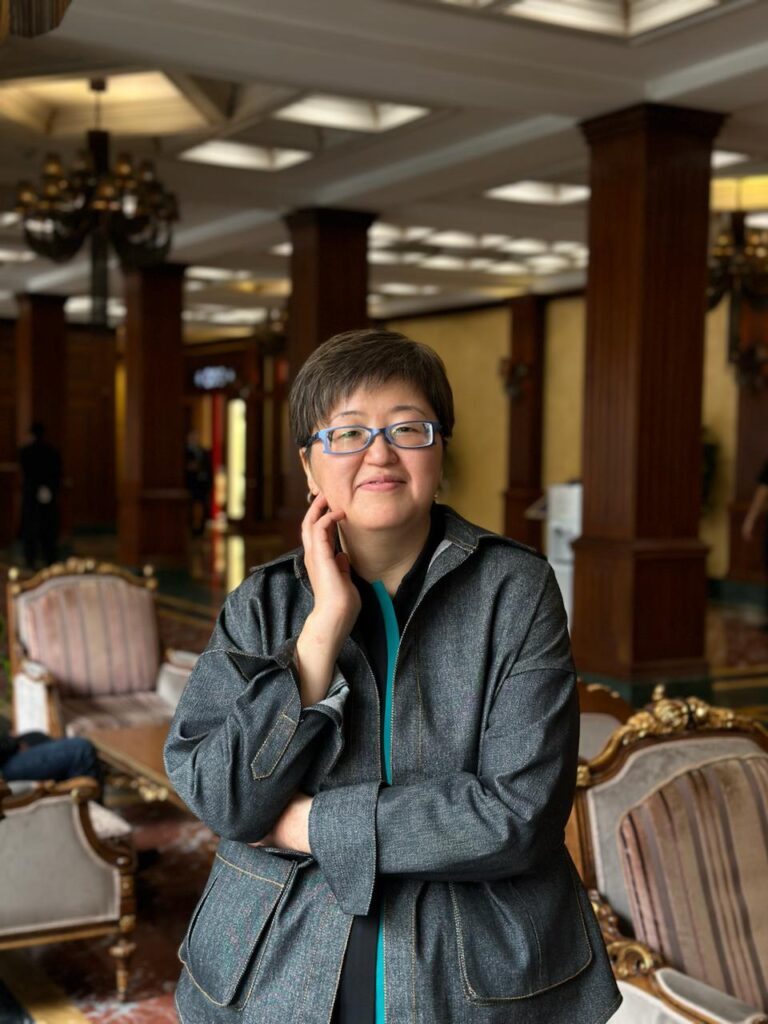
Director Jamilya Nurkalieva led a short tour ahead of the official opening, sharing insights into the restoration and rethinking of the historic Tselinny cinema. Reinterpreting Almaty’s first panoramic cinema, an iconic piece of Soviet-era modernist architecture, was, in her words, about creating “an architectural pearl.” She described the new space as embodying “inclusivity and acceptance, the ultimate state of tranquility, almost like a hug.”

Image: TCA
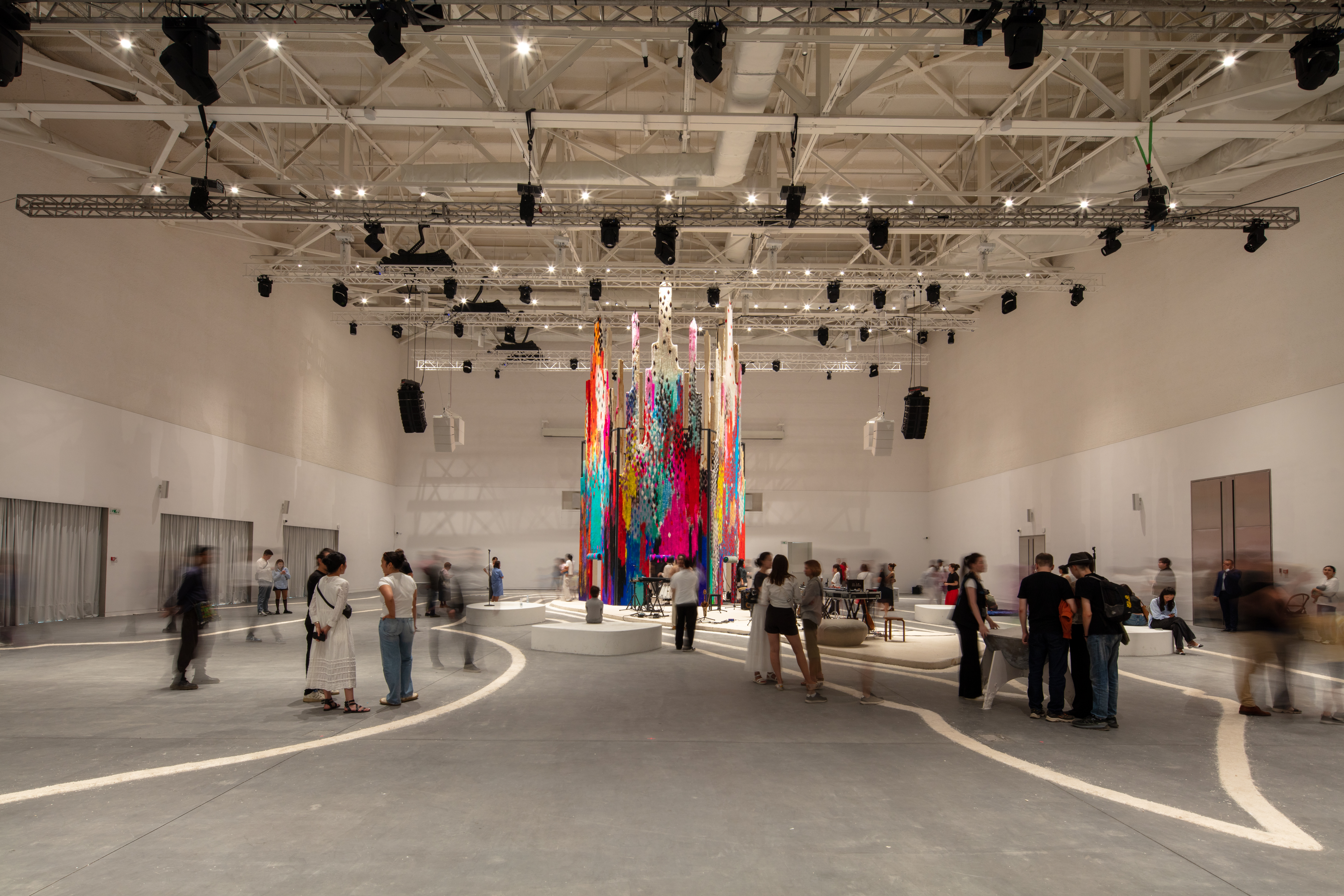
Image: Atelier Cauchemar
The transformation was a deeply local effort. Nurkalieva emphasized the importance of working with Kazakhstani architects, builders, and craftsmen to ensure authenticity throughout the reconstruction process. Among the most unexpected discoveries during renovation were original works by renowned Soviet graphic artist Yevgeniy Sidorkin, long believed lost. His preserved sgraffito now welcomes visitors at the entrance. “Conceptually, we didn’t want the space to become a monument to Sidorkin alone, this is a place for new artists,” said Nurkalieva. “In some areas, craftsmen recreated panels from his sketches. We chose neutral tones so the sgraffito wouldn’t dominate the space.”
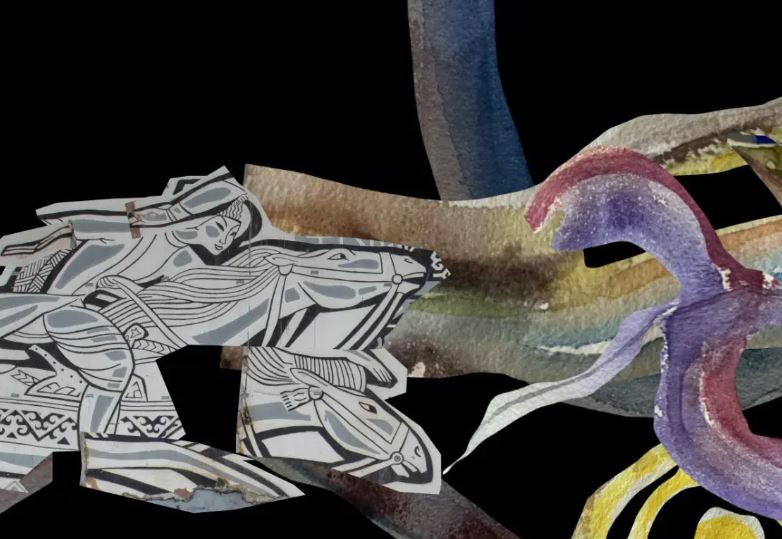
Image: tselinny.org
In just its first three days, Tselinny welcomed more than 12,000 visitors. The public experienced debut exhibitions, the interdisciplinary performance BARSAKELMES, and the launch of an educational program. The former Soviet cinema, now reimagined by British architect Asif Khan, has been reborn as a cultural hub for Almaty and the wider region. Tselinny will gradually extend its hours and programming over the coming months, with full operations set to begin in January 2026.

Image: TCA
Asif Khan’s architectural vision reflects a concept of spatial unity rooted in the Kazakh cosmological balance of Tengri (sky) and Umai (earth), representing power and growth. Drawing inspiration from the steppe landscape, Khan has preserved the spirit of the original building while opening a new horizon for each visitor.
Launching a New Dialogue
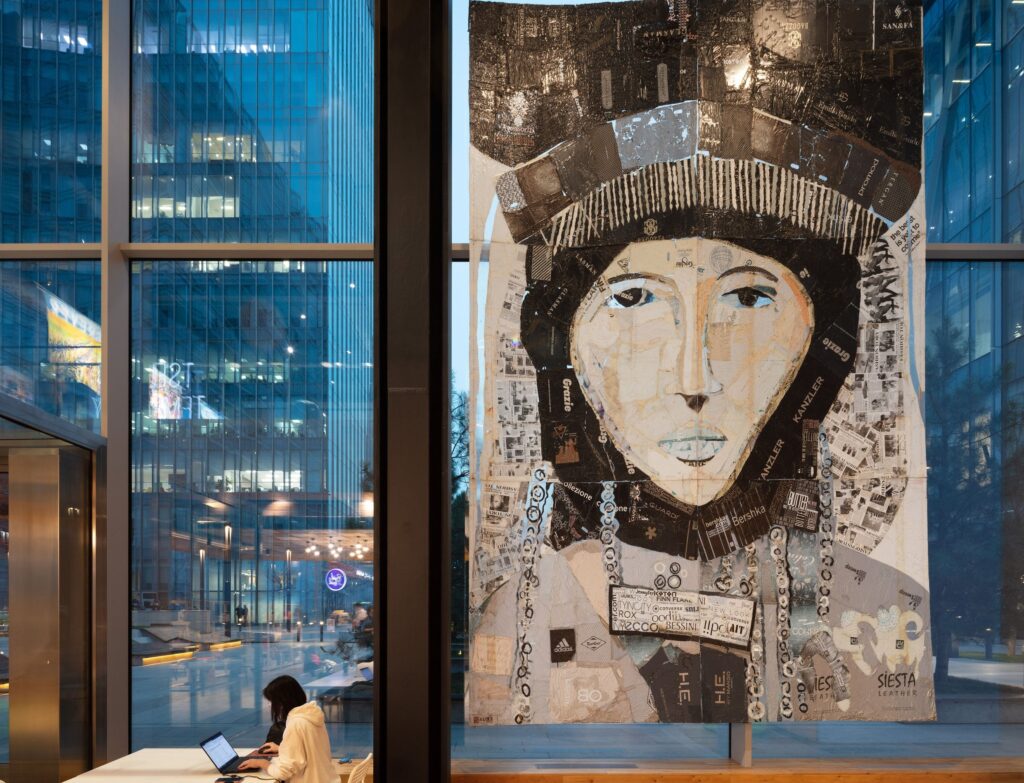
Three exhibition projects opened in parallel with the center itself. These include installations by Gulnur Mukazhanova and Daria Temirkhan as part of BARSAKELMES; the architectural showcase From Sky to Earth: “Tselinny” by Asif Khan (curated by Markus Lahtinenmäki); and the archival project Documentation: Imagining Central Asia on the Map of Contemporary Art (curated by Asel Rashidova). These inaugural exhibitions are intended to initiate long-term dialogue between artists, institutions, and the broader public. A full program is available on Tselinny’s official website.
The Return of Tselinny
Once the largest cinema in Soviet Central Asia, Tselinny has now been transformed into a multifunctional art center. The revamped complex includes exhibition spaces, workshops, a library, a bookstore, offices, and open public areas. The renovation balances the building’s historical legacy with the requirements of a contemporary cultural institution.

Image: TCA
During the first month of operations, public access to the space will be limited as the team gradually introduces new features and services while ensuring high safety and service standards.