• KGS/USD = 0.01144 0%
  • KZT/USD = 0.00192 -0%
  • TJS/USD = 0.10849 0.37%
  • UZS/USD = 0.00008 0%
  • TMT/USD = 0.28571 0.28%
  • KGS/USD = 0.01144 0%
  • KZT/USD = 0.00192 -0%
  • TJS/USD = 0.10849 0.37%
  • UZS/USD = 0.00008 0%
  • TMT/USD = 0.28571 0.28%
  • KGS/USD = 0.01144 0%
  • KZT/USD = 0.00192 -0%
  • TJS/USD = 0.10849 0.37%
  • UZS/USD = 0.00008 0%
  • TMT/USD = 0.28571 0.28%
  • KGS/USD = 0.01144 0%
  • KZT/USD = 0.00192 -0%
  • TJS/USD = 0.10849 0.37%
  • UZS/USD = 0.00008 0%
  • TMT/USD = 0.28571 0.28%
  • KGS/USD = 0.01144 0%
  • KZT/USD = 0.00192 -0%
  • TJS/USD = 0.10849 0.37%
  • UZS/USD = 0.00008 0%
  • TMT/USD = 0.28571 0.28%
  • KGS/USD = 0.01144 0%
  • KZT/USD = 0.00192 -0%
  • TJS/USD = 0.10849 0.37%
  • UZS/USD = 0.00008 0%
  • TMT/USD = 0.28571 0.28%
  • KGS/USD = 0.01144 0%
  • KZT/USD = 0.00192 -0%
  • TJS/USD = 0.10849 0.37%
  • UZS/USD = 0.00008 0%
  • TMT/USD = 0.28571 0.28%
  • KGS/USD = 0.01144 0%
  • KZT/USD = 0.00192 -0%
  • TJS/USD = 0.10849 0.37%
  • UZS/USD = 0.00008 0%
  • TMT/USD = 0.28571 0.28%
11 December 2025

Turkish Company Reaffirms Commitment to Kyrgyzstan’s Energy Projects

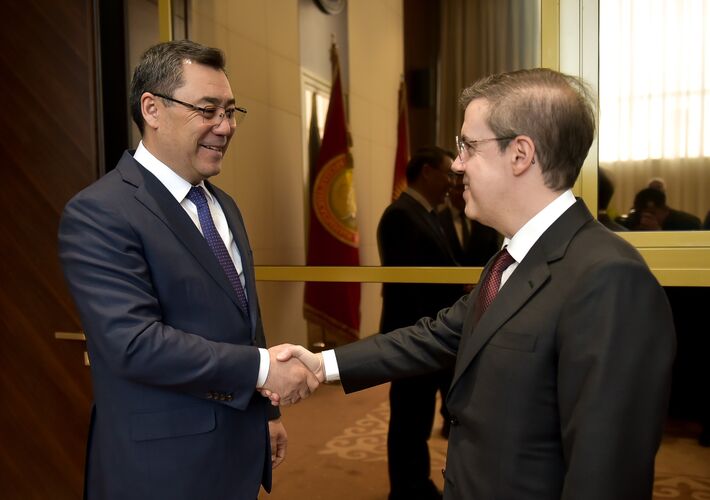
At a meeting on April 16 with Kyrgyz President Sadyr Japarov in Bishkek, Ahmet Mücahid Ören, Chairman of the Board of Directors of Turkey’s İhlas Holding, reaffirmed his company’s commitment to implementing two major energy projects in Kyrgyzstan: the construction of the Kazarman cascade of hydroelectric power plants (HPPs) on the Naryn River, and a 250 MW natural gas-fired combined heat and power plant (CHPP-2) in Bishkek.

İhlas Holding has previously established an open joint-stock company, Orta Asya Investment Holding (Central Asian Investment Holding), to facilitate its operations in Kyrgyzstan.

“We consider these projects in the fields of hydropower and thermal power generation as strategically important and a priority. We are confident that their implementation will serve as the basis for the sustainable development of the country’s energy sector and create conditions for subsequent investment initiatives,” Ören stated, according to the Kyrgyz president’s press service.

Japarov noted that preliminary research has been completed at the construction sites for the Kazarman cascade in the Jalal-Abad region. The studies were conducted by Central Asian Investment Holding in cooperation with the Kyrgyzhydroproject Institute.

In February 2025, Kyrgyzstan’s Ministry of Energy and Central Asian Investment Holding signed a protocol of intent to build the Kazarman cascade, which will have a total capacity of 912 MW. The Turkish company has committed to constructing three hydropower plants as part of the project:

  • Ala-Buga HPP – 600 MW
  • Kara-Bulun-1 HPP – 149 MW
  • Kara-Bulun-2 HPP – 163 MW

Combined, these plants are expected to generate 3.746 billion kWh of electricity annually, significantly bolstering Kyrgyzstan’s power supply.

The meeting also addressed the construction of a second thermal power plant in Bishkek. Japarov emphasized that once operational in 2028, the new 250 MW natural gas-fired CHPP-2 will improve not only the capital’s heating and electricity supply but also its environmental conditions. The new facility aims to reduce reliance on the city’s aging coal-fired Thermal Power Plant, which currently serves as the primary source of electricity and heating.

Once completed, CHPP-2 is expected to meet Bishkek’s growing heating demands and reduce the risk of energy shortages.

Kazakhstan to Permit Industrial Hemp Cultivation

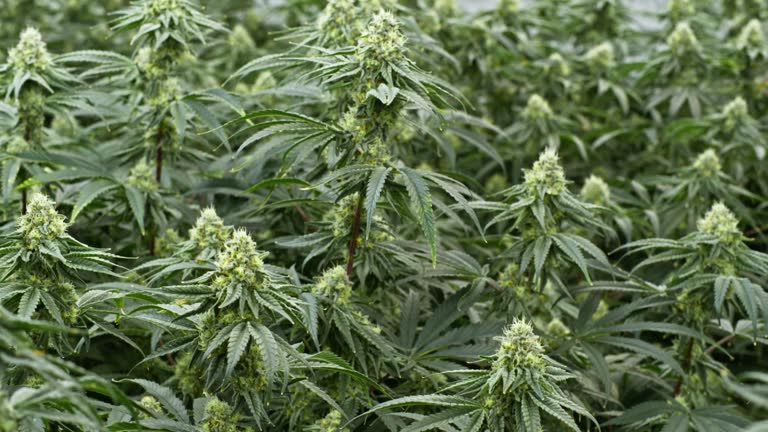
Kazakhstan will legalize the cultivation of industrial hemp, with the measure already approved by the Mazhilis, the lower house of parliament. The provision is part of a draft law aimed at eliminating unnecessary regulation of internal affairs bodies. Vice Minister of Internal Affairs Sanzhar Adilov confirmed the development during a parliamentary session.

According to Adilov, the Ministry of Internal Affairs has already issued four licenses for the cultivation of technical cannabis. The new regulation is designed to enable the use of industrial hemp in manufacturing sectors such as paper, textiles, and construction materials.

Industrial Use, Not for Intoxication

During discussions in the Mazhilis, some deputies raised concerns about whether the cultivation of hemp might attract drug users or traffickers. Addressing these fears, Adilov emphasized the stark chemical differences between industrial and wild cannabis.

“Wild-growing marijuana in the Chui Valley contains more than 15% tetrahydrocannabinol (THC), while industrial hemp contains just 0.1% to 0.3% THC,” he explained. “As a police officer, I can say this production holds no interest for drug users or traffickers. Industrial hemp cultivation is not prohibited by law.” 

Adilov noted that one farm in the Kostanay region is already engaged in the cultivation and processing of industrial hemp under one of the existing licenses.

Revisiting an Old Idea

The concept of using hemp for industrial purposes, particularly in paper production, has been circulating in Kazakhstan for more than a decade. However, past initiatives were not government-led.

Roughly ten years ago, the National Chamber of Entrepreneurs “Atameken” proposed utilizing hemp to reduce Kazakhstan’s dependency on imported office paper, which costs the country an estimated $100 million annually. Although the proposal was backed by Dariga Nazarbayeva, then Deputy Prime Minister and the eldest daughter of former President Nursultan Nazarbayev, it failed to gain broader government support at the time. 

Now, with the government itself spearheading the effort, the project is being revived with stronger institutional backing. The entire cultivation and processing cycle of industrial hemp will be monitored by anti-narcotics authorities to ensure regulatory compliance and security. 

Kyrgyz Clergy to Compete in Traffic Rules Knowledge Contest

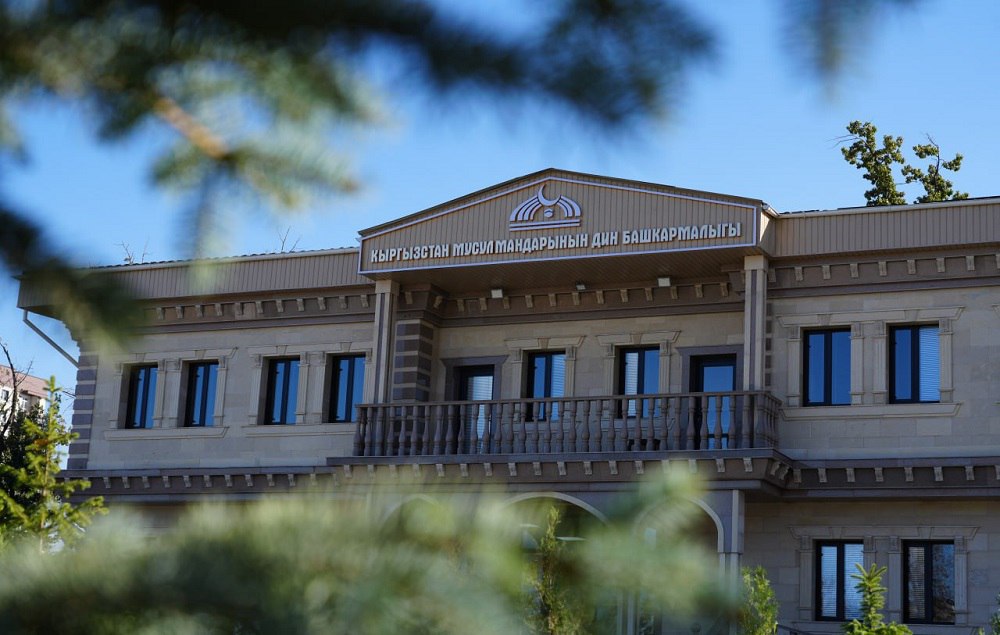
The Spiritual Administration of Muslims of Kyrgyzstan (DUMK) will hold a competition among its members to test their knowledge of traffic regulations. The participants will include mosque imams and staff from DUMK’s central office, according to a statement on the Muftiate’s official Facebook page.

The initiative follows a recent meeting between DUMK representatives and officials from Kyrgyzstan’s Main Directorate of Road Traffic Safety (DGUOBDD). Traffic police emphasized the importance of promoting traffic rule compliance among the public, and particularly among the faithful, highlighting the clergy’s influential role in society.

“To effectively promote road safety, religious leaders themselves must be well-versed in traffic laws,” said a DUMK spokesperson. “Shariah places great value on human life, which is why it mandates adherence to rules that protect it, including traffic regulations.”

Addressing a Rising Crisis

Traffic violations and accidents are a persistent issue in Kyrgyzstan. The DUMK noted that the National Statistical Committee records road accidents approximately every 90 minutes across the country. The situation is especially serious in rural areas.

In response, the Muftiate has been conducting awareness campaigns in mosques nationwide for several years, including the ongoing “Human Life Above All” initiative aimed at reinforcing the religious imperative to safeguard life.

Government Push for Compliance

The clergy-led effort aligns with a broader push by the Kyrgyz government to enhance road safety. Starting in September 2025, drivers who commit traffic violations will be subject to on-the-spot knowledge tests, under a policy introduced by President Sadyr Japarov.

This cooperation between religious and state institutions reflects a growing effort to integrate moral authority into public safety campaigns, particularly in a country where religious leaders remain influential community figures.

Uzbekistan to Establish Free Trade Zones Near Kyrgyz Border

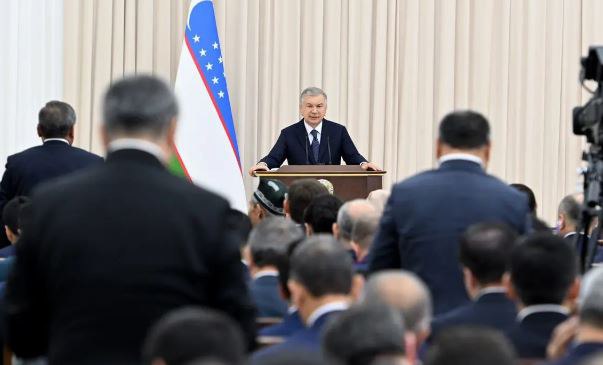
Uzbekistan is preparing to establish new trade and industrial zones near its border with Kyrgyzstan, President Shavkat Mirziyoyev announced during a government meeting on April 16.

The Andijan region currently exports approximately $200 million in goods to Kyrgyzstan each year. To boost trade further, Mirziyoyev proposed the development of industrial zones in Kurgan-Tepe and Khojaabad, modeled after similar projects on the Afghan border. He directed officials to engage with local businesses and select one of the two sites to begin detailed planning.

Addressing Border Bottlenecks

Concerns were raised during the meeting over logistical challenges at the “Dostlik” checkpoint in Khojaabad. Residents and freight operators have expressed frustration with persistent delays.

Railway Project to Transform Regional Trade

Mirziyoyev also highlighted the strategic importance of the planned Uzbekistan-Kyrgyzstan-China railway. Once completed, the railway is expected to reduce shipping times by up to a week and shorten the overall route by 1,000 kilometers. Cargo volumes could increase tenfold, he noted.

The agreement to build the railway was signed on June 6, 2024, in Beijing. The 523-kilometer route will connect Kashgar in China to Andijan in Uzbekistan, passing through Kyrgyz cities including Torugart and Jalal-Abad. The project includes the construction of modern logistics hubs, warehouses, and terminals, and is intended to significantly strengthen transport links between Central and East Asia.

Air Astana to Serve Horse Meat and Baursaks to VIP Passengers

Kazakhstan’s flagship carrier, Air Astana, is introducing a new in-flight dining concept on international routes, offering business class passengers a taste of national cuisine reimagined through contemporary culinary techniques.

The updated menu, available from June 2025, features dishes such as pumpkin-stuffed manty (dumplings), horsemeat tartare, and traditional desserts, part of a collaboration with the AUYL neo-nomadic cuisine restaurant and its chef, Ruslan Zakirov.

Available from June, the menu also includes sweets infused with sesame, salted caramel, and balkaymak (a sweet made with camel’s milk).

“Our goal was to express Kazakhstan’s culture through flavor and a modern presentation,” said Zakirov, highlighting the project’s fusion of authenticity and innovation.

The new offerings were tested on domestic flights during the Nauryz holiday and received overwhelmingly positive feedback, leading to their expansion to international routes.

“We want passengers to feel at home, even at cruising altitude,” said Air Astana CEO Peter Foster. He added that the airline is committed to working with local producers and supporting small businesses, with plans to broaden the range of Kazakh-made products on board. 

Vice President of Onboard Services Elena Obukhova noted that these initiatives enhance the airline’s cultural identity and create a unique travel experience for international guests. “It’s not just a menu, it’s Kazakhstan’s business card,” echoed Zakirov. 

Beyond food, Air Astana has also updated its entertainment system. The airline now offers an expanded media library, including new movies, music, and audiobooks in Kazakh. With help from the National Library of Kazakhstan, passengers can listen to folk epics and modern interpretations of classic works.

Long-haul business class passengers will also receive Moschino-branded travel kits containing cosmetics by the British brand TEMPLESPA. Cabin interiors now feature subtle elements reflecting Kazakh aesthetics.

Air Astana’s efforts align with a broader shift in Kazakhstan’s tourism strategy. The Ministry of Tourism and Sports is now focusing on attracting high-spending travelers. “While growing numbers matter, quality should come first,” said Vice Minister Yerzhan Erkinbayev, who advocates for targeting tourists capable of spending $250 per day without overwhelming local infrastructure. 

Kazakhstan, he added, is well-positioned to develop luxury tourism offerings, especially in its mountainous regions. Drawing on models from Barcelona, Milan, and the Alps, the country aims to build high-end infrastructure rather than pursue mass tourism.

In this context, Air Astana’s gourmet in-flight service becomes more than just a culinary upgrade, it’s a strategic move to showcase Kazakhstan’s cultural sophistication and strengthen its appeal to discerning global travelers.

Tajikistan Predicts Economic Slowdown Amid Declining Remittances

Tajikistan’s economic growth is projected to decelerate to 7.5% in 2025, largely due to weakening domestic demand, according to the latest regional economic review by the Eurasian Fund for Stabilization and Development (EFSD).

Migrant Remittances: A Key Factor

The anticipated slowdown is primarily attributed to a decline in remittances from labor migrants, which have historically formed a substantial share of Tajikistan’s GDP. EFSD analysts forecast that from 2025 to 2027, the volume of transfers will gradually normalize after peaking between 2022 and 2024.

Despite this decline, the EFSD maintains that Tajikistan’s balance of payments will remain stable, helped in part by reduced capital outflows, including foreign currency purchases.

Previously, the World Bank reported that migrant remittances accounted for 45% of the country’s GDP in 2024, the highest proportion globally. By comparison, remittances made up 24% of GDP in Kyrgyzstan and 14% in Uzbekistan. The Asian Development Bank (ADB) expects this share to fall to 37% in 2025.

Inflation Pressures Rise

EFSD economists also warn of mounting inflationary pressures. Inflation is projected to approach the upper limit of the National Bank of Tajikistan’s target corridor, 5% with an acceptable deviation of ±2 percentage points. Over the medium term, inflation is expected to stabilize within the target range. Food prices remain the primary risk to price stability, the EFSD cautioned.

Exports, External Risks, and Trade Barriers

The ADB has also published a forecast supporting a more restrained outlook, highlighting falling global prices for Tajikistan’s key exports, metals and agricultural goods, including aluminum, as an added drag on growth.

Additionally, regional trade barriers are posing challenges. Uzbekistan recently raised import duties on Tajik cement, a move seen by analysts as part of a broader trend of protectionist policies in neighboring countries.

External conditions are also exerting pressure. Economic slowdowns in Russia and China, Tajikistan’s primary trading partners, could suppress both export revenue and remittances, the majority of which come from migrant workers in Russia.

GDP Projections and Sector Breakdown

According to the ADB’s baseline scenario, Tajikistan’s GDP growth is expected to slow to 7.4% in 2025 and 6.8% in 2026. In contrast, Tajik authorities aim to maintain growth at no less than 8%.

In 2024, the economy grew by 8.4%, a 0.1 percentage point increase over the previous year. GDP totaled 153.4 billion somoni (approximately $14 billion). The sectoral composition of GDP included agriculture (22.8%), industry (16.9%), trade (15.2%), transportation (9.3%), construction (8.1%), taxes (9.4%), and other services (18.3%).

Despite the projected slowdown, ADB experts remain cautiously optimistic. They cite sustained investment in energy and industrial sectors, expanded agricultural and service output, and continued, albeit diminished, remittance inflows as key factors that will support Tajikistan’s economic momentum.