• KGS/USD = 0.01144 0%
  • KZT/USD = 0.00193 -0%
  • TJS/USD = 0.10811 -0.28%
  • UZS/USD = 0.00008 0%
  • TMT/USD = 0.28490 0%
  • KGS/USD = 0.01144 0%
  • KZT/USD = 0.00193 -0%
  • TJS/USD = 0.10811 -0.28%
  • UZS/USD = 0.00008 0%
  • TMT/USD = 0.28490 0%
  • KGS/USD = 0.01144 0%
  • KZT/USD = 0.00193 -0%
  • TJS/USD = 0.10811 -0.28%
  • UZS/USD = 0.00008 0%
  • TMT/USD = 0.28490 0%
  • KGS/USD = 0.01144 0%
  • KZT/USD = 0.00193 -0%
  • TJS/USD = 0.10811 -0.28%
  • UZS/USD = 0.00008 0%
  • TMT/USD = 0.28490 0%
  • KGS/USD = 0.01144 0%
  • KZT/USD = 0.00193 -0%
  • TJS/USD = 0.10811 -0.28%
  • UZS/USD = 0.00008 0%
  • TMT/USD = 0.28490 0%
  • KGS/USD = 0.01144 0%
  • KZT/USD = 0.00193 -0%
  • TJS/USD = 0.10811 -0.28%
  • UZS/USD = 0.00008 0%
  • TMT/USD = 0.28490 0%
  • KGS/USD = 0.01144 0%
  • KZT/USD = 0.00193 -0%
  • TJS/USD = 0.10811 -0.28%
  • UZS/USD = 0.00008 0%
  • TMT/USD = 0.28490 0%
  • KGS/USD = 0.01144 0%
  • KZT/USD = 0.00193 -0%
  • TJS/USD = 0.10811 -0.28%
  • UZS/USD = 0.00008 0%
  • TMT/USD = 0.28490 0%
10 December 2025

Turkmenistan Bets on Dairy Industry and Coffee Business

Turkmenistan is ramping up its investments in the food processing sector, with two prominent companies announcing major expansions in the dairy and coffee industries. The developments were unveiled during an exhibition marking the 17th anniversary of the Union of Industrialists and Entrepreneurs of Turkmenistan.

Erkin Agro Launches Dairy Expansion with European Cattle

Erkin Agro, a member of the Union, announced plans to construct a large-scale milk processing plant and associated livestock farms. Deputy Director General Begench Chariev shared the news at the exhibition​.

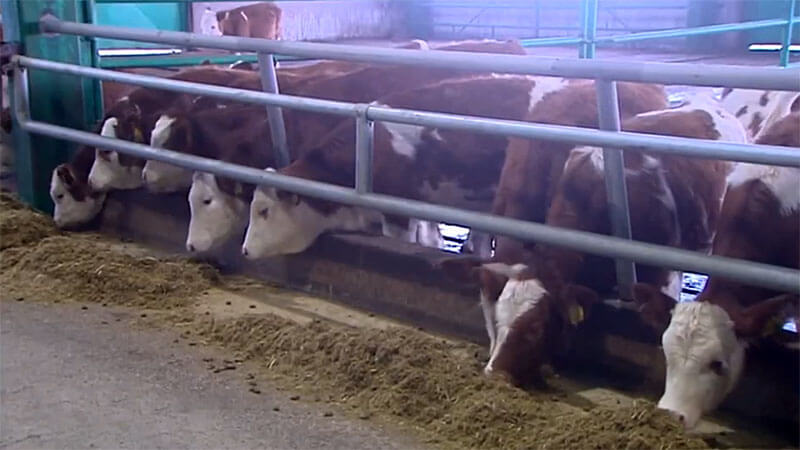
The company is finalizing its business plan and preparing to procure dairy cattle from Europe. Representatives will soon travel to Germany, Hungary, and the Netherlands to negotiate with suppliers. The initial phase involves importing 300 to 400 cows, with a total of 2,000 head planned. The first shipment is expected by the end of spring, with a second to follow in the fall.

The project emphasizes environmental sustainability. Erkin Agro is adopting organic farming practices and minimizing the use of chemicals, including fertilizers and pesticides. These efforts aim to ensure not only high-quality dairy products but also ecologically responsible livestock operations.

NesilCoffee Ventures into Freeze-Dried Coffee

Meanwhile, entrepreneur Tedjenmurat Bayramdurdyev, owner of NesilCoffee, announced the company’s entry into premium coffee production with the launch of a freeze-dried coffee line. The announcement was made during the same exhibition, according to Business Turkmenistan​.

Freeze-dried coffee, considered a high-end product, is made through lyophilization, a process in which frozen coffee is vacuum-dried to preserve its flavor, aroma, and nutrients. This method distinguishes it from standard instant coffee, which is produced via spray drying.

The new production facility is located in Ak-Bugday etrap, Ahal province. Outfitted with Italian and German equipment, the plant sources coffee beans from Europe, Colombia, Guatemala, Ethiopia, and Tanzania. NesilCoffee manages its own Arabica–Robusta blend ratios and monitors quality through an in-house laboratory.

Currently, the company produces five varieties of whole-bean coffee (Espresso, Intenso, Classic, La Crema, Special) and four types of instant coffee (Caramel Latte, Vanilla Latte, Coffee Latte, and Cappuccino). The production process adheres to ISO 9001, ISO 22000, and Halal standards. The facility has an annual production capacity of 4,000 tons, with plans to scale up to 10,000 tons.

Growing Food Industry

Since launching one of Central Asia’s largest coffee plants in 2024, NesilCoffee has secured a leading position in the domestic market and is now pursuing export opportunities.

These developments reflect a broader national strategy to diversify and strengthen Turkmenistan’s food sector. With investments in livestock and high-quality food processing, companies like Erkin Agro and NesilCoffee are positioning Turkmen business for sustainable, internationally competitive growth.

Kazakhstan Considers Resuming Saiga Culling Amid Ecological and Agricultural Tensions

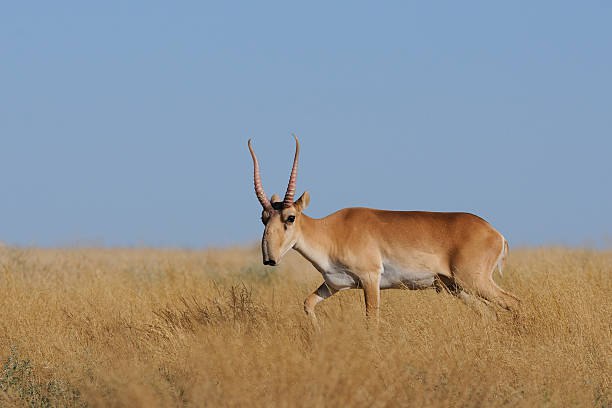
Kazakhstan’s Minister of Ecology and Natural Resources, Yerlan Nysanbayev, has addressed the growing debate over the potential resumption of saiga culling, acknowledging that while no decision has yet been made, consultations with scientists and environmental experts are ongoing​.

Conservation or Population Control?

Speaking at a government briefing, Nysanbayev emphasized the complexity of the issue. “We expect a second meeting. Science needs time to comprehensively study the situation, assess obligations, and determine whether population regulation is necessary or if alternative measures are viable,” he said.

The minister acknowledged that the conflict between wildlife and agricultural interests is becoming increasingly apparent. “There are epizootic risks involved. A very balanced decision is required here,” he added.

Regulation Methods: Culling or Capture?

When asked about potential population control methods, Nysanbayev responded candidly. “It could be corral-based capture or shooting, what other options are there? But the final decision is still under scientific review.”

The idea of regulating saiga populations first stirred controversy in 2022 when farmers in West Kazakhstan and Akmola regions reported widespread crop damage caused by the animals. Fields were trampled, fences destroyed, and harvests consumed. Some farmers even called for a state of emergency​.

By autumn 2023, saigas were added to the official list of animals subject to population control. Authorities initially aimed to capture 200,000 saigas, but technical challenges led to a shift toward culling. Meat processing plants began producing canned saiga meat for local consumption​.

Shifting Policies and Political Pressure

However, on February 10, 2024, the Ministry of Ecology suspended the population control initiative following consultations with Kazakh and international experts​. In April, President Kassym-Jomart Tokayev declared his intent to ban saiga culling altogether, calling the antelope a “symbol of the Kazakh steppe”​.

Yet the issue resurfaced in March 2025 during a meeting of the National Kurultai. Tokayev again urged the government to reassess the situation, citing appeals from the AOYL political party and local residents. “Agriculture is suffering. Epizootic risks are growing. Overall, pressure on the ecosystem has increased,” he said​.

Global Context and Local Dilemma

According to Energyprom.kz, global wildlife populations have declined by an average of 73% over the past 50 years. While Kazakhstan’s saiga population has rebounded significantly thanks to anti-poaching efforts and conservation policies, the country now faces a new dilemma: how to reconcile ecological preservation with agricultural stability​.

Minister Nysanbayev confirmed that a final decision will be made later this year but what form it will take remains uncertain.

Uzbekistan Aims to Save 1.1 Billion Cubic Meters of Gas in 2025

Uzbekistan’s Statistics Committee has released data on industrial production for January and February 2025, revealing a continued decline in natural gas output. During this period, the country produced 7.37 billion cubic meters of gas, down 329 million cubic meters (4.2%) from the same period in 2024 and 781 million cubic meters compared to 2023.

Depleting Reserves and Rising Demand

Azim Ahmadkhadjayev, head of the state nuclear agency Uzatom, attributed the decline to the depletion of existing gas fields and delays in developing new ones. Simultaneously, Uzbekistan’s industrial production is accelerating, driving up energy demand.

“The existing fields are running out. Discovering and developing new reserves requires substantial investment. Work is underway, but the transition takes time,” Ahmadkhadjayev told the Alter Ego project. He also emphasized that the future expansion of nuclear energy would reduce reliance on gas.

Amid these challenges, the government is prioritizing energy conservation. At a March 26 meeting, President Shavkat Mirziyoyev outlined ambitious goals: saving 1.1 billion cubic meters of natural gas and 2.6 billion kilowatt hours of electricity in 2025.

Outdated Infrastructure and Industrial Modernization

Many of Uzbekistan’s industrial facilities date back several decades and were not designed with energy efficiency in mind. This outdated infrastructure consumes disproportionate amounts of electricity and gas, leading to regional shortages during peak demand.

To address this, the government is modernizing key industries and implementing a dedicated energy-efficiency program for large enterprises. With the population projected to reach 41 million by 2030 and, energy demand expected to grow by 1.5 times, long-term planning is critical.

Researchers in Samarkand, Syrdarya, and Jizzakh have identified potential energy savings of 870 million kilowatt hours of electricity and 420 million cubic meters of gas. One proposed measure is replacing 35,000 outdated machines in small and medium-sized factories.

Local Energy Initiatives

Energy savings are also being pursued at the community level. The government plans to install small solar power plants in 300 neighborhoods, aiming to save 45 million cubic meters of gas in 2025. Additionally, over 1,000 micro hydropower stations are planned on canals and streams to generate supplemental electricity.

Street lighting is another major energy consumer, using 200 million kilowatt hours annually. Transitioning to solar-powered lights could halve this consumption.

President Mirziyoyev stressed the need for factories to adopt energy-efficient technologies and reduce waste. A new monitoring system will ensure the proper implementation of these energy-saving measures.

Focus on Renewables and Public Awareness

The government is also promoting energy-conscious behavior among citizens. Simple actions, like turning off unused lights or installing solar panels, can collectively contribute to national energy goals.

Particular attention is being paid to the densely populated Fergana Valley. A tailored energy plan is being developed for the region, with successful strategies to be expanded nationwide.

New UNEP Atlas Highlights Kyrgyzstan’s Climate Vulnerability

Amid intensifying climate impacts, the UN Environment Programme (UNEP) released its Atlas of Environmental Change for Kyrgyzstan on March 26, offering a comprehensive assessment of the country’s growing environmental risks and response strategies.

Warming at Twice the Global Rate

According to the Atlas, average annual temperatures in Kyrgyzstan have increased by 1.2°C between 1960 and 2023, double the global average of 0.6°C. This accelerated warming has exacerbated water scarcity and the likelihood of natural disasters, a trend expected to intensify in the coming decades. While water availability declines, demand continues to rise, particularly in agriculture.

The report stresses the urgent need for robust climate adaptation measures, including reducing irrigation losses, upgrading early warning systems, and improving pasture management. Currently, an estimated 70% of Kyrgyzstan’s pastures are degraded.

Declining Water Resources

Hydropower accounts for up to 93% of Kyrgyzstan’s electricity generation. But as the climate shifts, rainfall patterns, snow cover, and glaciers are changing, threatening the water inflows that power these systems. Water flow into the Toktogul Reservoir, which feeds the country’s largest hydroelectric plant, could decrease by as much as 18.8% by 2050.

This poses a serious threat not only to energy security but also to regional cooperation, as Kyrgyzstan lies upstream of many major Central Asian rivers. The report underscores the importance of transboundary water management.

Disasters on the Rise

Natural disasters are also becoming more frequent and severe. On average, Kyrgyzstan experiences around 200 emergencies per year, 90% of which are linked to natural hazards such as floods, earthquakes, mudslides, rockfalls, and avalanches.

In 2022 alone, nearly 150 lives were lost to natural disasters. Between 2012 and 2018, the average annual economic loss from such events reached $27 million.

Conservation Achievements

Despite the mounting risks, the Atlas also highlights Kyrgyzstan’s environmental progress. Forest cover has increased from 6.2% in 2000 to 6.9% in 2023, a significant feat given the country’s mountainous terrain. Protected areas have expanded from 0.5 million hectares in 2000 to 1.5 million hectares, with plans to increase this to 10% of national territory by 2040, safeguarding up to 65% of species listed on the IUCN Red List.

All forests in Kyrgyzstan are protected from commercial logging. Notably, the creation of the Khan Teniri Nature Park has expanded snow leopard habitat in the Central Tien Shan mountains by 40%.

A Tool for Climate Policy

The UNEP Atlas offers Kyrgyz policymakers a vital evidence base for sustainable environmental management and climate adaptation. It is designed to guide future strategies as the country faces mounting ecological and socio-economic pressures.

Tajik Authorities Urge Migrants in Russia to Legalize Status Ahead of Deadline

Tajik authorities are urging citizens working in Russia to legalize their status before the April 30 deadline, as new Russian immigration regulations come into force. The Ministry of Internal Affairs of Tajikistan has reminded labor migrants to update their documents to remain employed legally.

“Foreign citizens in the Russian Federation who are not registered at their place of residence, do not possess a valid work patent, or have failed to make monthly payments, as well as those listed in the register of controlled persons, can legalize their documents without leaving Russia,” the ministry stated.

Starting June 30, Russia will implement a digital profile system for migrants. Russian Prime Minister Mikhail Mishustin announced that the new system will replace the current paper-based work patent with a digital profile containing a unique identifier. Authorities say this transition is aimed at improving administrative efficiency and reducing fraud.

“To ensure a smooth transition, all necessary preparations are being made,” Mishustin said.

In addition to the digital transition, Russia began testing a new border control system in December 2024. Migrants entering via Moscow airports are now required to submit biometric data, enabling authorities to track entries and identify individuals banned from entering the country.

In February 2025, Russian authorities activated a national register of controlled persons. The list includes over 640,000 foreign nationals residing in Russia without proper documentation. Those listed must legalize their stay by April 30 or face potential deportation.

The new rules also affect migrant families. Since February, children of migrants must pass a Russian language proficiency test. If they fail, they are required to attend a three-month language course at their parents’ expense. Noncompliance may trigger investigations into the family’s living conditions and result in penalties.

Bishkek Continues Controversial Stray Dog Culling Amid Criticism and Lack of Resources

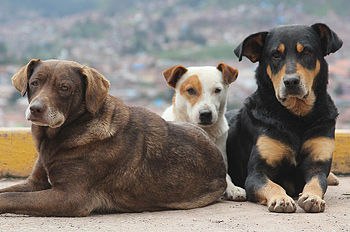
In 2024, Bishkek authorities received 158 citizen requests to capture and eliminate stray animals, all of which were fulfilled. According to official data, 14,378 stray dogs were captured and killed over the course of the year in the Kyrgyz capital​.

Despite longstanding regulations mandating humane treatment, sterilization, vaccination, and release, city officials cite a lack of resources and infrastructure as the reason for continuing the practice of mass culling. The current rules were approved by the Bishkek City Council in 2002.

“There are no municipal shelters for stray animals in Bishkek,” the City Council stated in official documents. “As a result, the municipal enterprise Tazalyk is forced to shoot stray dogs.”

Officials argue that ending the practice would require the construction of an animal shelter, but such a project is not accounted for in the city’s budget. “Around the world, animal shelters are usually established by charitable organizations and public foundations,” said First Deputy Mayor Mirlanbek Baigonchokov, defending the administration’s inaction.

The mayor’s office noted that stray dog shootings were temporarily halted in 2021, but resumed following what it described as numerous public complaints.

From 2015 to 2024, Bishkek health institutions registered 1,391 dog bite cases, 949 of which involved children.

Tazalyk reports that it costs approximately 430 Kyrgyz soms (about $5) to eliminate a single stray dog. This cost covers one bullet, a disposal bag, the hunter’s salary, and a contribution to the Social Fund​.

However, animal welfare experts argue that culling is not only inhumane but ineffective. “Shooting does not work. In fact, the number of stray animals increases every year,” said Tazalyk Director Zholdosh Chushtukov. “We need a different approach. We propose mandatory sterilization and castration.”