• KGS/USD = 0.01143 -0%
  • KZT/USD = 0.00192 -0%
  • TJS/USD = 0.10820 0.19%
  • UZS/USD = 0.00008 0%
  • TMT/USD = 0.28575 0%
  • KGS/USD = 0.01143 -0%
  • KZT/USD = 0.00192 -0%
  • TJS/USD = 0.10820 0.19%
  • UZS/USD = 0.00008 0%
  • TMT/USD = 0.28575 0%
  • KGS/USD = 0.01143 -0%
  • KZT/USD = 0.00192 -0%
  • TJS/USD = 0.10820 0.19%
  • UZS/USD = 0.00008 0%
  • TMT/USD = 0.28575 0%
  • KGS/USD = 0.01143 -0%
  • KZT/USD = 0.00192 -0%
  • TJS/USD = 0.10820 0.19%
  • UZS/USD = 0.00008 0%
  • TMT/USD = 0.28575 0%
  • KGS/USD = 0.01143 -0%
  • KZT/USD = 0.00192 -0%
  • TJS/USD = 0.10820 0.19%
  • UZS/USD = 0.00008 0%
  • TMT/USD = 0.28575 0%
  • KGS/USD = 0.01143 -0%
  • KZT/USD = 0.00192 -0%
  • TJS/USD = 0.10820 0.19%
  • UZS/USD = 0.00008 0%
  • TMT/USD = 0.28575 0%
  • KGS/USD = 0.01143 -0%
  • KZT/USD = 0.00192 -0%
  • TJS/USD = 0.10820 0.19%
  • UZS/USD = 0.00008 0%
  • TMT/USD = 0.28575 0%
  • KGS/USD = 0.01143 -0%
  • KZT/USD = 0.00192 -0%
  • TJS/USD = 0.10820 0.19%
  • UZS/USD = 0.00008 0%
  • TMT/USD = 0.28575 0%
13 December 2025

Uzbek-Chinese Team Uncovers Han Dynasty Relics

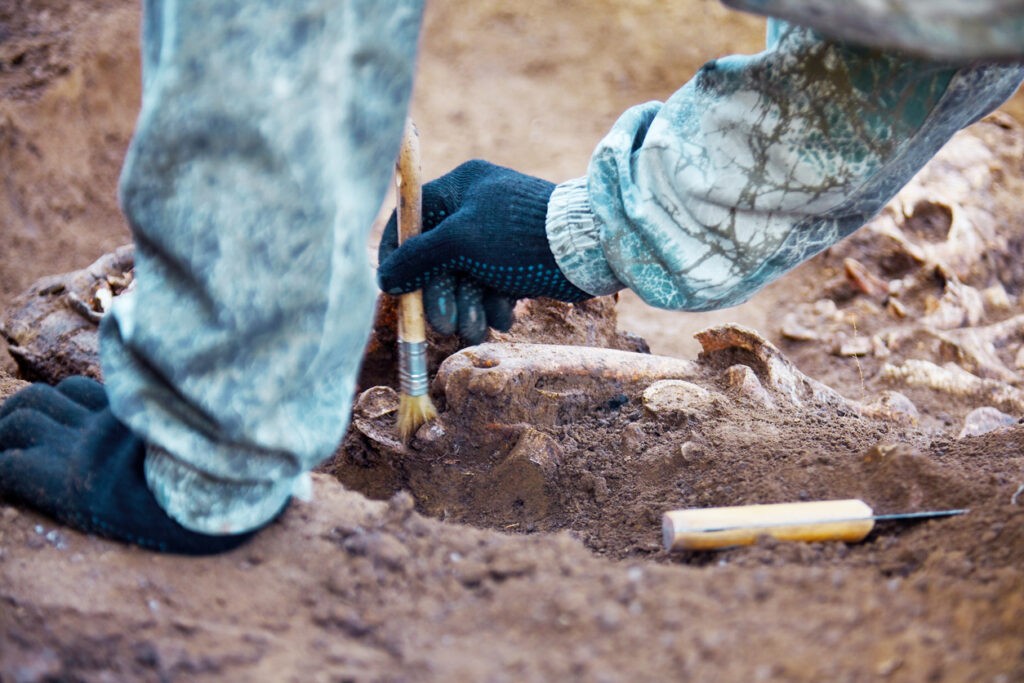
A joint archaeological team from China and Uzbekistan has unearthed significant cultural relics at the Mengchaktepa site in Uzbekistan. Among the discoveries are silk fragments, coins, and a bronze mirror dating back to the Han Dynasty (206 BC-AD 220).

The excavation uncovered six tombs and two buildings. These findings could provide deeper insights into the Silk Road during the Wei (220-265), Jin (265-420), and Northern and Southern Dynasties (386-589).

This marks the first discovery of silk at Mengchaktepa or anywhere in the Fergana Valley in nearly 40 years. The last such finding, in the 1980s, confirmed that the silk was produced in China.

Since 2012, the China-Uzbekistan archaeological team has focused on excavating Mengchaktepa, uncovering relics that underscore frequent trade and cultural exchanges in the region.

The area excavated in 2024 is located in the northwest corner of the site. Research from 1986 indicated that this part of the site was contemporaneous with the Wei, Jin, and Northern and Southern Dynasties in China.

Liu Tao, a member of the Chinese Academy of Social Sciences and leader of the archaeological team, noted that silk fragments were discovered near the tibia of a tomb skeleton. These fragments are believed to be remnants of trousers. Further studies are underway to confirm the silk’s origin.

Copper coins were also recovered, including one too rusted to identify markings. Researchers determined it to be a Chinese-style coin featuring a circular shape with a square hole, reflecting Chinese cultural influence.

Both the silk and coins have been sent to a laboratory for detailed analysis, with results expected in 2025.

The six tombs excavated feature unique designs distinct from ancient Chinese tombs. They employed reed coffins, constructed using locally available reed stalks braided and wrapped with wood. This adaptation likely utilized materials sourced near the Syr Darya River.

However, the tomb structures resemble those of Central China. They include passages, adobe-sealed doors, and cave chambers. One of the larger tombs measures 3 meters wide, 4 meters long, and 2 meters high. It features an arched ceiling, steps connecting the passage to the chamber, and an adobe gate.

Cave chamber tombs first appeared during the Warring States Period (475-221 BC) and became prominent during the Han Dynasty.

The Times of Central Asia previously reported that this team had unearthed seven tombs, two buildings, and numerous artifacts, including silk fabrics, leather goods, bronze mirrors, square-holed coins, and beads at Mengchaktepa.

These findings continue to shed light on the rich cultural and trade connections between Central Asia and China in ancient times.

Kazakhstan Receives Abundant Water in 2024

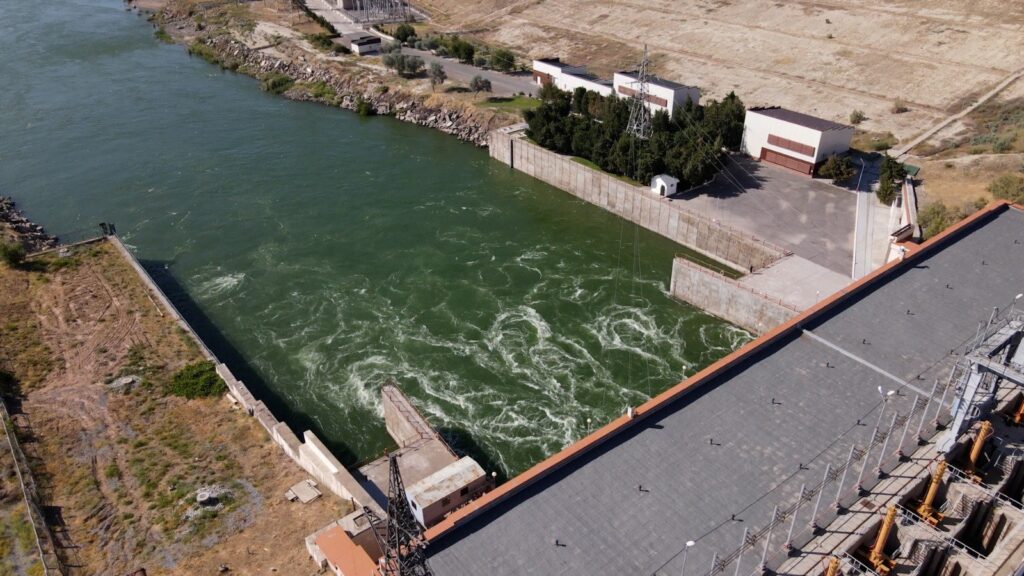
Kazakhstan’s Ministry of Water Resources and Irrigation has reported record water accumulation in the country’s reservoirs and lakes in 2024​.

This year, Kazakhstan’s reservoirs collected over 75 billion cubic meters of water, including more than 12 billion cubic meters of floodwater from unprecedented spring floods in the western and northern regions. These floods were triggered by rapid snowmelt, leading to significant increases in water availability.

According to the Ministry, efficient floodwater distribution helped replenish reservoirs and direct excess water to rivers and lakes that have faced drying trends in recent years.

Notable allocations include:

  • Lake Balkhash: Received 15.4 billion cubic meters of water in 2024, a 4-billion-cubic-meter increase from 2023. Of this, 3.3 billion cubic meters came from floodwater. Located 175 miles northwest of Almaty, Balkhash is the largest lake in Kazakhstan and the fifteenth-largest in the world.
  • Caspian Sea: Gained 17 billion cubic meters of water, addressing concerns over its declining water level. The Times of Central Asia previously reported concerns that the Caspian could lose up to 18 meters of water by the end of the century​.
  • Kapchagay Reservoir: For the first time in a decade, this reservoir in the Almaty region filled to 100% of its capacity, collecting over 18 billion cubic meters of water. The reservoir regulates the flow of the Ili River, which originates in China and flows into Lake Balkhash.
  • North Aral Sea: Received approximately 2.5 billion cubic meters of water, 400 million cubic meters more than in 2023. This portion of the former Aral Sea is fed by the Syr Darya River and separated from the South Aral Sea in the late 1980s due to water diversion for agriculture.
  • Kamysh-Samar Lakes: Located in the West Kazakhstan region, these lakes were replenished with 80 million cubic meters of floodwater.

Minister of Water Resources and Irrigation Nurzhan Nurzhigitov emphasized the Ministry’s efforts to preserve and restore large and small water bodies across Kazakhstan. During the 2024 irrigation season, approximately 11 billion cubic meters of water were supplied to the country’s farms to support agricultural activities.

The record water accumulation and successful flood management efforts underscore Kazakhstan’s commitment to sustainable water resource management.

The Netherlands Strengthens Its Position in Turkmenistan’s Agricultural Sector

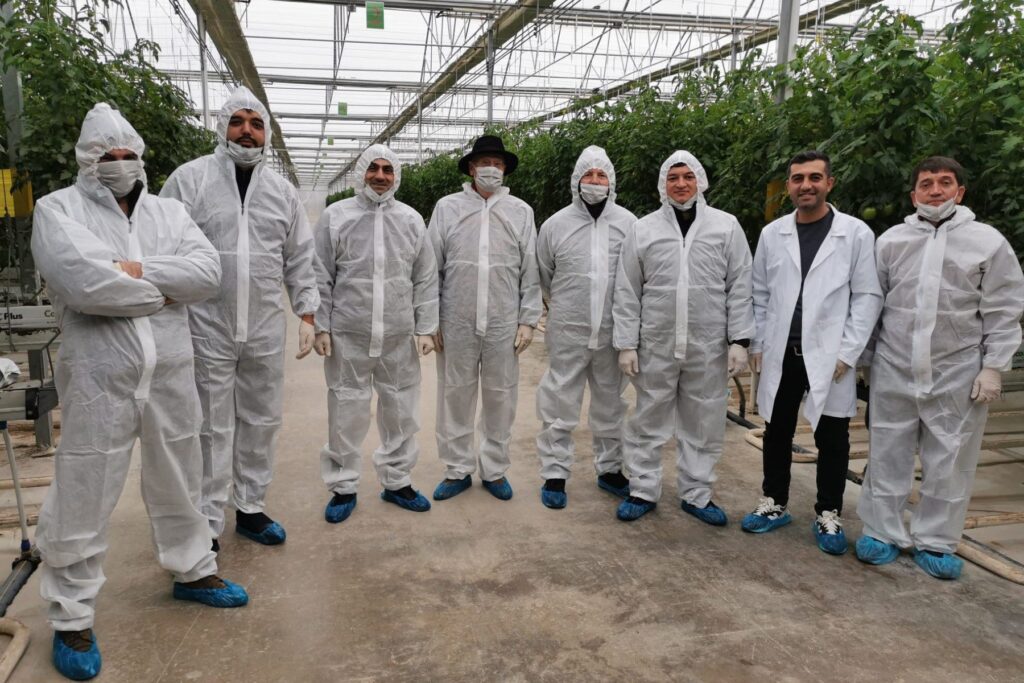
Dutch companies are expanding their presence in Turkmenistan’s agricultural sector, exploring new business opportunities to modernize and enhance local farming practices. A delegation led by former Dutch Ambassador to Kyrgyzstan Peter van Leeuwen visited Ashgabat in early December to assess potential collaborations.

The delegation included representatives from prominent Dutch firms such as Agrotech Didam, Dalsem, Geerlofs, HZPC, and Kubo. Discussions focused on key areas for joint efforts, including the construction of modern greenhouses, the implementation of drip irrigation systems, and advancements in seed production. Turkmen officials expressed a keen interest in adopting Dutch technologies to boost agricultural yields and efficiency.

As part of their visit, the Dutch representatives toured greenhouse complexes near Ashgabat, where crops like tomatoes, strawberries, and bananas are cultivated. They also inspected potato farms and storage systems. The delegation highlighted the significant potential of Turkmenistan’s agriculture and affirmed their willingness to tailor Dutch innovations to suit the country’s specific conditions.

This visit followed a Turkmen delegation’s trip to the Netherlands in the summer of 2024. During that visit, representatives from Turkmenistan’s private sector and the Ministry of Agriculture participated in the international Green Tech Amsterdam exhibition. The event allowed Turkmen officials to explore cutting-edge agricultural technologies and establish connections with global industry leaders.

The exchange of delegations underscores growing cooperation between the two nations, with Dutch expertise poised to play a pivotal role in the modernization of Turkmenistan’s agricultural industry.

Work in the EAEU App Expands to Uzbekistan to Support Migrant Workers

The “Work in the EAEU” mobile app, developed by the Eurasian Development Bank’s (EDB) Fund for Digital Initiatives, has officially launched services for migrant workers in Uzbekistan, the EDB has announced. With this launch, the app now operates in Uzbekistan, a country that is neither a member of the Eurasian Economic Union (EAEU) – which includes Armenia, Belarus, Kazakhstan, Kyrgyzstan, and Russia – nor an EDB member state. The expansion highlights the app’s broader regional ambitions.

Initially launched in June 2022, the “Work in the EAEU” app was designed to support the free movement of labor within EAEU member states. The service has since expanded to include Tajikistan in September 2024, and now Uzbekistan.

Services for Migrant Workers

The app provides a wide range of services tailored for individuals seeking employment in Uzbekistan. Key features include:

  • Job search tools and the ability to apply for vacancies.
  • Assistance in applying to government authorities for personal identification numbers or registration cards.
  • Access to tax services, information on work permits, and visa requirements, including types of visas and IT visas.
  • Support in finding accommodation and purchasing air or railway tickets.
  • Comprehensive legal and regulatory information on employment in Uzbekistan.

The app is intended to simplify employment processes for migrant workers and enhance their access to essential services through a single platform.

Migration Trends in the Region

For decades, hundreds of thousands of citizens from former Soviet republics have migrated within the region in search of better job opportunities. Central Asian countries, including Uzbekistan, have historically supplied significant numbers of labor migrants to Russia.

However, recent geopolitical shifts have altered migration patterns. Following Russia’s invasion of Ukraine and the partial mobilization in September 2022, thousands of Russian citizens fled their country, with many relocating to Central Asia. This reverse migration underscores the increasing importance of tools like the “Work in the EAEU” app, which facilitates mobility and employment across borders.

The launch of the “Work in the EAEU” app in Uzbekistan represents a step forward in easing cross-border employment processes in the region. As migration patterns continue to evolve, such digital initiatives will play a crucial role in supporting both labor migrants and host countries.

Rosatom to Build 100 MW Wind Farm in Kyrgyzstan

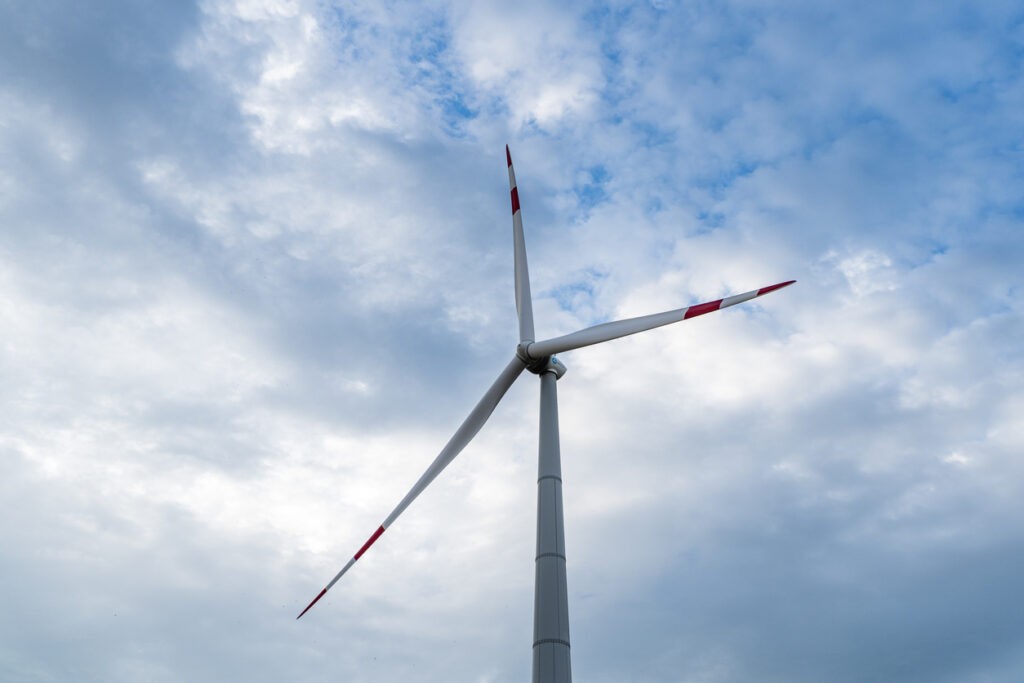
Rosatom Renewable Energy, the wind power division of Russia’s State Atomic Energy Corporation Rosatom, has signed an investment agreement with Kyrgyzstan’s Cabinet of Ministers to construct and operate a 100 MW wind farm in Kok-Moinok village, located in the Issyk-Kul region The agreement was formalized by Taalaibek Ibraev, Kyrgyzstan’s Minister of Energy; Grigory Nazarov, Director General of Rosatom Renewable Energy; and Dmitry Andreyev, Director General of NovaWind Kyrgyzstan, LLC. The project represents Rosatom’s first export initiative in wind power generation.

A ceremonial milestone was reached in September 2024 with the laying of a time capsule at the site of the future wind farm. Design and survey work, along with equipment procurement, is slated to begin in 2025.

Rosatom’s Broader Role in Kyrgyzstan

Rosatom has been actively advancing strategic energy projects in Kyrgyzstan. In January 2022, the company and Kyrgyzstan’s Ministry of Energy signed a memorandum of cooperation to construct low-power nuclear power plants based on the RITM-200N reactor.

Additionally, Rosatom is contributing to the development of Kyrgyzstan’s hydroelectric capacity, including the construction of the Leilek HPP (5.9 MW), Jerooy HPP (28 MW), and Chandalash HPP (30 MW). These efforts reflect the company’s diversified approach to strengthening the country’s energy sector.

Kyrgyzstan continues to face electricity shortages, particularly during the harsh winter months. To tackle this issue, the country is investing in a mix of renewable energy projects, including solar and wind farms, as well as large hydroelectric power plants.

Rosatom’s 100 MW wind farm in Kok-Moinok is expected to play a significant role in diversifying Kyrgyzstan’s energy sources and enhancing energy security.

Turkmenistan Explores Integration of Artificial Intelligence in Education

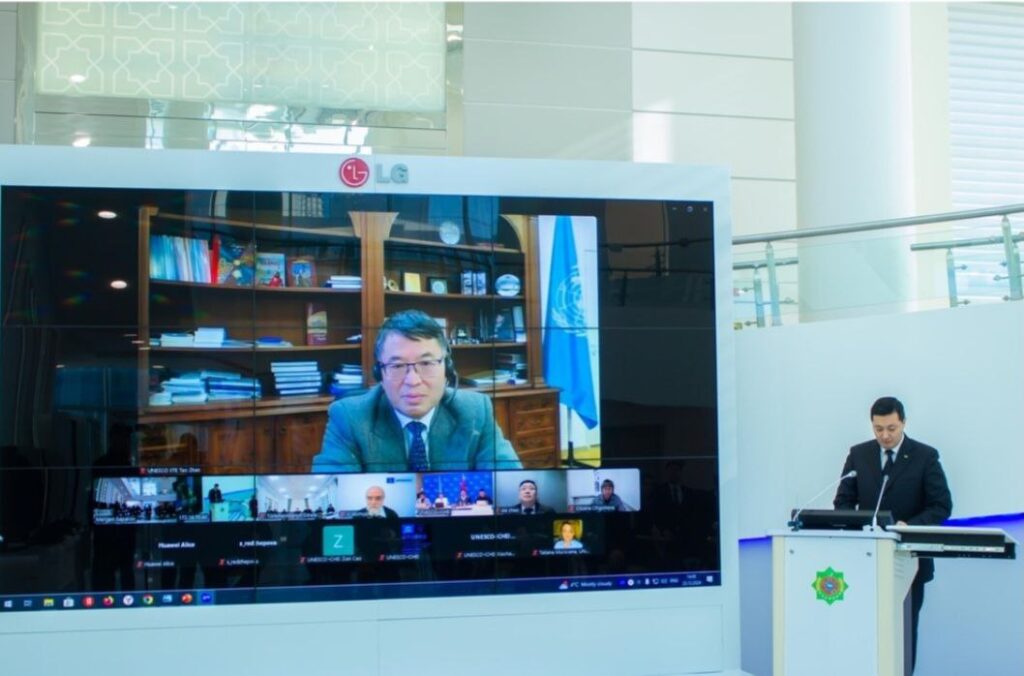
Turkmenistan has taken a significant step toward integrating artificial intelligence (AI) into its education system by hosting a scientific and practical conference. Organized by the Ministry of Education in collaboration with the UNESCO Institute for Information Technologies in Education, the event marked progress in implementing the goals outlined in the “Roadmap of Cooperation for 2024-2025.”

Key Discussions

The conference explored critical aspects of applying AI in education. Topics included the development of education management information systems, improving teachers’ digital literacy, and adapting cutting-edge technologies to Turkmenistan’s specific conditions. Participants also presented a draft strategy for the development of AI in education and highlighted international platforms already in use in this field.

Special emphasis was placed on the competencies required for both teachers and students to effectively work with AI. Experts noted that fostering such skills is essential in an increasingly digitalized society and workplace. They stressed that equipping young people with AI-related knowledge could significantly enhance their future professional prospects.

Practical Implementation and Examples

Turkmenistan is already incorporating AI into educational initiatives. A notable example was presented on October 4 in Ashgabat, where Selin Ataeva, a 12th-grade student at the Swiss School of Dubai and leader of a startup development team, showcased an AI-driven math learning platform.

This innovative software adopts a personalized approach to education, catering particularly to students in rural and remote regions. By optimizing the learning process and improving access to quality education, the platform exemplifies the transformative potential of AI in bridging educational gaps.

As Turkmenistan advances toward integrating AI into its education system, the conference highlighted the importance of aligning technology with local needs and preparing students and teachers for a digitally driven future. With initiatives like Ataeva’s math learning platform, the country demonstrates a commitment to using AI to enhance education accessibility and efficiency.