• KGS/USD = 0.01144 0%
  • KZT/USD = 0.00215 0%
  • TJS/USD = 0.10641 0%
  • UZS/USD = 0.00008 0%
  • TMT/USD = 0.28530 0%
  • KGS/USD = 0.01144 0%
  • KZT/USD = 0.00215 0%
  • TJS/USD = 0.10641 0%
  • UZS/USD = 0.00008 0%
  • TMT/USD = 0.28530 0%
  • KGS/USD = 0.01144 0%
  • KZT/USD = 0.00215 0%
  • TJS/USD = 0.10641 0%
  • UZS/USD = 0.00008 0%
  • TMT/USD = 0.28530 0%
  • KGS/USD = 0.01144 0%
  • KZT/USD = 0.00215 0%
  • TJS/USD = 0.10641 0%
  • UZS/USD = 0.00008 0%
  • TMT/USD = 0.28530 0%
  • KGS/USD = 0.01144 0%
  • KZT/USD = 0.00215 0%
  • TJS/USD = 0.10641 0%
  • UZS/USD = 0.00008 0%
  • TMT/USD = 0.28530 0%
  • KGS/USD = 0.01144 0%
  • KZT/USD = 0.00215 0%
  • TJS/USD = 0.10641 0%
  • UZS/USD = 0.00008 0%
  • TMT/USD = 0.28530 0%
  • KGS/USD = 0.01144 0%
  • KZT/USD = 0.00215 0%
  • TJS/USD = 0.10641 0%
  • UZS/USD = 0.00008 0%
  • TMT/USD = 0.28530 0%
  • KGS/USD = 0.01144 0%
  • KZT/USD = 0.00215 0%
  • TJS/USD = 0.10641 0%
  • UZS/USD = 0.00008 0%
  • TMT/USD = 0.28530 0%

How Kazakhstan Is Preparing for Parliamentary Elections

Kazakhstan is preparing for a major political reset centered on the introduction of a unicameral parliament, the Kurultai. Until now, legislative power in the country has been exercised by two chambers, the Mazhilis and the Senate. On April 10, President Kassym-Jomart Tokayev announced that elections would take place in August 2026.

According to Tokayev, political parties will have a clear planning horizon and enough time to prepare for the campaign and voter outreach.

A Stage Already Passed

In 2023, Kazakhstan introduced significant changes to its political system. For the first time in 19 years, a mixed electoral model was used in elections to the lower chamber, the Mazhilis. Under this system, 69 deputies were elected via party lists, while 29 were chosen in single-member constituencies, allowing candidates to run independently of party affiliation. This option has now been removed, although the reasons remain unclear.

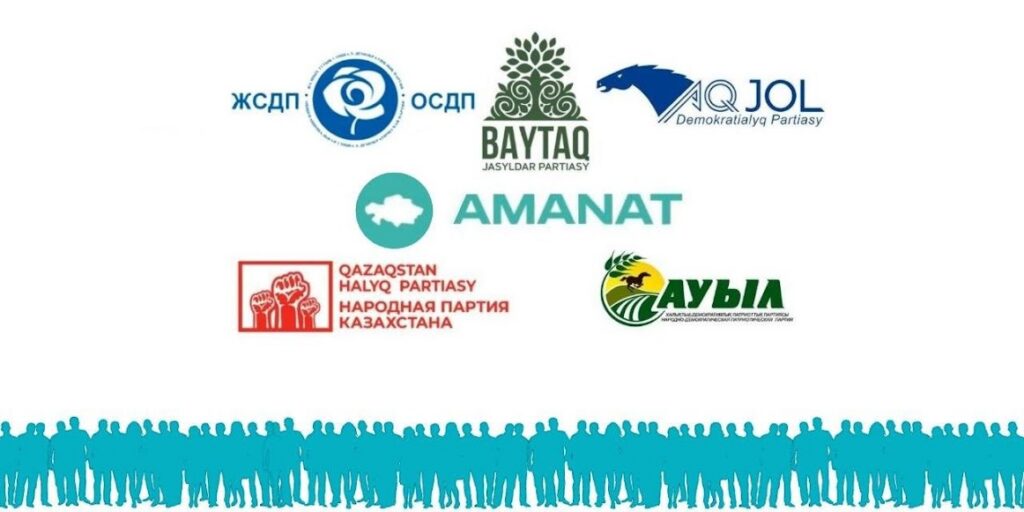
These reforms were presented as part of a broader democratization effort. In the 2023 parliamentary elections, six parties passed the 5% threshold. Amanat, formerly Nur Otan, won 53.9% of the vote, followed by Auyl with 10.9%, Respublica with 8.59%, Aq Jol with 8.41%, the People’s Party of Kazakhstan with 6.8%, and the Nationwide Social Democratic Party (OSDP) with 5.2%. The Baytaq party received 2.3% and did not enter parliament.

In practice, however, Amanat has remained the most active force in the Mazhilis. Some initiatives from Aq Jol, traditionally focused on business interests, have also stood out, while other parties have been less visible to voters.

Amanat has advantages not available to other parties, including the presence of many senior officials in its ranks. The Auyl party was expected to represent agrarian and conservative interests, but its initiatives have not been clearly articulated. The OSDP, which has long positioned itself as an opposition party, previously claimed it was excluded from parliament. However, once represented in the Mazhilis, its initiatives have largely focused on narrow issues and have had limited impact on the broader political agenda.

The People’s Party of Kazakhstan, once known for raising sharp issues, has been less active in the current parliament. Against this backdrop, Aq Jol has been comparatively stronger, showing a greater ability to shape the agenda and articulate clear positions. Baytaq has occupied an environmental niche, but despite the country’s significant ecological challenges, its voice has remained faint, making its prospects of entering the Kurultai uncertain. Respublica, a new party founded by young entrepreneurs, has also struggled to produce notable results.

A potential eighth party, Adilet, may soon join the seven officially registered parties. The party has announced its launch and begun the registration process, though it has yet to name a formal leader.

Some political analysts have described Adilet as a pro-government party. Political analyst Daniyar Ashimbayev noted that the concept of multiple pro-government parties is not new in Kazakhstan and suggested that some deputies could shift to Adilet by July.

Systemic Criticism

Political parties represented in parliament are regularly criticized by analysts for holding positions that closely align with Amanat on many issues. While some deputies occasionally criticize the government sharply, such criticism often results in limited, case-by-case compromises.

Moreover, many parties tend to reduce their activity between elections, becoming more active only during campaign periods.

In February 2026, Senate Speaker Maulen Ashimbayev stated that Kazakhstan’s party system remains underdeveloped, with Amanat being the only party possessing a strong social base and nationwide presence.

According to Ashimbayev, other parties have limited public support, remain inactive in many regions, and in some cases operate at a minimal level. This weakens their ability to represent citizens’ interests and convey them to parliament and the government. In his view, the transition to a unicameral parliament elected exclusively through party lists could help strengthen Kazakhstan’s political parties.


Kyrgyzstan to Build Modern Landfill Using Japanese Waste Disposal Technology

A pilot project to construct a modern landfill based on the Fukuoka Method is planned for the city of Kara-Balta in Kyrgyzstan’s northern Chui region, about 60 km west of Bishkek. The project aims to reduce environmental impacts and support the transition to modern waste management standards.

The Fukuoka Method is a semi-aerobic landfill waste disposal technology developed jointly by Fukuoka University and the city of Fukuoka in the 1970s. It has since become a standard approach for local governments in Japan. By maximizing the aeration of waste, the method accelerates biodegradation and can reduce greenhouse gas emissions by an estimated 20-50%.

The method uses natural ventilation through pipes and leachate collection systems to promote aerobic decomposition of waste. This accelerates stabilization, reduces methane emissions, and improves odor control. It is considered a relatively low-cost solution and is often cited as suitable for developing countries.

On April 21, Kyrgyzstan’s Ministry of Natural Resources, Ecology, and Technical Supervision discussed implementation of the project with representatives of the Asian Development Bank and the Japan Foundation, including grant financing, technical support, and the use of the Fukuoka Method.

The project is expected to reduce soil and groundwater pollution in the area, improve sanitary conditions for local residents, and provide a basis for wider use of the technology across the country.

The transition to modern environmental technologies is seen as important for protecting public health and supporting the country’s sustainable development.

Kyrgyzstan has also introduced Chinese technology for municipal solid waste disposal that generates electricity through incineration.

In December 2025, Bishkek officially inaugurated Central Asia’s first waste-to-energy plant, located at the city’s primary landfill and constructed by Hunan Junxin Environmental Protection Co. Ltd.

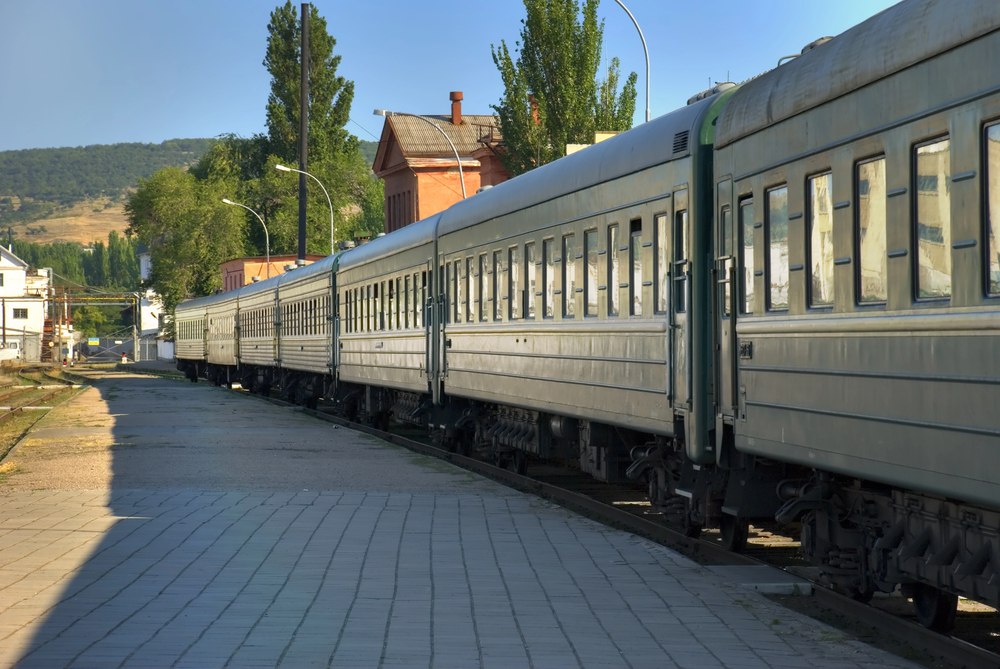
Turkmenistan’s Train and Bus Networks Reportedly Failing Passengers

Overcrowded trains and buses, often carrying passengers without tickets, have long been a feature of life in Turkmenistan, continuing to frustrate residents who rely on intercity transport.

As reported by Chronicles of Turkmenistan, many had hoped for improvements following the dismissal of Deputy Prime Minister for Transport and Communications Mammetkhan Chakyev. However, in the three months since Batyr Annayev was appointed to the role, no meaningful progress has been observed in passenger transport services.

Purchasing train or bus tickets online is possible only 7-10 days before departure. Closer to the travel date, passengers turn to ticket offices, but tickets are typically sold out. Meanwhile, intermediaries offer tickets at prices three to four times higher than official rates.

For example, a train ticket from Ashgabat to the town of Yoloten costs around $8 at official counters, but resellers charge between $26 and $32 for the same ticket. The situation is even more pronounced for Dashoguz: an official seat in a sleeper-class carriage costs about $16, while tickets purchased through intermediaries can reach $58.

Residents of Dashoguz region face the greatest challenges. There are reportedly no buses or taxis available. Only two trains run daily, which locals describe as critically insufficient.

In contrast, buses and taxis operate to the towns of Bayramaly, Turkmenabat, and the city of Turkmenbashi. Nevertheless, trains on these routes remain heavily overcrowded, with passenger numbers exceeding capacity by 1.5 to 2 times. Those unable to obtain tickets online, at ticket offices, or through intermediaries often pay conductors directly. As a result, passengers occupy not only seats and berths but also stand or sit in vestibules, corridors, and even near toilets.

According to the publication, the only noticeable change since Annayev took office has been a ban on carrying traditional Turkmen flatbread and govurma (fried, preserved meat) on international flights. While some restrictions existed previously, eyewitnesses reported that in the early days of his tenure, bins at Ashgabat airport were filled with confiscated food items prohibited from export.

Uzbekistan Plans $1 Billion for First Two Small Nuclear Reactors

Uzbekistan is planning to invest nearly $1 billion in the construction of its first two small reactors as part of an integrated nuclear power plant, according to officials speaking at a major industrial exhibition in Tashkent.

The estimate was announced by the Deputy Chairman of the country’s Chamber of Commerce and Industry, Sukhrob Abdurakhmonov, during the “Innoprom. Central Asia” exhibition, held from April 20 to 22. The event was organized by Uzbekistan’s Ministry of Investment, Industry and Trade together with Russia’s Ministry of Industry and Trade, local media outlet Gazeta.uz reported.

Abdurakhmonov said the first phase of the project involves the construction of two small reactors, each with a capacity of 55 megawatts. “Even at the initial stage, the project, valued at approximately $1 billion, will require a large volume of high-quality products,” he said during a panel session.

He noted that the scale of the project is expected to push local industries toward higher standards, from electrical equipment manufacturing to construction materials. “We see this as a strong incentive for the modernization of production,” he added.

The nuclear plant is planned for the Jizzakh region, where officials expect the development of a broader economic cluster. According to Abdurakhmonov, the project could stimulate growth in related sectors such as services, transport, logistics, and social infrastructure, creating thousands of jobs and new opportunities for small and medium-sized businesses.

The announcement follows agreements signed in March between Uzatom and Rosatom on cooperation and further steps in the nuclear power project.

Speaking earlier to reporters, Alexey Likhachev said the initiative could also generate significant economic benefits for Russia. He estimated that even a small reactor project in Uzbekistan could bring orders worth up to $22 billion for Russian companies and create around 1,000 jobs.

Uzbekistan to Restrict Foreign Access to Farmland as Land Reforms Advance

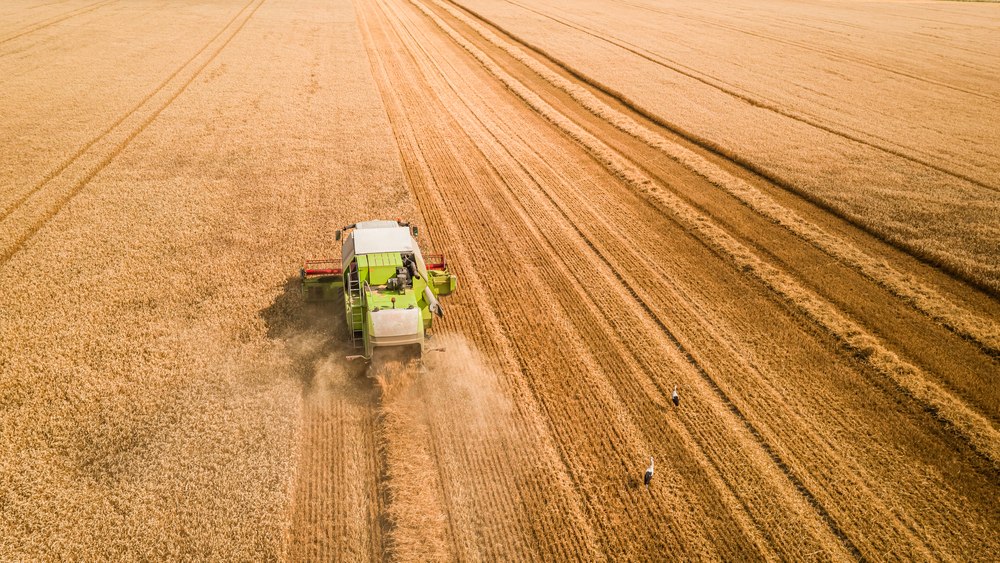
Uzbekistan plans to stop offering agricultural land lease rights to foreign investors through auctions as part of a broader effort to improve land use efficiency, according to the presidential press service.

The measures were presented during a government briefing on land reform, where officials outlined changes to the current system. Over the past five years, Uzbekistan has shifted to an auction-based model for land allocation, removing the authority of local governors to distribute plots directly. During this period, more than 616,000 hectares of land were allocated through auctions, generating 1.4 trillion UZS ($115,940) in state revenue.

Officials said the reforms have led to the emergence of private land users and increased productivity. Income per hectare has tripled to around 50-60 million UZS ($4,140-$4,970), while land allocated through auctions now produces goods worth an estimated 539 trillion UZS ($44,635,398,500) annually and generates $2.1 billion in exports.

Despite these gains, authorities acknowledged ongoing challenges. Around 117,600 hectares of land remain unallocated, partly due to limited autonomy for tenants in how they use the land. To address this, the government plans to introduce a revised leasing system and auction an additional 100,000 hectares under new conditions this year, with stronger economic incentives for efficient use.

A key change will affect foreign investors. Under the proposed rules, they will no longer be able to acquire land through auctions. Instead, access to agricultural land will be limited to secondary lease agreements arranged through regional authorities, and only for projects with a minimum investment of $10 million. These projects must also focus on developing underused land, including pasture and rain-fed areas.

At the same time, participation in agricultural land auctions will be restricted to domestic farmers and entrepreneurs. Land designated for defense, border zones, forests, and cultural heritage sites will be allocated exclusively to Uzbek citizens. A unified lease term of up to 49 years is also proposed for all land categories.

The presentation highlighted successful pilot projects in the Fergana Valley, as well as in Jizzakh and Tashkent regions, and Karakalpakstan, where entrepreneurs were allowed to independently choose crops. On 16,000 hectares, farmers planted high-yield and export-oriented crops, contributing to an estimated $150 million in exports in 2025.

To support new projects, the government plans to offer financial incentives, including preferential loans of up to seven years with grace periods, subsidies for infrastructure costs, and compensation of up to 50% of packaging expenses. Authorities also intend to expand the use of modern agricultural technologies to increase land productivity.

Officials also stressed the need to accelerate digitalization in the sector, noting that many processes, such as land reclassification and compensation calculations, are still handled on paper, causing delays and investor dissatisfaction. Plans include integrating cadastral, agricultural, and legal databases, as well as introducing transparent procedures for extending lease agreements.

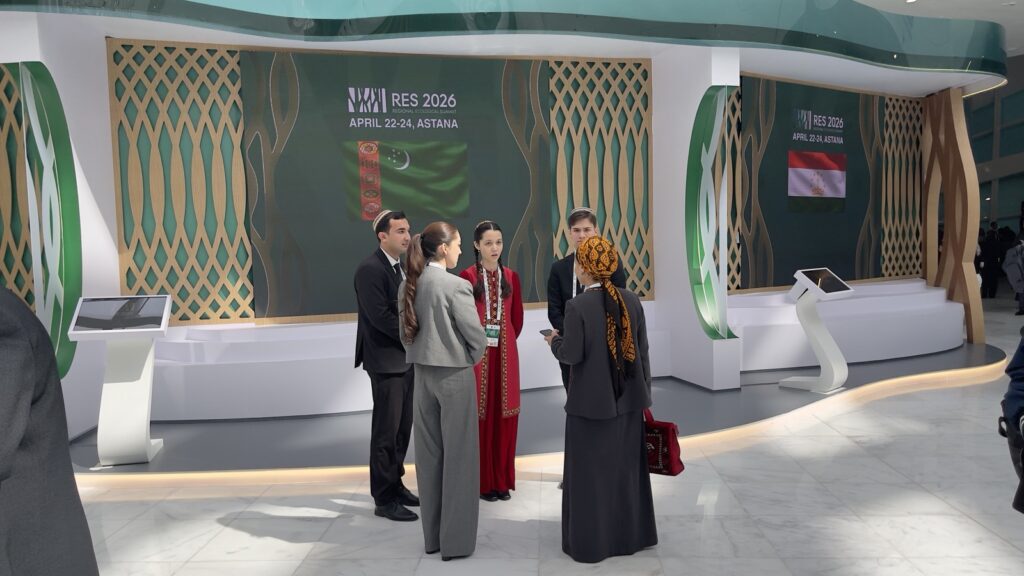
Video: Leaders, Delegates and International Representatives Arrive for the Regional Ecological Summit

Astana opened the Regional Ecological Summit on April 22 with the declared aim of turning regional environmental pressure into coordinated policy, investment, and cross-border action. Hosted by Kazakhstan with UN backing, the three-day gathering brings Central Asian governments and international partners together around climate adaptation, water management, biodiversity, and the financing needed to make regional plans work.