• KGS/USD = 0.01144 0%
  • KZT/USD = 0.00214 0%
  • TJS/USD = 0.10508 0%
  • UZS/USD = 0.00008 0%
  • TMT/USD = 0.28490 0%
  • KGS/USD = 0.01144 0%
  • KZT/USD = 0.00214 0%
  • TJS/USD = 0.10508 0%
  • UZS/USD = 0.00008 0%
  • TMT/USD = 0.28490 0%
  • KGS/USD = 0.01144 0%
  • KZT/USD = 0.00214 0%
  • TJS/USD = 0.10508 0%
  • UZS/USD = 0.00008 0%
  • TMT/USD = 0.28490 0%
  • KGS/USD = 0.01144 0%
  • KZT/USD = 0.00214 0%
  • TJS/USD = 0.10508 0%
  • UZS/USD = 0.00008 0%
  • TMT/USD = 0.28490 0%
  • KGS/USD = 0.01144 0%
  • KZT/USD = 0.00214 0%
  • TJS/USD = 0.10508 0%
  • UZS/USD = 0.00008 0%
  • TMT/USD = 0.28490 0%
  • KGS/USD = 0.01144 0%
  • KZT/USD = 0.00214 0%
  • TJS/USD = 0.10508 0%
  • UZS/USD = 0.00008 0%
  • TMT/USD = 0.28490 0%
  • KGS/USD = 0.01144 0%
  • KZT/USD = 0.00214 0%
  • TJS/USD = 0.10508 0%
  • UZS/USD = 0.00008 0%
  • TMT/USD = 0.28490 0%
  • KGS/USD = 0.01144 0%
  • KZT/USD = 0.00214 0%
  • TJS/USD = 0.10508 0%
  • UZS/USD = 0.00008 0%
  • TMT/USD = 0.28490 0%

Choking on Smog: Kazakhstan’s Ust-Kamenogorsk forced to suspend in-person schooling amid rising air pollution

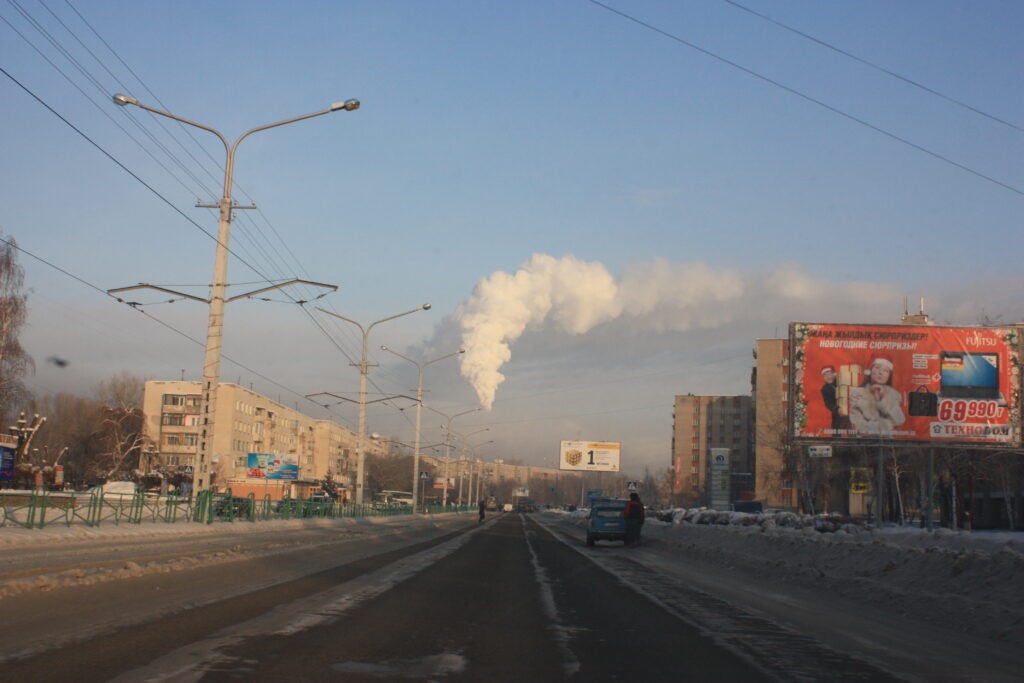
The city of Ust-Kamenogorsk in eastern Kazakhstan has once again found itself at the center of an environmental scandal, with polluted air and unfavorable weather conditions causing deteriorating health among its citizens and forcing schoolchildren to move to distance learning.

Smog in the city: complaints and consequences

In the last week of November, unfavorable weather conditions hit Ust-Kamenogorsk, aggravating the problem of air pollution. Citizens complained of worsening health: headaches, nausea, vomiting, coughing, and fever. Children, who have to breathe polluted air on their way to school, are particularly affected.

Parents have repeatedly expressed their outrage, demanding action. In response to the latest complaints, the authorities transitioned some 53,000 of the city’s schoolchildren to distance learning on November 28-29. This marked the first time in the city’s history that education was suspended due to the environmental situation.

Weather forecasters say that the unfavorable weather conditions will continue until at least the end of November. This means that Ust-Kamenogorsk residents will continue to suffer from smog, and children will probably remain in distance learning.

Environmentalists weigh in

Azamat Tauyrbekov, head of the Department of Ecology for the East Kazakh region, said that environmental agencies are working hard these days, conducting air measurements throughout the city. However, inspections of enterprises are complicated by bureaucratic procedures: access to production facilities requires an official application with evidence of violation.

On November 28, joint inspections took place at two large enterprises in the region: Kazzinc and an oil extraction plant. So far, the results of the inspections have not been published, but activists and citizens continue to insist on the need for more transparent controls over emissions.

Citizen frustration boils over

Residents of Ust-Kamenogorsk are discussing the air pollution situation on social networks, sharing their complaints and worries. In comments on the Instagram platform one can see messages such as:

– “It is impossible to breathe, even at home.”

– “My head hurts, I feel weak, feverish, have a sore throat, watery eyes, stuffy nose.”

– “How is it possible to poison almost 400,000 people? We pay taxes to be destroyed?”

– “There is a taste of metal and acid in my mouth.”

Despite the fact that the problem has become a reason for creating memes and jokes about smog, reactions such as these reveal the deep dissatisfaction and anxiety of the city’s residents. People are starting to openly demand that authorities strengthen control over emissions from enterprises and take real measures to improve the environmental situation in the city.
Putin in Kazakhstan: Language Diplomacy, Treaty Fine Print and a Hack

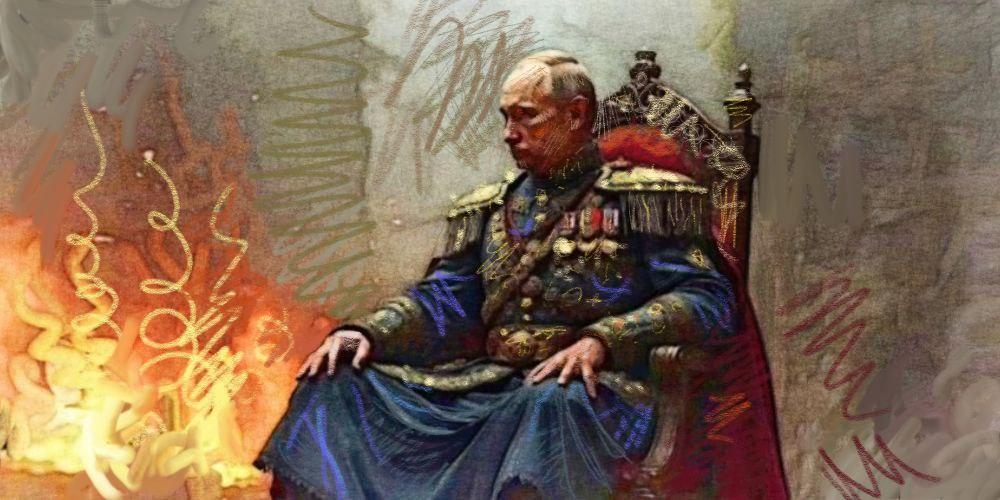
Geopolitical tensions, finding common ground on oil and gas transportation and deliveries and Russia’s hopes of beating out rivals to build Kazakhstan´s first nuclear power plant. These were some of the big ticket themes framing Russian President Vladimir Putin’s trip to the Central Asian nation last week. The Times of Central Asia looks at a few other things that happened on the sidelines:


A Tale of Two Languages

“Kazakhstan is practically a Russian-speaking country, which you have probably had a chance to see for yourself.”

Putin was extolling close ties between Russia and Kazakhstan when he made that remark to journalists in Astana last week. But the comment also drew attention to how Kazakhstan uses the Kazakh language to express national identity and independence from a past controlled by Moscow.

In November 2023, during an earlier visit by Putin to Astana, Kazakh President Kassym-Jomart Tokayev spoke in Kazakh rather than Russian, causing senior Russian officials to reach somewhat hurriedly for their earpieces to get the translation. While Russia and Kazakhstan share a long land border and are bound by deep economic and security ties, Tokayev’s semantic switch seemed to be a reminder that Kazakhstan, a former Soviet republic and Russian imperial territory, would follow its own path.

Last week, both leaders went out of their way to emphasize linguistic harmony, even if tensions sometimes emerge over Kazakhstan’s increasing promotion of the Kazakh language. There is a significant ethnic Russian minority living in Kazakhstan.

“One third of schoolchildren in our country are educated in Russian. We attach special importance to this issue. It is for this reason that I proposed the creation of the International Russian Language Organization,” Tokayev said.

Putin thanked Tokayev for backing the use of the Russian language, “widely and freely,” in Kazakhstan. He said there are plans to open three Russian language schools in Kazakhstan, with Russian government support.

Some social media posts claimed there was a diplomatic dustup between the two leaders, showing video of Putin´s “Russian-speaking country” remark followed by Tokayev speaking in Kazakh in an apparent pushback. However, the video appears to be spliced from different events. Putin is shown standing; Tokayev is seated. Furthermore, the Kremlin transcript shows that Putin made the remark at a solo news conference.


That’s What It Says, But…

The treaty of a regional security group that includes Russia, Kazakhstan, Kyrgyzstan, Tajikistan, Belarus and Armenia says members must provide military and other help to any member subjected to “aggression by any state or group of states.”

Does that mean members of the Collective Security Treaty Organization, or CSTO, should get behind Russia in its war against Western-backed Ukraine? After all, Putin says Russia is a target of Ukrainian and Western aggression, even if some dispute the assertion because he launched a full-scale invasion of Ukraine in 2022.

Putin was asked the question on Thursday after a state visit to Kazakhstan and a meeting of the regional security group in Astana.

Each security group member “stands ready to act in accordance with its obligations,” Putin replied. But he recommended a pragmatic approach.

“Considering that American weapons, such as the ATACMS, are targeting Russian territory, what realistically can the other countries of this organisation do to assist the Russian Federation? I mean, it is not a realistic expectation. Yet, even under these circumstances, we are likely capable of offering them as much support as we possibly can. We possess adequate resources and a safety margin to aid our allies if required,” Putin said.

Just for the record, Article 4 of the CSTO says:

“If one of the States Parties is subjected to aggression by any state or group of states, then this will be considered as aggression against all States Parties to this Treaty. In the event of an act of aggression against any of the participating States, all other participating States will provide him with the necessary assistance, including military, and will also provide support at their disposal in exercising the right to collective defense in accordance with Article 51 of the UN Charter.”

President Aleksandr Lukashenko of Belarus is a close ally of Putin, who has used Belarusian territory for some Russian military operations during the war in neighboring Ukraine. Central Asian countries have tried to remain publicly neutral during the conflict. Armenia has effectively frozen its membership in the CSTO, saying it couldn’t rely on Russian help following Azerbaijan’s seizure of the disputed territory of Nagorno-Karabakh last year.


Flag Swap

Pro-Ukrainian hackers had their moment during Putin’s visit to Kazakhstan last week.

For a while on Wednesday, an outdoor video display in Astana, the capital, stopped showing the red, blue and white Russian flag and instead treated passers-by to an image of the blue and yellow flag of Ukraine, Russia’s battlefield enemy.

Kazakh authorities described the switch as a cyberattack and are investigating.

Kazakhstan’s State Technical Service, said “a case of a temporary substitution of the displayed flag image was recorded on one of the LED screens. According to preliminary data, the attack was carried out from foreign IP addresses using proxy servers.”

It said a criminal case had been opened and that the state service, which oversees information security, was trying to determine the source and method of the hack.

New Project in Tashkent Offers Free Housing to Residents of Wooden Homes

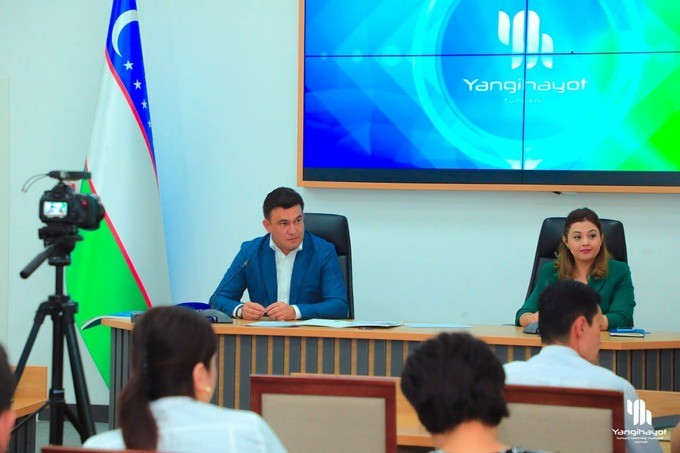
Residents of wooden houses in Yangikhayot will be relocated to new apartments, and an arboretum will be created in their place.

Residents of wooden two-story houses in Tashkent’s Yangikhayot district will be relocated to the Yangi Mahalla residential complex in two to three years, with families receiving free accommodation in the new complex.

The project, the cost of which is estimated at 1.5 trillion-som ($117 million), will affect 409 wooden houses in the Yuldosh (Sputnik) massif, where more than 21,000 people reside. The resettlement will affect 4,341 families, who will be relocated to modern apartment buildings in Gulshanobod mahalla.

The project includes the resettlement of residents and landscaping, Yangikhayot District Hokim (head of the local executive authority), Hayot Inogamov and Tashkent Invest Chairman, Bakhrom Shokirov told a November 28 news conference. An arboretum surrounded by perennial trees will replace the old wooden houses.

Tashkent Invest developed the resettlement program with the support of the hokimiyat and district administration. The company itself will not participate in the construction of the new houses, but will act as an intermediary between the state and construction organizations, overseeing the fulfillment of the social obligations of investors, and ensuring resettlement of the families.

This project will not only improve the living conditions of thousands of residents, but will be an important step towards improving the environmental situation in the neighborhood by creating a new park on the site of the outdated development.

Turkmen Scientists Acquire Over 100 Rare Manuscripts from the UK

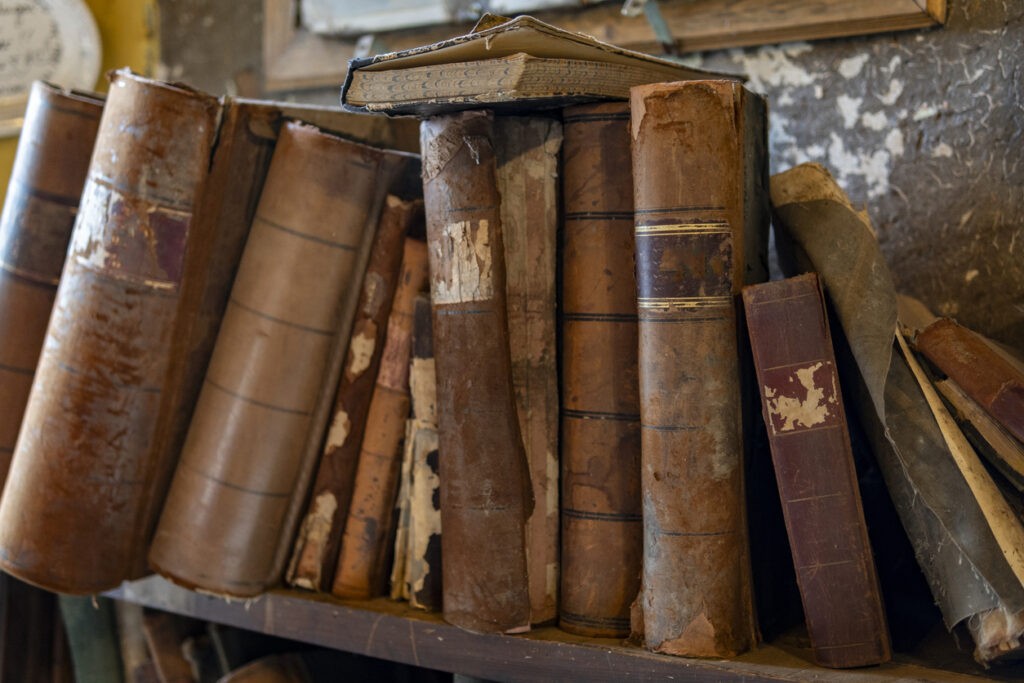
Researchers from the Institute of Language, Literature, and National Manuscripts at the Academy of Sciences of Turkmenistan have returned from the United Kingdom with 107 electronic copies of valuable manuscripts. These acquisitions enrich the collection of historical materials documenting the cultural heritage of the Turkmen people.

From November 2 to 23, researchers Amandurdy Nuraev and Guichmyrat Changliyev conducted studies at two of the UK’s most renowned repositories: the British Library in London and the John Rylands Research Institute and Library in Manchester. These archives house extensive collections of historical documents, including rare manuscripts with significant relevance to Turkmenistan’s history and culture.
The expedition culminated in the transfer of electronic copies of key documents to Turkmenistan. Among the manuscripts are works by prominent authors such as Makhtumkuli Fraghi, Alisher Navoi, Fizuli, and Hussein Baygara, along with other renowned oriental poets and scholars. Special emphasis was placed on uncovering works previously unknown to the Turkmen academic community.

In addition to literary compositions, the manuscripts provide unique insights into the history and traditions of the Turkmen people. These materials offer new opportunities for studying the heritage of Makhtumkuli Fraghi, a celebrated figure and symbol of Turkmenistan’s national culture.

This significant achievement enhances the preservation and understanding of Turkmenistan’s rich literary and historical legacy, contributing to broader academic and cultural exploration.

Kazakhstan Sees 50% Surge in Chinese Tourism During Landmark Year of Collaboration

The Year of Kazakhstan Tourism in China concluded on November 27 with a closing ceremony in Almaty, attended by over 300 representatives from the tourism sectors of both countries. The initiative, officially launched in Beijing on March 28–29, aimed to foster greater connectivity between Kazakhstan and China while encouraging mutual cultural and economic exchange. It also facilitated stronger partnerships among tourism industry stakeholders from both nations.

Deputy Minister of Tourism and Sports of Kazakhstan, Yerzhan Yerkinbayev, highlighted the year’s success: “This year was marked by a significant expansion of cooperation between Kazakhstan and China in the field of tourism. The tourist flow between our countries demonstrated significant growth, which once again emphasizes that we are united not only by good neighborliness but also by a common desire for mutual understanding and cultural exchange.”

According to Kazakhstan’s Border Service, the number of trips by Kazakhs to China increased by 31% in 2024, while visits by Chinese tourists to Kazakhstan rose by 50%. Data from Kazakhstan’s National Bureau of Statistics reveals that 566,500 foreign tourists visited Kazakhstan between January and June 2024. Among these, Chinese tourists were the second-largest group, totaling 69,918. Visitors from Russia topped the list at 186,100, followed by tourists from India (53,695), Turkey (30,312), and the United States (19,597).

The Year of Kazakhstan Tourism in China attracted substantial media attention. Chinese media corporations extensively covered Kazakhstan’s tourism potential, achieving an overall media indicator of 1.8 billion views. Posts about Kazakhstan on social media platforms reached 160 million users, significantly boosting the country’s visibility in China. Building on this momentum, the governments of Kazakhstan and China have designated 2025 as the Year of China Tourism in Kazakhstan.

Additionally, an agreement on mutual visa-free travel came into effect in November 2023. Under the agreement, citizens of both countries can travel visa-free for up to 30 days per visit, with a maximum of 90 calendar days within a 180-day period. This arrangement applies to tourism, medical treatment, business trips, and transit travel.

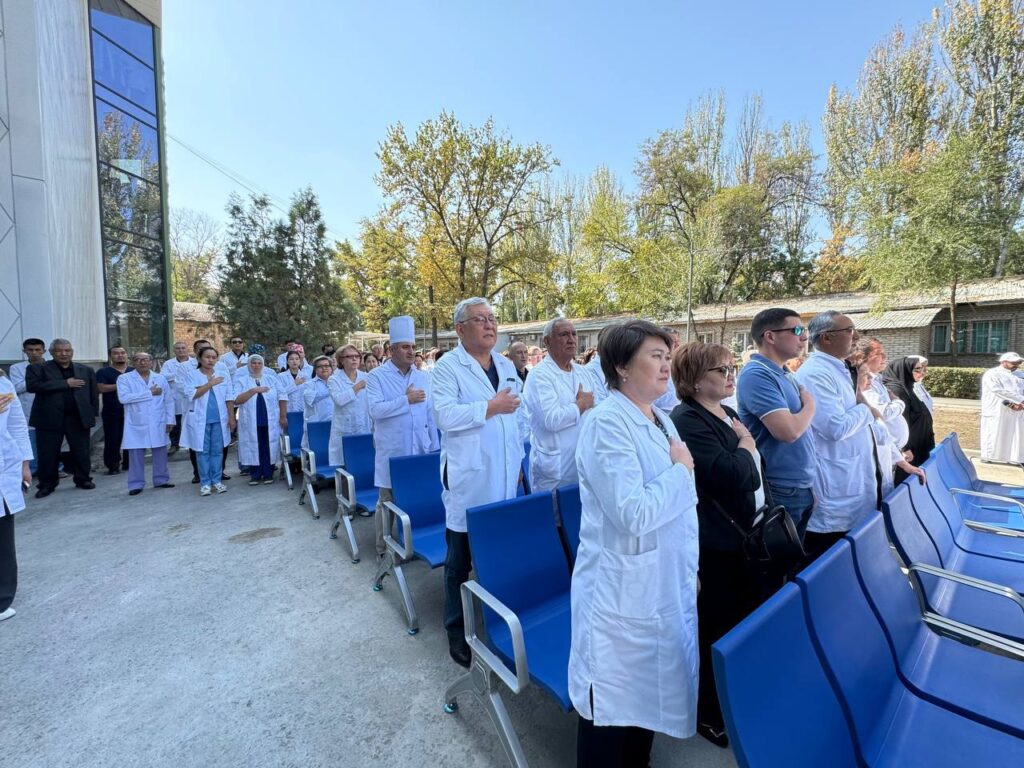
Kyrgyz Health Ministry Pushes for Laws to Shield Medics from Violence

The Kyrgyz Ministry of Health has called for amendments to the country’s criminal code to establish a legal framework protecting medical professionals from violence by citizens. The proposed measures aim to address a growing concern for the safety of doctors, nurses, and other healthcare workers.

“Violence against medical workers is a serious problem that requires immediate action,” the ministry stated in its justification for the bill. “Doctors, nurses, and other staff face physical aggression from patients, relatives, or even bystanders. This threatens the health and lives of medical personnel and disrupts the normal functioning of healthcare institutions.”

The ministry emphasized that threats or acts of physical harm create a stressful work environment, distract medical workers from their duties, and may lead to errors in diagnosing and treating patients.

Proposed Penalties
The Ministry of Health outlined specific punishments for various forms of violence and disrespect toward medical workers:
• Minor harm: A fine of up to 100,000 KGS ($1,200), correctional labor for six months to one year, or deprivation of the right to hold certain positions.
• Severe harm: A fine or imprisonment for one to three years.
Additionally, the ministry seeks penalties for disrespectful or insulting behavior toward doctors. This includes demonstrating obscene gestures, verbal abuse, or indecent conduct, which could also result in fines or correctional labor.

Growing Concerns
Healthcare workers in Kyrgyzstan have long faced violence in their workplaces. After several incidents of attacks on doctors by patients and their relatives, the National Hospital implemented stricter security measures, including the installation of panic buttons and video surveillance cameras.

Medical professionals have voiced the need for stronger protections to ensure a safer working environment. The proposed amendments aim to deter violence and foster greater respect for those who provide critical healthcare services.